

基本情報
- 標準SMILES
O=[N+]([O-])c1ccccc1O- InChIKey
IQUPABOKLQSFBK-UHFFFAOYSA-N- 分子式
- C6H5NO3
- 平均分子量
- 139.11 g/mol
- 単同位体質量
- 139.02694302
概要
2-nitrophenol is a yellow solid. Sinks in and mixes slowly with water. (USCG, 1999)
名称と識別子
- 優先名称
- 2-Nitrophenol
- IUPAC
- 2-nitrophenol
- 英語名
- 2-Nitrophenol
- 分子式
- C6H5NO3
- 分子量
- 139.1088
名称と別名
2-NITROPHENOLo-Nitrophenol88-75-52-HydroxynitrobenzenePhenol, 2-nitro-o-HydroxynitrobenzenePhenol, o-nitro-o-Nitrofenolortho-nitrophenolDTXSID1021790BD148E95KDNSC-1552
名称をさらに表示
DTXCID201790CHEBI:16260RefChem:910143201-857-5NITROPHENOL2-nitro-phenol25154-55-6MFCD00011688
データベース識別子
- CAS
25154-55-6、88-75-5- PubChem CID
- 6947
- DTXSID
DTXSID1021790- ChEMBL
CHEMBL14205- ChEBI
CHEBI:16260- UNII
- BD148E95KD
- EC Number
- 201-857-5
- Nikkaji
- J355G
物性
構造計算による物性
- XLogP
- 1.8
- 極性表面積
- 66.1 Ų
- 水素結合供与体数
- 1
- 水素結合受容体数
- 3
- 回転可能結合数
- 0
- 重原子数
- 10
- 形式電荷
- 0
- 複雑度
- 131
実験および物理化学的性質
Chemical Classes
Nitrogen Compounds -> Nitrophenols
Semi-Volatile Organic Compound (SVOC)
CosmeticsHair dyeing
SpringerMaterials Properties13C nuclear magnetic resonance spectrum
LogP
log Kow = 1.79
1.79
1.89
OdorPeculiar, aromatic color
Taste
SWEET TASTE
Taste threshold concentration: 0.001 mg/L
Density
1.49 at 68 °F (USCG, 1999) - Denser than water; will sink
Density: 1.2942 g/cu cm at 40 °C
1.49 g/cm³
1.495 @25 °C
Color/Form
Light yellow needles or prisms
MONOCLINIC
Yellow needles from alcohol
Solubility
less than 1 mg/mL at 70 °F (NTP, 1992)
Freely soluble in ... carbon disulfide, alkali hydroxides; slightly soluble in cold water
Very soluble in alcohol, ether, acetone, chlorine
In water, 2100 mg/L at 20 °C; 10,800 mg/L at 100 °C
In water, 2.5X10+3 mg/L at 25 °C
Solubility in water, g/100ml at 20 °C: 0.21 (poor)
Flash Point108 °C c.c.
Boiling Point
417 to 421 °F at 760 mmHg (Decomposes) (NTP, 1992)
216 °C
216 °C
214.5 °C @760 [mm Hg]
DecompositionWhen heated to decomp it emits toxic fumes of /nitrogen oxides/.
物理化学的性質
- 融点
- 44 · 44-45 °C
- 沸点
- 214.5 °C · 214.5°C
- 比重(密度)
- 1.495 · 1.495
- 酸解離定数(Pka)
- 7.14 · 7.14±0.14(Predicted)
- 色
- 2 O · EtOH または Et2O からの淡黄色の結晶、針、または角柱
- 臭い (Odor)
- 芳香臭
安全と法規制
GHS分類
GHS Classification
This chemical does not meet GHS hazard criteria for 0.5% (1 of 184) of reports.
Warning
H302+H312+H332 (15.2%): Harmful if swallowed, in contact with skin or if inhaled [Warning Acute toxicity, oral; acute toxicity, dermal; acute toxicity, inhalation]
P261, P264, P264+P265, P270, P271, P273, P280, P301+P317, P302+P352, P304+P340, P305+P351+P338, P317, P319, P321, P330, P332+P317, P337+P317, P362+P364, P391, P403+P233, P405, and P501 (click each P-code to see the statement)
Aggregated GHS information provided per 184 reports by companies from 12 notifications to the ECHA C&L Inventory. Each notification may be associated with multiple companies.
Danger
危険有害性情報
Regulatory Information
Chemical: Phenol, 2-nitro-
Hazard Traits - Hazard Trait Undefined
Phenol, 2-nitro- is listed on the EPA's Chemical Data Reporting (CDR) system. Manufacturers and importers of Phenol, 2-nitro- are required to report information about their production and use of this chemical to the EPA under the Toxic Substances Control Act (TSCA). (40 eCFR Part 711)
Status: Active Update: 16-01-2014 https://echa.europa.eu/registration-dossier/-/registered-dossier/10933
2-Nitrophenol: Does not have an individual approval but may be used under an appropriate group standard
The New Jersey Worker and Community Right to Know Act requires public and private employers to provide information about hazardous substances at their workplaces. (N.J.S.A. 34:5A-1 et. seq.)
Other Safety InformationIMAP assessments - Phenol, 2-nitro-: Human health tier II assessment
DOT LabelPoison
Fire Hazards
Special Hazards of Combustion Products: Toxic and irritating fumes of unburned material and oxides of nitrogen can form in fire. (USCG, 1999)
Combustible. Gives off irritating or toxic fumes (or gases) in a fire.
Fire PotentialAROMATIC NITROCOMPOUNDS ARE FLAMMABLE ... /AROMATIC NITROCMPD/
Health Hazards
Inhalation or ingestion causes headache, drowsiness, nausea, and blue color in lips, ears, and fingernails (cyanosis). Contact with eyes causes irritation. Can be absorbed through the intact skin to give same symptoms as for inhalation. (USCG, 1999)
Hazards Summary
4-Nitrophenol is more toxic than 2-nitrophenol in animals. Rats exposed to 112 mg/m3 for 2 weeks develop methemoglobinemia. No effect after dust exposures of 30 mg/m3 for 3-6 hours/day, 5 days a week for 4 weeks; [ATSDR ToxProfiles] Can be absorbed through intact skin; [HSDB] A mild skin and eye irritant; Can induce methemoglobinemia after ingestion; [ICSC]
The major hazards encountered in the use and handling of 2-nitrophenol stem from its toxicologic properties. Toxic by all routes (ie, inhalation, ingestion, dermal absorption), exposure to this light yellow, crystalline substance, may occur from its use as a chemical intermediate. Effects from exposure may include burns to the skin and eyes, headache, dizziness, shock, unconsciousness, and death from cardiac or pulmonary failure. Contact with 2-nitrophenol should be controlled by local exhaust ventilation at the point of contaminant generation. Where this is not possible, contact should be prevented by wearing full protective clothing, including rubber gloves, and an organic vapor canister respirator, or in emergency situations, a self-contained breathing apparatus. If contact does occur, immediately flush affected skin or eyes with running water for at least 15 minutes, and remove and isolate contaminated clothing at the site. While 2-nitrophenol does not ignite easily, it can burn, emitting toxic oxides of nitrogen. Also, containers may explode in the heat of a fire. For small fires involving 2-nitrophenol, extinguish with dry chemical, CO2, Halon, water spray, or standard foam, and for large fires, use water spray, fog, or standard foam. Runoff from fire control water may give off poisonous gases or cause pollution, and should be controlled by diking, as necessary. 2-Nitrophenol should be stored away from sparks, flames, or other sources of ignition. Small spills of 2-nitrophenol may be taken up (if liquid, with sand or other noncombustible absorbent) and placed into containers for later disposal. Large spills should be contained in pits, or other holding areas that are sealed with an impermeable flexible membrane liner. Solids should be covered with a plastic sheet. Liquids should be neutralized with slaked lime, crushed limestone, or sodium bicarbonate, and diked, if necessary, to prevent runoff from entering water sources or sewers. Spills of 2-nitrophenol in water may need to be trapped at the bottom with sand bag barriers, activated charcoal applied, and the trapped material removed with suction hoses, mechanical dredges, or lifts. Prior to implementing permanent land disposal of waste residue (including waste sludge), consult with environmental regulatory agencies for guidance.
Reactive GroupNitro, Nitroso, Nitrate, and Nitrite Compounds, Organic
UN ClassificationUN Hazard Class: 6.1; UN Pack Group: III
Special Reports
DEAN BJ; MUTAT RES 47: 75-97 (1978). A REVIEW WITH 90 REFERENCES ON THE MUTAGENICITY, BIOTRANSFORMATIONS, & TOXICITY OF BENZENE, TOLUENE, XYLENE, & PHENOLS INCLUDING O-NITROPHENOL.
USEPA; Ambient Water Quality Criteria Doc: Nitrophenol (1980) EPA 440/5-80-063
Young LY; Govt Reports Announcements & Index (GRA & I) 17 (1986). Sixteen substituted aromatic compounds were evaluated for their anaerobic biodegradability and toxicity to methanogenesis with two standardized anaerobic bioassays.
DHHS/ATSDR; Toxicological Profile for Nitrophenols: 2-Nitrophenol, 4-Nitrophenol (1992) TP-91/23
USEPA; Ambient Water Quality Criteria Doc: Nitrophenols (1987) EPA 600/8-88/050
Reactivity Profile
2-NITROPHENOL is a yellow, crystalline material, moderately toxic, low melting point (45 °C). When heated to decomposition it emits toxic fumes of oxides of nitrogen. In molten form violent reaction with strong alkali (85% potassium hydroxide) [491 M, 1975, p. 342]. Reaction product with chlorosulfuric acid decomposes violently at room temperature [Vervalin, C. H., Hydrocarbon Proc., 1976, 55(9), p. 321].
Atmospheric Standards
This action promulgates standards of performance for equipment leaks of Volatile Organic Compounds (VOC) in the Synthetic Organic Chemical Manufacturing Industry (SOCMI). The intended effect of these standards is to require all newly constructed, modified, and reconstructed SOCMI process units to use the best demonstrated system of continuous emission reduction for equipment leaks of VOC, considering costs, non air quality health and environmental impact and energy requirements. 2-Nitrophenol is produced, as an intermediate or a final product, by process units covered under this subpart.
安全と保護具
Fire Fighting
Fire Extinguishing Agents: Water, foam, dry chemical, carbon dioxide (USCG, 1999)
Use dry powder, carbon dioxide, water spray, alcohol-resistant foam.
First Aid Measures
Fresh air, rest. Refer for medical attention.
Remove contaminated clothes. Rinse and then wash skin with water and soap.
First rinse with plenty of water for several minutes (remove contact lenses if easily possible), then refer for medical attention.
Refer for medical attention .
First Aid
EYES: First check the victim for contact lenses and remove if present. Flush victim's eyes with water or normal saline solution for 20 to 30 minutes while simultaneously calling a hospital or poison control center. Do not put any ointments, oils, or medication in the victim's eyes without specific instructions from a physician. IMMEDIATELY transport the victim after flushing eyes to a hospital even if no symptoms (such as redness or irritation) develop.
Safe StorageStore in an area without drain or sewer access. Separated from strong oxidants, strong bases, strong acids and food and feedstuffs.
Fire Fighting Procedures
If material on fire or involved in fire: Extinguish fire using agent suitable for type of surrounding fire. (Material itself does not burn or burns with difficulty.) Use water in flooding quantities as fog. Use foam, dry chemical, or carbon dioxide. Keep run-off water out of sewers and water sources. /Nitrophenols/
Nonfire Spill Response
SMALL SPILLS AND LEAKAGE: Should a spill occur while you are handling this chemical, FIRST REMOVE ALL SOURCES OF IGNITION, then you should dampen the solid spill material with 60-70% ethanol and transfer the dampened material to a suitable container. Use absorbent paper dampened with 60-70% ethanol to pick up any remaining material. Seal the absorbent paper, and any of your clothes, which may be contaminated, in a vapor-tight plastic bag for eventual disposal. Solvent wash all contaminated surfaces with 60-70% ethanol followed by washing with a soap and water solution. Do not reenter the contaminated area until the Safety Officer (or other responsible person) has verified that the area has been properly cleaned.
Disposal Methods
SRP: The most favorable course of action is to use an alternative chemical product with less inherent propensity for occupational harm/injury/toxicity or environmental contamination. Recycle any unused portion of the material for its approved use or return it to the manufacturer or supplier. Ultimate disposal of the chemical must consider: the material's impact on air quality; potential migration in soil or water; effects on animal and plant life; and conformance with environmental and public health regulations.
SRP: Wastewater from contaminant suppression, cleaning of protective clothing/equipment, or contaminated sites should be contained and evaluated for subject chemical or decomposition product concentrations. Concentrations shall be lower than applicable environmental discharge or disposal criteria. Alternatively, pretreatment and/or discharge to a permitted wastewater treatment facility is acceptable only after review by the governing authority and assurance that "pass through" violations will not occur. Due consideration shall be given to remediation worker exposure (inhalation, dermal and ingestion) as well as fate during treatment, transfer and disposal. If it is not practicable to manage the chemical in this fashion, it must be evaluated in accordance with EPA 40 CFR Part 261, specifically Subpart B, in order to determine the appropriate local, state and federal requirements for disposal.
SRP: At the time of review, criteria for land treatment or burial (sanitary landfill) disposal practices are subject to significant revision. Prior to implementing land disposal of waste residue (including waste sludge), consult with environmental regulatory agencies for guidance on acceptable disposal practices.
The effectiveness of various wastewater treatment processes (ie, use of activated sludge, powdered activated carbon added to activated sludge, a granular activated carbon column, and a resin column) in removing the major pollutants from wastewater from the pharmaceutical industry was studied on a field pilot plant scale. The addition of powdered activated carbon to activated sludge produced a better effluent than the extended aeration of activated sludge. However, the powdered activated carbon pilot plant did not always produce a better effluent than the granular activated carbon plant. In general, the granular activated carbon pilot plant produced a better effluent than the resin column.
For more Disposal Methods (Complete) data for 2-NITROPHENOL (8 total), please visit the HSDB record page.
Spillage DisposalPersonal protection: particulate filter respirator adapted to the airborne concentration of the substance. Do NOT let this chemical enter the environment. Sweep spilled substance into covered containers.
Preventive Measures
... Clean work clothes should be supplied daily; showers should be taken prior to changing to street clothes. ... Appropriate type respirators with organic vapor canisters should be provided in areas of concn of dust or vapors. /Nitrophenol/
SRP: Contaminated protective clothing should be segregated in such a manner so that there is no direct personal contact by personnel who handle, dispose, or clean the clothing. The completeness of the cleaning procedures should be considered before the decontaminated protective clothing is returned for reuse by the workers. Contaminated clothing should not be taken home at the end of shift, but should remain at employee's place of work for cleaning.
SRP: Local exhaust ventilation should be applied wherever there is an incidence of point source emissions or dispersion of regulated contaminants in the work area. Ventilation control of the contaminant as close to its point of generation is both the most economical and safest method to minimize personnel exposure to airborne contaminants.
SRP: The scientific literature for the use of contact lenses in industry is conflicting. The benefit or detrimental effects of wearing contact lenses depend not only upon the substance, but also on factors including the form of the substance, characteristics and duration of the exposure, the uses of other eye protection equipment, and the hygiene of the lenses. However, there may be individual substances whose irritating or corrosive properties are such that the wearing of contact lenses would be harmful to the eye. In those specific cases, contact lenses should not be worn. In any event, the usual eye protection equipment should be worn even when contact lenses are in place.
For more Preventive Measures (Complete) data for 2-NITROPHENOL (6 total), please visit the HSDB record page.
Isolation and EvacuationExcerpt from ERG Guide 153 [Substances - Toxic and/or Corrosive (Combustible)]:
Eye PreventionWear safety goggles.
Fire PreventionNO open flames.
毒性情報
Treatment
Methemoglobinemia can be treated with supplemental oxygen and methylene blue 1% solution at 1-2mg/kg administered intravenously slowly over five minutes followed by an IV flush with normal saline. Methylene blue restores the iron in hemoglobin to its normal (reduced) oxygen-carrying state. (L1613)
Health Effects
Nitrophenols may cause methemoglobinemia. This is a disorder in which there is an abnormally high level of methemoglobin in the blood, resulting in a decrease in the amount of oxygen that can be carried to the tissues and organs. (L1661, L1613)
Ecotoxicity Values
LC50; Species: Daphnia magna (Water flea); Concentration: 210,000 ug/L for 24 hr /Conditions of bioassay not specified/
EC50; Species: Daphnia magna (Water Flea) age 6-24 hr; Conditions: freshwater, static, 20 °C, pH > or =7.0; Concentration: 27000 ug/L for 24 hr (95% confidence interval: 20000-37000 ug/L); Effect: intoxication, immobilization /formulation/
EC50; Species: Daphnia magna (Water Flea) age 6-24 hr; Conditions: freshwater, static, 20 °C, pH > or =7.0; Concentration: 17000 ug/L for 48 hr (95% confidence interval: 11000-25000 ug/L); Effect: intoxication, immobilization /formulation/
LC50; Species: Daphnia magna (Water Flea) <24 hr neonate; Conditions: freshwater, static, 25 °C, pH 8.0, hardness 150 mg/L CaCO3, alkalinity 121 mg/L CaCO3; Concentration: 13170 ug/L for 48 hr
For more Ecotoxicity Values (Complete) data for 2-NITROPHENOL (8 total), please visit the HSDB record page.
Environmental Fate
TERRESTRIAL FATE: Based on a classification scheme(1), a measured Koc range of 13 to 265(2-5) indicates that 2-nitrophenol may have very high to moderate mobility in soil(SRC). The pKa of 2-nitrophenol is 7.23(6), indicating that this compound will exist partially in anion form in the environment and anions generally do not adsorb more strongly to soils containing organic carbon and clay than their neutral counterparts(7). Volatilization of 2-nitrophenol from moist soil surfaces may be an important fate process(SRC) given a Henry's Law constant of 1.63X10⁻⁵ atm-cu m/mole at 25 °C(8). 2-Nitrophenol is not expected to volatilize from dry soil surfaces(SRC) based upon a vapor pressure of 0.113 mm Hg at 25 °C(9). 2-Nitrophenol was completely biodegraded in an aqueous soil solution inoculum obtained from a waste facility within 7-14 days(10), but it took more than 64 days to biodegrade 2-nitrophenol in soil(11), suggesting acclimation may be an important factor in the biodegradability of this compound(SRC).
AQUATIC FATE: Based on a classification scheme(1), a measured Koc range of 13 to 265(2-5) suggests that 2-nitrophenol may have little to moderate adsorption to suspended solids and sediment in water(SRC). Volatilization from water surfaces is expected(6) based upon a Henry's Law constant of 1.63X10⁻⁵ atm-cu m/mole at 25 °C(7). Volatilization half-lives for a model river and model lake are 2.8 and 24 days, respectively(SRC). According to a classification scheme(8), BCF values of <22 measured in carp(9) suggest bioconcentration in aquatic organisms will be low(SRC). The rate constant for the reaction between singlet oxygen and 2-nitrophenol in surface waters was measured as 1.3X10+6 L/mol-s at 27 °C(10). This corresponds to a half-life of about 154 days at a singlet oxygen concn of 4X10-14 mol/L(10). 2-Nitrophenol absorbs UV light strongly above 290 nm(11) which suggests that 2-nitrophenol may be susceptible to direct photolysis in water exposed to sunlight(SRC). 2-Nitrophenol is not expected to undergo hydrolysis in the environment due to the lack of hydrolyzable functional groups(6). A half-life of about 37 days was observed for 2-nitrophenol in a laboratory batch microcosm incubated with sediment and groundwater(12) and a theoretical BOD of 36% in a 5-day river die-away test was reported(13). In contrast, 2-nitrophenol had a 0% theoretical BOD over a 2-week incubation period in the Japanese MITI test(9), suggesting acclimation may be an important factor in the biodegradability of this compound(SRC).
AQUATIC FATE: Based on the information gathered for 2-nitrophenol, 4-nitrophenol, and 2,4-dinitrophenol, 2-nitrophenol will probably undergo slow photooxidation in an aerated aquatic environment. There is a possibility for photoreduction of the nitro group if the 2-nitrophenol becomes absorbed by organic particulates.
ATMOSPHERIC FATE: According to a model of gas/particle partitioning of semivolatile organic compounds in the atmosphere(1), 2-nitrophenol, which has a vapor pressure of 0.113 mm Hg at 25 °C(2), is expected to exist primarily as a vapor in the ambient atmosphere. However, monitoring data indicate that 2-nitrophenol exists in both the vapor-phase and particulate-phase in the ambient atmosphere(3-5). Vapor-phase 2-nitrophenol is degraded in the atmosphere by reaction with photochemically-produced hydroxyl radicals(SRC); the half-life for this reaction in air is estimated to be 18 days(SRC) from its rate constant of 9X10-13 cu cm/molecule-sec at 25 °C(6). Particulate-phase 2-nitrophenol may be removed from the air by wet and dry deposition(SRC). Vapor-phase 2-nitrophenol is also removed from the ambient atmosphere through dissolution into cloud water with subsequent precipitation(7). 2-Nitrophenol absorbs UV light strongly above 290 nm(8) which suggests that 2-nitrophenol may be susceptible to direct photolysis in the environment(SRC). 2-Nitrophenol was 11% mineralized when exposed to light greater than 290 nm over a 3 day period(9), suggesting that photodegradation may be an important fate process(SRC).
Adverse EffectsMethemoglobinemia - The presence of increased methemoglobin in the blood; the compound is classified as secondary toxic effect
Exposure Routes
The substance can be absorbed into the body by ingestion.
Oral (L1661) ; inhalation (L1661) ; dermal (L1661) ; eye contact (L1661).
Toxicity Summary
IDENTIFICATION: The nitrophenol isomers are water soluble solids that are moderately acidic in water as a result of disassociation. 2-Nitrophenol is used as an intermediate in the synthesis of a number of organophosphate pesticides and some medical products. HUMAN EXPOSURE: 2-Nitrophenol is slightly irritating to the skin but non-irritating to the eye. ANIMAL/PLANT STUDIES: There is limited information concerning the toxicological profile for 2-nitrophenol. A dose dependent increase in the formation of methemoglobin was seen in cats after oral exposure to 2-nitrophenol. This compound has not been fully tested for genotoxicity. Insufficient data are available on 2-nitrophenol to allow any conclusions to be made about its possible mutagenicity. In one study, which had several limitations, no skin tumors were noted after dermal application of 2-nitrophenol over 12 weeks. Carcinogenicity studies using the oral or inhalation routes were not available for 2-nitrophenol. In an oral study with rats, 2-nitrophenol induced developmental effects in the offspring only at doses that also produced maternal toxicity. In these studies, the fetuses were not examined for internal malformations. From valid test results available on the toxicity of 2-nitrophenol to various aquatic organisms, the nitrophenols can be classified as substances exhibiting moderate to high toxicity in the aquatic compartment. The lowest effect concentration for Scenedesmus subspicatus, 96 hr EC50: 0.39 mg/L 2-nitrophenol. The available data indicate only a moderate toxicity potential of nitrophenols in the terrestrial environment.
The nitrite in nitrophenols causes the autocatalytic oxidation of oxyhemoglobin to hydrogen peroxide and methemoglobin. This elevation of methemoglobin levels is a condition known as methemoglobinemia, and is characterized by tissue hypoxia, as methemoglobin cannot bind oxygen. (A2450, L1613)
Average Daily IntakeAIR INTAKE: (assume air concentration 24 ng/cu m(1)) 0.48 ug; WATER INTAKE - insufficient data; FOOD INTAKE - insufficient data(SRC).
Ecotoxicity Excerpts
/AQUATIC SPECIES/ After three days of exposure to 2-nitrophenol at a concentration of 35,000 ug/L, Chlorella pyrenoidosa (alga) began to exhibit signs of inhibition of chlorophyll synthesis. /From table/
/AQUATIC SPECIES/ Under nitrogen deficient culture conditions, Chlorella zofingiensis decomposes the chlorophylls, synthesizes secondary carotenoids, and develops red colored resting stages (akinetes). On transfer of the akinetes into nitrogen containing fresh culture medium and algae regreen completely within a short period. Regreening reacts with high sensitivity to the addition of environmentaly hazardous chemicals. ... In additional experiments, the influence of increasing salt concentration (sodium chloride stress) and simultaneous exposure to the toxicants was examined. A step-by-step increase in the salinity of the experimental medium resulted in a drastic reduction of the toxicity caused by the addition of paraquat. With 2-nitrophenol, the toxic action was slightly enhanced. Differences in the time-dependent toxic response were also observed using the diverse toxicants.
/AQUATIC SPECIES/ The lethal threshold value (pollutant concentration causing the onset of cell multiplication inhibition) of Crangon septempinosa (shrimp) at 32,900 ug/L for 96 hr.
/AQUATIC SPECIES/ A 38% mortality in Crassius auratus (goldfish) at 33,300 ug/L. /From table/
For more Ecotoxicity Excerpts (Complete) data for 2-NITROPHENOL (11 total), please visit the HSDB record page.
Animal Concentrations2-Nitrotoluene concentrations of <10 to 10 ug/kg dry wt were detected in the birds eggs collected from the Lake Baikal region (Selenga River estuary, Russia)(1).[Table#2866]
Signs and Symptoms
Redness.
Redness.
Headache. Drowsiness. Nausea. Blue lips, fingernails and skin. Confusion. Convulsions. Dizziness. Unconsciousness.
Symptoms of methemoglobinemia include shortness of breath, cyanosis, mental status changes, headache, fatigue, exercise intolerance, dizziness and loss of consciousness. Severe methemoglobinemia may cause dysrhythmias, seizures, coma and death. (L1613)
Effluent Concentrations
Effluent reports in the USEPA's STORET database, 1980-1982, indicate that 2-nitrophenol was identified, not quantified in 24 out of 1,318 samples(1). 30 samples representing polluted fjord areas in Norway as well as effluent from municipal treatment plants, refineries, petrochemical and metallurgic industries were analyzed for 2-nitrophenol; the compound was detected in 11 % of samples at a 1 ppb limit of quantitation(2). 2-Nitrophenol was identified, not quantified, in effluents from the photographic and electronics industries(3) and effluent from the Sauget, IL wastewater treatment plant which receives wastes from heavy chemical manufacturing suggestive of azo dye wastes(4). Detected in the treated effluents of the following industries: iron and steel manufacture (21 ppb max), foundries (20 ppb mean, 40 ppb max), pharmaceuticals (10 ppb max), organic chemicals manufacturing/plastics (130 ppb max), rubber processing (4.9 ppb max), and textile mills (4.1 ppb max)(5). Additionally, the raw wastewater of the following industries not listed above contained 2-nitrophenol: coal mining (17 ppb max), electrical/electronic components (<75 ppb mean, 320 ppb max), metal finishing (72 ppb mean, 320 ppb max), and photographic equipment/supplies (19 ppb mean, 32 ppb max), petroleum refining (1,400 ppb)(5). 2-Nitrophenol has been detected in municipal landfill leachate in the US at concentrations of 8.6-12 mg/L(6). 2-Nitrophenol was identified, not quantified, from a hazardous waste incinerator in Germany(7). 2-Nitrophenol was detected in the effluent of 17 refineries in the US at concentrations of less than 50 ug/L(8). 2-Nitrophenol was released at a rate of 1.6 and 5.5 g/hr during operation of a wastewater sludge incinerator in the US(9). 2-Nitrophenol was detected in the exhaust of vehicles without catalytic converters at concentrations of 0.1-2.0 ug/L of exhaust(10).
Exhaust gas from gasoline and diesel engines contained 3.1 and 6.4 ppb of 2-nitrophenol(1).
法規制情報
Atmospheric Standards
This action promulgates standards of performance for equipment leaks of Volatile Organic Compounds (VOC) in the Synthetic Organic Chemical Manufacturing Industry (SOCMI). The intended effect of these standards is to require all newly constructed, modified, and reconstructed SOCMI process units to use the best demonstrated system of continuous emission reduction for equipment leaks of VOC, considering costs, non air quality health and environmental impact and energy requirements. 2-Nitrophenol is produced, as an intermediate or a final product, by process units covered under this subpart.
CERCLA Reportable Quantities
Persons in charge of vessels or facilities are required to notify the National Response Center (NRC) immediately, when there is a release of this designated hazardous substance, in an amount equal to or greater than its reportable quantity of 100 lb or 45.4 kg. The toll free number of the NRC is (800) 424-8802. The rule for determining when notification is required is stated in 40 CFR 302.4 (section IV. D.3.b).
Clean Water Act Requirements
Toxic pollutant designated pursuant to section 307(a)(1) of the Federal Water Pollution Control Act and is subject to effluent limitations. /Nitrophenols (including 2,4-dinitrophenol, dinitrocresol)/
2-Nitrophenol is designated as a hazardous substance under section 311(b)(2)(A) of the Federal Water Pollution Control Act and further regulated by the Clean Water Act Amendments of 1977 and 1978. These regulations apply to discharges of this substance. This designation includes any isomers and hydrates, as well as any solutions and mixtures containing this substance.
State Drinking Water Guidelines(FL) FLORIDA 20 ug/L
安全データ
- 毒性
- LD50 orl-rat: 334 mg/kg GTPPAF 8,145,72
化学と産業
薬理情報
Mechanism of ActionNitrophenols interfere with normal metabolism by uncoupling oxidative phosphorylation. For the mononitrophenols, the order of severity of effects is 4->3-> 2-nitrophenol.
Metabolism/Metabolites
In vivo studies with nitrophenols ... meta-& para-nitrophenol are reduced more readily than the ortho isomer ...
Yields o-aminophenol, 3-nitrocatechol, o-nitrophenyl-beta-d-glucuronide, o-nitrophenyl sulfate, & nitroquinol in rabbits.
o-Nitrophenol causes methemoglobinemia, but is metabolically reduced less readily than the meta or para isomers to the corresponding amino derivatives.
The metabolic capacity of rat brain slices for m-dinitrobenzene was assessed /in/ male Fischer-344-rats ... Slices from both brain stem or forebrain (400 um thick) or liver tissue (control) were incubated with a 0.2 mM m-dinitrobenzene containing medium for 2 hours. The m-dinitrobenzene was metabolized in the two brain tissues and the liver tissue. No metabolism occurred in heat inactivated tissues. Metabolic disposal of m-dinitrobenzene was 1.05+/-0.11 umol/g wet weight per hour in the liver, 0.49+/-0.05 umol/g wet weight per hour in brain stem, and 0.44+/0.05 umol/g wet weight per hour in the forebrain. The main metabolite produced by both brain and liver slices was m-nitroaniline, which represented 57 to 66% of the disposal of m-dinitrobenzene. In the liver, 2-aminophenol, 4-aminophenol, 4-nitrophenol, or 2-nitrophenol was produced, but they were not detected in the brain slices. Nitrosonitrobenzene was detected in slices from both parts of the brain, but not in the liver slices. In the presence of m-dinitrobenzene the glucose consumption of brain slices was significantly increased; 26% in the brain stem and 17.9% in the cerebral cortex, which may have been a precytotoxic effect. ... The brain has considerable nitroreductive capacity towards m-dinitrobenzene and in-situ reduction of m-dinitrobenzene may be responsible for its neurotoxicity.
... An experimental study of the metabolism of o-nitrophenol, m-nitrophenol, and p-nitrophenol in the rabbit /is described/. All three phenols are excreted in conjugated forms, there being only small amounts (less than 1 percent) of the unchanged free phenols excreted. The main metabolites are the nitrophenylglucuronides which account for about 70 percent of the dose. The corresponding ethereal sulfates are also excreted. The nitro group of the nitrophenols undergoes reduction in-vivo only to a minor extent, and some 80 percent of it is excreted unchanged. The extent of reduction is about 6 percent for o-nitrophenol, 10 percent for m-nitrophenol and 14 percent for p-nitrophenol. The nitrophenols also undergo oxidation to a very small extent (less than 1 percent); o-nitrophenol yields traces of nitroquinol, m-nitrophenol, nitroquinol and 4-nitrocatechol and p-nitrophenol, 4-nitrocatechol. The dihydric phenols produced are similar to those formed during the Elbs persulfate oxidation of the mononitrophenols. The significance of the similarity in relation to free radicals is discussed. The paper chromatography of the monohydric and dihydric nitrophenols has been studied. The beta-glucuronides of the nitrophenols have been isolated and characterized as amides and triacetyl methyl esters. The abnormal positive rotations of triacetyl-beta-o-nitrophenyl-D-glucuronide and its methyl ester have been investigated, and it has been shown that in the case of the ester this rotation becomes negative on raising the temperature, a behavior reminiscent of tetra-acetyl-beta-o-nitrophenylglucoside. The metabolic results have been discussed in relation to the toxicity of p-nitrophenol and the nontoxicity of o-nitrophenol
Nitrophenol may be absorbed following ingestion, inhalation, or dermal exposure. The major metabolic route for nitrophenols is conjugation, with the resultant formation of either glucuronide or sulfate conjugates. Conjugates are more polar than the parent compounds and therefore are easier to excrete in the urine. (L1661)
Absorption, Distribution and Excretion
Partition and permeance coefficients were determined for phenol, 2-nitrophenol and 4-nitrophenol with isolated cuticles from mature tomato (Lycopersicon esculentum) and green pepper (Capsicum annuum) fruits and from the adaxial surface of rubber (Ficus elastica) leaves. Plant cuticular membranes are composed of a lipophilic, insol polymer matrix membrane, and sol cuticular lipids. Partition coefficients of the phenols (pH 3.0) for the system insol polymer matrix/buffer ranged from 43.6 to 164.9 and could be predicted from n-octanol/buffer partition coefficients using the equation log partition insol polymer matrix/buffer= 0.363 + 0.952 log partition n-octanol/buffer where r= 0.986. In cuticular membranes the partition values were lower, especially for 4-nitrophenol, ranging from 32.4 to 110.8. The role of hydrogen bonding in partitioning of phenols into cuticles is discussed. Permeance coefficient for the cuticular membranes ranged from 10-10 (Ficus) to 10-8 m/s (Lycopersicon, Capsicum), with 2-nitrophenol permeating more rapidly than the other 2 phenols. Extention of the SCL increased the permeance coeff by factors of approximately 5 (Lycopersicon), 50 (Capsicum), and 1000 (Ficus), respectively. The transport-limiting layer in plant cuticles acts as a diffusion and solubility barrier.
The permeation of nitrophenols through epidermal cells from newborn rat skin cultured on type IV collagen-coated Millipore filters was studied under various conditions. The order of permeation through the cultured skin cells was found to be p-> m- > o-nitrophenol at both 10 and approx 37 °C. This order was the same as that of their affinities to isolated skin cells. The permeation of nitrophenols was not inhibited by the inhibitors of energy transduction 2-deoxyglucose and NaN3. These results suggest that the permeation of nitrophenols across a cultured cell layer occurs by simple diffusion. The order of permeation of nitrophenols across newborn abdominal epidermis was exactly the opposite of that of their permeation across a cultured cell layer.
用途と製造
Uses
Used to produce drugs, fungicides, and dyes; used to darken leather; [ATSDR ToxProfiles]
Manufacture of dyes, paint colorings, rubber chemicals, and fungicides; indicator in 2% alcohol solution; pH range 5 colorless, 7.0 yellow, but color change is not sharp and cannot be used where carbon dioxide is present; as a reagent for glucose
Intermediates for the production of pigments, rubber chemicals, lumber preservatives, photographic chemicals, and fungicide agents.
Intermediate in organic synthesis
Intermediate to produce 2-aminophenol which is used as a photographic developer and, in larger amounts, as a versatile intermediate for dyes and fine chemicals.
2-Nitrophenol is used mainly to make dyes, paint coloring, rubber chemicals, and substances that kill molds. (L1661)
U.S. Imports
(1972) 9.82X10+6 G (PRINCIPAL CUSTOMS DISTRIBUTORS)
(1975) 2.21X10+8 G (PRINCIPAL CUSTOMS DISTRIBUTORS)
1.02X10+5 lb
U.S. Production
2023: 50,000 - <250,000 lb
(1972) PROBABLY GREATER THAN 4.54X10+5 G
(1975) PROBABLY GREATER THAN 4.54X10+5 G
10 to 15 million pounds of 2-nitrophenol are produced annually.
Production volumes for non-confidential chemicals reported under the Inventory Update Rule. [Table#2868]
Production volume for non-confidential chemicals reported under the 2006 Inventory Update Rule. Chemical: Phenol, 2-nitro-. Aggregated National Production Volume: 500,000 to < 1 million lbs.
Industry UsesIntermediate
Methods of Manufacturing
2-Chloronitrobenzene in 8.5% sodium hydroxide solution is heated gradually (exothermic) to 170 °C in an autoclave and held there under pressure for 8 hr. The resulting solution is cooled and acidified to give the product in 95% yield.
HYDROLYSIS OF O-NITROCHLOROBENZENE
Action of dilute nitric acid on phenol at low temperature; para-isomer formed at the same time. They are separated by steam distillation
Formulations/PreparationsCOMMERCIAL; PURE
Use ClassificationCosmetics -> Hair dyeing
General Manufacturing Information
Pesticide, Fertilizer, and Other Agricultural Chemical Manufacturing
Phenol, 2-nitro-: ACTIVE
サプライヤー37 社
上海莉凯化工技术有限公司16628776521 · [email protected]
上海辅欣医药科技有限公司+86-021-021-50872116 · [email protected]
武汉市聚舜化工有限公司027-02783261126 18971318572 · [email protected]
江苏艾康生物医药研发有限公司025-5885952 15955137747 · [email protected]
山东沃德森生物科技有限公司0531-88723173 18596073690 · [email protected]
广东大小化工有限公司1866-171603 18666171603 · [email protected]
时美拓特种气体(上海)有限公司15757158480 · [email protected]
北京京土恒盛化工科技有限公司00-13911456598 13911456598 · [email protected]
山东强森化工有限公司18805331268 · [email protected]
上海麦克林生化科技股份有限公司15221275939 15221275939 · [email protected]
湖北中隆康盛精细化工有限公司027-027-83850368 18140587623 · [email protected]
艾吉析科技(上海)有限公司17721401538;17717235263 17721401538 · [email protected]
上海阿拉丁生化科技股份有限公司6206333 13167063860 · [email protected]
上海源叶生物科技有限公司13636370518 · [email protected]
武汉弘德悦欣医药科技有限公司027-83850116 18164090116 · [email protected]
成都康巴斯生物科技有限公司18582381569 · [email protected]
上海泰坦科技股份有限公司18616708014 · [email protected]
上海易恩化学技术有限公司400-400-1332688 18019345275 · [email protected]
Zjartspharm Co., Ltd15068876005 · [email protected]
上海吉至生化科技有限公司021-4009004166/18616739031 18616739031 · [email protected]
北京迈瑞达科技有限公司010-82387566 · [email protected]
武汉弘德悦欣医药科技有限公司027-83855393 15827063722
XIAMEN AMITY INDUSTRY AND TRADE CO., LTD.+8618950047208 · [email protected]
湖北中隆康盛精细化工有限公司027-027-83850178 18162590268 · [email protected]
上海先臣化工有限公司+86-021-64606569 +86-18049800532 · [email protected]
上海宝杨宝欣生物科技有限公司021-56698539 19921169802 · [email protected]
湖北奕化新材料科技有限公司17754433341 18086038039
山东程旭化工有限公司0530-5159166 13508986527 · [email protected]
山东众泰合化工有限公司13223931914 13864082898 · [email protected]
山东宏洋化学有限公司13153556338 15588356897 · [email protected]
上海珅桔化工有限公司13167128868 13248068001 · [email protected]
腾鸿(山东)新材料有限公司1555-2555846 18265060865 · [email protected]
山东宏远化工科技有限公司13561560789
CD Chemical Group Limited+86-13651442114 · [email protected]
上海阿摩尔生物科技有限公司13370042665 18916960931 · [email protected]
邹平铭远进出口贸易有限公司+86-0543-2240078 +8618364991597 · [email protected]
山东项靖邦能源有限公司15550001115 15550001115 · [email protected]
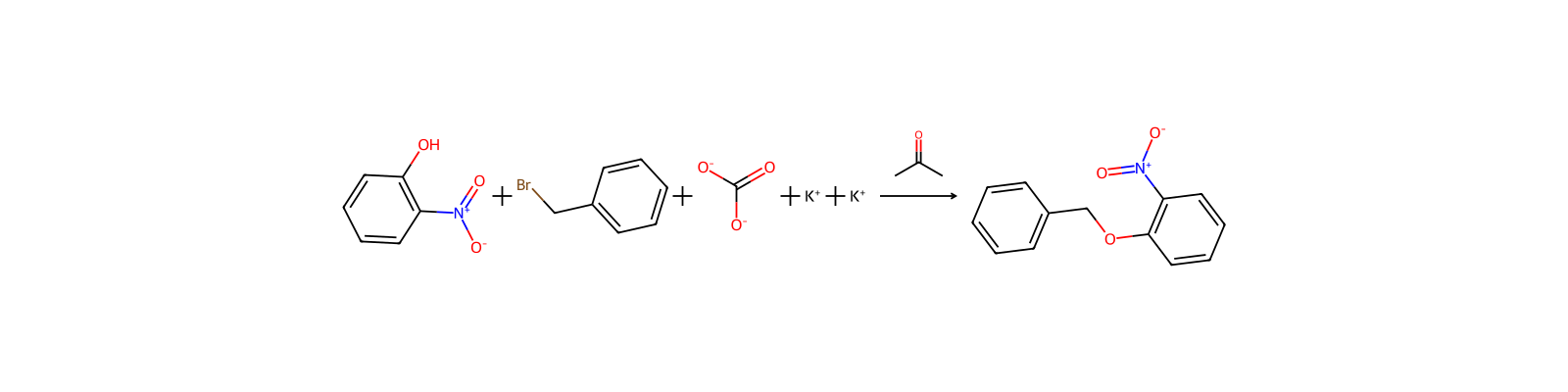
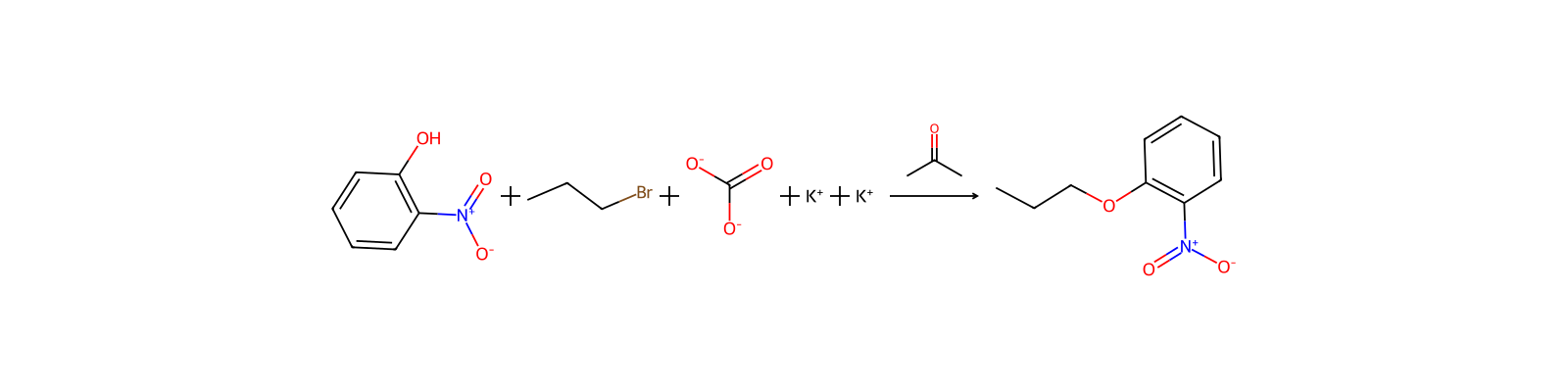
関連反応
281 件




関連ノート
読み込み中…