
ジフェニルシラン
Diphenylsilane
データを補完しています。しばらくしてからページを更新すると最新の内容を表示できます
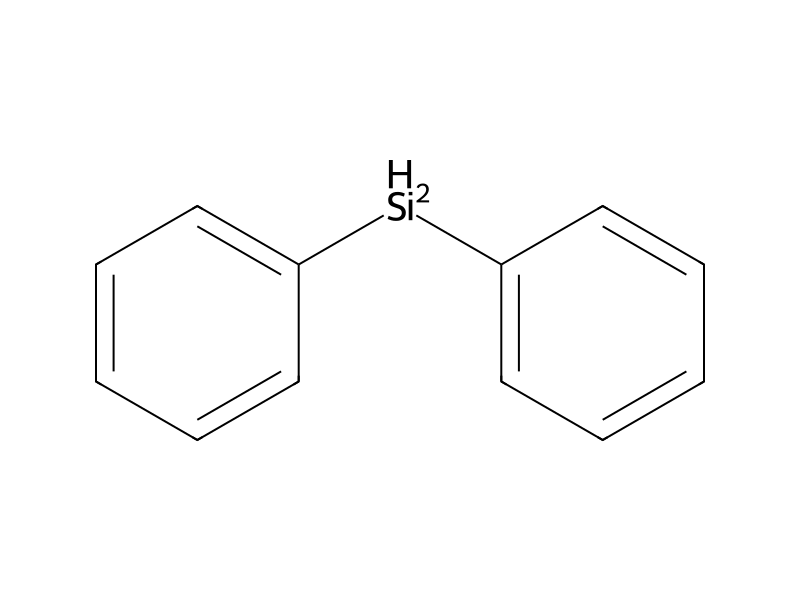
基本情報
- CAS
775-12-2- 標準SMILES
c1ccc([SiH2]c2ccccc2)cc1- InChIKey
VDCSGNNYCFPWFK-UHFFFAOYSA-N- 分子式
- C12H12Si
- 平均分子量
- 184.31 g/mol
- 単同位体質量
- 184.07082691
名称と識別子
- 優先名称
- Diphenylsilane
- IUPAC
- diphenylsilane
- 現地名
- ジフェニルシラン
- 英語名
- Diphenylsilane
- 分子式
- C12H12Si
- 分子量
- 184.31
名称と別名
DTXSID10883568TSL-8224RefChem:588946DTXCID401020687212-271-4775-12-2Benzene, 1,1'-silylenebis-DiphenylsilaneJT2G9H7LNZNSC-33013Silane, diphenyl-diphenyl-silane
名称をさらに表示
ジフェニルシランジフェニルシラン, min. 97%DK904TSL8224diphenyl-silaniphenylsiliconSilane,diphenyl-Diphenylsilane>Diphenylsilane,99%Diphenylsilane,97%Diphenylsilane,min.97%
Ph2SiH2C12H12SiSCHEMBL52125SCHEMBL367162SCHEMBL5056757TD8070AM20041161FT-0625285
データベース識別子
- CAS
775-12-2- PubChem CID
- 69888
- DTXSID
DTXSID10883568- EC Number
- 212-271-4
物性
構造計算による物性補完中
- 極性表面積
- 0 Ų
- 水素結合供与体数
- 0
- 水素結合受容体数
- 0
- 回転可能結合数
- 2
- 重原子数
- 13
- 形式電荷
- 0
- 複雑度
- 116
実験および物理化学的性質
Chemical ClassesMetals -> Metalloid Compounds (Silicon)
SpringerMaterials Properties13C nuclear magnetic resonance spectrum
Physical DescriptionColorless liquid; [Alfa Aesar MSDS]
物理化学的性質
- 融点
- 20 °C · <20°C
- 沸点
- 95 · 95-97 °C/13 mmHg (lit.)
- 比重(密度)
- 0.993 g/mL · 0.993 g/mL at 25 °C (lit.)
- 屈折率
- 20 · n20/D 1.579(lit.)
- 闪点
- 209 °F · 209 °F
- 貯蔵温度
- 2 · Inert atmosphere,2-8°C
- 外見
- 液体
- 比重
- 1 · 1
- 色
- 無色
- 水溶解度
- 水で分解します。
- BRN
- 2935887 · 2935887
- InChI
- 1S/C12H12Si/c1-3-7-11(8-4-1)13-12-9-5-2-6-10-12/h1-10H,13H2
- InChIKey
- VDCSGNNYCFPWFK-UHFFFAOYSA-N
- SMILES
- [SiH2](c1ccccc1)c2ccccc2
安全と法規制
安全情報は参考情報です。供給元の安全データシート(SDS)、適用法令、専門家による評価に代わるものではありません。
GHS分類
GHS Classification
Warning
H315 (100%): Causes skin irritation [Warning Skin corrosion/irritation]
P264, P264+P265, P280, P302+P352, P305+P351+P338, P321, P332+P317, P337+P317, and P362+P364 (click each P-code to see the statement)
Aggregated GHS information provided per 47 reports by companies from 5 notifications to the ECHA C&L Inventory. Each notification may be associated with multiple companies.
危険有害性情報
Regulatory InformationDiphenylsilane: Does not have an individual approval but may be used under an appropriate group standard
Hazards SummaryDecomposed by water; A skin and strong eye irritant; [Alfa Aesar MSDS] See Diethylsilane.
Hazard Classes and CategoriesSkin Irrit. 2 (100%)
安全データ
- F
- 10-21
- wgk
- 1
- tsca
- TSCA listed
- hs_code
- 29310095
- risk_code
- 38-36/37/38
- 消防法
- 危-4-3-III
- hazard_code
- Xi
- safety_code
- 37/39-26
- ストレージクラス
- 10 - Combustible liquids
化学と産業
用途と製造
General Manufacturing InformationBenzene, 1,1'-silylenebis-: ACTIVE
応用分野
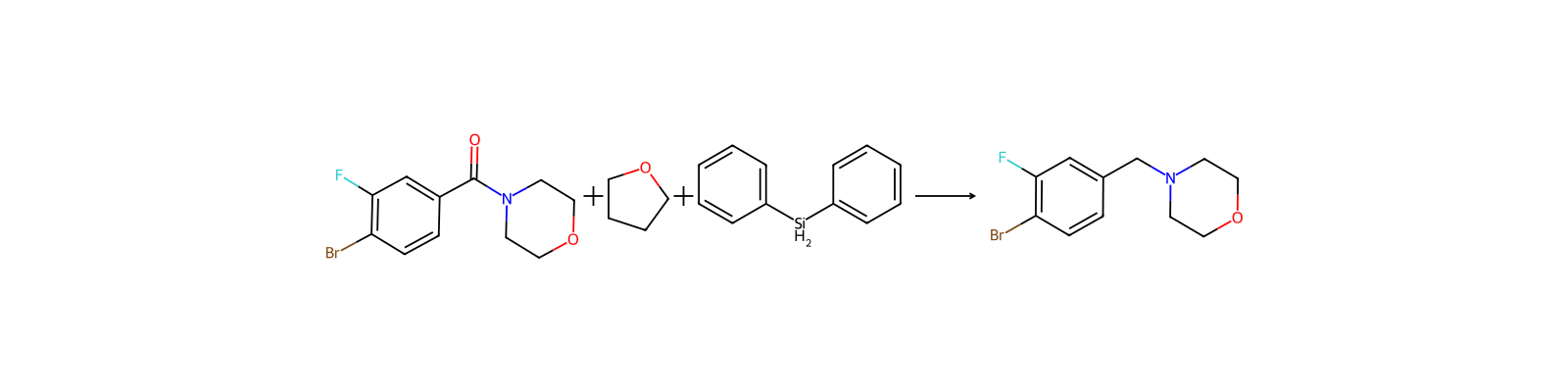
使用Thiocarbonyl derivatives of secondary alcohols are readily reduced by diphenylsilane in a radical chain process at room temperature using triethylborane-air as an initiator. An improved radical chain procedure for the deoxygenation of secondary and primary alcohols using diphenylsilane as hydrogen atom donor and triethylborane-air as initiator. Diphenylsilane is a reagent in the invention of radical reactions for deoxygenation of alcohols via their thiocarbonyl derivatives, deamination via isonitriles, and dehalogenation of bromo- and iodo- compounds by radical chain chemistry. Fluorescent film sensor for vapor-phase nitroaromatic explosives via monolayer assembly of oligo(diphenylsilane) on glass plate surfaces. Reductions of carboxylic acid derivatives by silanes in the presence of rhodium complexes were studied. Carboxylic esters were reduced to alcohols by diphenylsilane catalyzed by [RhCl (cod)] 2/4PPh 3 or [RhCl (PPh 3) 3] at room temperature in up to 99% yields. Sequential C- Si bond formations from diphenylsilane and its application to silanediol peptide isostere precursors.
調製方法
純化方法Dissolve it in Et2O, mix slowly with ice-cold 10% AcOH. The Et2O layer is then shaken with H2O until the washings are neutral to litmus. Dry over Na2SO4, evaporate the Et2O and distil the residual oil under reduced pressure using a Claisen flask with the take-off head modified into a short column. Ph2SiH2 boils at 257o/760mm, but it cannot be distilled at this temperature because exposure to air leads to flashing, decomposition and formation of silica. It is a colourless, odourless oil, miscible with organic solvents but not H2O. A possible impurity is Ph3SiH which has m 43-45o and would be found in the residue. [West & Rochow J Org Chem 18 303 1953, Benkhesser et al. J Am Chem Soc 74 648 1952, Gilman & Zuech J Am Chem Soc 81 5925 1959, Beilstein 16 IV 1366.]
上流・下流製品情報
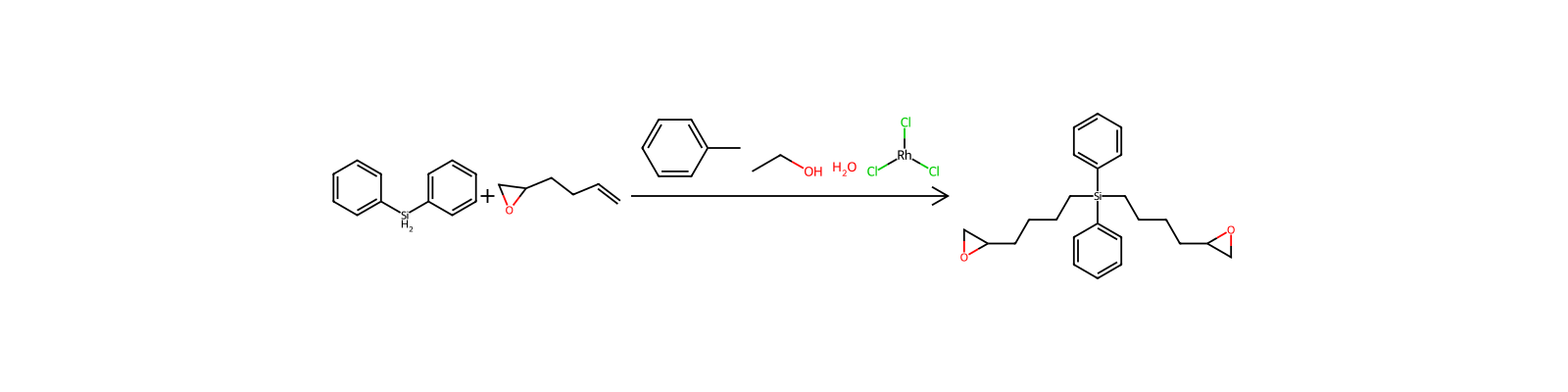
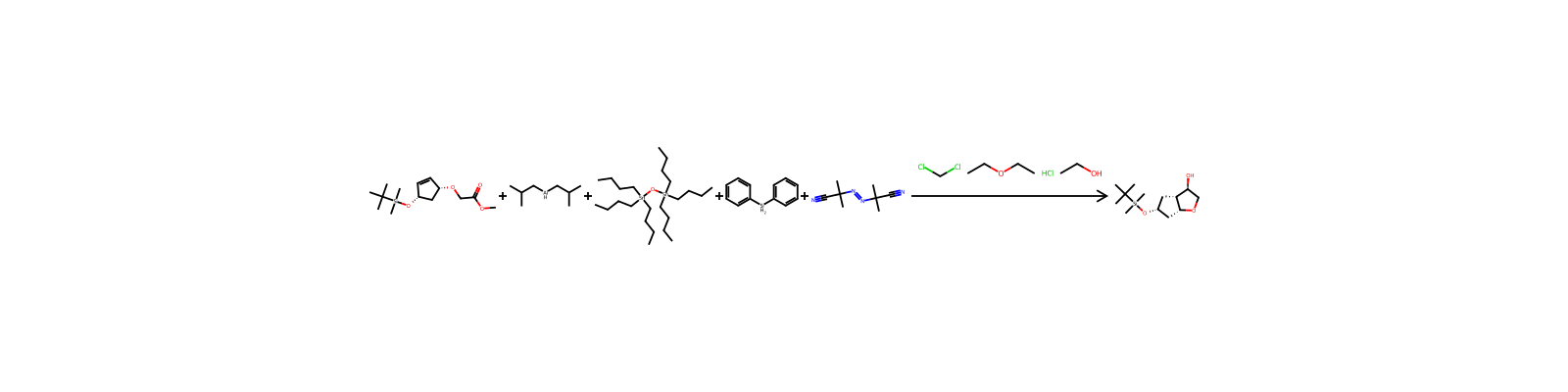
関連反応
24 件




化合物ノート
読み込み中…