
3-メチル-9H-プリン-2,6(1H,3H)-ジオン
3-Methylxanthine

基本情報
- CAS
1076-22-8- 標準SMILES
Cn1c(=O)[nH]c(=O)c2[nH]cnc21- InChIKey
GMSNIKWWOQHZGF-UHFFFAOYSA-N- 分子式
- C6H6N4O2
- 平均分子量
- 166.14 g/mol
- 単同位体質量
- 166.04907543
概要
3-methyl-9H-xanthine is a 3-methylxanthine tautomer where the imidazole proton is located at the 9-position. It has a role as a metabolite. It is a tautomer of a 3-methyl-7H-xanthine.
名称と識別子
- 優先名称
- 3-Methylxanthine
- IUPAC
- 3-methyl-7H-purine-2,6-dione
- 現地名
- 3-メチル-9H-プリン-2,6(1H,3H)-ジオン
- 英語名
- 3-Methylxanthine
- 分子式
- C6H6N4O2
- 分子量
- 166.14
名称と別名
3-Methylxanthine1076-22-83-methyl-7H-purine-2,6-dione3-methyl-3,7-dihydro-1H-purine-2,6-dione3-methyl-2,3,6,7-tetrahydro-1H-purine-2,6-dioneWS6X982OECDTXSID90148107NSC-515466RefChem:94981DTXCID8070598CHEBI:62205214-058-1
名称をさらに表示
3-メチルキサンチン3-メチル-7H-プリン-2,6(1H,3H)-ジオン3-メチル-9H-プリン-2,6(1H,3H)-ジオン3,7-ジヒドロ-3-メチル-1H-プリン-2,6-ジオン3-メチル-3,7-ジヒドロ-1H-プリン-2,6-ジオン3-メチル-2,3,6,7-テトラヒドロ-1H-プリン-2,6-ジオン3-MethylxantineLinaint-EAKOS NCG-00583-Methy-xanthine3-methyl-xanthinZotepine Impurity63-Methylxanthine>3-methyl-7H-xanthine
2,6-Dihydroxy-3-methylpurine3-Methyl-1H-purine-2,6(3H,7H)-dione3 MXXanthine, 3-methyl-3-METHYL XANTHINE1H-Purine-2,6-dione, 3,7-dihydro-3-methyl-MFCD000055803,7-Dihydro-3-methyl-1H-purine-2,6-dione
データベース識別子
- CAS
1076-22-8- PubChem CID
- 70639
- DTXSID
DTXSID90148107- ChEMBL
CHEMBL619- ChEBI
CHEBI:62207- UNII
- WS6X982OEC
- EC Number
- 214-058-1
- Nikkaji
- J3.360J、J492.513K
物性
構造計算による物性
- XLogP
- -0.7
- 極性表面積
- 78.1 Ų
- 水素結合供与体数
- 2
- 水素結合受容体数
- 3
- 回転可能結合数
- 0
- 重原子数
- 12
- 形式電荷
- 0
- 複雑度
- 242
実験および物理化学的性質
DrugsPharmaceuticals -> Metabolite of Caffeine, Theophylline
LogP
-0.50
-0.72
Melting Point> 300 °C
Physical DescriptionSolid
Collision Cross Section
127.59 Ų [M+H]+ [CCS Type: TW; Method: calibrated with polyalanine and drug standards]
124.48 Ų [M-H]- [CCS Type: DT; Method: single field calibrated with Agilent tune mix (Agilent)]
127.9 Ų [M+H]+ [CCS Type: TW; Method: calibrated with polyalanine and drug standards]
物理化学的性質
- 融点
- 300 °C · >300 °C (lit.)
- 沸点
- 294.33 °C · 294.33°C (rough estimate)
- 比重(密度)
- 1.4434 · 1.4434 (rough estimate)
- 屈折率
- 1.67 · 1.6700 (estimate)
- 貯蔵温度
- 2 · 2-8°C
- 溶解性
- DMSO(微量、加熱)、メタノール(微量)
- 外見
- 個体
- 酸解離定数(Pka)
- 1 · pK1:8.10;pK2:11.3 (25°C)
安全と法規制
安全情報は参考情報です。供給元の安全データシート(SDS)、適用法令、専門家による評価に代わるものではありません。
GHS分類
GHS Classification
Warning
H302 (98.1%): Harmful if swallowed [Warning Acute toxicity, oral]
P264, P270, P301+P317, P330, and P501 (click each P-code to see the statement)
Aggregated GHS information provided per 53 reports by companies from 4 notifications to the ECHA C&L Inventory.
危険有害性情報
Regulatory InformationStatus: Active Update: 20-05-2016 https://echa.europa.eu/registration-dossier/-/registered-dossier/17492
Hazard Classes and CategoriesAcute Tox. 4 (98.1%)
安全データ
- wgk
- 1
- rtecs
- ZD8750000
- 毒性
- LD50 intraperitoneal in mouse: 894mg/kg
- hs_code
- 29335990
- risk_code
- 22-26/27/28
- hazard_code
- Xn,T+
- safety_code
- 22-24/25
- ストレージクラス
- 11 - Combustible Solids
化学と産業
薬理情報
Metabolism/Metabolites3-Methylxanthine is a known human metabolite of theobromine and theophylline.
Tissue LocationsKidney
Cellular LocationsCytoplasm
応用分野
用途有機合成原料。
説明3-Methylxanthine is one of the metabolites of theophylline. After oral intake, approximately 36% is excreted in the urine as 3-methylxanthine, 40% as 1,3-dimethyluric acid and 17% as 1-methyluric acid. 3-methylxanthine (3MX) has been assessed as an adenosine antagonist and produces the same maximal relaxation of guinea pig tracheal muscle as does. 3MX is also used to examine conformational heterogeneity in RNA aptamers and riboswitches[1-2].
使用3-Methylxanthine is a Xanthine derivative with diuretic, cardiac stimulant and smooth muscle relaxant activities; isomeric with theobromine.They can also act as Bronchodilator.
一般的な説明3-Methylxanthine, a metabolite of theophylline, was quantitated in rat plasma by a sensitive LC-MS/MS method.
調製方法
純化方法Crystallise it from water. [Beilstein 26 II 263, 26 III/IV 2329.]
上流・下流製品情報
上流原料
関連反応
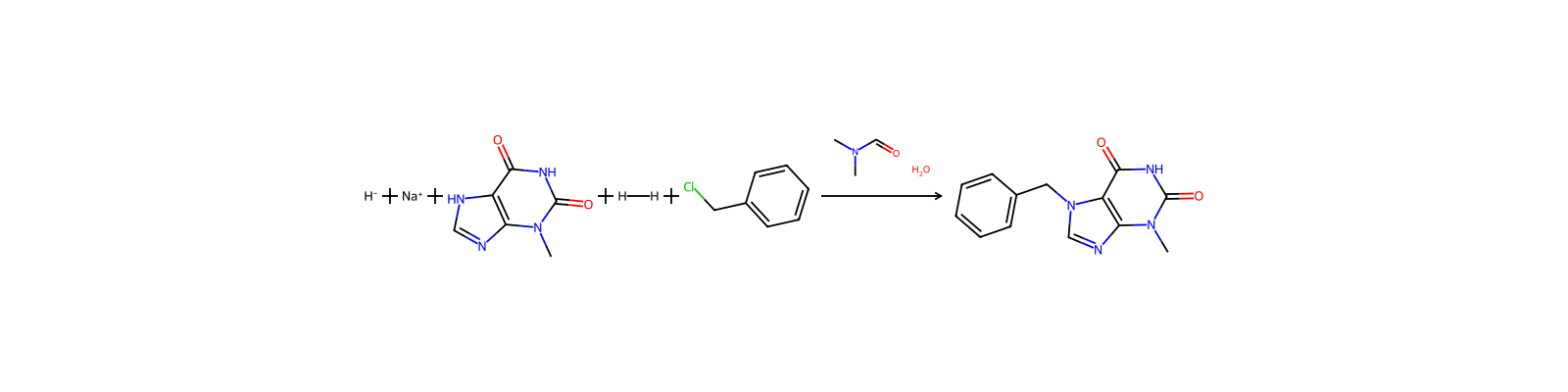
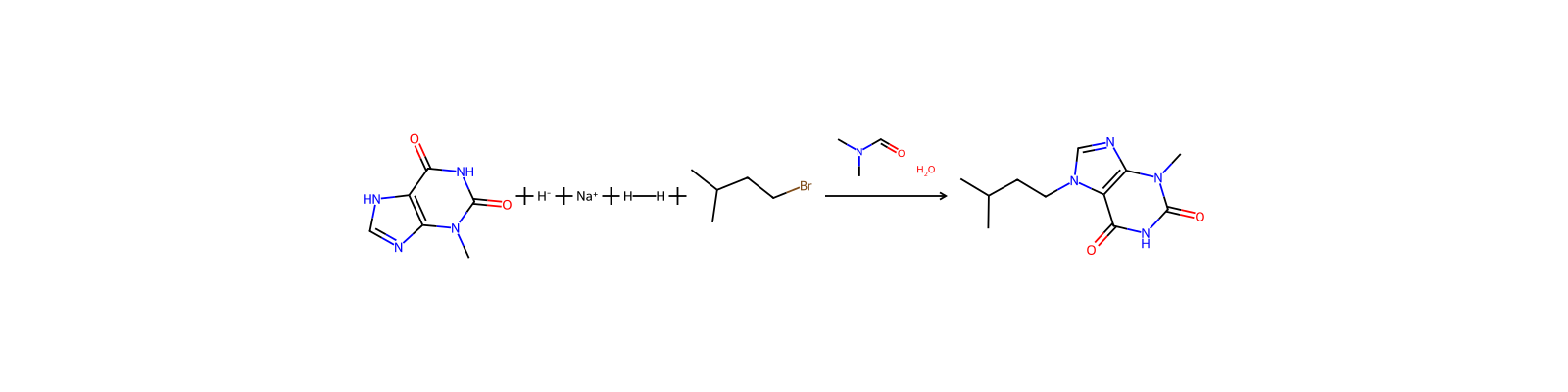
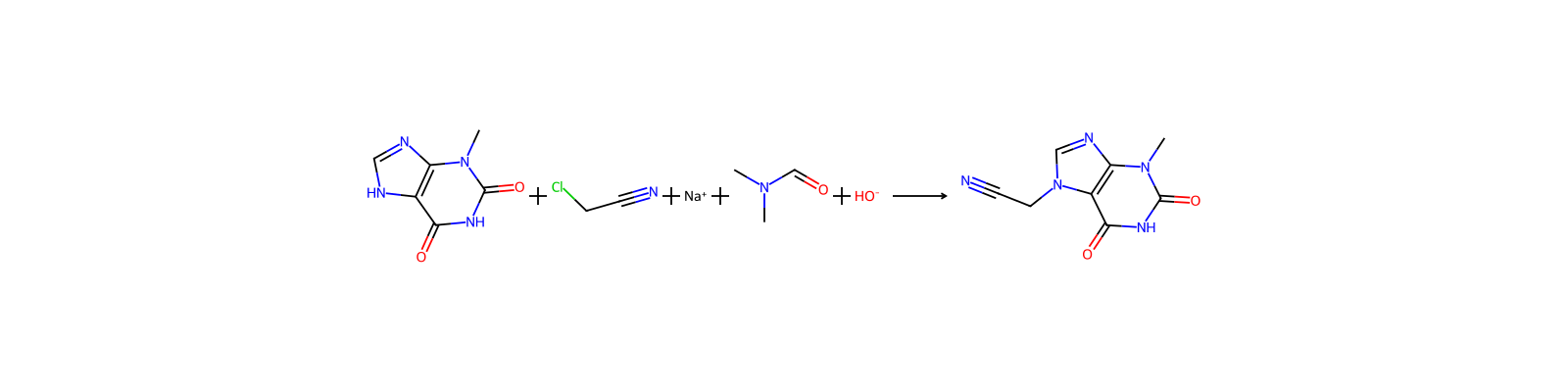
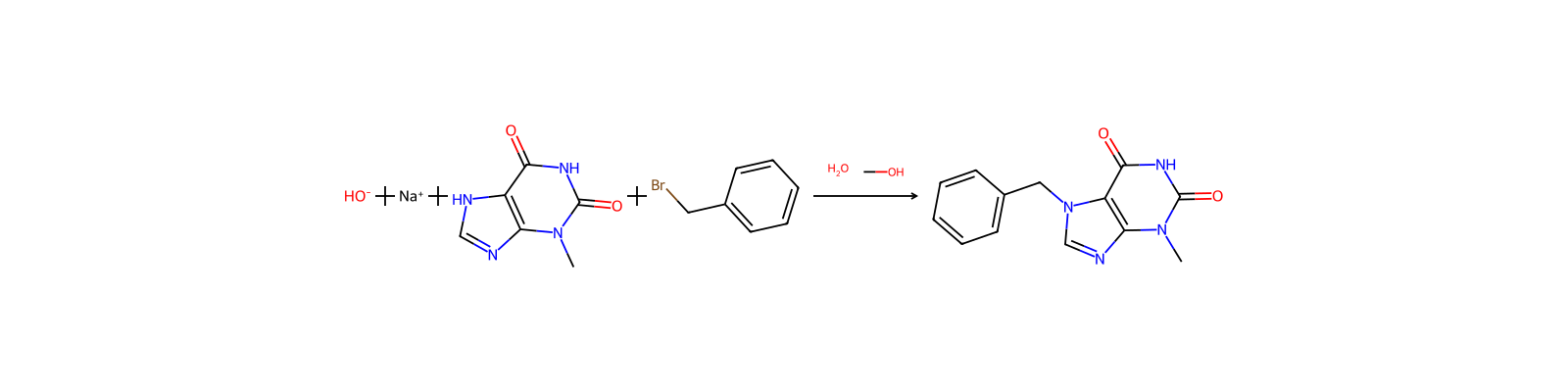
55 件



化合物ノート
読み込み中…