
基本情報
- 標準SMILES
N[C@H](Cc1ccccc1)C(=O)O- InChIKey
COLNVLDHVKWLRT-MRVPVSSYSA-N- 分子式
- C9H11NO2
- 平均分子量
- 165.19 g/mol
- 単同位体質量
- 165.07897859
名称と識別子
- 優先名称
- D-Phenylalanine
- IUPAC
- (2R)-2-amino-3-phenylpropanoic acid
- 現地名
- D-フェニルアラニン
- 英語名
- D-Phenylalanine
- 分子式
- C9H11NO2
- 分子量
- 165.19
名称と別名
D-phenylalanine(2R)-2-amino-3-phenylpropanoic acidSabidenD-PheAlanine, phenyl-, D-D-(+)-PhenylalanineD-alpha-Amino-beta-phenylpropionic acidNCI-C60195CCRIS 6267EINECS 211-603-5UNII-032K16VRCUNSC 25005
名称をさらに表示
D-フェニルアラニン(R)-3-フェニル-2-アミノプロピオン酸(R)-α-アミノベンゼンプロパン酸(R)-2-ベンジルグリシン(R)-2-アミノ-3-フェニルプロピオン酸(+)-D-フェニルアラニン(2R)-2-アミノ-3-フェニルプロピオン酸(+)-フェニルアラニン(R)-2-アミノ-3-フェニルプロパン酸D-フェニルアラニン (R)-(+)-D‐フェニルアラニンD(+)-フェニルアラニンPHENYLALANINEH-D-PHE-OHD-Phe-OHEndorphenylD-PhenylalaninD(+)-PHENYLALANINE(R)-2-amino-3-phenylpropanoic acid
(R)-PHENYLALANINEPHENYLALANINE, D-DTXSID4025876CHEBI:16998D-PHENYLALANINE [WHO-DD]D-.beta.-Phenyl-.alpha.-alanineNSC-25005D-phenylalanine zwitterion
データベース識別子
- CAS
673-06-3- PubChem CID
- 71567
- DTXSID
DTXSID4025876- ChEMBL
CHEMBL379630- ChEBI
CHEBI:16998- UNII
- 032K16VRCU
- EC Number
- 211-603-5
- Nikkaji
- J9.200B
物性
構造計算による物性
- XLogP
- -1.5
- 極性表面積
- 63.3 Ų
- 水素結合供与体数
- 2
- 水素結合受容体数
- 3
- 回転可能結合数
- 3
- 重原子数
- 12
- 形式電荷
- 0
- 複雑度
- 153
実験および物理化学的性質
Solubility
Soluble (NTP, 1992)
28200
Boiling Point563 °F at 760 mmHg (Sublimes) (NTP, 1992)
Melting Point541 to 543 °F (Decomposes) (NTP, 1992)
Physical DescriptionD-phenylalanine appears as needles or prisms. (NTP, 1992)
Collision Cross Section
136.75 Ų [M+Na]+ [CCS Type: TW; Method: calibrated with polyalanine and drug standards];134.07 Ų [M+H]+ [CCS Type: TW; Method: calibrated with polyalanine and drug standards];138.83 Ų [M+K]+ [CCS Type: TW; Method: calibrated with polyalanine and drug standards]
物理化学的性質
- 融点
- 273 · 273-276 °C(lit.)
- 比旋光度
- 33.5 · 33.5 º (c=2, H2O)
- 沸点
- 293.03 °C · 293.03°C (rough estimate)
- 比重(密度)
- 1.1603 · 1.1603 (rough estimate)
- 屈折率
- 34 ° · 34 ° (C=2, H2O)
- 貯蔵温度
- Store at RT.
- 溶解性
- メタノール(微量)、水(微量)
- 外見
- 粉
- 酸解離定数(Pka)
- 2.2 · 2.2(at 25℃)
- 色
- ホワイトからオフホワイト
- 水溶解度
- 27 g/L · 27g/L(20℃)
- Merck
- 14 · 14,7271
- BRN
- 2804068 · 2804068
- 安定性
- 安定。強力な酸化剤、酸、塩基とは相容れない。
- 主な用途
- 細胞分析
- InChI
- 1S/C9H11NO2/c10-8(9(11)12)6-7-4-2-1-3-5-7/h1-5,8H,6,10H2,(H,11,12)/t8-/m1/s1
- InChIKey
- COLNVLDHVKWLRT-MRVPVSSYSA-N
- SMILES
- N[C@H](Cc1ccccc1)C(O)=O
- LogP
- 0.235 · 0.235 (est)
- CAS データベース
- 673 · 673-06-3(CAS DataBase Reference)
- EPAの化学物質情報
- D-Phenylalanine (673-06-3)
化学的性質
化学的特性White crystalline powder
安全と法規制
GHS分類
GHS Classification
This chemical does not meet GHS hazard criteria for 80% (12 of 15) of all reports.
Warning
H315 (13.3%): Causes skin irritation [Warning Skin corrosion/irritation];H319 (13.3%): Causes serious eye irritation [Warning Serious eye damage/eye irritation];H335 (13.3%): May cause respiratory irritation [Warning Specific target organ toxicity, single exposure; Respiratory tract irritation]
P261, P264, P264+P265, P271, P280, P302+P352, P304+P340, P305+P351+P338, P319, P321, P332+P317, P337+P317, P362+P364, P403+P233, P405, and P501 (click each P-code to see the statement)
Aggregated GHS information provided per 15 reports by companies from 4 notifications to the ECHA C&L Inventory. Each notification may be associated with multiple companies.;Reported as not meeting GHS hazard criteria per 12 of 15 reports by companies.;There are 3 notifications provided by 3 of 15 reports by companies with hazard statement code(s).;Information may vary between notifications depending on impurities, additives, and other factors. The percentage value in parenthesis indicates the notified classification ratio from companies that provide hazard codes. Only hazard codes with percentage values above 10% are shown. For more detailed information, please visit ECHA C&L website.
危険有害性情報
Regulatory Information
Status: Active Update: 17-07-2019 https://echa.europa.eu/registration-dossier/-/registered-dossier/22600
D-Phenylalanine: Does not have an individual approval but may be used as a component in a product covered by a group standard. It is not approved for use as a chemical in its own right.
Fire HazardsFlash point data for this chemical are not available, however it is probably combustible. (NTP, 1992)
Health HazardsSYMPTOMS: This compound may cause irritation.;ACUTE/CHRONIC HAZARDS: When heated to decomposition this compound emits toxic fumes of carbon monoxide, carbon dioxide and NOx. (NTP, 1992)
Reactive GroupSalts, Acidic
Reactivity ProfileD-PHENYLALANINE may be light sensitive. This compound reacts with strong oxidizing agents, acids and bases. (NTP, 1992). It acts as a weak acid in solution.
Air and Water ReactionsWater soluble. Aqueous solutions are weakly acidic.
Hazard Classes and CategoriesSkin Irrit. 2 (13.3%);Eye Irrit. 2A (13.3%);STOT SE 3 (13.3%)
安全と保護具
Fire FightingFires involving this compound can be controlled with a dry chemical, carbon dioxide or Halon extinguisher. (NTP, 1992)
First Aid
EYES: First check the victim for contact lenses and remove if present. Flush victim's eyes with water or normal saline solution for 20 to 30 minutes while simultaneously calling a hospital or poison control center. Do not put any ointments, oils, or medication in the victim's eyes without specific instructions from a physician. IMMEDIATELY transport the victim after flushing eyes to a hospital even if no symptoms (such as redness or irritation) develop.;SKIN: IMMEDIATELY flood affected skin with water while removing and isolating all contaminated clothing. Gently wash all affected skin areas thoroughly with soap and water. If symptoms such as redness or irritation develop, IMMEDIATELY call a physician and be prepared to transport the victim to a hospital for treatment.;INHALATION: IMMEDIATELY leave the contaminated area; take deep breaths of fresh air. If symptoms (such as wheezing, coughing, shortness of breath, or burning in the mouth, throat, or chest) develop, call a physician and be prepared to transport the victim to a hospital. Provide proper respiratory protection to rescuers entering an unknown atmosphere. Whenever possible, Self-Contained Breathing Apparatus (SCBA) should be used; if not available, use a level of protection greater than or equal to that advised under Protective Clothing.;INGESTION: DO NOT INDUCE VOMITING. If the victim is conscious and not convulsing, give 1 or 2 glasses of water to dilute the chemical and IMMEDIATELY call a hospital or poison control center. Be prepared to transport the victim to a hospital if advised by a physician. If the victim is convulsing or unconscious, do not give anything by mouth, ensure that the victim's airway is open and lay the victim on his/her side with the head lower than the body. DO NOT INDUCE VOMITING. IMMEDIATELY transport the victim to a hospital. (NTP, 1992)
Nonfire Spill Response
SMALL SPILLS AND LEAKAGE: If you spill this chemical, you should dampen the solid spill material with water, then transfer the dampened material to a suitable container. Use absorbent paper dampened with water to pick up any remaining material. Seal your contaminated clothing and the absorbent paper in a vapor-tight plastic bag for eventual disposal. Wash all contaminated surfaces with a soap and water solution. Do not reenter the contaminated area until the Safety Officer (or other responsible person) has verified that the area has been properly cleaned.;STORAGE PRECAUTIONS: You should protect this material from exposure to light, and store it in a refrigerator. (NTP, 1992)
Personal Protective Equipment (PPE)
RECOMMENDED RESPIRATOR: Where the neat test chemical is weighed and diluted, wear a NIOSH-approved half face respirator equipped with an organic vapor/acid gas cartridge (specific for organic vapors, HCl, acid gas and SO2) with a dust/mist filter.;RECOMMENDED GLOVE MATERIALS: Permeation data indicate that latex gloves may provide protection from contact with this compound. Latex over latex gloves is recommended. However, if this chemical makes direct contact with your gloves, or if a tear, hole or puncture develops, remove them at once. (NTP, 1992)
法規制情報
Regulatory Information
Status: Active Update: 17-07-2019 https://echa.europa.eu/registration-dossier/-/registered-dossier/22600
D-Phenylalanine: Does not have an individual approval but may be used as a component in a product covered by a group standard. It is not approved for use as a chemical in its own right.
安全データ
- wgk
- 3
- tsca
- TSCA listed
- rtecs
- AY7533000
- 毒性
- TDLo orl-hmn: 500 mg/kg/5W-I:GIT JACTDZ 1(3),124,82
- hs_code
- 29224995
- risk_code
- 34
- 化審法
- (9)-1282 届出不要化学物質
- hazard_code
- Xi,C
- hazard_note
- Irritant
- safety_code
- 24/25-45-36/37/39-27-26
- ストレージクラス
- 11 - Combustible Solids
化学と産業
用途と製造
General Manufacturing InformationD-Phenylalanine: ACTIVE
応用分野
用途アミノ酸研究、ペプチド原料あるいは医・農薬の不斉骨格源。
説明D-Phenylalanine, also known as D-alpha-Amino-beta-phenylpropionic acid, is a kind of non-proteinogenic amino acid. The biological function of D-phenylalanine remains unclear. However, it has certain anti-depressant, analgesic activities and pharmacological activity at niacin receptor II. The mechanism action of its analgesic activity seems to originate from its inhibition of enkephalin degradation by the carboxypeptidase A. Enkephalins are part of your body’s natural pain relief system. When they are broken down by enkephalinase, this contributes to the sensation of pain. D-Phenylalanine is specifically thought to be beneficial for reducing feelings of chronic pain. D-phenylalanine has been used with mixed results to treat chronic pain, including pain caused by rheumatoid arthritis. The primary use of D-phenylalanine as a health supplement is the relief of discomfort.
使用D-Phenylalanine, the stereoisomer of L-Phenylalanine (P319415) has been used in the synthesis of Schaeffer’s acid analogues as important structures in tuberculostatic design. They exhibit the ability to inhibit Mycobacterium tuberculosis type II dehydroquinase.
一般的な説明D-phenylalanine appears as needles or prisms.
上流・下流製品情報
上流原料
下流製品
サプライヤー50 社
国药集团化学试剂有限公司86-21-63210123 · [email protected]
北京华美互利生物化工010-56205725 · [email protected]
梯希爱(上海)化成工业发展有限公司021-67121386 · [email protected]
上海阿拉丁生化科技股份有限公司400-6206333 13167063860 · [email protected]
黄冈森阳化工有限公司0713-8205211 17671088222 · [email protected]
INTATRADE GmbH+49 3493/605464 · [email protected]
T&W GROUP021-61551611 13296011611 · [email protected]
上海如吉生物科技发展有限公司+86-21-65211385-8001 36031160 · [email protected]
韶远科技(上海)有限公司021-50795510 4000665055 · [email protected]
科瑞迪化学400-821-5857 021-64326257 · [email protected]
Syntechem Co.,Ltd[email protected]
上海迈瑞尔生化科技有限公司4006356688 18621169109 · [email protected]
宁波亿诺化学品有限公司86-574-27787657 · [email protected]
阿法埃莎(中国)化学有限公司400-6106006 · [email protected]
太原市瑞和丰科贸有限公司+86 351 7031519 · [email protected]
上海德默医药科技有限公司400-021-7337 2355568890 · [email protected]
安耐吉化学&3A(安徽泽升科技股份有限公司)400-0056266 · [email protected]
上海瀚鸿科技股份有限公司021-54306202 13764082696 · [email protected]
南京欣丰康生物科技有限公司025-84683399 13952017251 · [email protected]
上海星酶生物科技有限公司18112588827
上海景颜化工科技有限公司13817811078 · [email protected]
嘉兴市艾森化工有限公司0573-85285100 18627885956 · [email protected]
Pure Chemistry Scientific Inc.001-857-928-2050 or 1-888-588-9418 · [email protected]
上海泰坦科技股份有限公司400-6009262 15618770481 · [email protected]
上海隆盛化工有限公司58099637 13585536065 · [email protected]
张家港市思普生化有限公司512-0512-58992291,58992287 18606280718 · [email protected]
成都福尔斯特医药技术有限公司028-87078428 028-87074958 · [email protected]
武汉丰泰威远科技有限公司027-87465837 19945049750 · [email protected]
上海微巨实业有限公司021-34628682 18918069061 · [email protected]
BOC Sciences1-631-485-4226; 16314854226 · [email protected]
山东西亚化学有限公司13355009207 13355009207 · [email protected]
南京红杉生物科技有限公司158-05183379 15805183379 · [email protected]
玛雅试剂+86 (573) 82222445 (0)18006601000 452520369 · [email protected]
四川库利南科技有限公司400-1166-196 18981987031 · [email protected]
天津希恩思生化科技有限公司400 638 7771 · [email protected]
湖南汇百侍生物科技有限公司0731-85526065 13308475853 · [email protected]
河南多贝化工有限公司0370-2785118 17550508557 · [email protected]
斯百全化学(上海)有限公司021-021-021-67601398-809-809-809 15221380277 · [email protected]
上海源叶生物科技有限公司13636370518 · [email protected]
艾科试剂4008-755-333 18080918076 · [email protected]
上海思域化工科技有限公司86-21-34053660 · [email protected]
赛默飞世尔科技(中国)有限公司800-810-5118 · [email protected]
上海特伯化学科技有限公司+86-21-60341587 · [email protected]
TCI AMERICA800-4238616 · [email protected]
TOKYO CHEMICAL INDUSTRY CO., LTD.03-36680489 · [email protected]
TCI Europe320-37350700 · [email protected]
深圳振强药物研发有限公司0755-66853366 13670046396 · [email protected]
深圳康特腾科技有限公司86-0755-86635001 · [email protected]
越林试剂021-62960152 · [email protected]
上海睿升化工科技有限公司+86-021-50935922
補足説明
定義ChEBI: D-phenylalanine is the D-enantiomer of phenylalanine. It is a phenylalanine and a D-alpha-amino acid. It is a conjugate base of a D-phenylalaninium. It is a conjugate acid of a D-phenylalaninate. It is an enantiomer of a L-phenylalanine. It is a tautomer of a D-phenylalanine zwitterion.
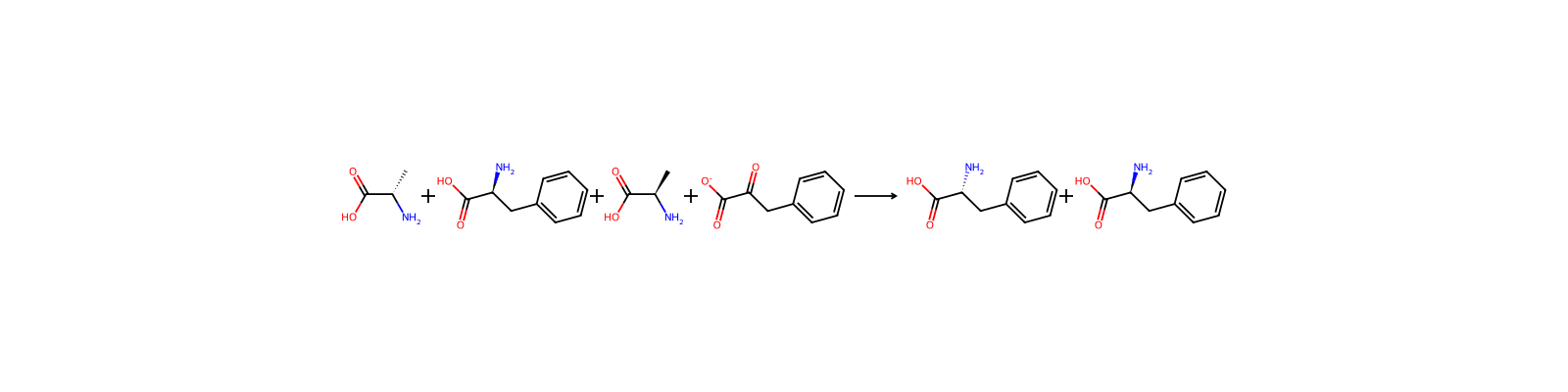
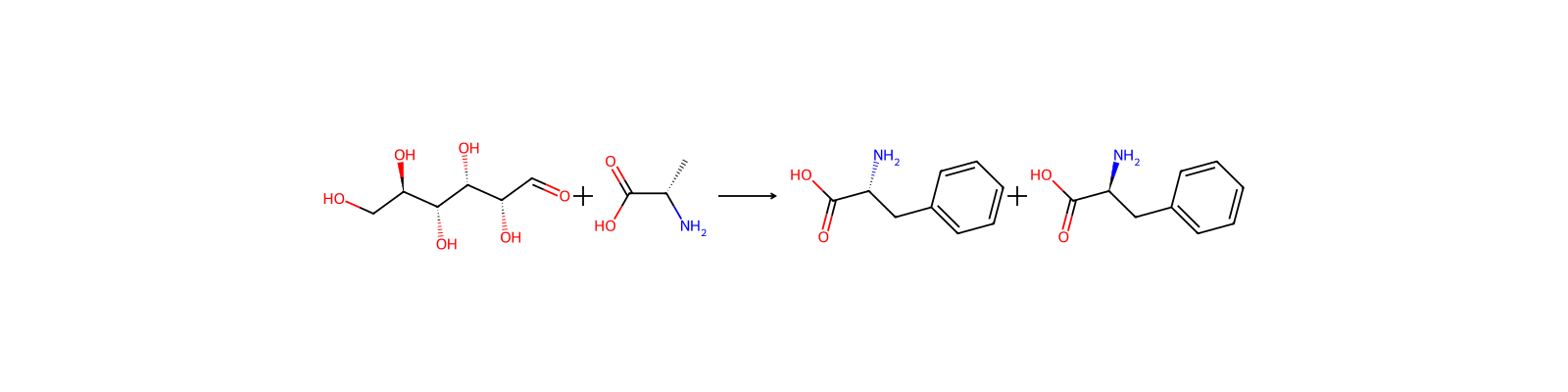
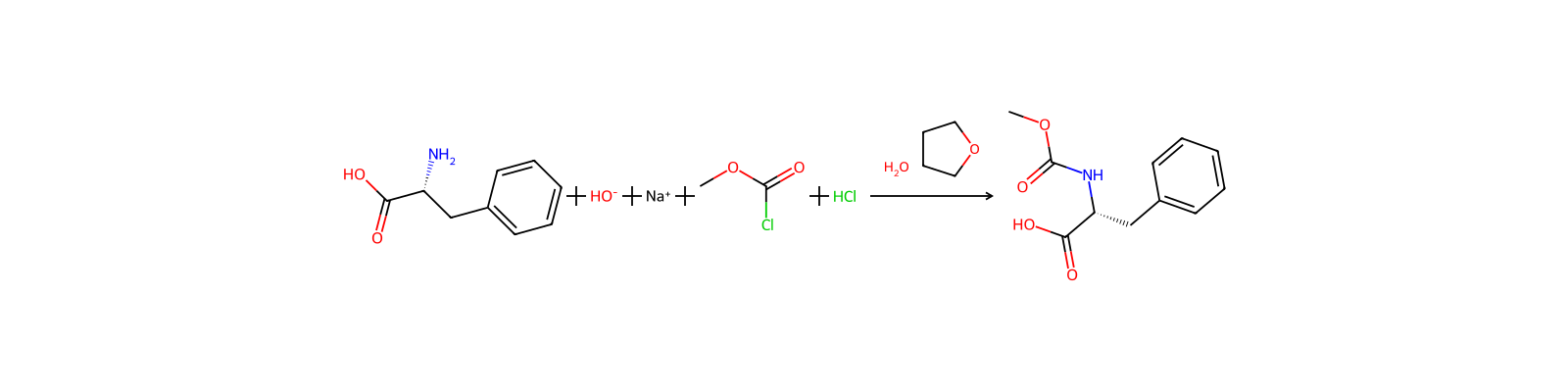
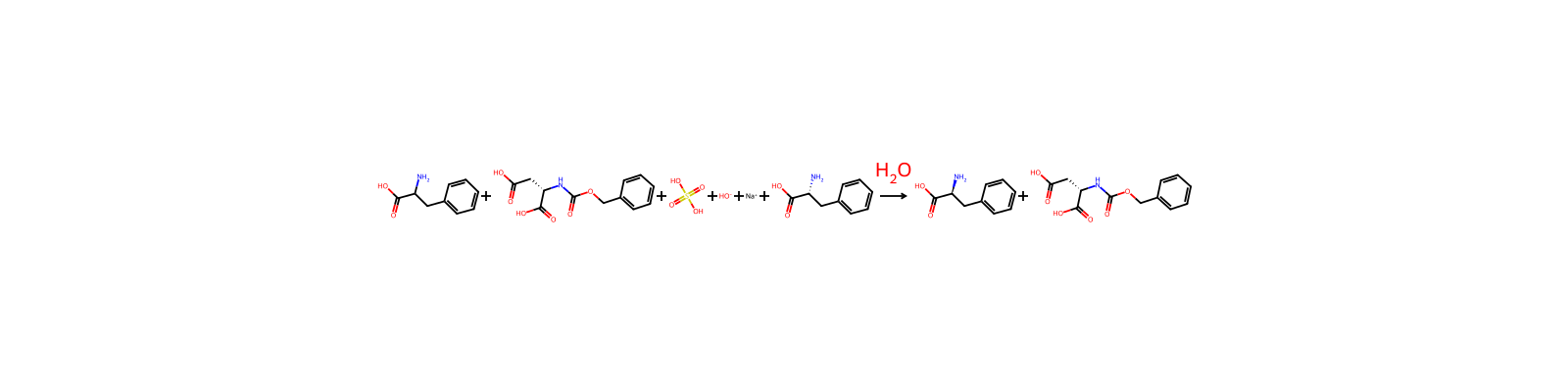
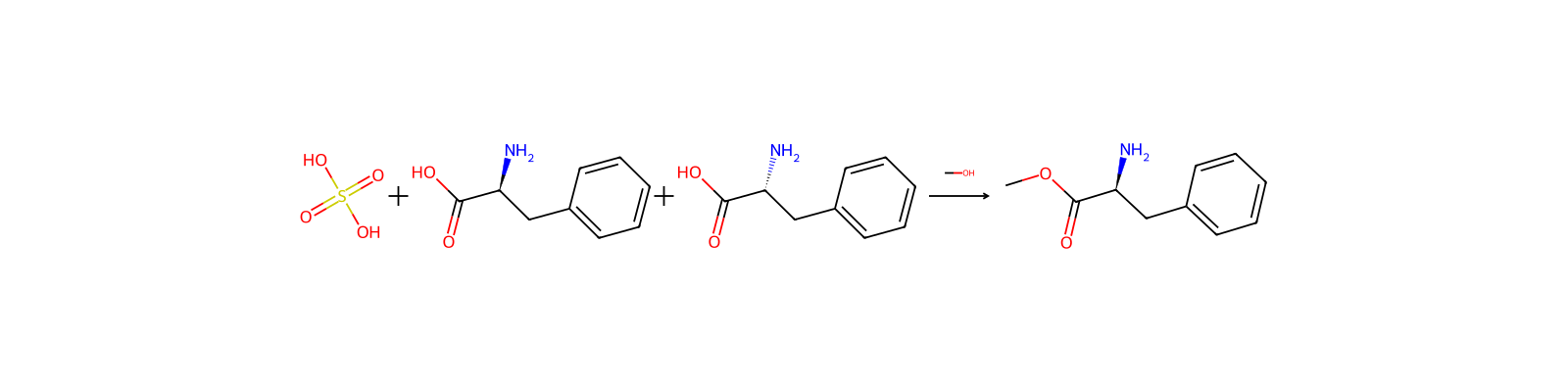
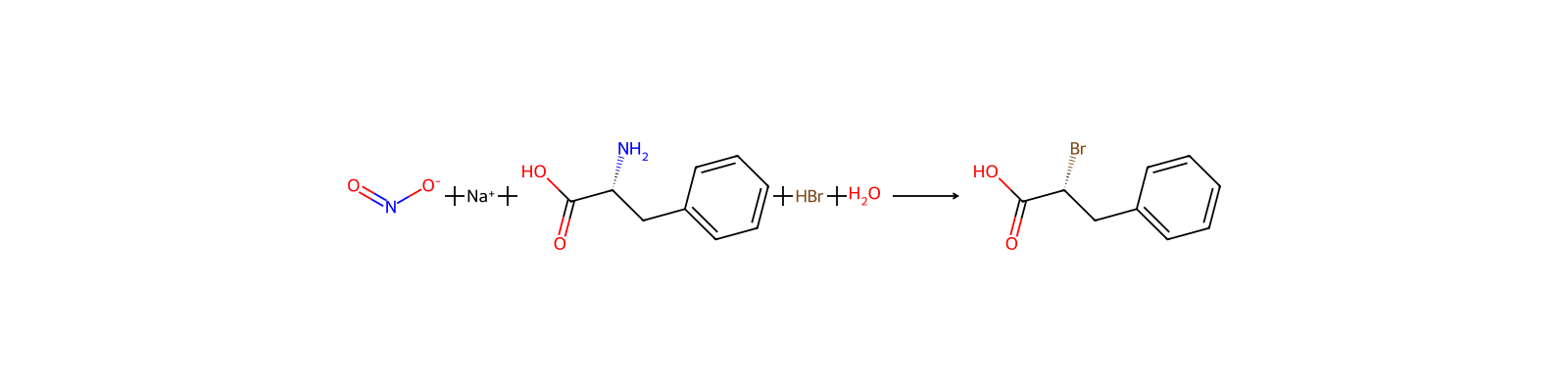
関連反応
110 件


関連ノート
読み込み中…