
2-メチル-4-ニトロアニリン
2-Methyl-4-nitroaniline

基本情報
- CAS
99-52-5- 標準SMILES
Cc1cc([N+](=O)[O-])ccc1N- InChIKey
XTTIQGSLJBWVIV-UHFFFAOYSA-N- 分子式
- C7H8N2O2
- 平均分子量
- 152.15 g/mol
- 単同位体質量
- 152.0585775
概要
2-methyl-4-nitroaniline appears as yellow needles or mustard yellow powder. (NTP, 1992)
名称と識別子
- 優先名称
- 2-Methyl-4-nitroaniline
- IUPAC
- 2-methyl-4-nitroaniline
- 現地名
- 2-メチル-4-ニトロアニリン
- 英語名
- 2-Methyl-4-nitroaniline
- 分子式
- C7H8N2O2
- 分子量
- 152.15
名称と別名
2-Methyl-4-nitroaniline99-52-52-Amino-5-nitrotoluene4-Nitro-o-toluidineBenzenamine, 2-methyl-4-nitro-2-Methyl-4-nitrobenzenamine2-Methyl-4-nitrophenylamine4-NITRO-2-TOLUIDINE4-Nitro-o-toludine2-Methyl-p-nitroaniline3-Methyl-4-aminonitrobenzeneCCRIS 2877
名称をさらに表示
2-メチル-4-ニトロアニリンC.I.アゾイックジアゾコンポーネント34(ベース)ファーストレッドベースRL4-ニトロ-2-メチルアニリン5-ニトロ-2-アミノトルエンダイトーレッドベースRL2-アミノ-5-ニトロトルエンアゾイックDC10アゾイックDC34(ベース)レッドベースNRL4-ニトロ-o-トルイジンカコーレッドRLベースアンシバセスレッドRL4-ニトロ-2-メチルベンゼンアミン2-メチル-4-ニトロベンゼンアミンアゾゲンファーストレッドNRLアゾエンファーストレッドGLベースファーストレッドRLベース2メチル4ニトロアニリン1-アミノ-2-メチル-4-ニトロベンゼンFAST REDPNOTredrlbase2-AMino-5-FAST RED RL BASETemloTempraCI 37100
Azoic diazo component 34, baseDTXSID30256292-Amino-1-methyl-5-nitrobenzeneFFY36EWC4RNSC 2075EINECS 202-762-1BRN 0775772AI3-16312
データベース識別子
- CAS
99-52-5- PubChem CID
- 7441
- DTXSID
DTXSID3025629- ChEMBL
CHEMBL1319213- UNII
- FFY36EWC4R
- EC Number
- 202-762-1
- Nikkaji
- J95.088B
物性
構造計算による物性
- XLogP
- 1.1
- 極性表面積
- 71.8 Ų
- 水素結合供与体数
- 1
- 水素結合受容体数
- 3
- 回転可能結合数
- 0
- 重原子数
- 11
- 形式電荷
- 0
- 複雑度
- 155
実験および物理化学的性質
SpringerMaterials PropertiesDensity
Density1.1586 at 284 °F (NTP, 1992) - Denser than water; will sink
Solubilityless than 1 mg/mL at 72 °F (NTP, 1992)
Melting Point268 to 271 °F (NTP, 1992)
Physical Description2-methyl-4-nitroaniline appears as yellow needles or mustard yellow powder. (NTP, 1992)
物理化学的性質
- 融点
- 130 · 130-132 °C(lit.)
- 沸点
- 294.61 °C · 294.61°C (rough estimate)
- 比重(密度)
- 1.1586 · 1.1586
- 蒸気圧
- 20.4 hPa · 20.4hPa at 133.5℃
- 屈折率
- 1.6276 · 1.6276 (estimate)
- 闪点
- 157.2 ℃ · 157.2℃
- 貯蔵温度
- 30 °C · Store below +30°C.
- 溶解性
- ジクロロメタン、DMSO、酢酸エチル、メタノール
- 外見
- 結晶性粉末または細針
- 酸解離定数(Pka)
- 0.92 · 0.92±0.10(Predicted)
安全と法規制
安全情報は参考情報です。供給元の安全データシート(SDS)、適用法令、専門家による評価に代わるものではありません。
GHS分類
GHS Classification
Danger
H301 (100%): Toxic if swallowed [Danger Acute toxicity, oral]
P260, P261, P262, P264, P270, P271, P273, P280, P301+P316, P302+P352, P304+P340, P316, P319, P321, P330, P361+P364, P391, P403+P233, P405, and P501 (click each P-code to see the statement)
Aggregated GHS information provided per 47 reports by companies from 7 notifications to the ECHA C&L Inventory. Each notification may be associated with multiple companies.
Not Classified
危険有害性情報
Regulatory Information
Chemical: Benzenamine, 2-methyl-4-nitro-
REACH registered substance: 4-nitro-o-toluidine (EC: 202-762-1)
2-Methyl-4-nitroaniline: Does not have an individual approval but may be used under an appropriate group standard
DOT LabelPoison
Fire HazardsFlash point data for this chemical are not available; however, it is probably combustible. (NTP, 1992)
Health HazardsSYMPTOMS: Symptoms of exposure to this compound include irritation of the eyes and skin. Structurally similar chemicals may cause methemoglobinemia.
Reactive GroupNitro, Nitroso, Nitrate, and Nitrite Compounds, Organic
Reactivity Profile2-METHYL-4-NITROANILINE is incompatible with acids, acid chlorides, acid anhydrides, chloroformates and strong oxidizing agents. (NTP, 1992)
Air and Water ReactionsInsoluble in water.
Hazard Classes and Categories
Acute Tox. 3 (100%)
化学と産業
用途と製造
General Manufacturing InformationBenzenamine, 2-methyl-4-nitro-: ACTIVE
応用分野
用途有機合成原料。
用途染料、ジアゾ感光剤の中間体、顔料の中間体。
使用2-Methyl-4-nitroaniline was used in preparing in-plane aligned nanofibers by the electrospinning technique. It was the starting reagent in the synthesis of 3-chloro-5-methylphenyl isocyanate. It was used to deposit polycrystalline thin films on Ag, Cu and Si by conventional and partially ionized beam deposition.
一般的な説明Yellow needles or mustard yellow powder.
調製方法
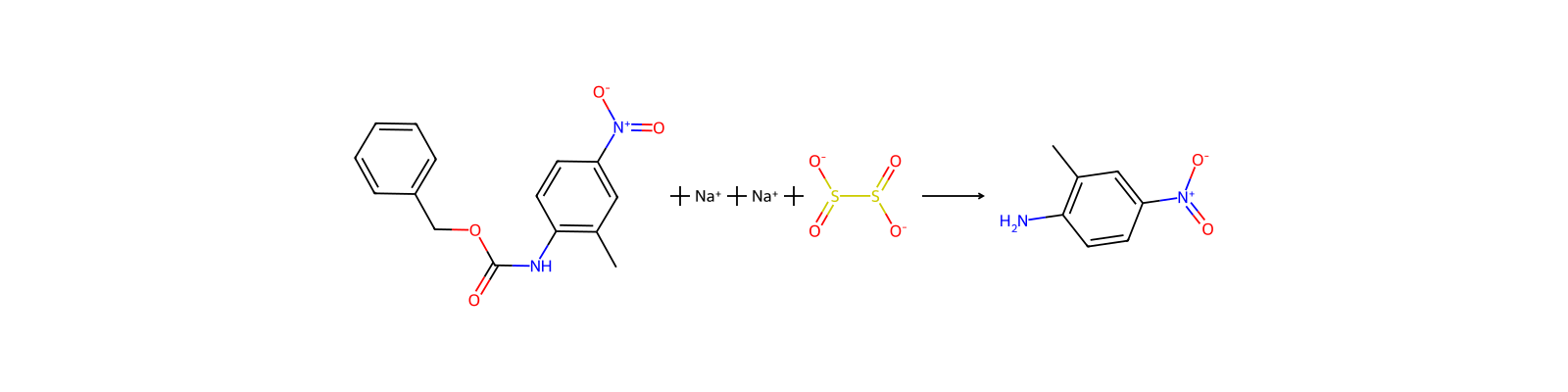
N-Benzenesulfonyl-o-toluidine is dissolved in chlorobenzene at 40 – 50 ℃, and 62 % nitric acid is added gradually to give 5- nitro-N-benzenesulfonyl-o-toluidine, which is isolated and hydrolyzed in sulfuric acid to give 5-nitro-o-toluidine in 80 % yield.
純化方法Crystallise the nitrotoluidine from EtOH. The acetyl and benzoyl derivatives have m 200o and 174o (EtOH) respectively. [Beilstein 12 IV 1809.]
上流・下流製品情報
上流原料
関連反応
155 件



化合物ノート
読み込み中…