
基本情報
- 標準SMILES
C=CC=O- InChIKey
HGINCPLSRVDWNT-UHFFFAOYSA-N- 分子式
- C3H4O
- 平均分子量
- 56.06 g/mol
- 単同位体質量
- 56.02621475
概要
Acrolein is a colorless or yellow liquid with a disagreeable odor. It dissolves in water very easily and quickly changes to a vapor when heated. It also burns easily. Small amounts of acrolein can be formed and can enter the air when trees, tobacco, other plants, gasoline, and oil are burned. Acrolein is used as a pesticide to control algae, weeds, bacteria, and mollusks. It is also used to make other chemicals.
名称と識別子
- 優先名称
- Acrolein
- IUPAC
- prop-2-enal
- 現地名
- アクロレイン (モノマー)
- 英語名
- Acrolein
- 分子式
- C3H4O
- 分子量
- 56.06
名称と別名
ACROLEINAcrylaldehyde2-Propenal107-02-8prop-2-enalPropenalAcrylic aldehydeAqualinAllyl aldehydeMagnacide HAcraldehydeEthylene aldehyde
名称をさらに表示
アクロレイン (モノマー)2-プロペン-1-オンアクリルアルデヒドアクアリンアクラルデヒド2-プロペナールアクロレインモノマーマグナシドBプロペナールアリルアルデヒドマグナシドHアクロレインプロペン-3-オンアクロレイン,モノマーアクロレイン STANDARDアクロレイン、10 MG/ML水溶液アクロレイン Standard, 100 µg/mL in MeOH: Water 90:10アクロレイン Standard, 100 µg/mL in Waterアクロレイン Standard, 1000 µg/mL in MeOH: Water 90:10アクロレイン Standard, 1000 µg/mL in WaterBXQAcroleinepapitecroleinAkrolein
Aqualine2-Propen-1-oneSlimicideCroleanProp-2-en-1-alMagnacideBiocideAcrylaldehyd
データベース識別子
- CAS
107-02-8、25068-14-8- PubChem CID
- 7847
- DTXSID
DTXSID5020023- ChEMBL
CHEMBL721- ChEBI
CHEBI:15368- UNII
- 7864XYD3JJ
- EC Number
- 203-453-4
- Nikkaji
- J4.045B
物性
構造計算による物性
- XLogP
- 0
- 極性表面積
- 17.1 Ų
- 水素結合供与体数
- 0
- 水素結合受容体数
- 1
- 回転可能結合数
- 1
- 重原子数
- 4
- 形式電荷
- 0
- 複雑度
- 30.3
実験および物理化学的性質
Chemical Classes
Hazardous Air Pollutants (HAPs)
Urban Hazardous Air Pollutants (HAPs) - EPA specified greatest potential health threat in urban areas
Toxic Gases & Vapors -> Other Toxic Gases & Vapors
Flammable agents - 3rd degree
Volatile Organic Compound (VOC)
pHpH 6.0 (max), a 10% solution in water at 25 °C
SpringerMaterials PropertiesCoriolis coupling
PesticidesPesticide -> EPA IRIS
LogP
log Kow = -0.01
-0.01
0.9
-0.01
Odor
Extremely sharp; extremely acrid, pungent, burnt sweet; hot fat
Disagreeable choking odor
Food AdditivesANTIMICROBIAL AGENT -> FDA Substance added to food
Density
0.8389 to 0.8621 at 32 to 68 °F (EPA, 1998)
0.8389 at 20 °C
Bulk density: 7.03 lb/gal at 20 °C
Relative density (water = 1): 0.8
0.84
0.841 @ 20°C
Viscosity0.35 cP at 20 °C
Color/FormColorless or yellowish liquid
Solubility
greater than or equal to 100 mg/mL at 70 °F (NTP, 1992)
In water, 2.11X10+5 mg/L at 20 °C
Soluble in ethanol, ether, acetone; slightly soluble in chloroform
Soluble in oxygenated solvents
Miscible with lower alcohols, ketones, benzene, diethyl ether and other common organic solvents
212 mg/mL at 25 °C
CorrosivityNon-corrosive to iron & steel at room temperature
物理化学的性質
- 融点
- 87 °C · −87 °C(lit.)
- 沸点
- 53 °C · 53 °C(lit.)
- 比重(密度)
- 0.839 g/mL · 0.839 g/mL at 25 °C(lit.)
- 蒸気密度
- 1.94 · 1.94 (vs air)
- 蒸気圧
- 4.05 psi · 4.05 psi ( 20 °C)
- 屈折率
- 20 · n20/D 1.403(lit.)
- 闪点
- 2 °F · −2 °F
- 貯蔵温度
- 2 · 2-8°C
- 溶解性
- 2 O:可溶2~3部 · H2O:可溶2~3部
- 外見
- 液体
- 色
- 無色~淡黄色
- 臭い (Odor)
- 0.02 · 0.02 ~ 0.4 ppm で検出可能な刺激臭、催涙性、刺激性の強い臭気
- 臭気閾値(Odor Threshold)
- 0.0036 ppm · 0.0036ppm
- においのタイプ
- フルーティーな
- 爆発限界(explosive limit)
- 31 % · 31%
- 水溶解度
- 21.25 g/100mL · 溶ける。 21.25g/100mL
- Merck
- 14 · 14,128
- BRN
- 741856 · 741856
- Henry's Law Constant
- (x 10-6 atmm3/mol at 25 °C): 135 (Snider and Dawson, 1985)
- 安定性
- 0.1 % · 安定していますが、集計が非常に簡単です。約 0.1% のハイドロキノンまたは安定剤として 0.1% のハイドロキノンが含まれる場合があります。可燃性。酸化剤、還元剤、酸素、その他のさまざまな化学物質、光とは相容れない。特に強酸または強塩基と接触すると、激しく重合することがある。
- InChIKey
- HGINCPLSRVDWNT-UHFFFAOYSA-N
- LogP
- -0.01 · -0.010
- CAS データベース
- 107 · 107-02-8(CAS DataBase Reference)
- NISTの化学物質情報
- 2 · 2-Propenal(107-02-8)
- EPAの化学物質情報
- Acrolein (107-02-8)
化学的性質
化学的特性Acrolein is a highly flammable, clear to yellowish liquid. It has a piercing, disagreeable odor and causes tears.
安全と法規制
GHS分類
GHS Classification
Danger
H225: Highly Flammable liquid and vapor [Danger Flammable liquids]
P210, P233, P240, P241, P242, P243, P260, P262, P264, P270, P271, P273, P280, P284, P301+P316, P301+P330+P331, P302+P352, P302+P361+P354, P303+P361+P353, P304+P340, P305+P354+P338, P316, P320, P321, P330, P361+P364, P363, P370+P378, P391, P403+P233, P403+P235, P405, and P501 (click each P-code to see the statement)
This chemical does not meet GHS hazard criteria for 1.9% (36 of 1920) of reports.
Danger
H225 (98.1%): Highly Flammable liquid and vapor [Danger Flammable liquids]
危険有害性情報
Hazards IdentificationToxic/poison by inhalation (TIH/PIH)
Regulatory Information
Chemical: 2-Propenal
Hazard Traits - Carcinogenicity; Environmental tox; Ocular Toxicity; Respiratory Toxicity
2-Propenal is listed on the EPA's Chemical Data Reporting (CDR) system. Manufacturers and importers of 2-Propenal are required to report information about their production and use of this chemical to the EPA under the Toxic Substances Control Act (TSCA). (40 eCFR Part 711)
Status: Active Update: 12-04-2018 https://echa.europa.eu/registration-dossier/-/registered-dossier/13444
Acrolein: HSNO Approval: HSR002893 Approved with controls
The New Jersey Worker and Community Right to Know Act requires public and private employers to provide information about hazardous substances at their workplaces. (N.J.S.A. 34:5A-1 et. seq.)
Other Safety InformationIMAP assessments - 2-Propenal: Human health tier II assessment
DOT LabelPoison Inhalation Hazard Flammable Liquid
Fire Hazards
Under fire conditions, polymerization may occur. If inside a container, violent rupture of the container may take place. When heated to decomposition, it emits highly toxic fumes. Alkalis or strong acids act as catalysts, causing a condensation reaction and liberating energy. Reaction may be very rapid and violent. Readily converted by oxygen to hazardous peroxides and acids. Unstable, avoid exposure to alkalis, strong acids, oxygen, elevated temperatures, such as fire conditions. (Polymerization inside container could cause violent rupture of container under fire conditions.) (EPA, 1998)
· HIGHLY FLAMMABLE: Will be easily ignited by heat, sparks or flames.
Highly flammable. Vapour/air mixtures are explosive. Risk of fire and explosion on contact with bases, acids or strong oxidizing agents.
Fire Potential
Dangerous fire hazard when exposed to heat, flame, or oxidizers.
This chemical is a flammable liquid ... .
Health Hazards
Extremely toxic; probable oral human lethal dose is 5-50 mg/kg, between 7 drops and one teaspoon for a 70 kg (150 lb.) person. Inhalation of air containing 10 ppm of acrolein may be fatal in a few minutes. Death from cardiac failure accompanied by hyperemia and hemorrhage of the lungs and degeneration of the bronchial epithelium is possible. Acrolein causes acute respiratory and eye irritation; severe gastrointestinal distress with slowly developing pulmonary edema (lungs fill up with fluid); and skin irritation. (EPA, 1998)
· TOXIC; may be fatal if inhaled, ingested or absorbed through skin.
Hazards Summary
Acrolein is a colorless or yellow liquid with a disagreeable odor. It dissolves in water very easily and quickly changes to a vapor when heated. It also burns easily. Small amounts of acrolein can be formed and can enter the air when trees, tobacco, other plants, gasoline, and oil are burned. Acrolein is used as a pesticide to control algae, weeds, bacteria, and mollusks. It is also used to make other chemicals.
Acrolein is primarily used as an intermediate in the synthesis of acrylic acid and as a biocide. It may be formed from the breakdown of certain pollutants in outdoor air or from the burning of organic matter including tobacco, or fuels such as gasoline or oil. It is toxic to humans following inhalation, oral or dermal exposures. Acute (short-term) inhalation exposure may result in upper respiratory tract irritation and congestion. No information is available on its reproductive, developmental, or carcinogenic effects in humans, and the existing animal cancer data are considered inadequate to make a determination that acrolein is carcinogenic to humans.
Corrosive to skin; [Quick CPC] Tear drawing. May cause pulmonary edema, skin burns, and severe burns to the eyes; [ICSC] Causes first degree burns after short exposure; [CHRIS] Acrolein, stabilized (UN1092) has warning of explosive polymerization; [ERG 2016] See 2021 (Volume 128) monograph at IARC.
DOT ID and Guide
1092 131P
1092 131P(inhibited)
FDA RequirementsFood starch may be esterified and etherified by treatment with the following: Acrolein, not to exceed 0.6% and vinyl acetate, not to exceed 7.5%. Limitations: Acetyl groups in food starch-modified not to exceed 2.5%.
Reactive GroupAldehydes
UN ClassificationUN Hazard Class: 6.1; UN Subsidiary Risks: 3; UN Pack Group: I
安全と保護具
Fire Fighting
In advanced or massive fires, fire fighting should be done from safe distance or from protected location. Use dry chemical, alcohol foam, or carbon dioxide. Water may be ineffective, but should be used to keep fire-exposed containers cool. If a leak or spill has not ignited, use water spray to disperse vapors. If it is necessary to stop a leak, use water spray to protect men attempting to do so. Water spray may be used to flush spills away from exposures and to dilute spills to nonflammable mixtures.
Use alcohol-resistant foam, powder, carbon dioxide. In case of fire: keep drums, etc., cool by spraying with water. Combat fire from a sheltered position.
First Aid Measures
Fresh air, rest. Half-upright position. Refer for medical attention.
First rinse with plenty of water for at least 15 minutes, then remove contaminated clothes and rinse again. Refer for medical attention .
First rinse with plenty of water for several minutes (remove contact lenses if easily possible), then refer for medical attention.
Rinse mouth. Do NOT induce vomiting. Refer for medical attention .
Accidental Release Measures
· CALL 911. Then call emergency response telephone number on shipping paper. If shipping paper not available or no answer, refer to appropriate telephone number listed on the inside back cover.
· ELIMINATE all ignition sources (no smoking, flares, sparks or flames) from immediate area.
First Aid
Warning: Acrolein is highly irritating to skin and mucous membranes. Caution is advised.
General First Aid:
(General first aid procedures)
Safe StorageFireproof. Separated from strong oxidants, strong bases, strong acids and food and feedstuffs. Cool. Ventilation along the floor. Store only if stabilized. Provision to contain effluent from fire extinguishing.
Firefighting Hazards
Under fire conditions, polymerization may occur, blocking relief valves leading to tank explosion.
Vapors are heavier than air and will collect in low areas. Vapors may travel long distances to ignition sources and flashback. Vapors in confined areas may explode when exposed to fire. Storage containers and parts of containers may rocket great distances, in many directions.
Exposure Control and Personal Protection
· Wear positive pressure self-contained breathing apparatus (SCBA).
TIH (Toxic Inhalation Hazard) - Term used to describe gases and volatile liquids that are toxic when inhaled. Some are TIH materials themselves, e.g., chlorine, and some release TIH gases when spilled in water, e.g., chlorosilanes. [ERG 2016].
1.0 [ppm]
Fire Fighting Procedures
Suitable extinguishing media: Use water spray, alcohol-resistant foam, dry chemical, or carbon dioxide.
Advice for firefighters Wear self-contained breathing apparatus for firefighting if necessary.
Use water spray to cool unopened containers.
To fight fire, use /carbon dioxide/, dry chemical, or alcohol foam.
For more Fire Fighting Procedures (Complete) data for ACROLEIN (9 total), please visit the HSDB record page.
Storage Conditions
Keep container tightly closed in a dry and well-ventilated place. Containers which are opened must be carefully resealed and kept upright to prevent leakage. Recommended storage temperature 2 - 8 °C. Store under inert gas. Handle and open container with care. Light sensitive. Heat- and air-sensitive. Storage class (TRGS 510): Flammable liquids.
Store separately in an area isolated from flammables, combustibles, or other yellow coded materials. ... Store in a secure poison location. ... Do not store uninhibited acrolein under any circumstances. Protect against physical damage. Outside or detached storage is preferable. Inside storage should be in a standard flammable liquids storage room or cabinet. Before entering confined space where acrolein may be present, check to make sure that an explosive concentration does not exist. Store in tightly closed containers in a cool, well-ventilated area away from heat and light. Metal containers involving the transfer of this chemical should be grounded and bonded. Where possible, automatically pump liquid from drums or other storage containers to process containers. Drums must be equipped with self-closing valves, pressure vacuum bungs, and flame arresters. Use only nonsparking tools and equipment, especially when opening and closing containers of this chemical. Sources of ignition, such as smoking and open flames, are prohibited where this chemical is used, handled, or stored in a manner that could create a potential fire or explosion hazard.
For storage, the pH of acrolein is adjusted to 5-6 by the addition of acetic acid.
... Can be stored under oxygen-free nitrogen in dark glass bottles, in cylinders, or in black iron drums.
Must be stored in the dark, under nitrogen.
Cleanup Methods
ACCIDENTAL RELEASE MEASURES: Personal precautions, protective equipment and emergency procedures: Wear respiratory protection. Avoid breathing vapors, mist or gas. Ensure adequate ventilation. Remove all sources of ignition. Evacuate personnel to safe areas. Beware of vapors accumulating to form explosive concentrations. Vapors can accumulate in low areas. Environmental precautions: Prevent further leakage or spillage if safe to do so. Do not let product enter drains. Discharge into the environment must be avoided. Methods and materials for containment and cleaning up: Contain spillage, and then collect with an electrically protected vacuum cleaner or by wet-brushing and place in container for disposal according to local regulations.
Evacuate and restrict persons not wearing protective equipment from area of spill or leak until cleanup is complete. Remove all ignition sources. Establish forced ventilation to keep levels below explosive limit. Take up very small spills for disposal by absorbing it in vermiculite, dry sand, or earth and disposing in a secured landfill or combustion chamber. Alternatively, cover with sodium bisulfite, add small amount of water, and mix. Then, after 1 hr, flush with large amounts of water and wash site with soap solution. Liquid should not be allowed to enter confined space, such as a sewer, because of potential for explosion. It may be necessary to contain and dispose of this chemical as a hazardous waste. If material or contaminated runoff enters waterways, notify downstream users of potentially contaminated waters.
Initial isolation and protective action distances: Distances shown are likely to be affected during the first 30 minutes after materials are spilled and could increase with time. If more than one tank car, cargo tank, portable tank, or large cylinder involved in the incident is leaking, the protective action distance may need to be increased. You may need to seek emergency information from CHEMTREC at (800) 424-9300 or seek professional environmental engineering assistance from the US EPA Environmental Response Team at (908) 548-8730 (24-hr response line). Small spills (from a small package or a small leak from a large package): First: Isolate in all directions (feet/meters) 300/100. Then: Protect persons downwind (miles/kilometers): Day 0.7/1.1, Night 2.0/3.2. Large spills (from a large package or from many small packages): First: Isolate in all directions (feet/meters) 3000/1000. Then: Protect persons downwind (miles/kilometers): Day 7.0+/11.0+, Night 7.0+/11.0+.
1. Remove all ignition sources. 2. Ventilate the area of spill or leak. 3. for small quantities, absorb on paper towels. evaporate in safe place (such as fume hood). Allow sufficient time for evaporating vapors to completely clear hood ductwork. Burn paper in suitable location away from combustible materials. For large quantities, cover with sodium bisulfite add small amount of water, and mix. Then, after 1 hr, flush with large amt of water, and wash site with soap solution. Liquid should not be allowed to enter confined space, such as sewer, because of possibility of explosion.
For more Cleanup Methods (Complete) data for ACROLEIN (8 total), please visit the HSDB record page.
Nonfire Spill ResponseExcerpt from ERG Guide 131 [Flammable Liquids - Toxic; polymerization hazard]:
Disposal Methods
Generators of waste (equal to or greater than 100 kg/mo) containing this contaminant, EPA hazardous waste number P003, must conform with USEPA regulations in storage, transportation, treatment and disposal of waste.
SRP: Wastewater from contaminant suppression, cleaning of protective clothing/equipment, or contaminated sites should be contained and evaluated for subject chemical or decomposition product concentrations. Concentrations shall be lower than applicable environmental discharge or disposal criteria. Alternatively, pretreatment and/or discharge to a permitted wastewater treatment facility is acceptable only after review by the governing authority and assurance that "pass through" violations will not occur. Due consideration shall be given to remediation worker exposure (inhalation, dermal and ingestion) as well as fate during treatment, transfer and disposal. If it is not practicable to manage the chemical in this fashion, it must be evaluated in accordance with EPA 40 CFR Part 261, specifically Subpart B, in order to determine the appropriate local, state and federal requirements for disposal.
Product: Burn in a chemical incinerator equipped with an afterburner and scrubber but exert extra care in igniting as this material is highly flammable. Offer surplus and non-recyclable solutions to a licensed disposal company. Contact a licensed professional waste disposal service to dispose of this material; Contaminated packaging: Dispose of as unused product.
Consult with environmental regulatory agencies for guidance on acceptable disposal practices. Generators of waste containing this contaminant (>/= 100 kg/mo) must confirm with EPA regulations governing storage, transportation, treatment, and waste disposal. Incineration. Conditions are 816 °C, 0.5 s minimum for primary combustion; 1093 °C, 1.0 s for secondary combustion.
For more Disposal Methods (Complete) data for ACROLEIN (12 total), please visit the HSDB record page.
毒性情報
Toxicological InformationCDC-ATSDR Toxicological Profile
Interactions
... The hypothesis that dietary consumption of aldehydes modulates myocardial ischemia-reperfusion (IR) injury and preconditioning /was tested/. Mice were gavage-fed the alpha, beta-unsaturated aldehyde acrolein (5 mg/kg) or water (vehicle) 24 hr prior to a 30-min coronary artery occlusion and 24-hour reperfusion. Myocardial infarct size was significantly increased in acrolein-treated mice, demonstrating that acute acrolein exposure worsens cardiac IR injury. Furthermore, late cardioprotection afforded by the nitric oxide (NO) donor diethylenetriamine/NO (DETA/NO; dose: 0.1 mg/kg x 4, iv) was abrogated by the administration of acrolein 2 hr prior to DETA/NO treatment, indicating that oral acrolein impairs NO donor-induced late preconditioning. ...
An animal model was used to study the effects of early administration of intramuscular corticosteroids on mortality and lung histopathology induced by a component of smoke. Thirty-six rabbits (mean weight, 2.7 kg) were exposed to acrolein vapor for 15 min; 30 min later the animals were divided into 3 treatment groups. One group received saline placebo intramuscularly at 12 hr intervals, a second group was treated intramuscularly with 100 mg methylprednisolone at 12 hr intervals, and a third group was treated with a single 100 mg dose of methylprednisolone followed by doses of saline at 12 hr intervals. The animals were studied for a 72 hr period. There was a significantly lower mortality in the 2 steroid-treated groups than in the nontreated group. A scoring system was developed for evaluating observed histologic changes in the lung. No correlation was seen between survival and histologic score or between score and treatment. High scores for particular histologic features did not explain mortality nor did they predominate in untreated animals; vascular congestion was found to be greater in the steroid-treated group. The beneficial effects of steroids in reducing mortality after inhalation of a common smoke constituent was not associated with any evidence of attenuation of lung damage.
In the current study, the protective effects of phloretin were investigated in acrolein-challenged amino acid, protein, and cell models. It was found that the formation of FDP-lysine (a typical acrolein-lysine adduct) was strongly inhibited in the presence of phloretin and the remaining electrophilic site in FDP-lysine was also blocked by phloretin. Moreover, direct trapping of acrolein by phloretin was found to be responsible for inhibiting the incorporation of carbonyl groups into BSA and oligomerisation in RNase A. Subsequently, the reduction of LDH release in human neuroblastoma SH-SY5Y cells under acrolein challenge suggested the cytoprotective effects of phloretin. Such protection might be mediated through inhibiting the increased cellular protein carbonyl level as revealed by Western blotting analysis. The present study highlighted an apple phenolic compound, phloretin as a promising candidate in prevention or treatment of acrolein-associated human diseases.
Acrolein-induced oxidative stress is hypothesized to involve in the etiology of Alzheimer's disease (AD). Caffeic acid (CA) and caffeic acid phenethyl ester (CAPE) have antioxidative and neuroprotective properties. The present study investigated the protective effects of CA/CAPE on acrolein-induced oxidative neuronal toxicity. HT22 mouse hippocampal cells were pretreated with CA/CAPE and then exposed to acrolein. Cell viability, intracellular reactive oxygen species (ROS), and glutathione (GSH) level were measured. MAPKs and Akt/GSK3beta signaling proteins as well as alpha/beta-secretase of amyloid protein precursor were assayed by Western blotting. Pretreatment with CA/CAPE significantly attenuatedacrolein-induced neurotoxicity, ROS accumulation, and GSH depletion. Further study suggested that CA/CAPE showed protective effects againstacrolein by modulating MAPKs and Akt/GSK3beta signaling pathways. Moreover, CA/CAPE restored the changes of beta-secretase (BACE-1) and/or activation of alpha-secretase (ADAM-10) induced by acrolein. These findings suggest that CA/CAPE may provide a promising approach for the treatment of acrolein-related neurodegenerative diseases, such as AD.
For more Interactions (Complete) data for ACROLEIN (23 total), please visit the HSDB record page.
Target Organs
Gastrointestinal (Stomach and Intestines, part of the digestive system), Ocular (Eyes), Respiratory (From the Nose to the Lungs)
Respiratory
Eyes, skin, respiratory system, heart
Health EffectsAcrolein is a severe pulmonary irritant and lachrymatory agent. Breathing large amounts of acrolein damages the lungs and could cause death. (L121, L122)
Ecotoxicity Values
LD50; Species: /Anas platyrhynchos/ (Mallard duck) male, 3-5 months old; oral 9.11 mg/kg (95% confidence limit 6.32 mg/kg) /Sample purity 92%/
LD50; Species: /Anas platyrhynchos/ (Mallard duck) oral 28 mg a.i./kg bw (18-38 mg/kg) /95.09% acrolein/
LD50; Species: Colinus virginianus (Northern bobwhite) age 16 wk; oral 19 mg/kg (95% confidence interval: 16-22 mg/kg) /92% acrolein/
EC50; Species: Anabaena flosaquae (Blue-green algae); Conditions: freshwater, static; Concentration: 36 ug/L for 5 days (95% confidence interval: 33-40 ug/L); Effect: population, abundance /95.03% purity/
For more Ecotoxicity Values (Complete) data for ACROLEIN (50 total), please visit the HSDB record page.
Environmental Fate
Due to its high vapor pressure and water solubility, acrolein is expected to be highly mobile when released into the environment, although degradative processes are likely to limit its transport.
TERRESTRIAL FATE: Based on a classification scheme(1), an estimated Koc value of 1.0(SRC), determined from a structure estimation method(2), indicates that acrolein is expected to have very high mobility in soil(SRC). Volatilization of acrolein from moist soil surfaces is expected to be an important fate process(SRC) given a Henry's Law constant of 1.22X10⁻⁴ atm-cu m/mole(3). Acrolein is expected to volatilize from dry soil surfaces(SRC) based upon a vapor pressure of 274 mm Hg(4). It has been reported that acrolein is metabolized easily in soil, being mineralized to carbon dioxide(5). In a laboratory study conducted in an aerobic sandy loam soil, acrolein was completely gone within 8 hours in the nonsterile soils and within 115 hours in the sterilized soil(6); the biotransformation half-life in the nonsterile soil was calculated to be 4.2 hours(6). In field dissipation studies, acrolein had a half-life of 7.5 to 10.2 hours(5). Results of biodegradation studies in aquatic systems suggest that acrolein, at low concentrations, is subject to aerobic biodegradation(7). In moist soil, transformation of the acrolein via hydration may occur followed by aerobic biodegradation of the hydrated product(7).
AQUATIC FATE: Based on a classification scheme(1), an estimated Koc value of 1.0(SRC), determined from a structure estimation method(2), indicates that acrolein is not expected to adsorb to suspended solids and sediment(SRC). Volatilization from water surfaces is expected(3) based upon a Henry's Law constant of 1.22X10⁻⁴ atm-cu m/mole(4). Using this Henry's Law constant and an estimation method(3), volatilization half-lives for a model river and model lake are 7.6 hours and 4.6 days, respectively(SRC). According to a classification scheme(5), an estimated BCF of 3(SRC), from its log Kow of -0.01(6) and a regression-derived equation(2), suggests the potential for bioconcentration in aquatic organisms is low(SRC). Although acrolein has no hydrolyzable functional group, the simple and reversible hydration of acrolein to form 3-hydroxypropan-1-al is known to proceed by first order kinetics(7). Half-lives in buffers at pH 6-8 were 1.7 to 2.3 days, and a fall in pH was detected during the decline of 3-hydroxypropan-1-al in nonsterile irrigation water(7). Hydrolysis half-lives of 3.5 days (pH 5), 1.5 days (pH 7), and 4 hours (pH 10) have also been reported for acrolein(8). A half-life for hydration of acrolein has been calculated to be 21 days based on a pseudo-first order reaction rate constant of 0.032 per day(9). Results of biodegradation studies in aquatic systems suggest that acrolein, at low concentrations, is subject to aerobic biodegradation(10). Dissipation half-lives of <1 to 3 days have been reported for acrolein in surface water (combined effect of degradation and volatilization)(10). Acrolein dissipation half-lives of 150 hours (pH 5), 120-180 hours (pH 7), and 5-40 hours (pH 9) in water have also been reported(8). The dissipation half-life of acrolein was 10.2 and 7.3 hours in weedy and non-weedy canals, respectively. In the weedy canal, 91.5% of acrolein had dissipated within 33.0 hours and in the non-weedy canal, 48% had dissipated within 7.9 hours(11).
AQUATIC FATE: Experimental data for decay of acrolein in water indicate approx 1st order kinetics. The reaction continued to completion in natural water. Data on effects of pH on decay of acrolein may be used as a conservative estimate of dissipation rate. In water flowing in 2 channels, an 8 to 10 fold discrepancy between observed and predicted rates of dissipation was attributed to major losses in volatilization and adsorption. A relatively nonvolatile reaction product (which gave a positive reaction with dinitrophenylhydrazine) accumulated initially but dissipated.
ATMOSPHERIC FATE: According to a model of gas/particle partitioning of semivolatile organic compounds in the atmosphere(1), acrolein, which has a vapor pressure of 274 mm Hg at 25 °C(2), is expected to exist solely as a vapor in the ambient atmosphere. Vapor-phase acrolein is degraded in the atmosphere by reaction with photochemically-produced hydroxyl radicals(SRC); the half-life for this reaction in air is estimated to be 19 hours(SRC), calculated from its rate constant of 2.00X10⁻¹¹ cu cm/molecule-sec at 25 °C(3). Products of the reaction of acrolein with hydroxyl radicals include: carbon dioxide, formaldehyde, and glycolaldehyde(4). Acrolein is degraded slowly in the atmosphere by reaction with ozone and nitrate radicals(SRC). The half-life for the reaction with ozone is estimated to be 38 days(SRC), calculated from its rate constant of 3.01X10⁻¹⁹ cu cm/molecule-sec at 25 °C(3). The half-life for the reaction with nitrate radicals is estimated to be 98 days(SRC), calculated from its rate constant of 3.280X10⁻¹⁶ cu cm/molecule-sec at 25 °C(3). Acrolein absorbs at wavelengths >290 nm(3) and, therefore, may be susceptible to direct photolysis by sunlight(SRC). Based on measured quantum yields, the half-life for direct photolysis of acrolein in the atmosphere has been estimated to be approximately 10 days in the lower troposphere and <5 days in the upper troposphere(5). Acrolein has been detected in rainwater, indicating that it may be removed by wet deposition(6).
Food Survey Values
Acrolein is a component of many foods, and processing can increase the acrolein content(1). Acrolein was identified in raw turkey(2). Acrolein has been detected in sugar cane molasses, souring salted pork, the fish odor of cooked horse mackerel, the volatiles from white bread, the volatile components of chicken-breast muscle, the aroma volatiles of ripe arctic bramble berries and the products from heating animal fats and vegetable oils(3). Acrolein has been detected in fresh lager beer at levels of 1.11-2.00 ug/L, mean concentration 1.6 ug/L(3). Small amounts of acrolein have been detected in tomatoes, cooked potatoes, beer, wine, rums, whiskey, and raw chicken(4). Glycerol dehydration is a main source of acrolein in foods. Since glycerides are the main constituent of lipids, foods containing a high fat content will be potential sources of acrolein, principally during cooking. High levels of acrolein are produced from heated oils(4). The amount of acrolein formed from oil heated above 300 °C in lard, corn oil, cottonseed oil, and sunflower oil were 109, 164, 5.1, and 163 ug/L, respectively(4). However, some oils, such as olive, peanut, rapeseed, and sesame, can undergo auto oxidation at temperatures as low as 80 °C(4). Olive oil, the most unsaturated, produced the highest amounts of acrolein while soybean oil, the most saturated, produced the lowest. Acrolein has been detected in chicken and beef volatiles(concentrations not specified)(5).
Alcoholic beverages often contain trace amounts of acrolein. It is sometimes a problem since it causes an organoleptic condition called "pepper" by the alcohol fermentation industry ... acrolein is detectable in low-proof whiskey at concentration as low as 10 mg/L. This value probably represents the upper limit for acrolein, since industry has adapted corrective procedures to reduce "pepper" by reducing acrolein concentration. Acrolein was measured in the unsaturated aldehyde fraction in chocolate liquor(1).
Adverse EffectsDermatotoxin - Skin burns.
Exposure Routes
The substance can be absorbed into the body by inhalation of its vapour, through the skin and by ingestion. Serious local effects by all routes of exposure.
inhalation, ingestion, skin and/or eye contact
Oral (L121) ; inhalation (L121) ; dermal (L121)
Milk ConcentrationsEXPERIMENTAL: No acrolein was detected in goat milk following administration of high doses(1).
Toxicity Summary
IDENTIFICATION AND USE: Acrolein is a colorless or yellowish liquid. Acrolein is a biocide currently registered as an herbicide to control aquatic weeds in irrigation canals, as a burrow fumigant to control rodents, and as a microbiocide to eliminate slime-forming microbes in oil drilling operations, pulp and paper mills, and in industrial cooling towers. It has activity as a molluscicide, but is not currently registered for use against mollusks. It is an intermediate for synthetic glycerol, polyurethane and polyester resins, methionine, and pharmaceuticals. In World War I, it was used as a tear gas under the name Papite. HUMAN EXPOSURE AND TOXICITY: The threshold levels of acrolein causing irritation and health effects are 0.7 mg/ cu m for odor perception, 0.13 mg/cu m for eye irritation, 0.3 mg/cu m for nasal irritation and eye blinking, and 0.7 mg/cu m for decreased respiratory rate. Potential symptoms of overexposure are irritation of eyes, skin and mucous membranes; decreased pulmonary function; delayed pulmonary edema; chronic respiratory disease. Intense lacrimation and nasal irritation ordinarily give adequate warning of inhalation, but exposed patients should be observed for 24 hr for a slowly developing pulmonary edema. Acrolein is ciliastatic and capable of causing direct tissue damage similar to that reported for formaldehyde. Acrolein has a relatively short half-life and exerts its greatest effects on the upper and lower respiratory tract. Acrolein is also a weak sensitizer and may elicit asthma-type reactions. Accidental exposure to vapors of acrolein produced burns of the cheeks and eyelids in a male subject. ANIMAL STUDIES: Exposure of rats to airborne concentrations of acrolein of 100-40,000 ppm for short periods of time (<1 hour) caused death ranging from minutes to 11 days. Death was attributed to obstruction of trachea and bronchi, pulmonary edema, or hemorrhage. In animals and humans the reactivity of acrolein effectively confines the substance to the site of exposure, and pathological findings are also limited to these sites. Acrolein reacts directly with protein and non-protein sulfhydryl groups and with primary and secondary amines. Acrolein is a cytotoxic agent. In vitro cytotoxicity has been observed as low as 0.1 mg/liter. The substance is highly toxic to experimental animals and humans following a single exposure via different routes. The vapor is irritating to the eyes and respiratory tract. Liquid acrolein is a corrosive substance. At higher single exposure levels, degeneration of the respiratory epithelium, inflammatory sequelae, and perturbation of respiratory function develop. In general, body weight gain reduction, decrement of pulmonary function, and pathological changes in nose, upper airways, and lungs have been documented in most species exposed to concentrations of 1.6 mg/cu m or more for 8 hr/day. Pathological changes include inflammation, metaplasia, and hyperplasia of the respiratory tract. Significant mortality has been observed following repeated exposures to acrolein vapor at concentrations above 9.7 mg/ cu m. In experimental animals acrolein has been shown to deplete tissue glutathione and in in vitro studies, to inhibit enzymes by reacting with sulfhydryl groups at active sites. There is limited evidence that acrolein can depress pulmonary host defenses in mice and rats. The reduction in removal of bacteria from the alveolar spaces may result from the destruction of functionality of alveolar macrophages present in the respiratory epithelium. Inhalation studies with acrolein revealed that this aldehyde has significant cardiovascular activity at concentrations below those which might be encountered in cigarette smoke. Predominant effect of inhaled acrolein at these doses was an increase in blood pressure and heart rate. Long-term oral exposure to acrolein, at an amount within the range of human unsaturated aldehyde intake, induces a phenotype of dilated cardiomyopathy in the mouse. Acrolein can induce teratogenic and embryotoxic effects if administered directly into the amnion. Acrolein has been shown to interact with nucleic acids in vitro and to inhibit their synthesis both in vitro and in vivo. Without activation it induced gene mutations in bacteria and fungi and caused sister chromatid exchanges in mammalian cells. ECOTOXICITY STUDIES: Acrolein is very highly toxic (LD50 <10 mg/kg) to birds on an acute oral exposure basis. Acrolein is very toxic to aquatic organisms. Acute EC50 and LC50 values for bacteria, algae, crustacea, and fish are between 0.02 and 2.5 mg/liter, bacteria being the most sensitive species. A number of fish kills have been reported for acrolein.
Acrolein rapidly and irreversibly binds to lysine moieties and sulfhydryl groups found on many cellular molecules forming thiol ethers. By this mechanism acrolein can bind to messenger compounds to produce direct cytotoxic effects or secondary effects from interrupted cell signaling pathways. Perturbation of inflammatory responses in bronchial epithelial cells was demonstrated by direct action of acrolein on the inhibitor of nuclear factor kappa-B (IκB) kinase, which inhibits activation of nuclear factor kappa-light-chain-enhancer of activated B cells (NF-κB) transcription factor and suppresses interleukin 8 (IL-8) production. Rapid binding of acrolein to neural receptors in the corneal and nasal mucosa results in rapid depolarization of the associated neurons to produce ocular and nasal irritation. Acrolein also binds rapidly to glutathione, which may be inhibitory to the enzyme glutathione peroxidase and result in a lower level of cellular protection against oxygen radical toxicity. Further, the adduction of glutathione generates GS-propionaldehyde, which produces oxygen and possibly hydroxy radicals via cytosolic aldehyde dehydrogenase. Acrolein inhibits thioredoxin and thioredoxin reductase, which disrupts the cellular thiol redox balance necessary for cell survival. It interferes with normal reverse cholesterol transport by high density lipoprotein (HDL) by modifying specific sites in apolipoprotein A-I. Acrolein also inhibits aldehyde dehydrogenases and activates the transient receptor potential cation channel. (L121, A84, A85, A86)
Average Daily Intake
A Canadian study suggests that the general population is exposed to an average acrolein concentration of 1.3 ug/cu m with a median value of 0.6 ug/cu m; based on this average acrolein exposure and an inhalation volume of 20 cu m, it can be estimated that the average adult inhales 26 ug acrolein/day(1). Glycerol dehydration is a main source of acrolein in foods. Since glycerides are the main constituent of lipids, foods containing a high fat content will be potential sources of acrolein, principally during cooking. High levels of acrolein are produced from heated oils. The amount of acrolein formed from oil heated above 300 °C in lard, corn oil, cottonseed oil, and sunflower oil were 109, 164, 5.1, and 163 ug/L, respectively. However, some oils, such as olive, peanut, rapeseed, and sesame, can undergo auto oxidation at temperatures as low as 80 °C. This suggests that kitchen workers using these oils may be exposed to acrolein since they use temperatures as high as 200 °C(2).
法規制情報
FDA RequirementsFood starch may be esterified and etherified by treatment with the following: Acrolein, not to exceed 0.6% and vinyl acetate, not to exceed 7.5%. Limitations: Acetyl groups in food starch-modified not to exceed 2.5%.
RCRA Requirements
P003; As stipulated in 40 CFR 261.33, when acrolein, as a commercial chemical product or manufacturing chemical intermediate or an off-specification commercial chemical product or a manufacturing chemical intermediate, becomes a waste, it must be managed according to federal and/or state hazardous waste regulations. Also defined as a hazardous waste is any container or inner liner used to hold this waste or any residue, contaminated soil, water, or other debris resulting from the cleanup of a spill, into water or on dry land, of this waste. Generators of small quantities of this waste may qualify for partial exclusion from hazardous waste regulations (40 CFR 261.5(e)).
TSCA Requirements
Section 8(a) of TSCA requires manufacturers of this chemical substance to report preliminary assessment information concerned with production, exposure, and use to EPA as cited in the preamble in 51 FR 41329. Effective date 9/30/91; Reporting date: 11/27/91.
Pursuant to section 8(d) of TSCA, EPA promulgated a model Health and Safety Data Reporting Rule. The section 8(d) model rule requires manufacturers, importers, and processors of listed chemical substances and mixtures to submit to EPA copies and lists of unpublished health and safety studies. 2-Propenal is included on this list. Effective date 9/30/91; Sunset date: 6/30/98.
FIFRA Requirements
The following uses of pesticide products containing the active ingredients specified below have been classified for restricted use and are limited to use by or under the direct supervision of a certified applicator. Active Ingredient: Acrolein; Formulation: As sole active ingredient. No mixtures registered.; Use Pattern: All uses; Classification: Restricted; Criteria Influencing Restriction: Inhalation hazard to humans. Residue effects on avian species and aquatic organisms.
As the federal pesticide law FIFRA directs, EPA is conducting a comprehensive review of older pesticides to consider their health and environmental effects and make decisions about their continued use. Under this pesticide reregistration program, EPA examines newer health and safety data for pesticide active ingredients initially registered before November 1, 1984, and determines whether the use of the pesticide does not pose unreasonable risk in accordance to newer safety standards, such as those described in the Food Quality Protection Act of 1996. Pesticides for which EPA had not issued Registration Standards prior to the effective date of FIFRA '88 were divided into three lists based upon their potential for human exposure and other factors, with List B containing pesticides of greater concern than those on List C, and with List C containing pesticides of greater concern than those on List D. Acrolein is found on List B. Case No: 2005; Pesticide type: Fungicide, herbicide, antimicrobial; Case Status: OPP is reviewing data from the pesticide's producers regarding its human health and/or environmental effects, or OPP is determining the pesticide's eligibility for reregistration and developing the Reregistration Eligibility Decision (RED) document.; Active ingredient (AI): Acrolein; Data Call-in (DCI) Date(s): 05/06/91; AI Status: The producers of the pesticide have made commitments to conduct the studies and pay the fees required for reregistration, and are meeting those commitments in a timely manner.
Atmospheric Standards
This action promulgates standards of performance for equipment leaks of Volatile Organic Compounds (VOC) in the Synthetic Organic Chemical Manufacturing Industry (SOCMI). The intended effect of these standards is to require all newly constructed, modified, and reconstructed SOCMI process units to use the best demonstrated system of continuous emission reduction for equipment leaks of VOC, considering costs, non air quality health and environmental impact and energy requirements. Acrolein is produced, as an intermediate or a final product, by process units covered under this subpart.
Listed as a hazardous air pollutant (HAP) generally known or suspected to cause serious health problems. The Clean Air Act, as amended in 1990, directs EPA to set standards requiring major sources to sharply reduce routine emissions of toxic pollutants. EPA is required to establish and phase in specific performance based standards for all air emission sources that emit one or more of the listed pollutants. Acrolein is included on this list.
CERCLA Reportable Quantities
Persons in charge of vessels or facilities are required to notify the National Response Center (NRC) immediately, when there is a release of this designated hazardous substance, in an amount equal to or greater than its reportable quantity of 1 lb or 0.454 kg. The toll free number of the NRC is (800) 424-8802. The rule for determining when notification is required is stated in 40 CFR 302.4 (section IV. D.3.b).
Releases of CERCLA hazardous substances are subject to the release reporting requirement of CERCLA section 103, codified at 40 CFR part 302, in addition to the requirements of 40 CFR part 355. Acrolein is an extremely hazardous substance (EHS) subject to reporting requirements when stored in amounts in excess of its threshold planning quantity (TPQ) of 500 lbs.
Clean Water Act Requirements
Toxic pollutant designated pursuant to section 307(a)(1) of the Federal Water Pollution Control Act and is subject to effluent limitations.
Acrolein is designated as a hazardous substance under section 311(b)(2)(A) of the Federal Water Pollution Control Act and further regulated by the Clean Water Act Amendments of 1977 and 1978. These regulations apply to discharges of this substance. This designation includes any isomers and hydrates, as well as any solutions and mixtures containing this substance.
DHS Chemicals of Interest (COI)
Acrolein
1
5000
Toxic chemical that can be released at a facility.
State Drinking Water Guidelines
(AZ) ARIZONA 320 ug/L
(FL) FLORIDA 110 ug/L
安全データ
- F
- 8-9
- OEB
- C
- OEL
- TWA: 0.1 ppm (0.25 mg/m3), STEL: 0.3 ppm (0.8 mg/m3) (Aldehydes)
- wgk
- 3
- IDLA
- 2 ppm
- tsca
- TSCA listed
- rtecs
- AS1050000
- ridadr
- UN 1092
- 毒性
- LD50 orally in rats: 0.046 g/kg (Smyth)
- PRTR法
- 第一種指定化学物質
- hs_code
- 29121900
- risk_code
- 11-24/25-26-34-50-26/28-24
- 化審法
- (2)-521
- 消防法
- 危-4-1-II
- hazard_code
- F,T+,N,T
- safety_code
- 23-26-28-36/37/39-45-61-16
- hazard_class
- 6.1
- packing_group
- I
- 毒劇物取締法
- 劇物
- 自然発火温度
- 234 °C
- 環境リスク評価
- アクロレイン(107-02-8)
- 有毒物質データの
- 107-02-8(Hazardous Substances Data)
化学と産業
薬理情報
Mechanism of Action
... The molecular mechanisms underlying acrolein hepatotoxicity in primary human hepatocytes and hepatoma cells /were studied/. Acrolein, at pathophysiological concentrations, caused a dose-dependent loss of viability of hepatocytes. The death was apoptotic at moderate and necrotic at high concentrations of acrolein. Acrolein exposure rapidly and dramatically decreased intracellular glutathione and overall antioxidant capacity, and activated the stress-signaling MAP-kinases JNK, p42/44 and p38. Our data demonstrate for the first time in human hepatocytes, that acrolein triggered endoplasmic reticulum (ER) stress and activated eIF2alpha, ATF-3 and -4, and Gadd153/CHOP, resulting in cell death. Notably, the protective/adaptive component of ER stress was not activated, and acrolein failed to up-regulate the protective ER-chaperones, GRP78 and GRP94. Additionally, exposure to acrolein disrupted mitochondrial integrity/function, and led to the release of pro-apoptotic proteins and ATP depletion. Acrolein-induced cell death was attenuated by N-acetyl cysteine, phenyl-butyric acid, and caspase and JNK inhibitors. /The/ data demonstrate that exposure to acrolein induces a variety of stress responses in hepatocytes, including GSH depletion, oxidative stress, mitochondrial dysfunction and ER stress (without ER-protective responses) which together contribute to acroleintoxicity. ...
Neutrophils (PMNs) are key mediators of inflammatory processes throughout the body. In this study, we investigated the role of acrolein, a highly reactive aldehyde that is ubiquitously present in the environment and produced endogenously at sites of inflammation, in mediating PMN-mediated degradation of collagen facilitating proline-glycine-proline (PGP) production. We treated peripheral blood neutrophils with acrolein and analyzed cell supernatants and lysates for matrix metalloproteinase-9 (MMP-9) and prolyl endopeptidase (PE), assessed their ability to break down collagen and release PGP, and assayed for the presence of leukotriene A4 hydrolase (LTA4H) and its ability to degrade PGP. Acrolein treatment induced elevated production and functionality of collagen-degrading enzymes and generation of PGP fragments. Meanwhile, LTA4H levels and triaminopeptidase activity declined with increasing concentrations of acrolein thereby sparing PGP from enzymatic destruction. These findings suggest that acrolein exacerbates the acute inflammatory response mediated by neutrophils and sets the stage for chronic pulmonary and systemic inflammation.
Acrolein, an endogenous aldehyde, has been shown to be involved in sensory hypersensitivity after rat spinal cord injury (SCI), for which the pathogenesis is unclear. Acrolein can directly activate a pro-algesic transient receptor protein ankyrin 1 (TRPA1) channel that exists in sensory neurons. Both acrolein and TRPA1 mRNA are elevated post SCI, which contributes to the activation of TRPA1 by acrolein and consequently, neuropathic pain. In the current study, we further showed that, post-SCI elevation of TRPA1 mRNA exists not only in dorsal root ganglias but also in both peripheral (paw skin) and central endings of primary afferent nerves (dorsal horn of spinal cord). This is the first indication that pain signaling can be over-amplified in the peripheral skin by elevated expressions of TRPA1 following SCI, in addition over-amplification previously seen in the spinal cord and dorsal root ganglia. Furthermore, we show that acrolein alone, in the absence of physical trauma, could lead to the elevation of TRPA1 mRNA at various locations when injected to the spinal cord. In addition, post-SCI elevation of TRPA1 mRNA could be mitigated using acrolein scavengers. Both of these attributes support the critical role of acrolein in elevating TRPA1 expression through gene regulation. Taken together, these data indicate that acrolein is likely a critical causal factor in heightening pain sensation post-SCI, through both the direct binding of TRPA1 receptor, and also by boosting the expression of TRPA1. Finally, our data also further support the notion that acrolein scavenging may be an effective therapeutic approach to alleviate neuropathic pain after SCI. We propose that the trauma-mediated elevation of acrolein causes neuropathic pain through at least two mechanisms: acrolein stimulates the production of transient receptor protein ankyrin 1 (TRPA1) in both central and peripheral locations, and it activates TRPA1 channels directly. Therefore, acrolein appears to be a critical factor in the pathogenesis of post-SCI sensory hypersensitivity, becoming a novel therapeutic target to relieve both acute and chronic post-SCI neuropathic pain.
It is well known that traumatic injury in the central nervous system can be viewed as a primary injury and a secondary injury. Increases in oxidative stress lead to breakdown of membrane lipids (lipid peroxidation) during secondary injury. Acrolein, an alpha,beta-unsaturated aldehyde, together with other aldehydes, increases as a result of self-propagating lipid peroxidation. Historically, most research on the pathology of secondary injury has focused on reactive oxygen species (ROS) rather than lipid peroxidation products. Little is known about the toxicology and cell death mediated by these aldehydes. .. This study ... investigated and characterized certain features of cell death induced by acrolein on PC12 cells as well as cells from dorsal root ganglion (DRG) and sympathetic ganglion in vitro. ... /A/ companion paper ... evaluated a possible means to interfere with this toxicity by application of a compound that can bind to and inactivate acrolein. ... Both light and atomic force microscopy /were used/ to study cell morphology after exposure to acrolein. Administration of 100 uM acrolein caused a dramatic change in cell morphology as early as 4 hr. Cytoskeletal structures significantly deteriorated after exposure to 100 uM acrolein as demonstrated by fluorescence microscopy, whereas calpain activity increased significantly at this concentration. Cell viability assays indicated significant cell death with 100 uM acrolein by 4 hr. Caspase 3 activity and DNA fragmentation assays were performed and supported the notion that 100 uM acrolein induced PC12 cell death by the mechanism of necrosis, not apoptosis.
For more Mechanism of Action (Complete) data for ACROLEIN (7 total), please visit the HSDB record page.
Biological Half-LifeNo reports found; [TDR, p. 35]
Metabolism/Metabolites
Acrolein is a dietary and environmental pollutant that has been associated in vitro to dysregulate glucose transport. We investigated the association of urinary acrolein metabolites N-acetyl-S-(3-hydroxypropyl)-l-cysteine (3-HPMA) and N-acetyl-S-(carboxyethyl)-l-cysteine (CEMA) and their molar sum (sigmaAcrolein) with diabetes using data from investigated 2027 adults who participated in the 2005-2006 National Health and Nutrition Examination Survey (NHANES). After excluding participants taking insulin or other diabetes medication we, further, investigated the association of the compounds with insulin resistance (n=850), as a categorical outcome expressed by the homeostatic model assessment (HOMA-IR>2.6). As secondary analyses, we investigated the association of the compounds with HOMA-IR, HOMA-beta, fasting insulin and fasting plasma glucose. The analyses were performed using urinary creatinine as independent variable in the models, and, as sensitivity analyses, the compounds were used as creatinine corrected variables. Diabetes as well as insulin resistance (defined as HOMA-IR>2.6) were positively associated with the 3-HPMA, CEMA and sigmaAcrolein with evidence of a dose-response relationship (p<0.05). The highest 3rd and 4th quartiles of CEMA compared to the lowest quartile were significantly associated with higher HOMA-IR, HOMA-beta and fasting insulin with a dose-response relationship. The highest 3rd quartile of 3-HPMA and sigmaAcrolein were positively and significantly associated with HOMA-IR, HOMA-beta and fasting insulin. ...
The carcinogenic potential of acrolein per se has not been adequately determined. However, glycidaldehyde, a metabolite of acrolein, is considered to be carcinogenic.
Acrolein is oxidized to acrylic acid by aldehyde dehydrogenase. Acrolein can also be converted to glycidaldehyde by microsomal enzymes, and the latter compound was hydrolyzed to glyceraldehyde by epoxide hydrolase. Acrolein was also conjugated with reduced glutathione to yield the corresponding mercapturic acid.
... Acrolein is metabolized by conjugation with glutathione and excreted in the urine as mercapturic acid metabolites. Acrolein forms Michael adducts with ascorbic acid in vitro, but the biological relevance of this reaction is not clear. The biological effects of acrolein are a consequence of its reactivity towards biological nucleophiles such as guanine in DNA and cysteine, lysine, histidine, and arginine residues in critical regions of nuclear factors, proteases, and other proteins. Acrolein adduction disrupts the function of these biomacromolecules which may result in mutations, altered gene transcription, and modulation of apoptosis.
For more Metabolism/Metabolites (Complete) data for ACROLEIN (16 total), please visit the HSDB record page.
Acrolein can be absorbed though oral, inhalation, or dermal routes. In the liver and kidneys, acrolein forms conjugates with glutathione, cysteine, N-acetylcysteine, and/or thioredoxin. Acrolein can also be transformed into acrylic acid by liver cytosol or microsomes, or it can be oxidized to glycidaldehyde by lung or liver microsomes. Acrolein metabolites are excreted in the urine. (L121)
Absorption, Distribution and Excretion
It can ... be absorbed percutaneously ...
In goat and hen, no acrolein was detected in tissues or excreta, or in goat milk or hen eggs following administration of high doses.
Very little is known about the absorption and distribution of acrolein following exposure. Acrolein can be absorbed by inhalation, ingestion, or skin absorption. Eighty percent of inhaled acrolein is absorbed in the upper respiratory tract of dogs. Acrolein is metabolized in vitro to glycylaldehyde in animal liver and lung microsomes. It can also form conjugates with glutathione, cysteine, and/or N-acetylcysteine, which may be the most important detoxification mechanism.
... The aim of this study was to assess the degree of acrolein accumulation in the circulation and in the spinal cord following acute acrolein inhalation in mice. Using a laboratory-fabricated inhalation chamber, we found elevated urinary 3-HPMA, an acrolein metabolite, and increased acrolein adducts in the spinal cord after weeks of nasal exposure to acrolein at a concentration similar to that in tobacco smoke. The data indicated that acrolein is absorbed into the circulatory system and some enters the nervous system. ...
For more Absorption, Distribution and Excretion (Complete) data for ACROLEIN (9 total), please visit the HSDB record page.
Tissue LocationsKidney
Metabolite PathwaysCyclophosphamide Action Pathway
用途と製造
Uses
The largest use for acrolein is as an intermediate in the synthesis of acrylic acid and as a biocide.
Used in the manufacture of various organic chemical products; also used as a fungicide and pesticide; one of the causes of smoke inhalation injury; acrolein is a combustion product of wood, cellulose, and polyethylene; [Sullivan, p. 1017] Also used as a biocide to kill microorganisms, a fumigant to kill rodents, a leather tanning agent, and histology fixative; [ATSDR Medical Management]
Metal Preparation and Pouring [Category: Foundry]
Ceramics making [Category: Hobbies]
For acrolein (USEPA/OPP Pesticide Code: 000701) ACTIVE products with label matches. /SRP: Registered for use in the USA but approved pesticide uses may change periodically and so federal, state and local authorities must be consulted for currently approved uses./
It is used commercially as a very effective broad-spectrum biocide in very low concentrations of approximately 10 ppm. For example, it is applied to control the growth of aquatic weeds in irrigation waterways or of algae and mollusks in recirculating water systems. Of particular importance is the use of acrolein as a biocide in oil-field brines; it increases the efficiency of oil-field water flooding and is useful in brine disposal operations. Furthermore, it is used in oil-field waters to scavenge malodorous hydrogen sulfide completely. The main field of use includes the production of methionine, methionine hydroxy analog, acrylic acid, 1,3 propanediol, glutaraldehyde, pyridines, flavors and fragrances.
Impurities
Impurities include water, acetaldehyde, and, depending on the process, small amounts of propionaldehyde, acetone, propene oxide, methanol, and traces of allyl alcohol and ethanol.
Acetaldehyde and acetone are the principal carbonyl impurities in freshly distilled acrolein. Impurities include water (3.0% max), hydroquinone (0.10-0.25%), and total other carbonyl compounds other than acrolein (1.5% max). /From table/
U.S. Exports(1972) NEGLIGIBLE
U.S. Imports(1972) NEGLIGIBLE
U.S. Production
2023: 250,000,000 - <400,000,000 lb
(1972) 2.72X10+10 G
(1974) 2.77X10+10 G
(1991) 900 million lb
Production volumes for non-confidential chemicals reported under the Inventory Update Rule.[Table#672]
Non-confidential 2012 Chemical Data Reporting (CDR) information on the production and use of chemicals manufactured or imported into the United States. Chemical: 2-Propenal. National Production Volume: 334,861,978 lb/yr.
Consumption Patterns
More than 90% of the refined acrolein produced today goes into methionine synthesis.
In the production of d,l-methionine by Rhone-Poulenc in France, approximately 2,000 tons/annually of acrolein are produced and consumed.
More than 80% of the refined acrolein that is produced today goes into the synthesis of methionine. Much larger quantities of crude acrolein are produced as an intermediate in the production of acrylic acid. More than 85% of the acrylic acid produced worldwide is by the captive oxidation of acrolein.
In Australia, over 66 tons were used annually for control of submersed plants in more than 4000 km of irrigation canals.
Industry UsesOther
Methods of Manufacturing
The commercial production of acrolein by heterogeneously catalyzed gas-phase condensation of acetaldehyde and formaldehyde was established by Degussa in 1942. Today, acrolein is produced on a large commercial scale by heterogeneously catalyzed gas-phase oxidation of propene.
It was produced commercially starting in 1938 by the vapor-phase condensation of acetaldehyde and formaldehyde. In 1959, the direct oxidation of propylene in presence of a catalyst became the preferred commercial process, and variations of this process are the only methods currently used commercially. The acetaldehyde-formaldehyde route was last used in the USA in 1970.
Manufacture: (A) By oxidation of acetaldehyde; (B) By oxidation of propylene in liquid phase; (C) By oxidation of propylene in vapor phase; (D) By oxidation of allyl alcohol.
(1) Oxidation of allyl alcohol or propylene; (2) by heating glycreol with magensium sulfate; (3) from propylene with bismuth-phosporus-molybdenum catalyst.
Prepared industrially by passing glycerol vapors over magnesium sulfate heated to 330-340 °C.
Formulations/Preparations
Magancide H Herbicide (Baker Petrolite, LLC): Active ingredient: acrolein 95.0%.
Magancide B Microbiocide (Baker Petrolite, LLC): Active ingredient: acrolein 95.0%.
Acrocide (Multi-Chem Group, LLC): Active ingredient: acrolein 96.0%.
Acrocide H Herbicide (Multi-Chem Group, LLC): Active ingredient: acrolein 96.0%.
For more Formulations/Preparations (Complete) data for ACROLEIN (8 total), please visit the HSDB record page.
Use ClassificationChemical Classes -> Volatile organic compounds
General Manufacturing Information
Oil and Gas Drilling, Extraction, and Support activities
2-Propenal: ACTIVE
The WHO Recommended Classification of Pesticides by Hazard identifies Acrolein (technical grade) as Class IB: highly hazardous; Main Use: herbicide.
It was introduced as an aquatic herbicide and algicide by the Shell Chemical Co under the trade name "Aqualin" or "Aqualine" (A name no longer used for this product in some countries) and protected by US patents 2,042,220; 2,959,476; 2,978,475.
Acrolein production worldwide essentially is relegated to large-scale in-situ consumption mostly for methionine.
Formation from glycerol by the action of Bacillus amaracrylus.
応用分野
解説C3H4O(56.06).CH2=CHCHO.アクロレインともいう.もっとも低級な不飽和アルデヒドで,油脂の熱分解によって生成し,実験室的にはグリセリンを硫酸水素カリウム,硫酸マグネシウムなどを用いて脱水すると得られる.工業的にはMo-Bi酸化物に各種酸化物を添加した多元系酸化物触媒を用いて,プロペンを気相酸化すると得られる.刺激臭を有する無色の液体.融点-87 ℃,沸点52 ℃.d204 0.8410.n20D 1.3998.多量の水に可溶,エタノール,エーテルに易溶.アクリルアルデヒドをさらに多元系Mo-Ⅴ酸化物触媒を用いて気相酸化するとアクリル酸が合成される.アクリル樹脂原料のアクリル酸メチル合成の中間生成物(反応中間体)として重要である.このほか,医薬メチオニンの合成原料,グリセリンの合成原料にも用いられる.[CAS 107-02-8]森北出版「化学辞典(第2版)
用途アクリル酸、アクリル酸低級アルキルエステル、DL-メチオニン、2-ヒドロキンアジプアルデヒド、1,2,6-ヘキサントリオール、リジン、グルタールアルデヒド、アリルアルコールの中間原料
説明The first time that acrolein was produced as a commercial product was in the 1930s through the vapor-phase condensation of acetaldehyde and formaldehyde. Another method was developed in the 1940s, which involved the vapor-phase oxidation of propylene. In the 1960s, some advances were found in propylene oxidation process by the introduction of bismuth molybdate-based catalysis, and that became the primary method used for the commercial production of acrolein. Some bioproducts formed for this reaction are acrylic acid, carbon oxides, acetaldehyde, acetic acid, formaldehyde, and polyacrolein. In World War I, it was used as a chemical weapon (pulmonary irritant and lachrymatory agent). Commercial acrolein contains 95.5% or more of the compound, the main impurities being water (
使用Acrolein is used in the synthesis of acrylic acid. manufacture of colloidal forms of metals; making plastics, perfumes; warning agent in methyl chloride refrigerant. Has been used in military poison gas mixtures. Used in organic syntheses. Aquatic herbicide.
使用用途アクロレインは、やの合成原料として使用されます。また、繊維処理剤や架橋結合剤などのほか、メチオニンなどの医薬品合成時の原料にも使われています。コロイド状オスミウ ム、、の製造、溶剤、抽出も用途の一つです。 アクロレインは、塗料に含まれる樹脂成分にも使用されていた歴史を持ちますが、現在はが主流になったことから、ほとんど使用されていません。 また、人体においては脳梗塞の発症時に血液中にアクロレインが増加することが知られています。脳梗塞においては、脳の血管が詰まり、周囲の細胞が壊れます。この際に、細胞から漏出したポリアミンがポリアミンオキシダーゼにより分解され、その結果、代謝物としてアクロレインが血中に増加するのです。そのため、アクロレインは、脳梗塞のリスク (無症状性脳梗塞) の検出を行うバイオマーカーとして、注目されています。
調製方法
合成方法プロピレンの気相酸化法
純化方法Purify acrolein by fractional distillation, under nitrogen, drying with anhydrous CaSO4 and then distilling under vacuum. Blacet, Young and Roof [J Am Chem Soc 59 608 1937] distilled it under nitrogen through a 90cm column packed with glass rings. To avoid formation of diacryl, the vapour is passed through an ice-cooled condenser into a receiver cooled in an ice-salt mixture and containing 0.5g catechol. The acrolein is then distilled twice from anhydrous CuSO4 at low pressure, catechol being placed in the distilling flask and the receiver to avoid polymerization. [Alternatively, hydroquinone (1% of the final solution) can be used.] [Beilstein 1 IV 3435.]
上流・下流製品情報
上流原料
下流製品
サプライヤー1 社
DAYANG CHEM (HANGZHOU) CO.,LTD+86-88938639 +86-17705817739 · [email protected]
補足説明
定義A colorless liquid unsaturated aldehyde with a pungent odor. It can be polymerized to make acrylate resins.
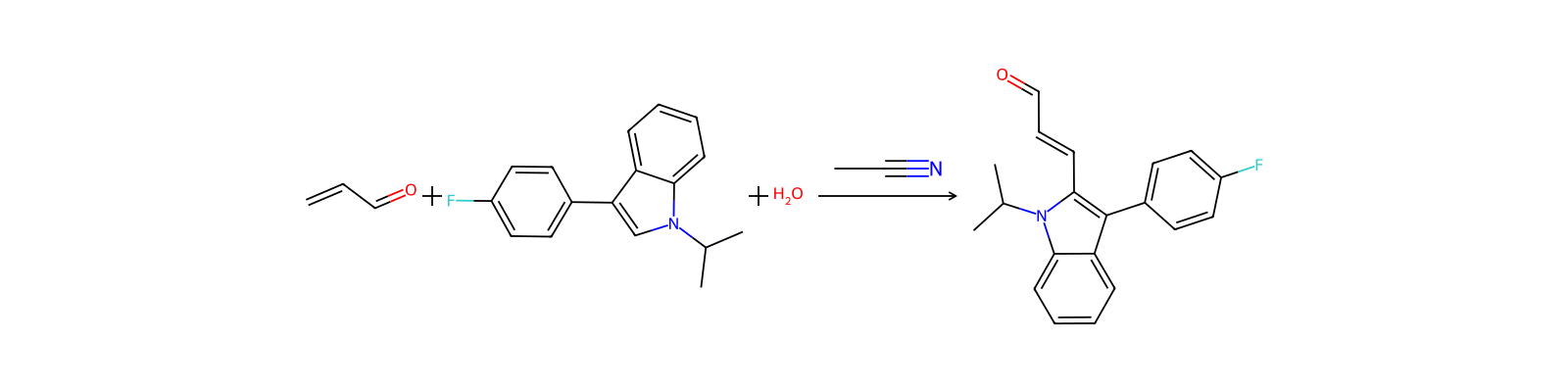
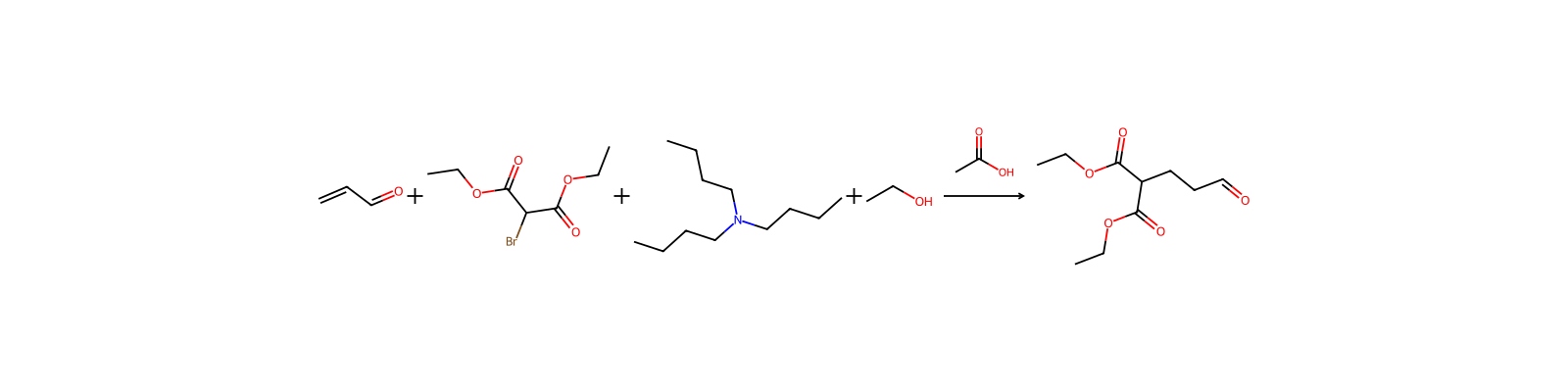
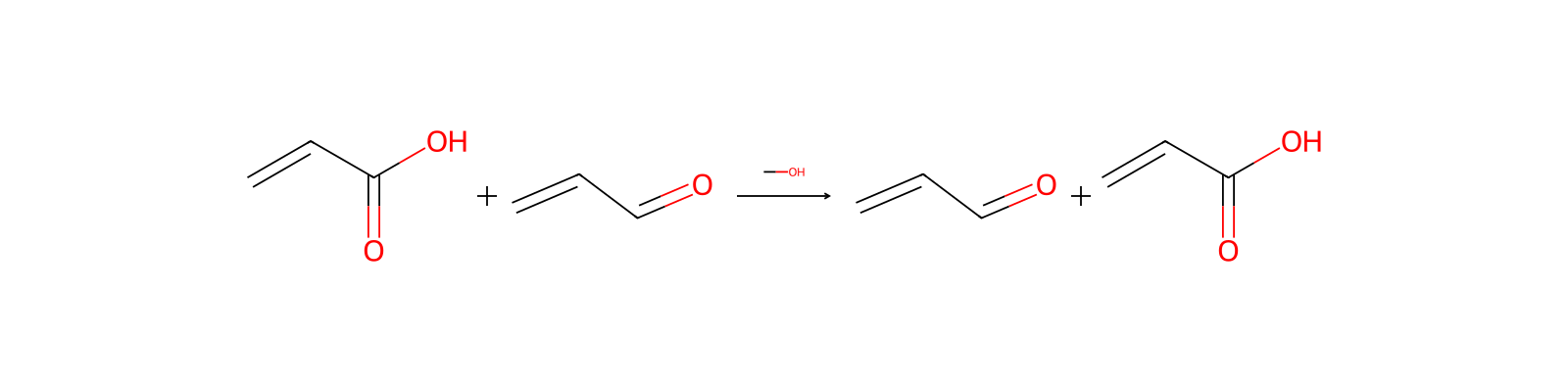
関連反応
383 件





関連ノート
読み込み中…