
基本情報
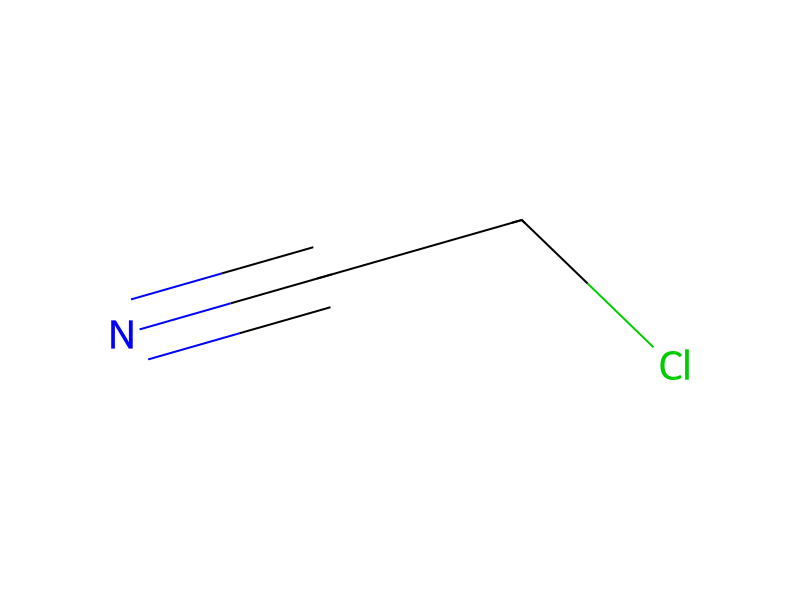
- 標準SMILES
N#CCCl- InChIKey
RENMDAKOXSCIGH-UHFFFAOYSA-N- 分子式
- C2H2ClN
- 平均分子量
- 75.5 g/mol
- 単同位体質量
- 74.98757674
概要
Chloroacetonitrile appears as a colorless liquid with a pungent odor. Flash point 118 °F. Insoluble in water and denser than water. Hence, sinks in water. Very toxic by ingestion, inhalation and skin absorption. A lachrymator. Used to make other chemicals and as a fumigant.
名称と識別子
- 優先名称
- Chloroacetonitrile
- IUPAC
- 2-chloroacetonitrile
- 現地名
- クロロアセトニトリル
- 英語名
- Chloroacetonitrile
- 分子式
- C2H2ClN
- 分子量
- 75.5
名称と別名
CHLOROACETONITRILE107-14-2ChloracetonitrileAcetonitrile, chloro-Chloromethyl cyanideMonochloroacetonitrileChloroethanenitrileMonochloromethyl cyanideUSAF KF-5alpha-ChloroacetonitrileDTXSID7021524CN524K9DXD
名称をさらに表示
クロロアセトニトリルクロロシアノメタンシアノメチルクロリド2-クロロアセトニトリルクロロメチルシアニドモノクロロメチルシアニドクロロアセトニトリル 塩化物シアン化クロロメチルクロロエタンニトリルCH2ClCNChlorocyanomethaneusafkf-5oroacetonitriLAKOS BBS-00004385chloro-acetonitril
NSC-6180DTXCID301524RefChem:125359203-467-02-ChloroacetonitrileC2H2ClNNSC 6180Acetonitrile, 2-chloro-
データベース識別子
- CAS
107-14-2、850261-36-8- PubChem CID
- 7856
- DTXSID
DTXSID7021524- ChEMBL
CHEMBL3187297- ChEBI
CHEBI:82416- UNII
- CN524K9DXD
- EC Number
- 203-467-0、694-285-4
- Nikkaji
- J4.056H
物性
構造計算による物性
- XLogP
- 0.5
- 極性表面積
- 23.8 Ų
- 水素結合供与体数
- 0
- 水素結合受容体数
- 1
- 回転可能結合数
- 0
- 重原子数
- 4
- 形式電荷
- 0
- 複雑度
- 41.2
実験および物理化学的性質
Chemical Classes
Nitrogen Compounds -> Nitriles
Flammable agents - 2nd degree
SpringerMaterials PropertiesCoriolis coupling
LogP
log Kow = 0.45
0.23
0.23
OdorPungent odor
Density
1.2020 to 1.2035 at 77 °F (NTP, 1992)
1.1930 g/cu cm at 20 °C
Relative density (water = 1): 1.19
1.193 @ 20°C
Color/FormColorless liquid
Solubility
50 to 100 mg/mL at 70.7 °F (NTP, 1992)
Soluble in hydrocarbons, alcohols
In ether and ethanol
In water, > 1X10+5 mg/L, temperature not specified
Solubility in water: none
Flash Point
118 °F (NTP, 1992)
47 °C
Boiling Point
259 to 261 °F at 760 mmHg (NTP, 1992)
126.5 °C
126 °C
126.5 °C @760 [mm Hg]
DecompositionWhen heated to decomposition it emits very toxic fumes of /chlorides, nitrogen oxides, and cyanides/.
Vapor Density
2.61 (Air = 1)
Relative vapor density (air = 1): 2.61
Vapor Pressure
8.7 [mmHg]
8 mm Hg at 20 °C
Vapor pressure, kPa at 20 °C: 1.16
15 [mm Hg] @30 °C
物理化学的性質
- 融点
- 38 ℃ · 38℃
- 沸点
- 124 · 124-126 °C (lit.)
- 比重(密度)
- 1.193 g/mL · 1.193 g/mL at 25 °C (lit.)
- 蒸気密度
- 3 · 3 (vs air)
- 蒸気圧
- 1.78 psi · 1.78 psi ( 20 °C)
- 屈折率
- 20 · n20/D 1.422(lit.)
- 闪点
- 118 °F · 118 °F
- 貯蔵温度
- 2 · 2-8°C
- 溶解性
- クロロホルム、酢酸エチル
- 外見
- 液体
- 色
- 無色透明
- 水溶解度
- 不溶性
- BRN
- 506028 · 506028
- Henry's Law Constant
- 9.1 · 9.1×10-1 mol/(m3Pa) at 25℃, HSDB (2015)
- Dielectric constant
- 30 · 30.0
- 安定性
- 安定ですが、水と反応します。可燃性。水、湿気、強力な酸化剤、酸とは相容れない。
- InChI
- 1S/C2H2ClN/c3-1-2-4/h1H2
- InChIKey
- RENMDAKOXSCIGH-UHFFFAOYSA-N
- SMILES
- ClCC#N
- LogP
- 0.45 · 0.45
- CAS データベース
- 107 · 107-14-2(CAS DataBase Reference)
- NISTの化学物質情報
- Acetonitrile, chloro-(107-14-2)
- EPAの化学物質情報
- Chloroacetonitrile (107-14-2)
安全と法規制
GHS分類
GHS Classification
Danger
H301: Toxic if swallowed [Danger Acute toxicity, oral]
P261, P262, P264, P270, P271, P273, P280, P301+P316, P302+P352, P304+P340, P316, P321, P330, P361+P364, P391, P403+P233, P405, and P501 (click each P-code to see the statement)
Danger
H226 (79.3%): Flammable liquid and vapor [Warning Flammable liquids]
P210, P233, P240, P241, P242, P243, P261, P262, P264, P264+P265, P270, P271, P273, P280, P301+P316, P302+P352, P303+P361+P353, P304+P340, P305+P351+P338, P316, P321, P330, P337+P317, P361+P364, P370+P378, P391, P403+P233, P403+P235, P405, and P501 (click each P-code to see the statement)
危険有害性情報
Hazards IdentificationToxic/poison by inhalation (TIH/PIH)
Regulatory Information
Chemical: Acetonitrile, chloro-
Status: Active Update: 02-12-2022 https://echa.europa.eu/registration-dossier/-/registered-dossier/20882
Chloroacetonitrile: Does not have an individual approval but may be used under an appropriate group standard
The New Jersey Worker and Community Right to Know Act requires public and private employers to provide information about hazardous substances at their workplaces. (N.J.S.A. 34:5A-1 et. seq.)
DOT LabelPoison Inhalation Hazard Flammable Liquid
Fire Hazards
Excerpt from ERG Guide 131 [Flammable Liquids - Toxic]:
· HIGHLY FLAMMABLE: Will be easily ignited by heat, sparks or flames.
Flammable. Gives off irritating or toxic fumes (or gases) in a fire. Above 47 °C explosive vapour/air mixtures may be formed.
Fire PotentialFlammable liquid.
Health Hazards
Excerpt from ERG Guide 131 [Flammable Liquids - Toxic]:
· TOXIC; may be fatal if inhaled, ingested or absorbed through skin.
Hazards SummaryA lachrymator; Burns the skin and eyes; Reacts with water and acids to form hydrogen chloride; Hydrogen cyanide and hydrogen chloride are produced in a fire; [CAMEO] See NITRILES.
DOT ID and Guide2668 131
Reactive GroupHalogenated Organic Compounds
EC ClassificationSymbol: T, N; R: 23/24/25-51/53; S: (1/2)-45-61
UN ClassificationUN Hazard Class: 6.1; UN Subsidiary Risks: 3; UN Pack Group: II
RCRA Requirements
P030; As stipulated in 40 CFR 261.33, when chloroacetonitrile, as a commercial chemical product or manufacturing chemical intermediate or an off-specification commercial chemical product or a manufacturing chemical intermediate, becomes a waste, it must be managed according to federal and/or state hazardous waste regulations. Also defined as a hazardous waste is any container or inner liner used to hold this waste or any residue, contaminated soil, water, or other debris resulting from the cleanup of a spill, into water or on dry land, of this waste. Generators of small quantities of this waste may qualify for partial exclusion from hazardous waste regulations (40 CFR 261.5(e)). /Cyanides (soluble cyanide salts), not otherwise specified/
安全と保護具
Fire Fighting
Excerpt from ERG Guide 131 [Flammable Liquids - Toxic]:
Use water spray, powder, foam, carbon dioxide. In case of fire: keep drums, etc., cool by spraying with water.
First Aid Measures
Fresh air, rest. Artificial respiration may be needed. Refer for medical attention.
Remove contaminated clothes. Rinse skin with plenty of water or shower. Refer for medical attention .
First rinse with plenty of water for several minutes (remove contact lenses if easily possible), then refer for medical attention.
Rinse mouth. Induce vomiting (ONLY IN CONSCIOUS PERSONS!). Refer for medical attention .
Accidental Release Measures
· CALL 911. Then call emergency response telephone number on shipping paper. If shipping paper not available or no answer, refer to appropriate telephone number listed on the inside back cover.
· ELIMINATE all ignition sources (no smoking, flares, sparks or flames) from immediate area.
First Aid
EYES: First check the victim for contact lenses and remove if present. Flush victim's eyes with water or normal saline solution for 20 to 30 minutes while simultaneously calling a hospital or poison control center. Do not put any ointments, oils, or medication in the victim's eyes without specific instructions from a physician. IMMEDIATELY transport the victim after flushing eyes to a hospital even if no symptoms (such as redness or irritation) develop.
General First Aid:
Safe StorageFireproof. Separated from strong oxidants, strong bases, strong acids and food and feedstuffs. Well closed. Cool. Ventilation along the floor.
Exposure Control and Personal Protection
· Wear positive pressure self-contained breathing apparatus (SCBA).
TIH (Toxic Inhalation Hazard) - Term used to describe gases and volatile liquids that are toxic when inhaled. Some are TIH materials themselves, e.g., chlorine, and some release TIH gases when spilled in water, e.g., chlorosilanes. [ERG 2016].
Fire Fighting Procedures
Use water spray, dry chemical, foam, or carbon dioxide. Use water spray to keep fire-exposed containers cool. Approach fire from upwind to avoid hazardous vapors and toxic decomposition products.
If material on fire or involved in fire: Do not extinguish fire unless flow can be stopped. Extinguish fire using agent suitable for type surrounding fire(Material itself using agent does not burn or burns with difficulty). Use water in flooding quantities as fog. Cool all affected containers with flooding quantities of water. Apply water from as far a distance as possible. Use foam, dry chemical, or carbon dioxide. Keep run-off water out of sewers and water sources.
Storage ConditionsStore in a cool, dry well-ventilated location. Separate from acids, alkalies, oxidizing materials, and reducing agents. Outside or detached storage preferred.
Cleanup Methods
Releases may require isolation or evacuation. Eliminate all ignition sources. Stop or control the leak, if this can be done with undue risk. Use water sprat or foam to cool and disperse vapors and protect personnel. Approach from upwind. Control runoff and isolate discharged material for proper disposal.
Nonfire Spill ResponseExcerpt from ERG Guide 131 [Flammable Liquids - Toxic]:
Disposal Methods
Generators of waste (equal to or greater than 100 kg/mo) containing this contaminant, EPA hazardous waste numbers D003 and P030 must conform with USEPA regulations in storage, transportation, treatment and disposal of waste. /Cyanides (soluble cyanide salts), not otherwise specified/
SRP: Wastewater from contaminant suppression, cleaning of protective clothing/equipment, or contaminated sites should be contained and evaluated for subject chemical or decomposition product concentrations. Concentrations shall be lower than applicable environmental discharge or disposal criteria. Alternatively, pretreatment and/or discharge to a permitted wastewater treatment facility is acceptable only after review by the governing authority and assurance that "pass through" violations will not occur. Due consideration shall be given to remediation worker exposure (inhalation, dermal and ingestion) as well as fate during treatment, transfer and disposal. If it is not practicable to manage the chemical in this fashion, it must be evaluated in accordance with EPA 40 CFR Part 261, specifically Subpart B, in order to determine the appropriate local, state and federal requirements for disposal.
A poor candidate for incineration. /Cyanides/
Spillage Disposal
Evacuate danger area! Consult an expert! Personal protection: complete protective clothing including self-contained breathing apparatus. Do NOT let this chemical enter the environment. Collect leaking and spilled liquid in sealable containers as far as possible. Absorb remaining liquid in sand or inert absorbent. Then store and dispose of according to local regulations. Do NOT wash away into sewer.
毒性情報
Environmental Fate
TERRESTRIAL FATE: Based on a classification scheme(1), an estimated Koc value of 9(SRC), determined from a structure estimation method(2), indicates that chloroacetonitrile is expected to have very high mobility in soil(SRC). Volatilization of chloroacetonitrile from moist soil surfaces is expected to be an important fate process(SRC) given an estimated Henry's Law constant of 1.08X10⁻⁵ atm-cu m/mole(SRC), using a fragment constant estimation method(2). Chloroacetonitrile is expected to volatilize from dry soil surfaces(SRC) based upon a vapor pressure of 8 mm Hg at 20 °C(3). Based on studies using pure culture soil methylotroph Methylosirius trichosporium OB-3b, chloroacetonitrile is expected to biodegrade in soil(4).
AQUATIC FATE: Based on a classification scheme(1), an estimated Koc value of 9(SRC), determined from a structure estimation method(2), indicates that chloroacetonitrile is not expected to adsorb to suspended solids and sediment(SRC). Volatilization from water surfaces is expected(3) based upon an estimated Henry's Law constant of 1.08X10⁻⁵ atm-cu m/mole(SRC), developed using a fragment constant estimation method(2). Using this Henry's Law constant and an estimation method(3), volatilization half-lives for a model river and model lake are 2 days and 25 days, respectively(SRC). According to a classification scheme(4), an estimated BCF of 3(SRC), from its log Kow of 0.45(5) and a regression-derived equation(2), suggests the potential for bioconcentration in aquatic organisms is low(SRC). The aqueous hydrolysis rate constant for chloroacetonitrile at 20 °C and pH 8.7 was experimentally determined to be 1.2X10⁻⁶/sec(6) which corresponds to a half-life of 6.68 days(SRC); hydrolysis rates at neutral or acidic conditions is much slower(6) by approximately one to two orders of magnitude based on observed hydrolysis rates of the nine haloacetonitriles used in the study(SRC). Based on studies using pure culture soil methylotroph Methylosirius trichosporium OB-3b, chloroacetonitrile is expected to biodegrade in water(7).
ATMOSPHERIC FATE: According to a model of gas/particle partitioning of semivolatile organic compounds in the atmosphere(1), chloroacetonitrile, which has a vapor pressure of 8 mm Hg at 20 °C(2), is expected to exist solely as a vapor in the ambient atmosphere(SRC). Vapor-phase chloroacetonitrile is degraded in the atmosphere by reaction with photochemically-produced hydroxyl radicals(SRC); the half-life for this reaction in air is estimated to be 240 days(SRC), calculated from its rate constant of 6.74X10⁻¹⁴ cu cm/molecule-sec at 25 °C(SRC) determined using a structure estimation method(3).
Adverse EffectsDermatotoxin - Skin burns.
Exposure RoutesThe substance can be absorbed into the body by inhalation of its aerosol, through the skin and by ingestion.
Signs and Symptoms
Sore throat. Cough. Headache. Laboured breathing. Weakness. Unconsciousness.
MAY BE ABSORBED! Redness. Further see Inhalation.
Redness.
Further see Inhalation.
Ongoing Test Status
The following link will take the user to the National Toxicology Program (NTP) Test Agent Search Results page, which tabulates all of the "Standard Toxicology & Carcinogenesis Studies", "Developmental Studies", and "Genetic Toxicity Studies" performed with this chemical. Clicking on the "Testing Status" link will take the user to the status (i.e., in review, in progress, in preparation, on test, completed, etc.) and results of all the studies that the NTP has done on this chemical.[Available from, as of June 21, 2012: http://ntp-apps.niehs.nih.gov/ntp_tox/index.cfm?fuseaction=ntpsearch.searchresults&searchterm=107-14-2]
Effluent ConcentrationsChloroacetonitrile has been qualitatively detected in a wastewater effluent collected from the electronics industry (source and sampling date not reported)(1); and in the effluents from water treatment facilities that use chlorination(2).
ICSC Environmental DataThe substance is toxic to aquatic organisms.
Soil Adsorption/Mobility
Using a structure estimation method based on molecular connectivity indices(1), the Koc of chloroacetonitrile can be estimated to be 9(SRC). According to a classification scheme(2), this estimated Koc value suggests that chloroacetonitrile is expected to have very high mobility in soil.
Human Toxicity Excerpts
/GENOTOXICITY/ Chlorinated and brominated haloacetonitriles (HAN) were investigated for genotoxic activity. The HAN produced DNA strand breaks in cultured human lymphoblastic (CCRF-CEM) cells, bound to the nucleophilic trapping agent 4-(p-nitrobenzyl)pyridine and formed a covalent bond to polyadenylic acid in a cell-free reaction system. Thus, /it was/ demonstrated that these chemicals are genotoxic, which would indicate a potential for carcinogenic activity and for human health hazard. /haloacetonitriles/
/GENOTOXICITY/ The alkylating potential of the HAN to react with the electrophile-trapping agent, 4-(p-nitrobenzyl)pyridine, followed the order dibromoacetonitrile (DBAN) greater than bromochloroacetonitrile (BCAN) greater than chloroacetonitrile (CAN) greater than dichloroacetonitrile (DCAN) greater than trichloroacetonitrile (TCAN). ... The HAN produced DNA strand breaks in cultured human lymphoblastic (CCRF-CEM) cells. TCAN was the most potent DNA strand breaker, and BCAN greater than DBAN greater than DCAN greater than CAN, which was only marginally active. DCAN reacted with polyadenylic acid and DNA to form adducts in a cell-free system; however, the oral administration of DBAN or DCAN to rats did not result in detectable adduct formation in liver DNA. ...
/ALTERNATIVE and IN VITRO TESTS/ The present studies were initiated to measure the permeation coefficients (K(p)) for haloacetonitriles (HANs) and chloral hydrate (CH), important cytotoxic DBPs. The K(p) values measured using fully hydrated dermatomed torso skin at 37 °C for the HANs ranged from 0.099 to 0.17 cm h(-1) , and was 0.0039 cm h(-1) for CH. Of the HANs, dibromoacetonitrile had the highest permeability while chloroacetonitrile had the lowest permeability and a direct relationship was observed between their K(p) and their octanol/water partition coefficients (K(ow) ). The K(p) values of the HANs were also approximately 30 times that of CH. The monthly dermal and ingestion doses of HANs and CH of an average American population were estimated using Monte Carlo simulations. The dermal doses of HANs from showering and bathing ranged from 0.39 to 0.78 times their ingestion doses but only approximately 0.02 times their ingestion doses for CH, assuming that the K(p) values determined are applicable to shorter water contact times. However, that ratio can vary markedly with chlorinated swimming pool exposures, with a range of 0.30-2.3 for HANs and 0.19-0.25 for CH. Dermal exposure to HANs and CH seems to be a significant route of exposure and should be considered when evaluating their total exposure during the routine usage of water for bathing and swimming. /haloacetonitriles/
/OTHER TOXICITY INFORMATION/ Sister chromatid exchange was induced in one study using Chinese hamster ovary (CHO) cells, and DNA strand breaks (weakly) were induced in another using a human lymphoblast cell line.
Artificial Pollution Sources
Chloroacetonitrile's production and use as a chemical intermediate in the synthesis of the cardiovascular drug guanethidine and the insecticide fenoxycarb(1) may result in its release to the environment through various waste streams(SRC). Chloroacetonitrile has been detected in the wastewater effluent from the electronics industry(2) and in the effluents from water treatment facilities that use chlorination(3). Chloroacetonitrile is reported to be a disinfectant by-product of drinking water chlorination(4,5).
Environmental Biodegradation
PURE CULTURE: The biodegradation of chloroacetonitrile was studied using the soil methylotroph Methylosirius trichosporium OB-3b at pH 7.4 with 0.1 M phosphate buffer. Chloroacetonitrile was degraded entirely after 24 hours with formate being the major degradation product. Carbon monoxide, carbon dioxide, bicarbonate and cyanide were also listed as biodegradation products(1).
Carcinogen Classification
Chloroacetonitrile
Group 3: Not classifiable as to its carcinogenicity to humans
Volume 52: (1991) Chlorinated Drinking-water; Chlorination By-products; Some Other Halogenated Compounds; Cobalt and Cobalt Compounds
1999
1998
法規制情報
RCRA Requirements
P030; As stipulated in 40 CFR 261.33, when chloroacetonitrile, as a commercial chemical product or manufacturing chemical intermediate or an off-specification commercial chemical product or a manufacturing chemical intermediate, becomes a waste, it must be managed according to federal and/or state hazardous waste regulations. Also defined as a hazardous waste is any container or inner liner used to hold this waste or any residue, contaminated soil, water, or other debris resulting from the cleanup of a spill, into water or on dry land, of this waste. Generators of small quantities of this waste may qualify for partial exclusion from hazardous waste regulations (40 CFR 261.5(e)). /Cyanides (soluble cyanide salts), not otherwise specified/
安全データ
- wgk
- 3
- IDLA
- 14 ppm
- tsca
- TSCA listed
- rtecs
- AL8225000
- ridadr
- UN 2668
- hs_code
- 29269095
- risk_code
- 23/24/25-51/53
- 化審法
- (2)-3209
- 消防法
- 危-4-2-III
- hazard_code
- T,N
- safety_code
- 45-61
- hazard_class
- 6.1
- packing_group
- I
- 毒劇物取締法
- 劇物
- Hazard Classifications
- Acute Tox. 2 DermalAcute Tox. 3 InhalationAcute Tox. 3 OralAquatic Chronic 2Eye Irrit. 2Flam. Liq. 3
- ストレージクラス
- 3 - Flammable liquids
- 有毒物質データの
- 107-14-2(Hazardous Substances Data)
化学と産業
薬理情報
Mechanism of Action
... To examine the mechanism of /chloroacetonitrile (CAN)/ toxicity, /investigators/ studied its effect on glutathione (GSH) homeostasis and its impact on oxidative DNA damage in gastric mucosal cells of rats. Following a single oral dose (38 or 76 mg/kg) of CAN, animals were sacrificed at various times (0-24 hr), and mucosa from pyloric stomach were collected. The effects of CAN treatment on gastric GSH contents and the integrity of genomic gastric DNA were assessed. Oxidative damage to gastric DNA was evaluated by measuring the levels of 8-Hydroxydeoxyguanosine (8-OHdG) in hydrolyzed DNA by HPLC-EC. The results indicate that CAN induced a significant, dose- and time-dependent, decrease in GSH levels in pyloric stomach mucosa at 2 and 4 hours after treatment (56 and 39% of control, respectively). DNA damage was observed electrophoretically at 6 and 12 hours following CAN administration. CAN (38 mg/kg) induced significant elevation in levels of 8-OHdG in gastric DNA. Maximum levels of 8-OHdG in gastric DNA were observed at 6 hours after CAN treatment [9.59+/-0.60 (8-OHdG/10(5)dG) 146% of control]. When a high dose of CAN (76 mg/Kg) was used, a peak level of 8-OHdG [11.59+/-1.30 (8-OHdG/10(5)dG) 177% of control] was observed at earlier times (2 h) following treatment. When CAN was incubated with gastric mucosal cells, a concentration-dependent cyanide liberation and significant decrease in cellular ATP levels were detected. These data indicate that a mechanism for CAN-induced toxicity may be partially mediated by depletion of glutathione, release of cyanide, interruption of the energy metabolism, and induction of oxidative stress that leads to oxidative damage to gastric DNA.
Distinct dichloromethane dehalogenases from Methylobacterium sp. strain DM4 and Methylophilus DM11 were inhibited by low concentrations of haloacetonitriles. Chloroacetonitrile (ClCH2CN) showed maximal inhibition at a stoichiometry of 1 mol inhibitor:1 mol holoenzyme for both enzymes. This stoichiometry is suggestive of one active site per holoenzyme or extreme negative cooperativity amongst the subunits. Radiolabelled ClCH2CN dissociated completely or partially from the two dehalogenases, respectively, during chromatography. This suggested ClCH2CN was bound non-covalently.
Acetonitrile (AN) and seven of its halogenated derivatives known to be water disinfectant by-products were evaluated for their action on hepatic cytosolic glutathione S-transferase (GST) activity using 1-chloro-2,4-dinitrobenzene (CDNB) as substrate. Increasing concentrations of acetonitrile, monofluoroacetonitrile (MFAN), monochloroacetonitrile (MCAN), and monobromoacetonitrile (MBAN) up to 10 mM failed to produced 50% inhibition of the activity of GST enzyme. ...
Haloacetonitriles, which are water chlorination by-products, are mutagens, carcinogens and teratogens. In vitro, the reaction of the haloacetonitriles bromoacetonitrile (BAN), chloroacetonitrile (CAN), dichloroacetonitrile (DCAN) and trichloroacetonitrile (TCAN) with calf thymus DNA produced fluorescent DNA derivatives. The reactivity of haloacetonitriles towards DNA was in the order of BAN > CAN > DCAN > TCAN. ... The DNA interaction was dependent on haloacetonitrile concentration. Higher affinity of haloacetonitriles towards single-stranded DNA (SS-CT-DNA) than towards double-stranded DNA (DS-CT-DNA) was observed. ... A major fluorescent peak was detected in the enzymatic hydrolysate that was not present in unreacted DNA. In the acid hydrolysate, one fluorescent peak was detected that was not present in unreacted DNA. Authentic 7-(cyanomethyl)guanine was synthesized by the reaction of CAN with 2'-deoxyguanosine and the product was purified and characterized spectroscopically. The product, 7-(cyanomethyl)guanine, was found to be chromatographically and spectroscopically identical to the fluorescence product that was obtained following haloacetonitrile-DNA interaction. This study shows that haloacetonitriles, in vitro, are capable of alkylating DNA at the guanine moiety to form a 7-(cyanomethyl)guanine adduct.
Metabolism/Metabolites
Chloroacetonitirile is metabolized to hydrogen cyanide by mouse hepatic microsomal fractions.
Approximately 14% of a single oral dose to rats of 57 mg/kg body weight of chloroacetonitrile was excreted in urine within 24 hours as thiocyanate, the product of released cyanide metabolized by rhodanese.
Haloacetonitriles, contaminants present in chlorinated drinking water, were administered orally to rats, and the urinary excretion of thiocyanate was measured as an index of cyanide release. The urinary excretion of thiocyanate accounted for 14.2% of the dose of monochloroacetonitrile ...
Absorption, Distribution and Excretion
... Male Sprague-Dawley rats were treated with a tracer dose of 2-(14)C-/chloroacetonitirile (CAN)/ (i.v., 88 muCi/kg, spec. act 4.07 mCi/mM). At various time intervals (0.08, 1, 3, 6, 12, 24, and 48 hr) after treatment, rats were processed for WBA, /whole body autoradiography/. Over 12 hr after administration, the radioactivity excreted in urine, feces, and exhaled as (14)CO2 accounted for 51%, 2.7%, and 12% of the dose, respectively. Only 0.8% of the administered dose was exhaled as unchanged CAN. At an early time interval (5 min) extensive accumulation of radioactivity was observed in liver, kidney, and gastrointestinal (G.I.) walls. In addition, high levels of (14)C were detected in the thyroid gland, lung bronchioles, adrenal cortex, salivary gland, and testes. At 1 hr following administration, the olfactory bulb, olfactory receptor area of the brain and lumbar cistern showed high accumulations of radioactive CAN or its equivalents. At 3, 6, and 12 hr after treatment, the radioactivity diffused homogeneously in all tissues and reconcentrated in several organs at later time periods (24 and 48 hr). ... The retention of radioactivity in the tissues of the thyroid gland, G.I., testes, brain and eye suggest that those organs are potential target sites of CAN toxicity.
... /Investigators sought to/ understand the potential mechanisms involved in such molecular interactions by examining the disposition, transplacental uptake and covalent interaction of the chemical in normal and GSH depleted pregnant mice (at 13th day of gestation). Both normal and GSH depleted (by administration of Diethylmaleate (DEM), 0.6 mL/kg, i.p.) pregnant mice were given an equitoxic i.v. dose of 2-(14)C-CAN (333 uCi/kg equivalent to 77 mg/kg). Animals were processed for whole-body autoradiography (WBA) at 1, 8 and 24 hr after treatment. Tissue distribution of radioactivity in the autoradiographs was quantitated using computer aided image analysis. With few exceptions, a rapid high uptake (at 1 hr) of radioactivity was observed in all major maternal (liver, lung, urinary bladder, gastrointestinal mucosa, cerebellum, uterine luminal fluid) and fetal (liver, brain) organs of both normal and GSH depleted mice. This pattern of distribution was observed, with lesser intensity, at 8 hr following treatment. At a later time period (24 hr), there was a significant higher retention and covalent interaction of radioactivity in GSH depleted mouse tissues especially in the liver as compared to normal mouse. This study suggests that 2-(14)C-CAN and/or its metabolites are capable of crossing the placental barrier. The observed higher uptake and retention of the radioactivity in the maternal liver, kidney, cerebellum, nasal turbinates and fetal liver may pose toxicity of the chemical to these organs. The increased covalent interaction of radioactivty in GSH depleted mice liver may indicate the potential utilization of GSH pathway by this organ in the detoxication of CAN derived metabolites and thus exerting hepatotoxicity.
用途と製造
Uses
Used as a chemical intermediate and fumigant; [CAMEO]
Farming (Pesticides) [Category: Industry]
Used as an organic intermediate in the synthesis of the cardiovascular drug guanethidine and the insecticide fenoxycarb.
Methods of Manufacturing
Chloroacetonitrile can be selectively obtained by the photochemical chlorination of acetonitrile with chlorine in the presence of, for example, SnCl4. Another method is based on the dehydration of chloroacetamide with, e.g., phosphorous pentoxide.
General Manufacturing InformationAcetonitrile, 2-chloro-: ACTIVE
応用分野
用途農薬、燻蒸剤、中間体
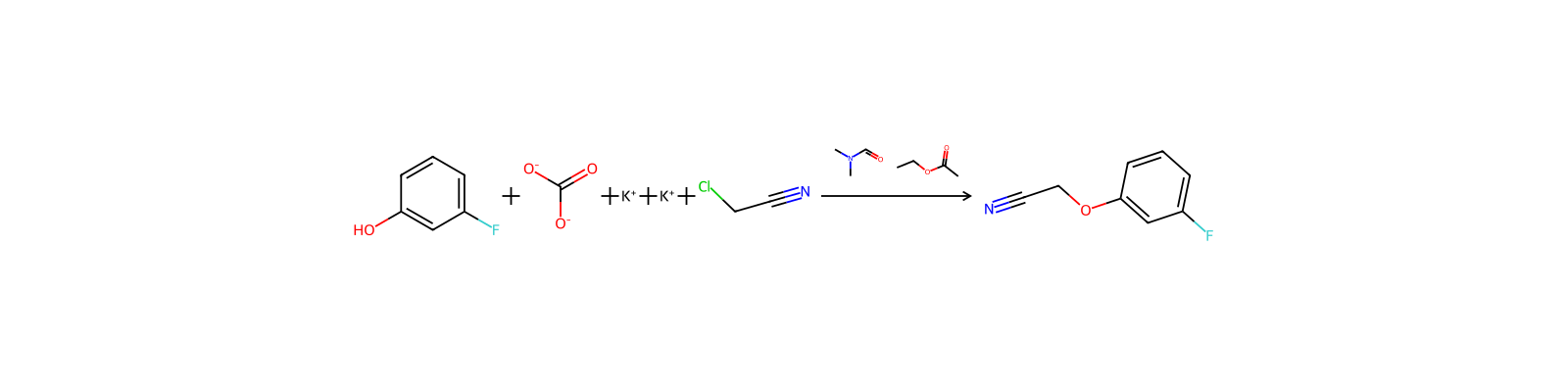
使用Chloroacetonitrile is used in the electrochemical synthesis of cyanoacetic acid with carbon dioxide. It is involved in phase-transfer-catalyzed Darzen's condensation reaction with cyclohexanone. It is also used as an eluent additive in thermospray liquid chromatography/mass spectrometry. Further, it is used to prepare polysubstituted pyrido[1,2-a]benzimidazole by reacting with other reactant such as malononitrile, aromatic aldehyde and pyridine.
一般的な説明A colorless liquid with a pungent odor. Flash point 118°F. Insoluble in water and denser than water. Hence, sinks in water. Very toxic by ingestion, inhalation and skin absorption. A lachrymator. Used to make other chemicals and as a fumigant.
調製方法
製造方法In a 3-L round-bottomed, threenecked flask fitted with an efficient mechanical stirrer, a reflux condenser, and a thermometer were placed phosphorus pentoxide (170 g, 1.2 mol), chloroacetamide 1423 (187 g, 2 mol), and dry technical grade trimethylbenzene (800 mL). The mixture was gently refluxed with vigorous stirring for 1 h. It was then allowed to cool to about 100 C° with continuous stirring, and the reflux condenser was replaced with a distillation head fitted with a thermometer and a water-cooled condenser. The crude product and part of the solvent were distilled at atmospheric pressure. The yield of crude product boiling at 124–128 C° was 121–131 g (80–87%). In order to obtain a pure product, the crude chloroacetonitrile was mixed with phosphorus pentoxide (10 g) and redistilled through an efficient packed fractionating column. The yield of pure chloroacetonitrile distilling at 123–124 C° was 93–106 g (62–70%).
純化方法Reflux it with P2O5 for one day, then distil it through a helices-packed column. Also purified by gas chromatography. [Beilstein 2 IV 492.] LACHRYMATOR, HIGHLY TOXIC.
上流・下流製品情報
上流原料
下流製品
サプライヤー50 社
国药集团化学试剂有限公司86-21-63210123 · [email protected]
梯希爱(上海)化成工业发展有限公司021-67121386 · [email protected]
衢州润东化工有限公司0570-8789886 18892685668 · [email protected]
艾斯提克(山东)生物医药有限公司21-58999881 15623240527 · [email protected]
上海阿拉丁生化科技股份有限公司400-6206333 13167063860 · [email protected]
爱斯特(成都)生物制药股份有限公司+86-28-85122536 85324413 · [email protected]
Baoji Guokang Healthchem co.,ltd+8615604608665 15604608665 · [email protected]
南通如通化工有限公司18962933129 18962933129 · [email protected]
Dayang Chem (Hangzhou) Co.,Ltd.+86-0571-88938639 17705817739 · [email protected]
科瑞迪化学400-821-5857 021-64326257 · [email protected]
武汉捷又顺化工科技有限公司18062118104; 18062118104
Syntechem Co.,Ltd[email protected]
上海迈瑞尔生化科技有限公司4006356688 18621169109 · [email protected]
阿法埃莎(中国)化学有限公司400-6106006 · [email protected]
安耐吉化学&3A(安徽泽升科技股份有限公司)400-0056266 · [email protected]
山东八千合化工有限公司15865655795 · [email protected]
上海瀚鸿科技股份有限公司021-54306202 13764082696 · [email protected]
上海景颜化工科技有限公司13817811078 · [email protected]
嘉兴市艾森化工有限公司0573-85285100 18627885956 · [email protected]
武汉威顺达科技发展有限公司86-027-88774375 · [email protected]
玛雅试剂+86 (573) 82222445 (0)18006601000 452520369 · [email protected]
四川库利南科技有限公司400-1166-196 18981987031 · [email protected]
天津希恩思生化科技有限公司400 638 7771 · [email protected]
南京维奥化工有限公司Please Send Email 18652950785 · [email protected]
斯百全化学(上海)有限公司021-021-021-67601398-809-809-809 15221380277 · [email protected]
上海思域化工科技有限公司86-21-34053660 · [email protected]
赛默飞世尔科技(中国)有限公司800-810-5118 · [email protected]
江苏艾康生物医药研发有限公司025-66113011 13913916777 · [email protected]
TOKYO CHEMICAL INDUSTRY CO., LTD.03-36680489 · [email protected]
上海贤鼎生物科技有限公司4009209199 · [email protected]
深圳康特腾科技有限公司86-0755-86635001 · [email protected]
越林试剂021-62960152 · [email protected]
无锡中坤生化科技有限公司+86 0510-85629785
北京环宇世纪化学科技有限公司hysj_bj.com
上海湄水化工科技有限公司021-60549325 18616193163
上海将来实业股份有限公司400-0066400 13621662912 · [email protected]
HBCChem, Inc.+1-510-219-6317 · [email protected]
成都迈斯克医药科技有限公司028-84552636 18084815636 · [email protected]
日照力德士化工有限公司010-51268198 · [email protected]
郑州阿尔法化工有限公司0371-53732842 15981811963 · [email protected]
美岚实业(上海)有限公司021-58958189 · [email protected]
上海爱蝶实业有限公司021-58957966 18930537195 · [email protected]
成都零六生物科技有限公司400-1166-196 13458535857 · [email protected]
广拓化学(上海)有限公司021-60899189-8001 18918189673 · [email protected]
雷丁试剂0510-85629785 18013409632 · [email protected]
上海御略医药科技有限公司021-60345187 13671753212 · [email protected]
上海麦克林生化科技股份有限公司15221275939 15221275939 · [email protected]
杭州杰恒化工有限公司0571-87396432 · [email protected]
上海嵩爰化工科技有限公司010-1234567 18521000990 · [email protected]
上海有朋化工有限公司021-69005955 13701776567 · [email protected]
関連反応
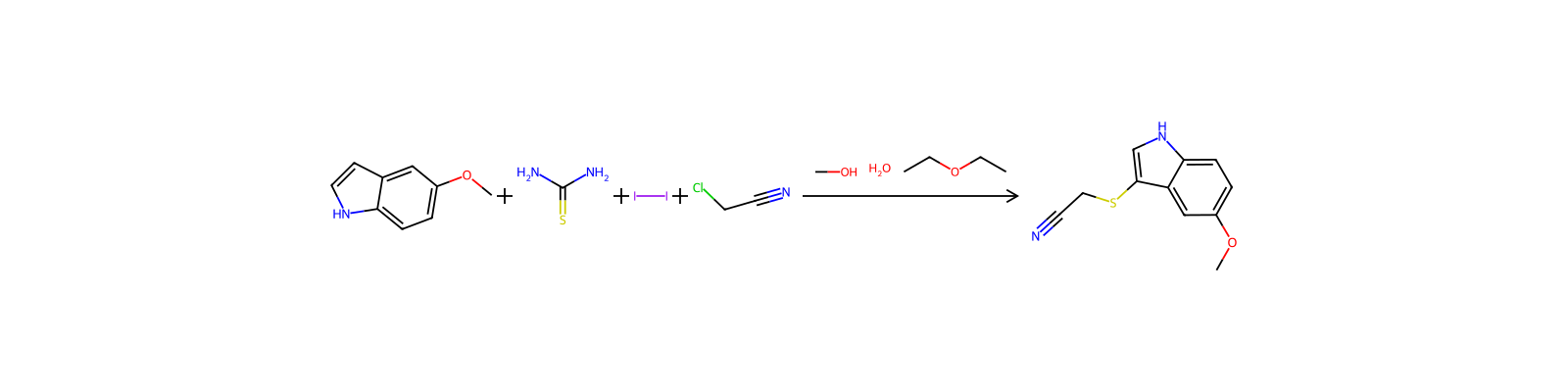
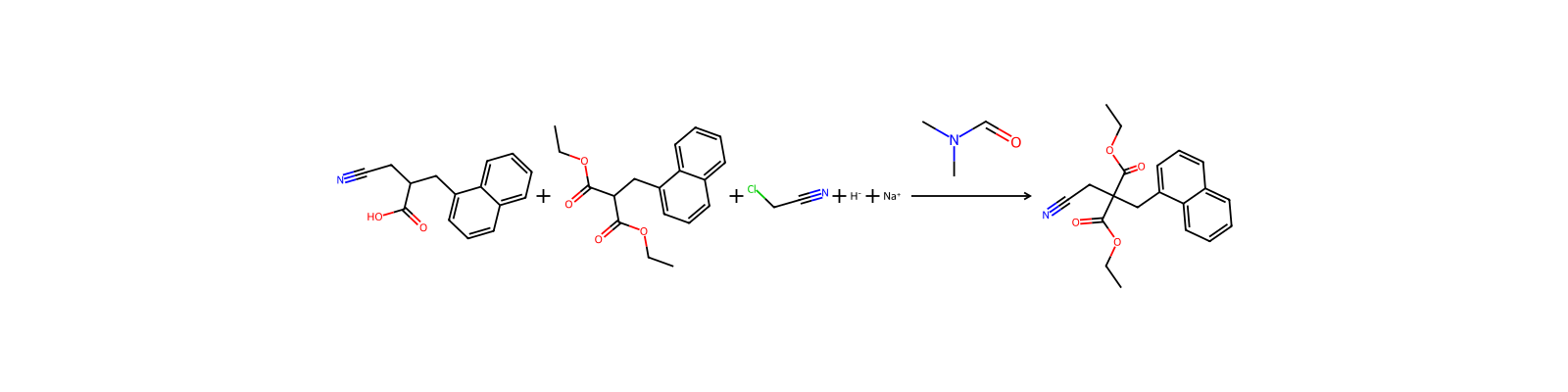
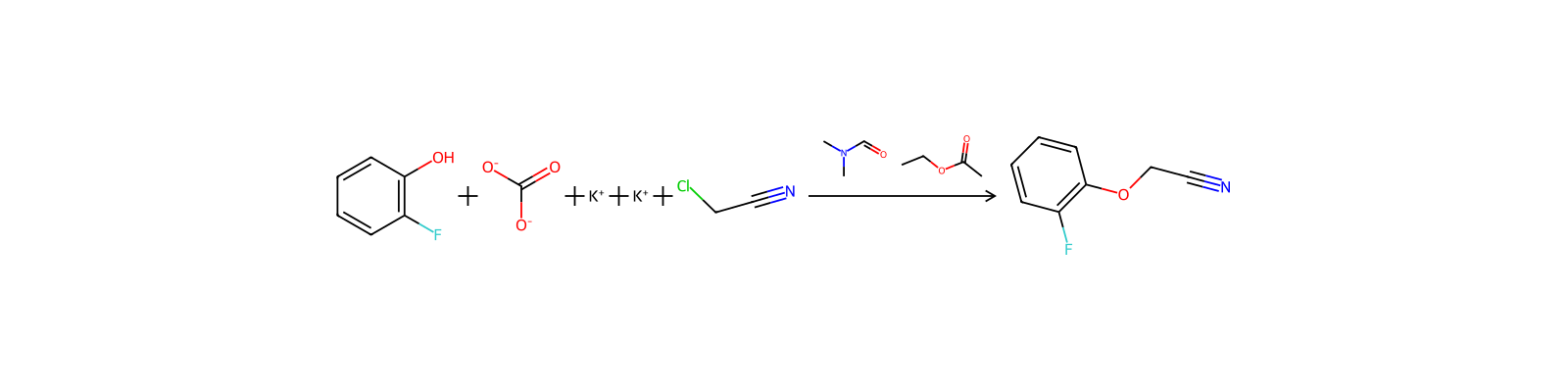
1,125 件


関連ノート
読み込み中…