ホームMCPワークベンチSkills
ホームワークベンチ通知マイページ
llms.txt · MCPガイドプライバシーポリシー · 利用規約 · サポートv1.8.0
  1. ホーム
  2. /化合物

酢酸イソプロペニル

Isopropenyl acetate

HCID 7916
ノートを作成反応を作成見積依頼を出す
印刷プレビュー
基本情報概要名称と識別子物性安全と法規制化学と産業関連反応化合物ノート
部分構造検索類似構造を探す

基本情報

CAS
108-22-5
標準SMILES
C=C(C)OC(C)=O
InChIKey
HETCEOQFVDFGSY-UHFFFAOYSA-N
分子式
C5H8O2
平均分子量
100.12 g/mol
単同位体質量
100.0524295

概要

Isopropenyl acetate appears as a clear colorless liquid. Less dense than water. Vapors heavier than air. Used to make other chemicals.

名称と識別子

優先名称
Isopropenyl acetate
IUPAC
prop-1-en-2-yl acetate
現地名
酢酸イソプロペニル
英語名
Isopropenyl acetate
分子式
C5H8O2
分子量
100.12

名称と別名

Isopropenyl acetate108-22-5prop-1-en-2-yl acetate1-Methylvinyl acetate2-Acetoxypropene2-AcetoxypropyleneMethylvinyl acetatePropen-2-yl acetate1-Propen-2-yl acetate1-PROPEN-2-OL, ACETATE1-Acetoxy-1-methylethyleneAcetic acid, isopropenyl ester
名称をさらに表示
酢酸イソプロペニルイソプロペニル=アセタート酢酸1-メチルエテニル1-プロペン-2-オール=アセタート2-アセトキシ-1-プロペン1-プロペン-2-オールアセタート酢酸1-メチルビニル酢酸ISO-プロペニル酢酸プロプ-1-エン-2-イル1-メチルビニル酢酸1-PROPEN-2-OL ACETATEACETIC ACID ISOPROPENYL ESTERIsopropyl Acrtatepropen-2-ylacetateACETONENOL ACETATEIPA)Isopropenyl ace
Isopropenylester kyseliny octoveDTXSID30314924AR9LAS337NSC-2197DTXCID1011492FEMA NO. 4152RefChem:149787203-562-7

データベース識別子

CAS
108-22-5
PubChem CID
7916
DTXSID
DTXSID3031492
ChEMBL
CHEMBL1385681
ChEBI
CHEBI:173340
UNII
4AR9LAS337
EC Number
203-562-7
Nikkaji
J35.907F

物性

構造計算による物性

XLogP
1
極性表面積
26.3 Ų
水素結合供与体数
0
水素結合受容体数
2
回転可能結合数
2
重原子数
7
形式電荷
0
複雑度
94.3

実験および物理化学的性質

Chemical Classes · 2 件

Other Classes -> Esters, Other

Flammable agents - 3rd degree

SpringerMaterials PropertiesBoiling point
Food AdditivesFLAVORING AGENT OR ADJUVANT -> FDA Substance added to food
Density0.9090 g/cu cm at 20 °C
Flavoring AgentsEU Flavoring substances
Color/Form · 2 件

WATER WHITE LIQUID

Liquid

Solubility · 2 件

Soluble in ethanol and acetone, very soluble in ethyl ether.

Solubility in water 3.25% by weight.

Flash Point · 3 件

60 °F (NFPA, 2010)

15.5 °C

60 °F (16 °C) (CLOSED CUP)

Boiling Point97 °C
DecompositionWhen heated to decomposition it emits acrid smoke and irritating fumes.
Melting Point · 2 件

安全と法規制

安全情報は参考情報です。供給元の安全データシート(SDS)、適用法令、専門家による評価に代わるものではありません。

GHS分類

GHS Classification · 4 件

Danger

H225 (100%): Highly Flammable liquid and vapor [Danger Flammable liquids]

P210, P233, P240, P241, P242, P243, P261, P271, P280, P303+P361+P353, P304+P340, P319, P370+P378, P403+P233, P403+P235, P405, and P501 (click each P-code to see the statement)

Aggregated GHS information provided per 300 reports by companies from 8 notifications to the ECHA C&L Inventory. Each notification may be associated with multiple companies.

危険有害性情報

Regulatory Information · 5 件

Chemical: 1-Propen-2-ol, acetate

Commission Regulation (EC) No 1565/2000 (Repealed by Com. Implementing Reg. (EU) No 872/2012)

Status: Active Update: 16-12-2019 https://echa.europa.eu/registration-dossier/-/registered-dossier/17298

Isopropenyl acetate: Does not have an individual approval but may be used under an appropriate group standard

The New Jersey Worker and Community Right to Know Act requires public and private employers to provide information about hazardous substances at their workplaces. (N.J.S.A. 34:5A-1 et. seq.)

DOT LabelFlammable Liquid
Fire Hazards · 2 件

Excerpt from ERG Guide 129 [Flammable Liquids (Water-Miscible / Noxious); polymerization hazard]:

· HIGHLY FLAMMABLE: Will be easily ignited by heat, sparks or flames.

Fire Potential...DANGEROUS FIRE RISK.
Health Hazards · 2 件

Excerpt from ERG Guide 129 [Flammable Liquids (Water-Miscible / Noxious); polymerization hazard]:

· May cause toxic effects if inhaled or absorbed through skin.

Hazards Summary · 1 件

A mild irritant; Narcotic in high concentrations; [Merck Index] May be toxic by inhalation and skin absorption; [CAMEO] Inhalation of high concentrations can cause CNS depression; [CHEMINFO] A mild to moderate irritant; [MSDSonline] Isopropenyl acetate (UN2403) has warning of explosive polymerization; [ERG 2016]

化学と産業

薬理情報

Cellular LocationsCytoplasm

用途と製造

Uses · 2 件

Used as a reagent for acrylation of potential enols; [Merck Index]

REAGENT FOR ACYLATION OF POTENTIAL ENOLS

Methods of Manufacturing · 1 件

...FROM KETENE + ACETONE: HULL, AGETT; HAGEMEYER, US PATENTS 2,481,669; 2,476,860 (BOTH 1949 TO EASTMAN KODAK); YOUNG, US PATENTS 2,461,016; 2,511,423 (1949, 1950 BOTH TO CARBIDE & CARBON CHEM); MAWER, US PATENT 2,684,980 (1954 TO ICI); BUTTNER, ENK, US PATENT 2,867,653 (1959 TO WACKER-CHEMIE).

Use ClassificationFlavouring Agent -> -> JECFA Functional Classes
General Manufacturing Information1-Propen-2-ol, 2-acetate: ACTIVE
応用分野 · 3 件

用途有機合成原料。

使用Iodine in isopropenyl acetate is a unique catalyst for the acetylation of a variety of alcohols, phenols and amines under solvent free conditions. It is used as a solvent for cellulose, plastics, oil and fats. It is also a building block used for various organic synthesis.

一般的な説明A clear colorless liquid. Flash point near 60°F. Boiling point near 200°F. Less dense than water. Vapors heavier than air. Used to make other chemicals.

上流・下流製品情報

上流原料

prop-1-en-2-ol1-Propen-1-ol, acetate1,2-プロパンジオール2-アセタート

関連反応

208 件
反応記録を作成
HRID 3984 の反応式
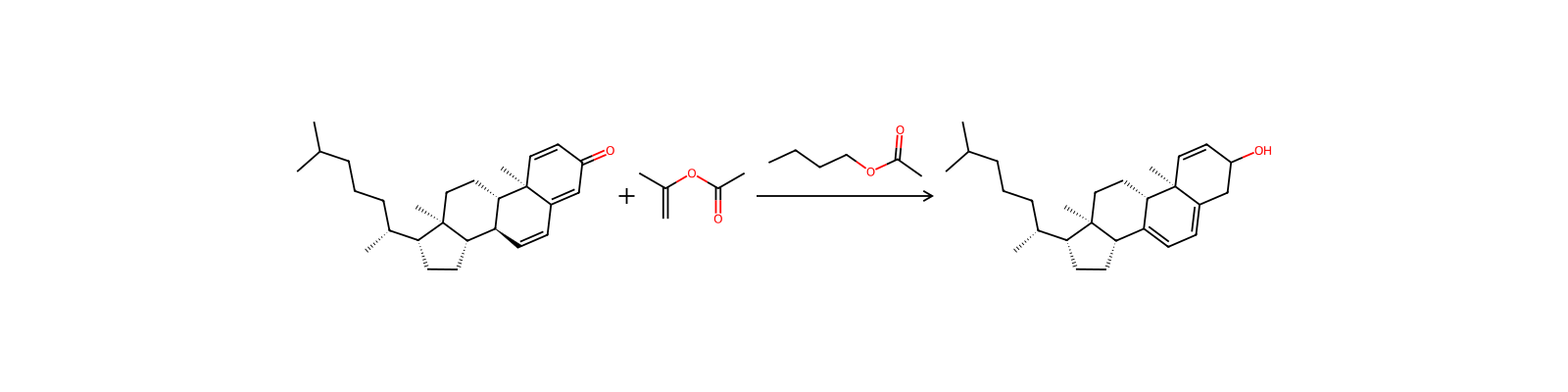
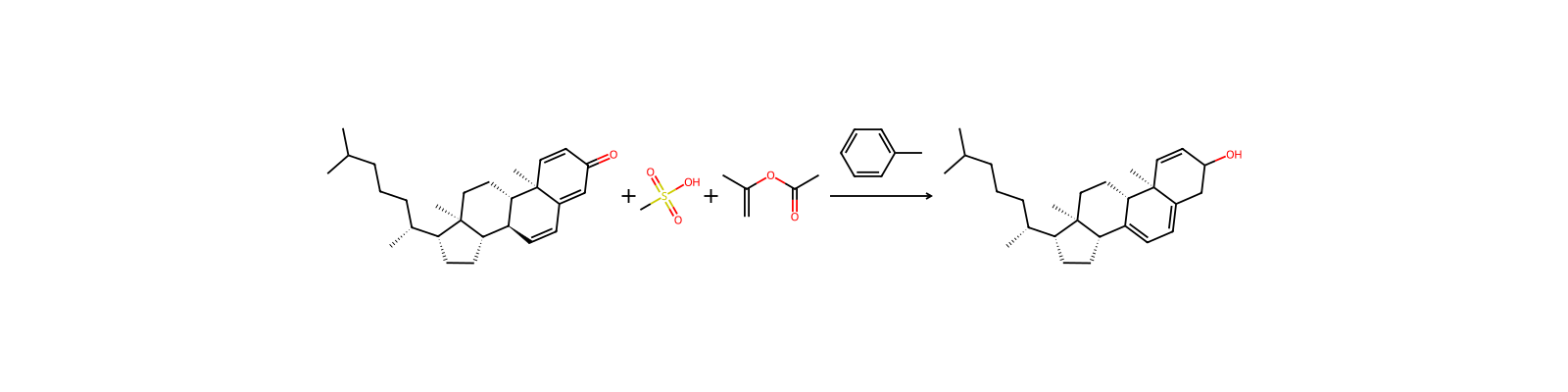
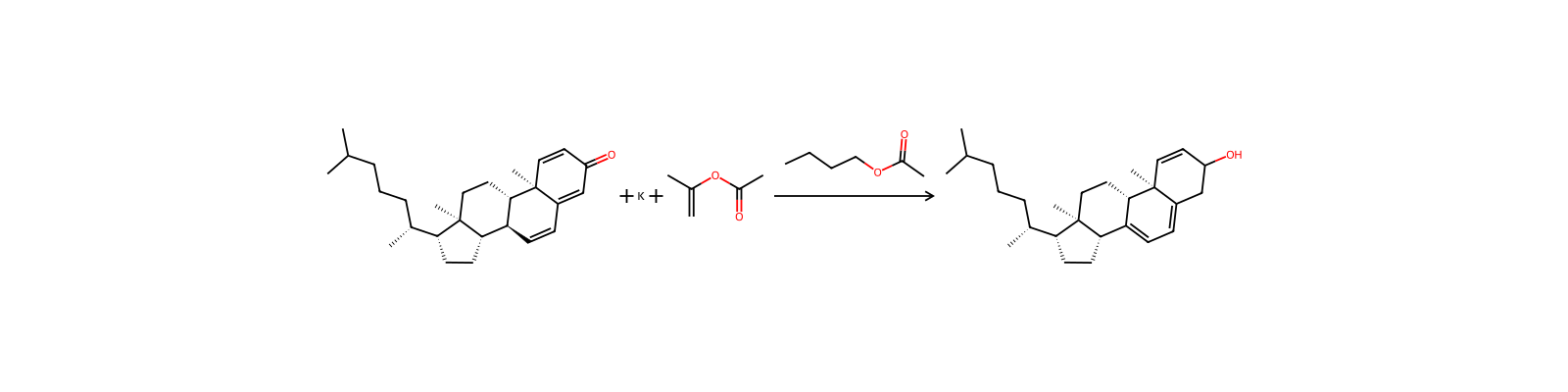
HRID 3984反応物としてuspto-grants-1988_02
HRID 3985 の反応式
HRID 3985反応物としてuspto-grants-1988_02
HRID 3986 の反応式
HRID 3986反応物としてuspto-grants-1988_02
HRID 3987 の反応式
HRID 3987反応物としてuspto-grants-1988_02
HRID 23360 の反応式
HRID 23360反応物としてuspto-grants-2005_02
HRID 30386 の反応式
HRID 30386反応物としてuspto-grants-2008_09
HRID 52863 の反応式
HRID 52863反応物としてuspto-grants-1997_04
HRID 53188 の反応式
HRID 53188溶媒としてuspto-grants-1997_04
1 / 26 ページ

化合物ノート

読み込み中…

このページの内容基本情報概要名称と識別子物性安全と法規制化学と産業関連反応化合物ノート
その他の操作
ノートを作成反応を作成見積依頼を出す

-92.9 °C

-92.9 °C

Vapor Pressure · 2 件

45.2 [mmHg]

45 mm Hg at 25 °C

物理化学的性質

融点
-93 °C · -93 °C
沸点
94 °C · 94 °C (lit.)
比重(密度)
0.922 g/mL · 0.922 g/mL at 20 °C 0.909 g/mL at 25 °C (lit.)
蒸気圧
23 hPa · 23 hPa (20 °C)
FEMA
4152 · 4152 | ISOPROPENYL ACETATE
屈折率
20 · n20/D 1.401(lit.)
闪点
66 °F · 66 °F
貯蔵温度
30 °C · Store below +30°C.
溶解性
34 g/リットル · 34g/リットル
外見
液体
色
無色透明~ごくわずかに黄色
PH
3 · 3 (34g/l, H2O, 20℃)
臭い (Odor)
100 %で。エーテルのような酢酸、フルーティーな甘いベリー、ブドウの皮 · 100.00%で。エーテルのような酢酸、フルーティーな甘いベリー、ブドウの皮
においのタイプ
フルーティーな
爆発限界(explosive limit)
1.8 % · 1.8%(V)
水溶解度
34 g/L · 34g/L(20℃)
Merck
14 · 14,5203
JECFA Number
1835 · 1835
BRN
1280347 · 1280347
Henry's Law Constant
5.5 · 5.5×10-3 mol/(m3Pa) at 25℃, HSDB (2015)
InChI
1S/C5H8O2/c1-4(2)7-5(3)6/h1H2,2-3H3
InChIKey
HETCEOQFVDFGSY-UHFFFAOYSA-N
SMILES
CC(=C)OC(C)=O
LogP
1.28 · 1.28
CAS データベース
108 · 108-22-5(CAS DataBase Reference)
NISTの化学物質情報
1 · 1-Propen-2-ol, acetate(108-22-5)
EPAの化学物質情報
Isopropenyl acetate (108-22-5)

化学的性質

化学的特性clear colorless to very slightly yellow liquid

DOT ID and Guide2403 129P
Reactive GroupEsters, Sulfate Esters, Phosphate Esters, Thiophosphate Esters, and Borate Esters
Reactivity AlertsHighly Flammable
Reactivity Profile · 1 件

ISOPROPENYL ACETATE is an ester. Esters react with acids to liberate heat along with alcohols and acids. Strong oxidizing acids may cause a vigorous reaction that is sufficiently exothermic to ignite the reaction products. Heat is also generated by the interaction of esters with caustic solutions. Flammable hydrogen is generated by mixing esters with alkali metals and hydrides.

DOT Emergency Guidelines · 5 件

/GUIDE 129P: FLAMMABLE LIQUIDS (POLAR/WATER-MISCIBLE/NOXIOUS)/ Fire or Explosion: HIGHLY FLAMMABLE: Will be easily ignited by heat, sparks or flames. Vapors may form explosive mixtures with air. Vapors may travel to source of ignition and flash back. Most vapors are heavier than air. They will spread along ground and collect in low confined areas (sewers, basements, tanks). Vapor explosion hazard indoors, outdoors or in sewers. Those substances designated with "P" may polymerize explosively when heated or involved in a fire. Runoff to sewer may create fire or explosion hazard. Containers may explode when heated. Many liquids are lighter than water.

/GUIDE 129P: FLAMMABLE LIQUIDS (POLAR/WATER-MISCIBLE/NOXIOUS)/ Health: May cause toxic effects if inhaled or absorbed through skin. Inhalation or contact with material may irritate or burn skin and eyes. Fire will produce irritating, corrosive and/or toxic gases. Vapors may cause dizziness or suffocation. Runoff from fire control or dilution water may cause pollution.

/GUIDE 129P: FLAMMABLE LIQUIDS (POLAR/WATER-MISCIBLE/NOXIOUS)/ Public Safety: CALL Emergency Response Telephone Number ... . As an immediate precautionary measure, isolate spill or leak area for at least 50 meters (150 feet) in all directions. Keep unauthorized personnel away. Stay upwind. Keep out of low areas. Ventilate closed spaces before entering.

/GUIDE 129P: FLAMMABLE LIQUIDS (POLAR/WATER-MISCIBLE/NOXIOUS)/ Protective Clothing: Wear positive pressure self-contained breathing apparatus (SCBA). Structural firefighters' protective clothing will only provide limited protection.

For more DOT Emergency Guidelines (Complete) data for 1-PROPEN-2-OL, ACETATE (8 total), please visit the HSDB record page.

DOT Hazard Classification · 4 件

Isopropenyl acetate

UN2403

Class 3 Flammable and combustible liquid (49 eCFR § 173.120)

PG II: the degree of danger presented by the material is medium

安全と保護具

Fire FightingExcerpt from ERG Guide 129 [Flammable Liquids (Water-Miscible / Noxious); polymerization hazard]:
Accidental Release Measures · 2 件

· CALL 911. Then call emergency response telephone number on shipping paper. If shipping paper not available or no answer, refer to appropriate telephone number listed on the inside back cover.

· ELIMINATE all ignition sources (no smoking, flares, sparks or flames) from immediate area.

First Aid · 2 件

Excerpt from ERG Guide 129 [Flammable Liquids (Water-Miscible / Noxious); polymerization hazard]:

General First Aid:

Exposure Control and Personal Protection · 2 件

· Wear positive pressure self-contained breathing apparatus (SCBA).

10.0 [ppm]

Fire Fighting ProceduresAlcohol foam. Water may be ineffective.
Nonfire Spill ResponseExcerpt from ERG Guide 129 [Flammable Liquids (Water-Miscible / Noxious); polymerization hazard]:
Disposal Methods · 1 件

SRP: At the time of review, criteria for land treatment or burial (sanitary landfill) disposal practices are subject to significant revision. Prior to implementing land disposal of waste residue (including waste sludge), consult with environmental regulatory agencies for guidance on acceptable disposal practices.

Isolation and Evacuation · 2 件

Excerpt from ERG Guide 129 [Flammable Liquids (Water-Miscible / Noxious); polymerization hazard]:

Immediate precautionary measure

Personal Protective Equipment (PPE)Excerpt from ERG Guide 129 [Flammable Liquids (Water-Miscible / Noxious); polymerization hazard]:
Emergency Response Planning GuidelinesCAUTION: The majority of these products have a very low flash point. Use of water spray when fighting fire may be inefficient.

毒性情報

Environmental Fate · 3 件

TERRESTRIAL FATE: Based on a classification scheme(1), an estimated Koc value of 120(SRC), determined from an estimated log Kow of 1.3(2,SRC) and a regression-derived equation(3), indicates that isopropenyl acetate is expected to have high mobility in soil(SRC). Volatilization of isopropenyl acetate from moist soil surfaces is expected to be an important fate process(SRC) given an estimated Henry's Law constant of 1.8X10⁻³ atm-cu m/mole(SRC), using a fragment constant estimation method(4). The potential for volatilization of isopropenyl acetate from dry soil surfaces may exist(SRC) based on a vapor pressure of 45 mm Hg(5).

AQUATIC FATE: Based on a classification scheme(1), an estimated Koc value of 120(SRC), determined from an estimated log Kow of 1.3(2,SRC) and a regression-derived equation(3), indicates that isopropenyl acetate is not expected to adsorb to suspended solids and sediment in water(SRC). Isopropenyl acetate is expected to volatilize from water surfaces(3,SRC) based on an estimated Henry's Law constant of 1.8X10⁻³ atm-cu m/mole(SRC), developed using a fragment constant estimation method(4). Estimated volatilization half-lives for a model river and model lake are 3.4 hours and 4.1 days, respectively(3,SRC). According to a classification scheme(5), an estimated BCF of 5.5(3,SRC), from an estimated log Kow(2,SRC), suggests that bioconcentration in aquatic organisms is low(SRC). Estimated hydrolysis half-lives of 300 and 30 days at pHs 7 and 8, respectively(6), indicate that hydrolysis is not expected to be an important process(SRC).

ATMOSPHERIC FATE: According to a model of gas/particle partitioning of semivolatile organic compounds in the atmosphere(1), isopropenyl acetate, which has a vapor pressure of 45 mm Hg at 25 °C(2,SRC), is expected to exist solely as a vapor in the ambient atmosphere. Vapor-phase isopropenyl acetate is degraded in the atmosphere by reaction with photochemically-produced hydroxyl radicals and ozone(SRC); the half-lives for these reactions in air are estimated to be about 7.5 and 24 hours, respectively(3,SRC).

Adverse EffectsNeurotoxin - Acute solvent syndrome
Soil Adsorption/Mobility · 1 件

The Koc of isopropenyl acetate is estimated as approximately 120(SRC), using an estimated log Kow of 1.3(1) and a regression-derived equation(2,SRC). According to a classification scheme(3), this estimated Koc value suggests that isopropenyl acetate is expected to have high mobility in soil(SRC).

Human Toxicity ExcerptsMILD IRRITANT. .../CNS DEPRESSANT/ IN HIGH CONCENTRATIONS.
Artificial Pollution SourcesIsopropenyl acetate's use as a reagent for acylation of enols(1) may result in its release to the environment through various waste streams(SRC).
Environmental Bioconcentration · 1 件

An estimated BCF of 5.5 was calculated for isopropenyl acetate(SRC), using an estimated log Kow of 1.3(1,SRC) and a regression-derived equation(2). According to a classification scheme(3), this BCF suggests that bioconcentration in aquatic organisms is low(SRC).

Volatilization from Water/Soil · 1 件

The Henry's Law constant for isopropenyl acetate is estimated as 1.8X10⁻³ atm-cu m/mole(SRC) using a fragment constant estimation method(1). This Henry's Law constant indicates that isopropenyl acetate is expected to volatilize rapidly from water surfaces(2,SRC). Based on this Henry's Law constant, the estimated volatilization half-life from a model river (1 m deep, flowing 1 m/sec, wind velocity of 3 m/sec) is estimated as approximately 3.4 hours(2,SRC). The estimated volatilization half-life from a model lake (1 m deep, flowing 0.05 m/sec, wind velocity of 0.5 m/sec) is estimated as approximately 4.1 days(2,SRC). Isopropenyl acetate's Henry's Law constant(1,SRC) indicates that volatilization from moist soil surfaces may occur(SRC). The potential for volatilization of isopropenyl acetate from dry soil surfaces may exist(SRC) based on a vapor pressure of 45 mm Hg(3).

Non-Human Toxicity ExcerptsTHREE OF SIX RATS DIED FOLLOWING INHALATION OF 4,000 PPM FOR 4 HR. IT CAUSED SLIGHT SKIN IRRITATION IN RABBITS. /FROM TABLE/
Environmental Abiotic Degradation · 1 件

The rate constant for the vapor-phase reaction of isopropenyl acetate with photochemically-produced hydroxyl radicals has been estimated as 5.2X10⁻¹¹ cu cm/molecule-sec at 25 °C(SRC) using a structure estimation method(1,SRC). This corresponds to an atmospheric half-life of about 7.5 hours at an atmospheric concentration of 5X10+5 hydroxyl radicals per cu cm(1,SRC). The rate constant for the vapor-phase reaction of isopropenyl acetate with ozone has been estimated as 1.1X10⁻¹⁷ cu cm/molecule-sec at 25 °C(1,SRC). This corresponds to an atmospheric half-life of about 24 hours at an atmospheric ozone concn of 7X10+11 cu cm/molecule-sec at 25 °C(1,SRC). A base-catalyzed second-order hydrolysis rate constant of 0.27 L/mol-sec(SRC) was estimated using a structure estimation method(2); this corresponds to half-lives of 300 and 30 days at pH values of 7 and 8, respectively(2,SRC).

Probable Routes of Human ExposureOccupational exposure to isopropenyl acetate may occur through inhalation and dermal contact with this compound at workplaces where isopropenyl acetate is produced or used. (SRC)
Environmental Fate/Exposure Summary · 1 件

Isopropenyl acetate's use as a reagent for acylation of enols may result in its release to the environment through various waste streams. If released to air, a vapor pressure of 45 mm Hg at 25 °C indicates isopropenyl acetate is expected to exist solely as a vapor in the ambient atmosphere. Vapor-phase isopropenyl acetate will be degraded in the atmosphere by reaction with ozone and photochemically-produced hydroxyl radicals; estimated half-lives for these reactions are 24 and 7.5 hours, respectively. If released to soil, isopropenyl acetate is expected to have high mobility based upon an estimated Koc of 120. Volatilization from wet soil surfaces is expected to occur based on an estimated Henry's Law constant of 1.8X10⁻³ atm-cu m/mole. This compound's vapor pressure indicates that volatilization from dry soil surfaces may potentially occur. If released into water, adsorption to suspended solids and sediment in the water column is not expected given the estimated Koc for this compound. Volatilization from water surfaces is expected based upon this compound's Henry's Law constant. Estimated volatilization half-lives for a model river and model lake are 3.4 hours and 4.1 days, respectively. The potential for bioconcentration in aquatic organisms is low based upon the estimated BCF of 5.5. Hydrolysis is not expected to be an important process based upon estimated half-lives of 300 and 30 days at pHs 7 and 8, respectively. Occupational exposure to isopropenyl acetate may occur through inhalation and dermal contact with this compound at workplaces where isopropenyl acetate is produced or used. (SRC)

安全データ

F
10-21
wgk
1
tsca
TSCA listed
rtecs
UD4200000
ridadr
UN 2403
毒性
LD50 orally in rats: 3.0 g/kg (Smyth)
hs_code
2915 39 00
risk_code
11
化審法
(2)-729
消防法
危-4-1-II
hazard_code
F
safety_code
9-16-29-33
hazard_class
3
packing_group
II
自然発火温度
439 °C DIN 51794
Hazard Classifications
Flam. Liq. 2STOT SE 3
ストレージクラス
3 - Flammable liquids
有毒物質データの
108-22-5(Hazardous Substances Data)
1,2-プロパンジオール1-アセタート
3-アセトキシ-1-プロパノール
3-メチル-3-ブテン-2-オン
硫酸水素
ケテン
アセチルクロリド
メタクリル酸メチル
propene
酢酸パラジウム(II)

下流製品

5-クロロ-4-メトキシチオフェン-3-カルボン酸ピペクロニウム臭化物アセチルアセトン5-クロロ-4-メトキシチオフェン-3-カルボニルクロリド5-ブロモ-4-メトキシチオフェン-3-カルボン酸5-Bromo-4-methoxythiophene-3-carbonyl chloride酢酸フルフリル4-メトキシチオフェン-3-カルボオキサミド1,3,5(10),16-エストラテトラエン-3,17-ジオールジアセタート4-メトキシチオフェン-3-カルボン酸N-アセチルイミダゾール4-メトキシチオフェン-3-カルボン酸メチル