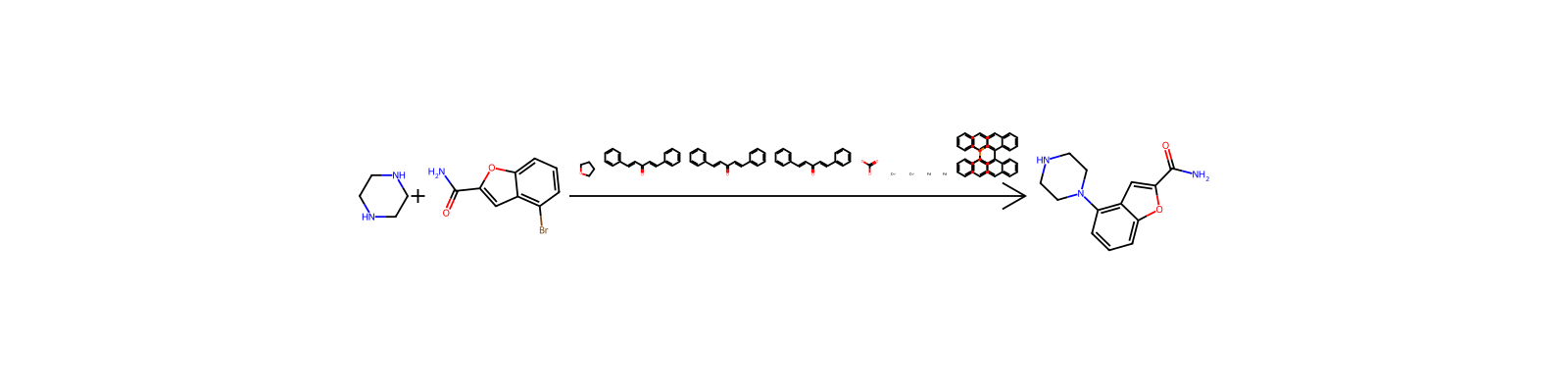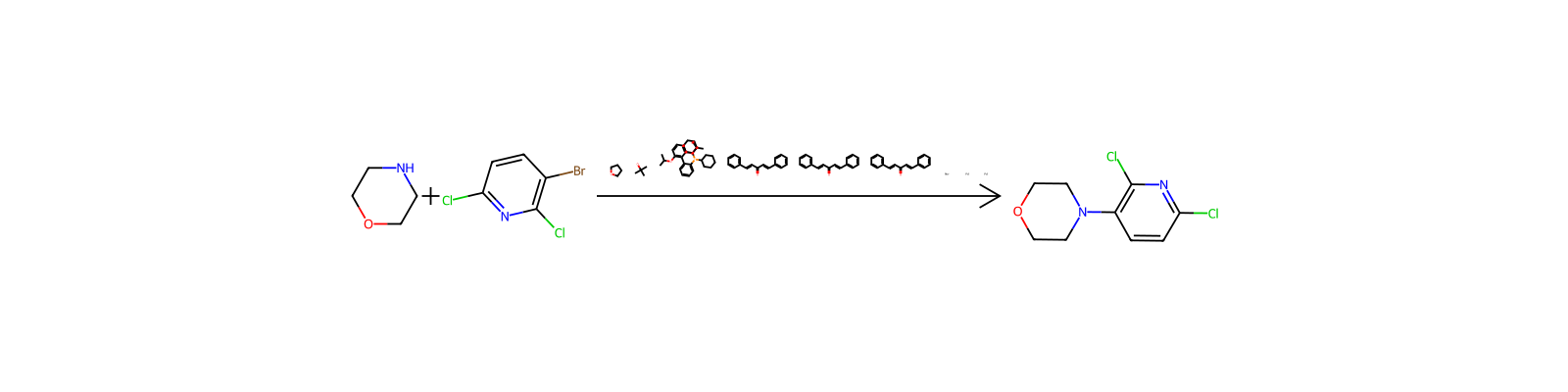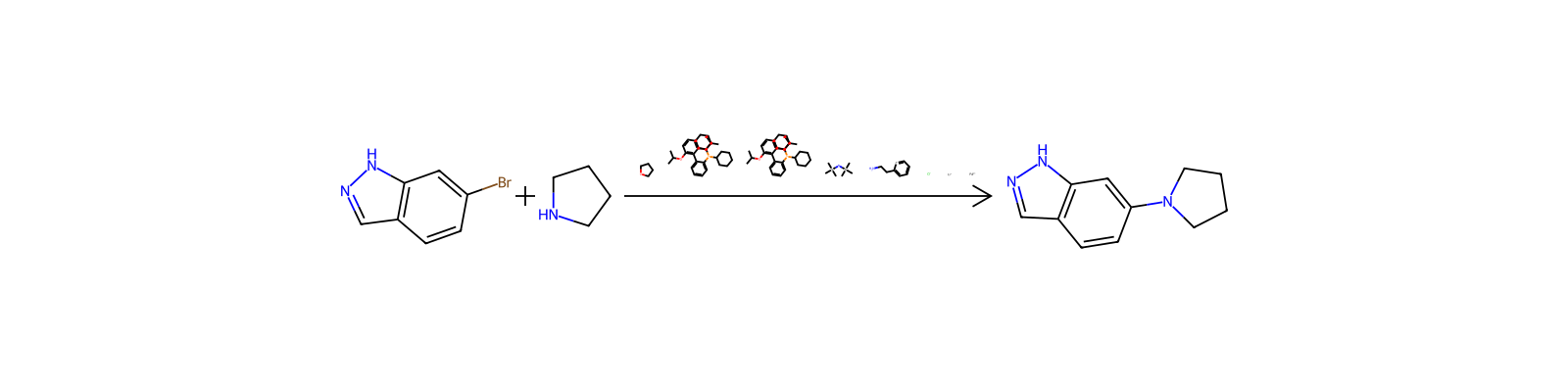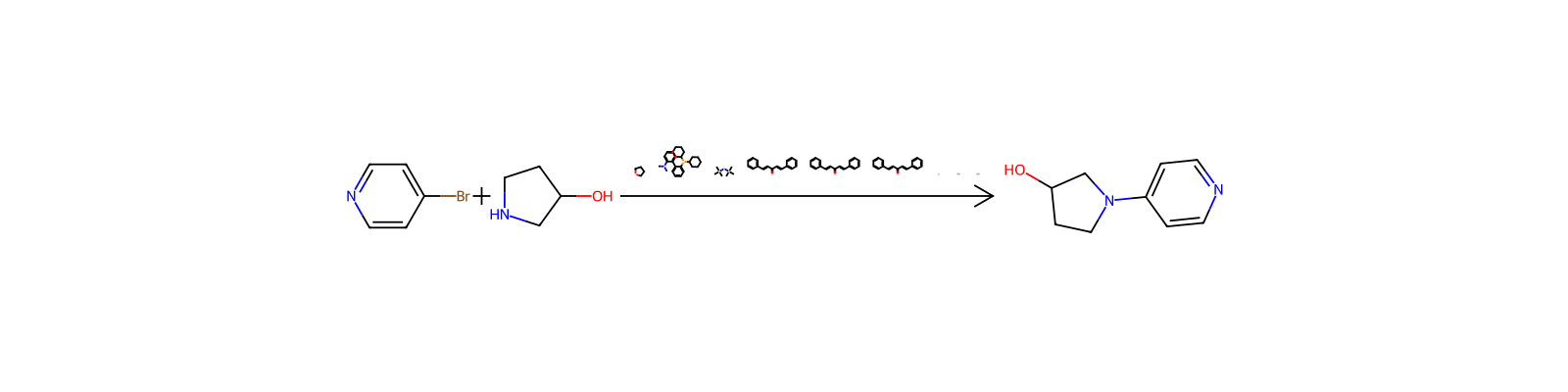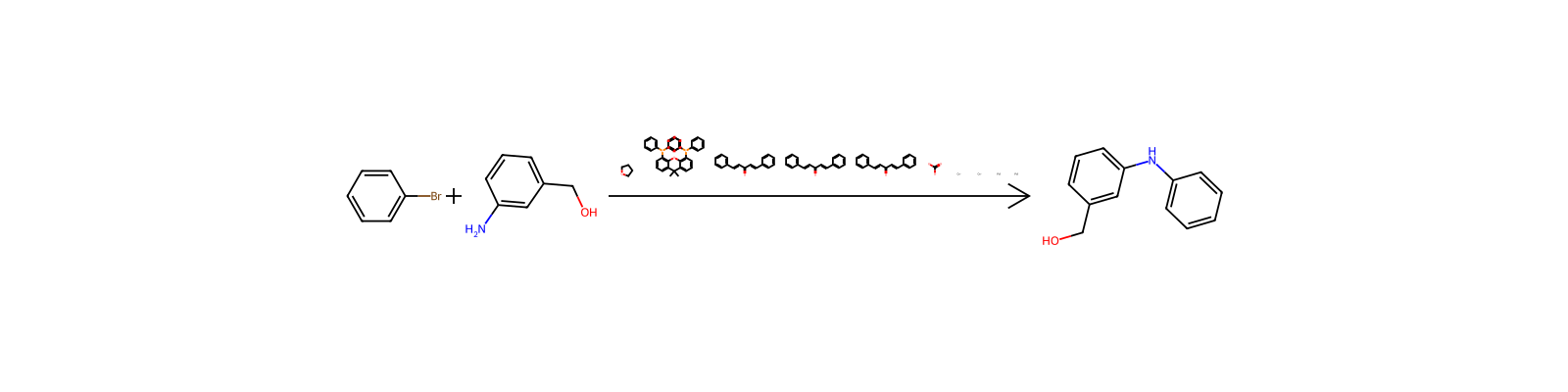
HRID 106溶媒として
Tetrahydrofuran

109-99-9C1CCOC1WYURNTSHIVDZCO-UHFFFAOYSA-NTetrahydrofuran can cause cancer according to California Labor Code and the World Health Organization's International Agency for Research on Cancer (IARC).
109-99-9、24979-97-3DTXSID1021328CHEMBL276521CHEBI:26911Flammable agents - 3rd degree
Volatile Organic Compound (VOC)
log Kow = 0.46
0.46
0.46 (estimated)
0.5
Ether-like odor
FAINT FRUITY ODOR
0.888 at 68 °F (USCG, 1999) - Less dense than water; will float
0.8833 g/cu cm at 25 °C
Saturated liquid density: 55.230 lb/cu ft; saturated vapor pressure: 2.913 lb/sq in; saturated vapor density: 0.03660 lb/cu ft (all at 75 °F)
Relative density (water = 1): 0.89
0.89
0.8833 @25 °C
安全情報は参考情報です。供給元の安全データシート(SDS)、適用法令、専門家による評価に代わるものではありません。
Danger
H225: Highly Flammable liquid and vapor [Danger Flammable liquids]
P203, P210, P233, P240, P241, P242, P243, P261, P264+P265, P271, P280, P303+P361+P353, P304+P340, P305+P351+P338, P318, P319, P337+P317, P370+P378, P403+P233, P403+P235, P405, and P501 (click each P-code to see the statement)
This chemical does not meet GHS hazard criteria for 0.1% (2 of 1661) of reports.
Danger
H225 (99.8%): Highly Flammable liquid and vapor [Danger Flammable liquids]
Chemical: Furan, tetrahydro-
Hazard Traits - Carcinogenicity; Environmental tox; Neurotoxicity
Furan, tetrahydro- is listed on the EPA's Chemical Data Reporting (CDR) system. Manufacturers and importers of Furan, tetrahydro- are required to report information about their production and use of this chemical to the EPA under the Toxic Substances Control Act (TSCA). (40 eCFR Part 711)
REACH registered substance: Tetrahydrofuran (EC: 203-726-8)
Furan, tetrahydro-: HSNO Approval: HSR001224 Approved with controls
The New Jersey Worker and Community Right to Know Act requires public and private employers to provide information about hazardous substances at their workplaces. (N.J.S.A. 34:5A-1 et. seq.)
Special Hazards of Combustion Products: Irritating vapor is generated when heated.
· HIGHLY FLAMMABLE: Will be easily ignited by heat, sparks or flames.
Highly flammable. Vapour/air mixtures are explosive.
A single oral application of 300 mg/kg THF as a 10% aqueous solution was given to rats (strain and sex not given). The animals were killed 10-300 min following application and the THF concentration in liver, kidneys, brain, spleen, muscle, adipose tissue, and blood determined (gel column, mass spectroscopy). The highest THF value in the blood was at 1 hr post-application (about 200 mg/kg). The biological half-life in blood was 5 hr. THF concentrations in adipose tissue and kidneys were 1.3-1.4 times higher than in blood; levels in liver, brain, spleen, and muscle were similar to blood. Comparable levels were found in two rabbits after oral application of 700 mg/kg (half-life 4-6 hr; THF(adipose tissue)/THF(blood) ratio 1.4, ratio for remaining organs 0.5-0.9). In a second experiment with rats, 300 mg/kg doses were again used. THF concentration in blood was measured over 24 hr. It climbed rapidly to a maximum of 150 mg/kg 1.5-2 hr post-application; thereafter it declined gradually to null over 24 hr. Biological half-life in blood: 7.5 hr. /Translated from German/
Ten healthy male human volunteers were exposed at 50 and 200 ppm THF in air in 2- and 3-hr exposures, each separated by 1 hour of rest. The biological half-life was found to be 32 minutes for alveolar air, and 118 minutes for urine following the peak that occurred at the end of exposure.
THF levels in various organs as well as excretion rates were determined in three different inhalation experiments in rats: 1) 30 min exposure to 45 mg/L (15,000 ppm); 2) 30 min/day, 7 day exposure to 45 mg/L (15,000 ppm); 3) 1 hr/day, 5 days/week, 12 weeks exposure to 9 mg/L (3000 ppm). Results: 1) Immediately after the completion of the exposure the following order of THF concentrations were seen: blood > brain > kidneys > heart > liver > spleen > lung. The lowest concentration was in the lung: 200 mg/kg, in the other organs: 480-600 mg/kg (maximum excretion in exhaled air). After 1 hr 70-80% had been excreted from the organs; the remainder slowly disappeared over 12-13 hr. 2) Directly after the final exposure, the lowest value was 130-300 ug/kg as in the single exposure. Excretion in the initial phase was weaker with higher THF concentrations after 1 or 3 hr. After 6 hr the excretion rate was similar to the single exposure study. 3) Directly after the last exposure the highest THF concentration was in the thymus (160 ug/kg) and spleen (110 ug/kg), 60-100 ug/kg in the other organs. The thymus also had the highest concentration of the organs after 6 hr; the concentrations in the lungs and other organs were similar (an indication of reduced exhaled excretion); complete excretion of THF was in about 12 hr as in 1) and 2). Conclusion: tissue levels are dependent on THF-concentrations in exhaled air. Greatest excretion occurs in exhaled air. /Translated from German/
0.53 cP at 20 °C
0.5 mPa*s at 20 °C
Colorless, mobile liquid
Water-white liquid
Colorless liquid
greater than or equal to 100 mg/mL at 68 °F (NTP, 1992)
Miscible with alcohols, ketones, esters, hydrocarbons, and ethers.
Very soluble in acetone, benzene, ether, ethanol, and chloroform
30% IN WATER AT 25 °C
Miscible in water at 25 °C
1000.0 mg/mL
化学的特性Tetrahydrofuran (THF) is an industrial solvent widely recognized for its unique combination of useful properties. DuPont THF is better than 99.9% pure with a small (0.025-0.040 wt % ) amount of butylated hydroxytoluene (BHT, 4-methyl-2,6-di-tertbutyl phenol) added as an antioxidant. Tetrahydrofuran is a cycloaliphatic ether and is not "photochemically reactive" as defined in Section k of Los Angeles County's Rule 66 (equivalent to Rule 442 of the Southern California Air Pollution Control District). THF has an ethereal odor. The Odor Threshold is listed @ 3.8 (3M), 20-50ppm, and 31ppm. It is also a common laboratory reagent and an intermediate in chemical syntheses of consumer and industrial products such as nutritionals, pharmaceuticals, and insecticides (HSDB, 2011).
Vapors cause nausea, dizziness, headache, and anesthesia. Liquid can de-fat the skin and cause irritation. Liquid also irritates eyes. (USCG, 1999)
· Inhalation or contact with material may irritate or burn skin and eyes.
Anesthesia produced in animal inhalation studies; Toxic hepatitis has been reported in exposed workers. TLV Basis is irritation, CNS impairment, and kidney damage. [ACGIH] A skin, eye, and respiratory tract irritant; Inhalation of high concentrations can cause CNS depression; [ICSC]
Tetrahydrofuran (THF) is a very hazardous substance due primarily to its flammable and explosive properties. Toxicity is also of concern and must be considered in the safe handling and storage of THF. Irritation from dermal contact with THF warrants the wearing of gloves and safety glasses for protection during the routine handling of this substance. Toxic, as well as flammable, concentrations of THF in air can be avoided by compliance with the TLV of 200 ppm. When this TLV is exceeded, respiratory protection is needed. Protection above the TLV of 50 ppm up to 500 ppm can be provided by a respirator mask using an approved organic vapor cartridge. For emergency situations, such as fires or involving exposure above 500 ppm, a self-contained breathing apparatus would be needed. THF is highly volatile with a low flash point (1 °F) and flammability limit of 2%. Its heavier-than-air vapors can travel at low profile for considerable distances and flash back to the point of origin. Further, unstabilized THF forms peroxides upon exposure to air or light, which, if allowed to accumulate above 1% become thermally explosive. THF also reacts explosively with lithium-aluminum alloys. In consideration of the above, THF should be contained in tightly sealed dark glass bottles or steel drums affixed with the DOT-required label, "Flammable Liquid". Should THF leak from containment vessels, its faint, fruity smell, is detectable at 50 ppm and may serve as a warning. Containers should be stored in cool, dark, well-ventilated areas, away from ignition sources and oxidizing materials. Should a THF fire occur, it may be combated with dry chemical or CO2 extinguishers. Water may be ineffective in firefighting. However, if a leak or spill has not ignited, it may be flushed with water for cooling and diluting if conditions of ignition threaten. Knock down vapors with water spray. Spills or leaks should be absorbed with paper or dissolved in petroleum ether or alcohol (of a higher molecular weight than butyl alcohol); then collected and removed for outdoor evaporation or safe incineration.
2056 127
2056 127
Health & Safety Executive; Criteria Document Summaries-Synopses of the Data Used in Setting Occupational Exposure Limits. HSE Books, PO Box 1999, Sudbury, Suffolk, UK C010 6FS (1995) This document contains summaries of the data considered by the Health and Safety Commission of the United Kingdom in setting occupational exposure standards. ...
European Commission; Occupational Exposure Limits. Recommendations of the Scientific Expert Group 1991-1992. Office for Official Publications of the European Communities, 2985 Luxembourg. 85pp. (1994). This document contains recommendations of the Scientific Advisory Group for a series of 26 substances ... /which include/ ... proposed occupational exposure limits. ...
Toxicology & Carcinogenesis Studies of Tetrahydrofuran in F344/N Rats and B6C3F1 Mice p.6 Technical Report Series No. 475 (1998) NIH Publication No. 98-3965 U.S. Department of Health and Human Services, National Toxicology Program, National Institute of Environmental Health Sciences, Research Triangle Park, NC 27709
Excerpt from ERG Guide 127 [Flammable Liquids (Water-Miscible)]:
Use alcohol-resistant foam, water spray, powder, carbon dioxide. In case of fire: keep drums, etc., cool by spraying with water.
Fresh air, rest. Refer immediately for medical attention.
First rinse with plenty of water for at least 15 minutes, then remove contaminated clothes and rinse again. Refer for medical attention .
Rinse with plenty of water for several minutes (remove contact lenses if easily possible). Refer for medical attention.
Rinse mouth. Refer for medical attention .
· CALL 911. Then call emergency response telephone number on shipping paper. If shipping paper not available or no answer, refer to appropriate telephone number listed on the inside back cover.
· ELIMINATE all ignition sources (no smoking, flares, sparks or flames) from immediate area.
EYES: First check the victim for contact lenses and remove if present. Flush victim's eyes with water or normal saline solution for 20 to 30 minutes while simultaneously calling a hospital or poison control center. Do not put any ointments, oils, or medication in the victim's eyes without specific instructions from a physician. IMMEDIATELY transport the victim after flushing eyes to a hospital even if no symptoms (such as redness or irritation) develop.
General First Aid:
(General first aid procedures)
Tetrahydrofuran (THF) is extremely flammable (NFPA rating = 3), and its vapor can travel a considerable distance to an ignition source and "flash back." A 5% solution of THF in water is flammable.
Vapor is heavier than air and may travel considerable distance to source of ignition and flash back.
· Wear positive pressure self-contained breathing apparatus (SCBA).
Biological Exposure Indices (BEI) [ACGIH] - Tetrahydrofuran in urine = 2 mg/L; sample at end of shift;
20.34 [ppm]
Approach fire from upwind to avoid hazardous vapors and toxic decomposition products. Use water spray, dry chemical, "alcohol resistant" foam, or carbon dioxide. Use water spray to keep fire-exposed containers cool.
If material on fire or involved in fire: Do not extinguish fire unless flow can be stopped. Use water in flooding quantities as fog. Solid streams of water may be ineffective. Cool all affected containers with flooding quantities of water. Apply water from as far a distance as possible. Use "alcohol" foam, dry chemical or carbon dioxide.
Closed containers may rupture violently when heated.
Wear full protective clothing and positive pressure self-contained breathing apparatus. Teflon barrier recommended.
Store in a cool, dry, well-ventilated location. Store away from heat, oxidizing materials, and sunlight. Outside or detached storage is preferred. Inside storage should be in a standard flammable liquids storage warehouse, room, or cabinet.
Purified tetrahydrofuran should not be stored for more than a few months after its container has been opened if it contains no oxidation inhibitor. In this case, it is potentially explosive because of peroxide formation.
NO open flames, NO sparks, and NO smoking. Closed system, ventilation, explosion-proof electrical equipment and lighting. Do NOT use compressed air for filling, discharging, or handling.
Distillation or alkali treatment of stabilized tetrahyrofuran removes the involatile anti-oxidant, and the solvent must be restabilized or stored under nitrogen to prevent formation during storage, which should not exceed a few days duration in the absence of stabilizer.
THF can be stored in the usual steel containers.
Evacuate and restrict persons not wearing protective equipment from area of spill or leak until cleanup is complete. Remove all ignition sources. Establish forced ventilation to keep levels below explosive limit. Absorb liquids in vermiculite, dry sand, earth, peat, carbon, or a similar material and deposit in sealed containers. Keep this chemical out of a confined space, such as a sewer, because of the possibility of an explosion, unless the sewer is designed to prevent the build-up of explosive concentrations. It may be necessary to contain and dispose of this chemical as a hazardous waste. If material or contaminated runoff enters waterways, notify downstream users of potentially contaminated waters. Contact your Department of Environmental Protection or your regional office of the federal EPA for specific recommendations.
Shut off all possible sources of ignition. Instruct others to maintain a safe distance. Wear breathing apparatus, eye protection, laboratory coat, and butyl rubber gloves. Cover with a 1:1:1 mixture by weight of sodium carbonate or calcium carbonate, clay cat litter (bentonite), and sand. Transfer to a large dish and let evaporate in fume hood. Ventilate area well to evaporate remaining liquid and dispel vapor. Treat solid residue as normal refuse.
Absorb with paper. Evaporate completely all spilled surface. Dispose by burning the paper after complete ventilation of vapor.
Generators of waste (equal to or greater than 100 kg/mo) containing this contaminant, EPA hazardous waste number U213, must conform with USEPA regulations in storage, transportation, treatment and disposal of waste.
A good candidate for liquid injection incineration at a temperture range of 650 to 1,600 °C and a residence time of 0.1 to 2 seconds. Also, a good candidate for rotary kiln incineration at a temperature range of 820 to 1,600 °C and residence times of seconds for liquids and gases, and hours for solids. Also, a good candidate for fluidized bed incineration at a temperature range of 450 to 980 °C and residence times of seconds for liquids and gases, and longer for solids.
Tetrahydrofuran is a waste chemical stream constituent which may be subjected to ultimate disposal by controlled incineration. In controlled waste containing peroxides, perforation of a container of the waste form a safe distance is followed by open burning.
/In laboratories/ excess tetrahydrofuran and waste material containing this substance should be placed in an appropriate container, clearly labeled, and handled according to your institution's waste disposal guidelines.
For more Disposal Methods (Complete) data for Tetrahydrofuran (6 total), please visit the HSDB record page.
Developmental
Eyes, respiratory system, central nervous system
LC50; Species: Daphnia magna (Water flea, age < or = 24 hr); Conditions: freshwater, static, 20-22 °C, pH 7.6-7.7; Concentration: >10,000,000 ug/L for 24 hr /formulated product/
LC50; Species: Daphnia magna Straus (water flea); Concentration: 5930 mg/L for 24 hr; Conditions: DIN 38412 Section 11
LC50; Species: Moina macrocopa (water flea); Concentration: 9800 mg/L for 3 hr /Conditions of bioassay not given/
LC50; Species: Carassius auratus (goldfish); Concentration: 2400 mg/L for 48 hr; Conditions: static
For more Ecotoxicity Values (Complete) data for Tetrahydrofuran (9 total), please visit the HSDB record page.
TERRESTRIAL FATE: Based on a classification scheme(1), Koc values of 18 and 23(2), indicate that tetrahydrofuran is expected to have very high mobility in soil(SRC). Volatilization of tetrahydrofuran from moist soil surfaces is expected to be an important fate process(SRC) given a Henry's Law constant of 7.05X10⁻⁵ atm-cu m/mole(3). Tetrahydrofuran is expected to volatilize from dry soil surfaces(SRC) based upon a vapor pressure of 162 mm Hg at 25 °C(4). Tetrahydrofuran, added to the surface of 2 different soil samples which had been sterilized to prevent microbial degradation, had a disappearance half-life of 5.7 days(5). A 100% of theoretical BOD using activated sludge in the Japanese MITI test(6) suggests that biodegradation is an important environmental fate process in soil(SRC); however, the EEC manometric respirometric method, tested in 22 different laboratories, gave a mean of 34% of the theoretical BOD within 28 days(7).
AQUATIC FATE: Based on a classification scheme(1), Koc values of 18 and 23(2), indicate that tetrahydrofuran is not expected to adsorb to suspended solids and sediment(SRC). Volatilization from water surfaces is expected(3) based upon a Henry's Law constant of 7.05X10⁻⁵ atm-cu m/mole(4). Using this Henry's Law constant and an estimation method(3), volatilization half-lives for a model river and model lake are 13 hours and 6.6 days, respectively(SRC). According to a classification scheme(5), an estimated BCF of 3(SRC), from its log Kow of 0.46(6) and a regression-derived equation(7), suggests the potential for bioconcentration in aquatic organisms is low(SRC). In the modified MITI screening test, tetrahydrofuran at 100 mg/L was completely biodegraded in 14 days using an activated sludge inoculum(8); however, the EEC manometric respirometric method, tested in 22 different laboratories, gave a mean of 34% of the theoretical BOD within 28 days(9).
ATMOSPHERIC FATE: According to a model of gas/particle partitioning of semivolatile organic compounds in the atmosphere(1), tetrahydrofuran, which has a vapor pressure of 162 mm Hg at 25 °C(2), is expected to exist solely as a vapor in the ambient atmosphere. Vapor-phase tetrahydrofuran is degraded in the atmosphere by reaction with photochemically-produced hydroxyl radicals; the half-life for this reaction in air is 21 to 24 hours(3), calculated from its measured rate constants of 1.62X10⁻¹¹ to 1.8X10⁻¹¹ cu cm/molecule-sec(4). Butyrolactone and alpha-hydroxytetrahydrofuran were formed as products during the photooxidation of tetrahydrofuran(5). Tetrahydrofuran will also react with nitrate radicals; the half-life for this reaction in air is 3 days(SRC), calculated from its measured rate constant of 4.88X10⁻¹⁵ cu cm/molecule-sec(6). Tetrahydrofuran is moderately reactive in photochemical smog conditions where nitrogen oxides are present; reactions occur in time scales of hours(7-9).
Tetrahydrofuran has been identified in coffee aroma.
Constituent of roasted coffee
Tetrahydrofuran was detected as a volatile compound, isolated from floured chickpea seed(1). This compound was identified in the volatile component of cooked chicken(2).
The substance can be absorbed into the body by inhalation of its vapour, by ingestion and through the skin.
inhalation, skin and/or eye contact, ingestion
HUMAN TOXICITY: Data pertaining to the toxicity of tetrahydrofuran (THF) in humans is quite limited. The probable oral lethal dose in humans is 50-500 mg/kg. Severe occipital headaches were reported in the testing for pharmacological properties of THF & among technicians performing animal experiments. Toxicity (TCLo) is expected following exposure to a 2.5% concn of THF. ANIMAL TOXICITY: Animal studies indicate that THF is only "MODERATELY TOXIC" from acute exposure with the lowest reported LD50's of 1900-2900 mg/kg by oral route. Median lethal concns by inhalation varied with the duration of exposure but were >20,000 ppm with all species for exposures of 1 hr or less. Reports of animal studies document irritation of the skin & mucous membranes, including the eyes, nose, & upper respiratory tract, as the predominant effect from lower exposures (about 100-200 ppm). High acute doses (about 25,000 ppm) produced anesthesia with delayed induction & recovery periods, accompanied by a fall in blood pressure & strong respiratory stimulation. The margin of safety between anesthesia & death is small. Other effects recorded are those of damage to liver, kidneys, & lung after prolonged exposures to levels of THF >1000 ppm. Toxic manifestations varied somewhat with the route of exposure with irritation of upper respiratory tract observed with inhaled THF & inflammation of the GI tract following oral ingestion. The only report on carcinogenicity is that of a test for skin tumors in which THF was applied to the skin of mice twice/wk for 25 exposures with an observation period of 17.5 months. No carcinogenic effect was observed. THF was negative when tested for mutagenicity using the Ames test; however, it would appear to enhance the mutagenicity of certain tryptophan-pyrolysate substances. No information is presented on metabolism, absorption, & distribution. The only report on excretion is the finding of THF in mother's milk.
Cough. Burning sensation in the throat and chest. Dizziness. Headache. Nausea. Unconsciousness.
Dry skin. Redness. Pain.
Redness. Pain.
See Inhalation.
irritation eyes, upper respiratory system; nausea, dizziness, headache, central nervous system depression
The following link will take the user to the National Toxicology Program (NTP) Test Agent Search Results page, which tabulates all of the "Standard Toxicology & Carcinogenesis Studies", "Developmental Studies", and "Genetic Toxicity Studies" performed with this chemical. Clicking on the "Testing Status" link will take the user to the status (i.e., in review, in progress, in preparation, on test, completed, etc.) and results of all the studies that the NTP has done on this chemical.[Available from: http://ntp-apps.niehs.nih.gov/ntp_tox/index.cfm?fuseaction=ntpsearch.searchresults&searchterm=109-99-9]
U213; As stipulated in 40 CFR 261.33, when tetrahydrofuran, as a commercial chemical product or manufacturing chemical intermediate or an off-specification commercial chemical product or a manufacturing chemical intermediate, becomes a waste, it must be managed according to Federal and/or State hazardous waste regulations. Also defined as a hazardous waste is any residue, contaminated soil, water, or other debris resulting from the cleanup of a spill, into water or on dry land, of this waste. Generators of small quantities of this waste may qualify for partial exclusion from hazardous waste regulations (40 CFR 261.5).
Section 8(a) of TSCA requires manufacturers of this chemical substance to report preliminary assessment information concerned with production, exposure, and use to EPA as cited in the preamble in 51 FR 41329. Effective date 3/11/94; Reporting date: 5/10/95.
Pursuant to section 8(d) of TSCA, EPA promulgated a model Health and Safety Data Reporting Rule. The section 8(d) model rule requires manufacturers, importers, and processors of listed chemical substances and mixtures to submit to EPA copies and lists of unpublished health and safety studies. Tetrahydrofuran is included on this list. Effective date 3/11/94; Sunset date: 6/30/98.
A testing consent order is in effect for tetrahydrofuran for health effects testing. FR citation: 1/23/95.
Persons in charge of vessels or facilities are required to notify the National Response Center (NRC) immediately, when there is a release of this designated hazardous substance, in an amount equal to or greater than its reportable quantity of 1000 lb or 454 kg. The toll free number of the NRC is (800) 424-8802. The rule for determining when notification is required is stated in 40 CFR 302.4 (section IV.D.3.b).
(MA) MASSACHUSETTS 600 ug/L
(NH) NEW HAMPSHIRE 150 ug/L
(WI) WISCONSIN 50 ug/L
(ME) MAINE 70 ug/L
(FL) FLORIDA 4.6 ug/L
A single oral application of 300 mg/kg THF as a 10% aqueous solution was given to rats (strain and sex not given). The animals were killed 10-300 min following application and the THF concentration in liver, kidneys, brain, spleen, muscle, adipose tissue, and blood determined (gel column, mass spectroscopy). The highest THF value in the blood was at 1 hr post-application (about 200 mg/kg). The biological half-life in blood was 5 hr. THF concentrations in adipose tissue and kidneys were 1.3-1.4 times higher than in blood; levels in liver, brain, spleen, and muscle were similar to blood. Comparable levels were found in two rabbits after oral application of 700 mg/kg (half-life 4-6 hr; THF(adipose tissue)/THF(blood) ratio 1.4, ratio for remaining organs 0.5-0.9). In a second experiment with rats, 300 mg/kg doses were again used. THF concentration in blood was measured over 24 hr. It climbed rapidly to a maximum of 150 mg/kg 1.5-2 hr post-application; thereafter it declined gradually to null over 24 hr. Biological half-life in blood: 7.5 hr. /Translated from German/
Excretion of tetrahydrofuran in mother's milk reported in 1 of 12 samples collected in 4 urban areas in New Jersey, Pennsylvania, and Louisiana.
Adult male rats exposed to tetrahydrofuran vapor at 8.2 (200 ppm), 41 (1,000 ppm) or 82 mumol/l (2,000 ppm) for 2 to 18 weeks, five days a week, 6 hrs daily, showed dose-dependent brain and perirenal fat solvent burden linearly correlated to each other. After two weeks of exposure, the body burden of tetrahydrofuran seems to decrease. This might have been caused by increased oxidative metabolism as enhanced 7-ethoxycoumarin-O-deethylase activity was detected in liver and kidneys in the second week and onwards. The exposure also caused inhibition of alcohol and formaldehyde dehydrogenase activities in liver at the highest dose. Biochemical effects in the cerebellum were not detected, while gluteal muscle specimens showed increased succinate dehydrogenase activity in a dose-related manner. This points to effects on the energy metabolism. Muscle acetylcholine esterase activity was also increased showing possible effects on the myoneural junctions.
For more Absorption, Distribution and Excretion (Complete) data for Tetrahydrofuran (7 total), please visit the HSDB record page.
Used as a solvent for polymers and resins, a wetting agent for textiles, and a chemical intermediate; [ACGIH] Used as a solvent in inks, adhesives, and lacquers; [HSDB]
Textiles (Fiber & Fabric Manufacturing) [Category: Industry]
Solvent for high polymers, especially polyvinyl chloride. As reaction medium for Grignard and metal hydride reactions. In the synthesis of butyrolactone, succinic acid, 1,4-butanediol diacetate. Solvent in histological techniques.
Solvent for fat oils, unvulcanized rubber; for making adipic acid
Solvent in preparation of printing inks, adhesives, lacquers, & other coatings; Grignard reagent in synthesis of motor fuels, vitamins, hormones, pharmaceuticals, synthetic perfumes, organometallic cmpds, & insecticides.
Solvent for natural and synthetic resins, particularly vinyls, in topcoating solutions, polymer coating, cellophane, protective coatings, adhesives, magnetic tapes, printing inks, etc., Grignard reactions, lithium aluminum hydride reductions, and polymerizations; chemical intermediate and monomer.
(1978) 4.99X10+9 G
(1983) 6.73X10+9 G
(1985) 1.71X10+8 g
(1987) 9.50X10+6 lb
(1988) 1.01X10+7 lb
(1974) 4.2X10+5 lb/yr
(1975) 8.2X10+4 lb/yr
(1985) 1.24X10+8 g
(1986) 8.12X10+4 lb
2023: 100,000,000 - <250,000,000 lb
(1977) AT LEAST 2.72X10+10 G
(1982) 4.85X10+10 G
(1985) 5.46X10+10 g
(1987) 1.42X10+8 lb
For more U.S. Production (Complete) data for Tetrahydrofuran (9 total), please visit the HSDB record page.
Resin solvent 40%, Chemical Int 40%, Grignard reaction solvent 20%.
SOLVENT FOR RESINS, 40%; CHEMICAL INTERMEDIATE, 40%; REACTION SOLVENT, 20% (1977)
Polytetrahydrofuran, 68%; coating solvent, 23%; other (reaction solvent, thiophane), 9% (1983)
Manufactured by catalytic hydrogenation of maleic anhydride.
(1) Catalytic hydrogenation of furan with nickel catalyst. (2) Acid-catalyzed dehydration of 1,4-butanediol.
Decarboxylation of furfural with zinc-chromium-molybdenum catalyst with hydroxylation to THF.
The Reppe process involves a reaction between acetylene and formaldehyde to give 2-butyne-1,4-diol, with subsequent hydrogenation to 1,4-butanediol ... The saturated diol is very readily cyclized to THF with elimination of water by acid catalysis above 100 °C. Suitable catalysts include inorganic acids, acidic aluminum silicates, and earth or rare-earth oxides.
For more Methods of Manufacturing (Complete) data for Tetrahydrofuran (7 total), please visit the HSDB record page.
Grades: technical, spectrophotometric.
Liquid, industrial, 99.5% grades
99.9%, HPLC, spectrophotometric, anhydrous, UV, nonspectro reagent grades
Cosmetics product ingredient: Tetrahydrofuran
Information on 74 consumer products that contain Tetrahydrofuran in the following categories is provided:
Pesticide, Fertilizer, and Other Agricultural Chemical Manufacturing
Furan, tetrahydro-: ACTIVE
0.025% Butylated hydroxytoluene (BHT) present to prevent peroxide formation.
Commercial material is supplied stabilized with a phenolic antioxidant which is effective under normal closed storage conditions in preventing the formation and accumulation of peroxide. ... Copper chloride /is used/ for removal of trace amt of peroxides. ... The use of lithium tetrahydroaluminum is only recommended for drying tetrahydrofuran which is peroxide-free and is not grossly wet. ... Peroxides in THF may be destroyed by passing through activated carbon at 20-66 °C with contact time > 2 min.
解説工業的には,テトラヒドロフルフリルアルコ-ルの触媒的水素分解によって合成される.エーテルのような臭気をもつ無色の液体.融点-108.5 ℃,沸点65~66 ℃.引火点-17.2 ℃.双極子モーメント1.70 D.特異な香りをもち,多くの有機溶媒および水によく溶け,4.3% の水と共沸混合物をつくる.空気と長く接触すると爆発性の過酸化物(沸点62 ℃(26 Pa))を生成する.これを防ぐため,市販品には少量のp-クレゾールやヒドロキノンを添加する.精製法としては,水素化アルミニウムリチウムを加えて還流したのち蒸留するが,蒸発乾固すると爆発の危険性があるので注意を要する.硝酸酸化により,ほぼ定量的にコハク酸が得られ,アンモニアとともに300~320 ℃ のアルミナ上を通すとピロリジンが得られる.塩化亜鉛の存在下,酸もしくは酸クロリドと反応させると開環し,1,4-グリコール,1,4-ジハライド,1,4-ハロゲン化アルコールを与える.カチオン重合性がある.合成樹脂の溶剤,有機合成反応溶媒として広く用いられる.また,ナイロン,ポリエーテル,γ-ブチロラクトンの合成原料ともなる.出典 森北出版「化学辞典(第2版)」
用途各種樹脂の溶剤、特に塩化ビニル系樹脂の溶剤として表面コーティング、保護コーティング、接着剤、フィルムの製造などに使用。印刷インキの溶剤、コールドクリーナー、ペイントリムーバー、抽出溶剤、グリニヤル反応、LIALH4還元、合成皮革表面処理剤、合成原料(1,4-ジクロロブタン、2,3-ジクロロテトラヒドロフラン,ポリエーテル,バレロラクトン,ブチロラクトン,ピロリドンなど)化粧品原料(種別許可基準なし)
用途THF(テトラヒドロフラン)は、沸点が低く安定な物質で、優れた溶解性を持っているため、各種材料の溶解や反応溶媒として幅広く利用されています。また、ポリテトラメチレンエーテルグリコール(PTMG)などの合成原料にも用いられています。比色分析及び吸光分析用溶剤、調製液原料。液体クロマトグラフ分析における溶離液、溶離液調製用。
使用Tetrahydrofuran is used primarily (80%) to make polytetramethylene ether glycol, the base polymer used primarily in the manufacture of elastomeric fibers (e.g., spandex) as well as polyurethane and polyester elastomers (e.g., artificial leather, skateboard wheels). The remainder (20%) is used in solvent applications (e.g., pipe cements, adhesives, printing inks, and magnetic tape) and as a reaction solvent in chemical and pharmaceutical syntheses.