ホームMCPワークベンチSkills
ホームワークベンチ通知マイページ
llms.txt · MCPガイドプライバシーポリシー · 利用規約 · サポートv1.8.0
  1. ホーム
  2. /化合物

酢酸2-エトキシエチル

Glycol monoethyl ether acetate

HCID 8095
ノートを作成反応を作成見積依頼を出す
印刷プレビュー
基本情報概要名称と識別子物性安全と法規制化学と産業関連反応化合物ノート
部分構造検索類似構造を探す

基本情報

CAS
111-15-9
標準SMILES
CCOCCOC(C)=O
InChIKey
SVONRAPFKPVNKG-UHFFFAOYSA-N
分子式
C6H12O3
平均分子量
132.16 g/mol
単同位体質量
132.07864424

概要

Ethylene Glycol Monoethyl Ether Acetate can cause developmental toxicity and male reproductive toxicity according to The National Institute for Occupational Safety and Health (NIOSH).

名称と識別子

優先名称
Glycol monoethyl ether acetate
IUPAC
2-ethoxyethyl acetate
現地名
酢酸2-エトキシエチル
英語名
Ethylene glycol monoethyl ether acetate
分子式
C6H12O3
分子量
132.16

名称と別名

2-Ethoxyethyl acetate111-15-9ETHYLENE GLYCOL MONOETHYL ETHER ACETATECellosolve acetateOxitol acetateOxytol acetate2-Ethoxyethanol acetateEthyl cellosolve acetate1-Acetoxy-2-ethoxyethaneEthylglycol acetateEthylglykolacetatOctan etoksyetylu
名称をさらに表示
酢酸2-エトキシエチルエクタソルブEEアセタートソルベントオキシトールアセタート酢酸セロソルブセロソルブアセタート酢酸(2-エトキシエチル)2-エトキシエチル=アセタートエチルセロソルブアセタートエチレングリコールエチルエーテルアセタートポリソルブEEアセタート2-エトキシエタノールアセタートエチレングリコールモノエチルエーテルアセタートエチルグリコルアセテトエチルグリコ-ルアセテ-ト酢酸エチルセロソルブセロソルブアセテート酢酸2エトキシエチルエチレングリコールモノエチルエーテルアセテートエチレングリコールモノエチルエーテルアセテート(酢酸エチルセロソルブ)酢酸2-エトキシエチル (別名 エチレングリコールモノエチルエーテルアセテート)ETHYL GLYCOL ACETATEEEACSACegeeaEthoxyethyl acetateEthylene glycol monoethylGlycol monoethyl ether acetate
2-Aethoxy-aethylacetatGlycol ether ee acetateCelosolvacetat2-Ethoxyethylacetate2-Etossietil-acetatoAcetate d'ethylglycolAcetate de cellosolveAcetato di cellosolve

データベース識別子

CAS
111-15-9
PubChem CID
8095
DTXSID
DTXSID9021928
ChEMBL
CHEMBL1427293
UNII
DG1O0Z7390
EC Number
203-839-2
Nikkaji
J2.885A

物性

構造計算による物性

XLogP
0.3
極性表面積
35.5 Ų
水素結合供与体数
0
水素結合受容体数
3
回転可能結合数
5
重原子数
9
形式電荷
0
複雑度
80.4

実験および物理化学的性質

Chemical Classes · 2 件

Teratogens

Volatile Organic Compound (VOC)

SolventsSolvents -> Glycol Ethers (E Series)
Cosmetics · 2 件

Cosmetics ingredient -> Other (Specify)

Cosmetic ingredients (Ethoxyethanol Acetate) -> CIR (Cosmetic Ingredient Review)

SpringerMaterials PropertiesBoiling point
LogP · 3 件

log Kow = 0.24

0.24

0.24

Odor · 2 件

MILD ESTER-LIKE ODOR BECOMES OBJECTIONABLE IN HIGH CONCN ...

Pleasant odor

Taste... A BITTER ACID TASTE
Density · 6 件

0.974 at 68 °F (USCG, 1999) - Less dense than water; will float

Specific gravity: 0.975 at 20 °C/20 °C

Relative density (water = 1): 0.97 (20 °C)

0.98

0.9740 @ 20°C

0.98

Viscosity1.32 cP at 20 °C
Color/FormColorless liquid

安全と法規制

安全情報は参考情報です。供給元の安全データシート(SDS)、適用法令、専門家による評価に代わるものではありません。

GHS分類

GHS Classification · 6 件

Danger

H226: Flammable liquid and vapor [Warning Flammable liquids]

P203, P210, P233, P240, P241, P242, P243, P261, P264, P270, P271, P280, P301+P317, P302+P352, P303+P361+P353, P304+P340, P317, P318, P321, P330, P362+P364, P370+P378, P403+P235, P405, and P501 (click each P-code to see the statement)

This chemical does not meet GHS hazard criteria for 8.8% (36 of 410) of reports.

Danger

H226 (90.5%): Flammable liquid and vapor [Warning Flammable liquids]

危険有害性情報

Regulatory Information · 6 件

Chemical: Ethanol, 2-ethoxy-, acetate

Hazard Traits - Developmental Toxicity; Neurotoxicity; Reproductive Toxicity

Ethanol, 2-ethoxy-, 1-acetate is listed on the EPA's Chemical Data Reporting (CDR) system. Manufacturers and importers of Ethanol, 2-ethoxy-, 1-acetate are required to report information about their production and use of this chemical to the EPA under the Toxic Substances Control Act (TSCA). (40 eCFR Part 711)

S - indicates a substance that is identified in a final Significant New Use Rule.

Substance: 2-ethoxyethyl acetate

Ethanol, 2-ethoxy-, acetate: HSNO Approval: HSR001157 Approved with controls

Other Safety InformationIMAP assessments - Ethanol, 2-ethoxy-, acetate: Environment tier I assessment
DOT LabelFlammable Liquid
Fire Hazards · 3 件

Excerpt from ERG Guide 129 [Flammable Liquids (Water-Miscible / Noxious)]:

· HIGHLY FLAMMABLE: Will be easily ignited by heat, sparks or flames.

Flammable. Above 51.1 °C explosive vapour/air mixtures may be formed.

Fire PotentialMODERATE, WHEN EXPOSED TO HEAT OR FLAME; CAN REACT WITH OXIDIZING MATERIALS. SPONTANEOUS HEATING: NO.

化学と産業

薬理情報

Biological Half-Life · 2 件

The half life for elimination was 23.6 hours. [HSDB]

The half life for elimination was 23.6 hours /in humans/

Metabolism/Metabolites · 5 件

... Its metabolic product is ethylene glycol monoethyl ether to which its systemic effects may be related.

The urinary excretion of ethoxyacetic acid was studied in male volunteers exposed to ethylene glycol monoethyl ether acetate, of which ethoxyacetic-acid is a metabolite. Five of the volunteers, aged 21 to 30 years, were exposed to 14, 28, and 50 mg/cu m at rest, and five were exposed to 28 mg/cu m at rest and during exercise at 30 and 60 watts. Individuals were exposed to each concentration for periods of 4 hours. Unexposed periods between the experiments lasted 2 to 3 weeks. Maximal ethoxyacetic acid excretion took place 3 to 4 hours after exposure was discontinued; the half life for elimination was 23.6 hours. It was found that after physical exercise, a second maximum of excretion was observed approximately 3 hours after the first one. Approximately 22% of the absorbed ethylene glycol monoethyl ether acetate dose was recovered in the urine as ethoxyacetic acid after 42 hours.

The urinary excretion of ethoxyacetic acid was studied in a group of five women daily exposed to the ethyl ether of ethylene glycol and the ethyl ether of ethylene glycol acetate during 5 days of normal production and 7 days after a 12 days production stop. The mean combined exposure concentration of ethyl ether of ethylene glycol and ethylene glycol ethyl ether acetate (expressed in equivalent weight of ethyl ether of ethylene glycol was 14.0 mg/cu m with occasional slight excursions above the current Belgian occupational exposure limit. The daily combined exposures profiles for ethylene glycol ethyl ether and ethylene glycol ethyl ether acetate were rather constant during the first observation period, but they tended to decrease during the last week. The urinary ethoxyacetic acid excretion clearly increased during the work week. Over the weekends the elimination was far from complete, and even after a prolonged nonexposure period of 12 days traces of the metabolite were still detectable. Based on the observations from the first period, a good linear correlation was found between the average exposure over 5 days (914.4 mg/cu m) and the ethoxyacetic acid excretion of the end of the week (105.7 mg/g creatinine). An ethoxyacetic acid estimate of 150 + or - 35 mg/g was found to correspond with repeated 5 days full-shift exposures to the respective occupational exposure limit of ethylene glyol ethyl ether (19 mg/cu m) or ethylene glycol ethyl ether acetate (27 mg/cu m).

関連反応

34 件
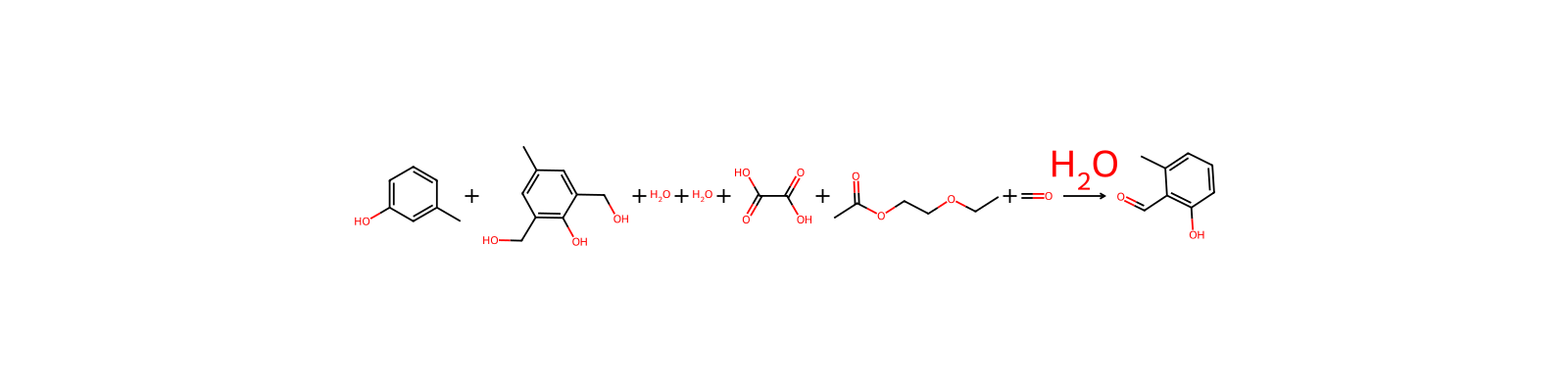
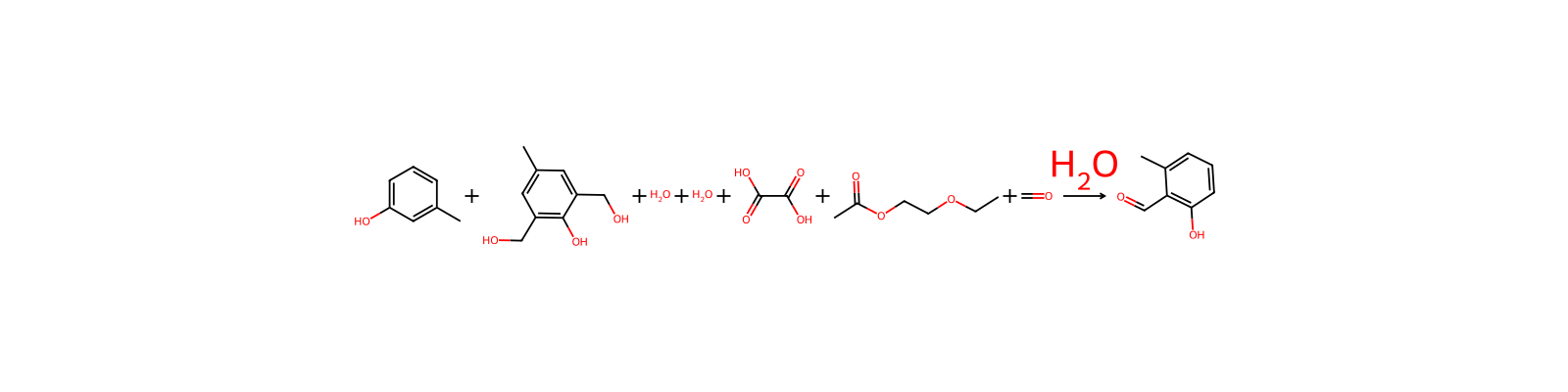
反応記録を作成
HRID 787 の反応式
HRID 787反応物としてuspto-grants-1998_03
HRID 37032 の反応式
HRID 37032反応物としてuspto-grants-1995_05
HRID 37033 の反応式
HRID 37033溶媒としてuspto-grants-1995_05
HRID 204066 の反応式
HRID 204066反応物としてTraining data from https://doi.org/10.1039/C8SC04228D (6/10)
HRID 237191 の反応式
HRID 237191反応物としてuspto-grants-2014_02
HRID 260629 の反応式
HRID 260629反応物としてuspto-grants-1996_06
HRID 279689 の反応式
HRID 279689反応物としてuspto-grants-2002_03
HRID 373473 の反応式
HRID 373473反応物としてuspto-grants-1992_11
1 / 5 ページ

化合物ノート

読み込み中…

このページの内容基本情報概要名称と識別子物性安全と法規制化学と産業関連反応化合物ノート
その他の操作
ノートを作成反応を作成見積依頼を出す
Solubility · 6 件

greater than or equal to 100 mg/mL at 66 °F (NTP, 1992)

Coefficient of expansion = 0.00112 °C-1 at 20 °C; Dielectric constant = 7.567 at 30 °C; Water azeotrope = 44.4 wt % at 97 °C; Hildebrand solubility parameter(delta) = 17.8 MPa

Very soluble in ethyl alcohol, ethyl ether

MISCIBLE WITH OLIVE OIL IN ALL PROP

Miscible with aromatic hydrocarbons

In water, 187,000 mg/L at 20 °C

Flash Point · 6 件

135 °F (NTP, 1992)

47 °C

52 °C (Closed cup)

51.1 °C c.c.

135 °F

124 °F

物理化学的性質

融点
-61 °C · -61 °C
沸点
156 °C · 156 °C(lit.)
比重(密度)
0.975 g/mL · 0.975 g/mL at 25 °C(lit.)
蒸気密度
4.6 · 4.6 (vs air)
蒸気圧
2 mm · 2 mm Hg ( 20 °C)
屈折率
20 · n20/D 1.406(lit.)
闪点
135 °F · 135 °F
貯蔵温度
30 °C · Store below +30°C.
溶解性
2 O: · H2O: 可溶約6部
外見
無色の液体
色
Colorless
PH
4 · 4-5 (H2O, 20℃)(saturated solution)
爆発限界(explosive limit)
1.7 · 1.7-10%(V)
臭気閾値(Odor Threshold)
0.049 ppm · 0.049ppm
水溶解度
230 g/L · 230g/L(20℃)
比熱容量
2.85 J/ · Cp(liquid): 2.85 J/(g·K), at 25℃
Merck
14 · 14,3751
BRN
1748677 · 1748677
Henry's Law Constant
9.07 · 9.07(x 10-7 atmm3/mol) at 25 °C (approximate - calculated from water solubility and vapor pressure) 33.0(x 10-7 atmm3/mol) at 30.00 °C (headspace-GC, Hovorka et al., 2002)
Dielectric constant
7.6 · 7.6(30℃)
安定性
安定。可燃性。強酸化剤、強酸、強塩基、硝酸塩とは相容れない。
化粧品成分の機能
溶媒
InChI
1S/C6H12O3/c1-3-8-4-5-9-6(2)7/h3-5H2,1-2H3
InChIKey
SVONRAPFKPVNKG-UHFFFAOYSA-N
SMILES
CCOCCOC(C)=O
LogP
0.449 · 0.449 (est)
CAS データベース
111 · 111-15-9(CAS DataBase Reference)
NISTの化学物質情報
2 · 2-Ethoxyethyl acetate(111-15-9)
EPAの化学物質情報
Ethylene glycol monoethyl ether acetate (111-15-9)

化学的性質

化学的特性colourless liquid

Health Hazards · 2 件

Vapors irritate nose and eyes in high concentrations. Liquid irritates skin in prolonged or repeated contact. (USCG, 1999)

· May cause toxic effects if inhaled or absorbed through skin.

Hazards Summary · 1 件

Laboratory animals die after twelve 8-hour exposures of 450 ppm; pathological examination shows kidney damage; [ACGIH] For ethylene glycol ethers, there is limited positive evidence of spontaneous abortions and decreased sperm counts in humans and strong positive evidence of birth defects and testicular damage in animals. [ATSDR Case Studies # 29] See Glycol ethers.

DOT ID and Guide · 2 件

1172 129

1172 129

FDA RequirementsEthylene glycol monoethyl ether acetate is an indirect food additive for use only as a component of adhesives.
Reactive GroupEsters, Sulfate Esters, Phosphate Esters, Thiophosphate Esters, and Borate Esters
EC ClassificationSymbol: T; R: 60-61-20/21/22; S: 53-45; Note: E
UN ClassificationUN Hazard Class: 3; UN Pack Group: III

安全と保護具

Fire Fighting · 2 件

Excerpt from ERG Guide 129 [Flammable Liquids (Water-Miscible / Noxious)]:

Use water spray, powder, alcohol-resistant foam, carbon dioxide. In case of fire: keep drums, etc., cool by spraying with water.

First Aid Measures · 4 件

Fresh air, rest. Refer for medical attention.

Remove contaminated clothes. Rinse skin with plenty of water or shower. Refer for medical attention .

First rinse with plenty of water for several minutes (remove contact lenses if easily possible), then refer for medical attention.

Rinse mouth. Do NOT induce vomiting. Refer for medical attention .

Accidental Release Measures · 2 件

· CALL 911. Then call emergency response telephone number on shipping paper. If shipping paper not available or no answer, refer to appropriate telephone number listed on the inside back cover.

· ELIMINATE all ignition sources (no smoking, flares, sparks or flames) from immediate area.

First Aid · 3 件

EYES: First check the victim for contact lenses and remove if present. Flush victim's eyes with water or normal saline solution for 20 to 30 minutes while simultaneously calling a hospital or poison control center. Do not put any ointments, oils, or medication in the victim's eyes without specific instructions from a physician. IMMEDIATELY transport the victim after flushing eyes to a hospital even if no symptoms (such as redness or irritation) develop.

General First Aid:

(General first aid procedures)

Safe StorageFireproof. Separated from strong oxidants, strong bases and strong acids. Keep in the dark.
Exposure Control and Personal Protection · 3 件

· Wear positive pressure self-contained breathing apparatus (SCBA).

Biological Exposure Indices (BEI) [ACGIH] - 2-Ethoxyacetic acid in urine = 40 mg/g creatinine; end of shift at end of workweek;

2.0 [ppm], sum of the concentrations of CAS 110-80-5 and its acetate in air[German Research Foundation (DFG)]

Fire Fighting Procedures · 2 件

TO FIGHT FIRE, USE ALCOHOL FOAM, CO2, DRY CHEMICAL.

If material on fire or involved in fire: Do not extinguish fire unless flow can be stopped or safely confined. Use water in flooding quantities as fog. Solid streams of water may spread fire. Cool all affected containers with flooding quantities of water. Apply water from as far a distance as possible. Use "alcohol" foam, dry chemical or carbon dioxide.

Storage Conditions · 2 件

MATERIALS WHICH ARE TOXIC AS STORED OR WHICH CAN DECOMPOSE INTO TOXIC COMPONENTS ... SHOULD BE STORED IN A COOL WELL VENTILATED PLACE, OUT OF THE DIRECT RAYS OF THE SUN, AWAY FROM AREAS OF HIGH FIRE HAZARD, AND SHOULD BE PERIODICALLY INSPECTED. INCOMPATIBLE MATERIALS SHOULD BE ISOLATED ...

Keep away from heat and open flame.

Nonfire Spill ResponseExcerpt from ERG Guide 129 [Flammable Liquids (Water-Miscible / Noxious)]:
Disposal Methods · 1 件

SRP: The most favorable course of action is to use an alternative chemical product with less inherent propensity for occupational exposure or environmental contamination. Recycle any unused portion of the material for its approved use or return it to the manufacturer or supplier. Ultimate disposal of the chemical must consider: the material's impact on air quality; potential migration in soil or water; effects on animal, aquatic, and plant life; and conformance with environmental and public health regulations.

Spillage Disposal · 1 件

Personal protection: filter respirator for organic gases and vapours adapted to the airborne concentration of the substance. Ventilation. Remove all ignition sources. Do NOT let this chemical enter the environment. Collect leaking and spilled liquid in sealable containers as far as possible. Absorb remaining liquid in sand or inert absorbent. Then store and dispose of according to local regulations.

Preventive Measures · 5 件

SRP: Local exhaust ventilation should be applied wherever there is an incidence of point source emissions or dispersion of regulated contaminants in the work area. Ventilation control of the contaminant as close to its point of generation is both the most economical and safest method to minimize personnel exposure to airborne contaminants.

If material not on fire and not involved in fire: Keep sparks, flames, and other sources of ignition away. Keep material out of water sources and sewers. Build dikes to contain flow as necessary. Use water spray to knock-down vapors.

Personnel protection: Avoid breathing vapors. Keep upwind. ... Do not handle broken packages unless wearing appropriate personal protective equipment. Wash away any material which may have contacted the body with copious amounts of water or soap and water.

The worker should immediately wash the skin when it becomes contaminated.

For more Preventive Measures (Complete) data for ETHYLENE GLYCOL MONOETHYL ETHER ACETATE (8 total), please visit the HSDB record page.

毒性情報

Body Burden · 1 件

Urine samples collected from workers at a ceramics and varnish manufacturer contained 2-ethoxyacetic acid (EEA) a primary metabolite of ethylene glycol monoethyl ether acetate(1). Since ethylene glycol monoethyl ether acetate is rapidly deacetylated in blood, excretion of the metabolite EEA has been shown to determine accurately concentrations of ethylene glycol monoethyl ether acetate in humans(1). Concentrations of EEA in urine were determined in 17 ceramics factory workers on a Friday afternoon postshift (44 mg/L) and Monday morning following an exposure free weekend (19.3 mg/L)(2). The calculated half-life of EEA was 74.3 hours(2). Concentrations of EEA were determined in urine of varnish factory workers on a Monday morning preshift and Tuesday postshift respectively for the varnish production area (53.2 mg/L Mon and 53.8 mg/L Tues, n = 12), store (3.1 mg/L Mon and 3.4 mg/L Tues, n = 2), laboratory (4.4 mg/L Mon and 5.1 mg/L Tues, n = 4), and foreman's office (7.7 mg/L Mon and 9.8 mg/L Tues, n = 1)(2). /2-Ethoxyacetic acid/

Target OrgansEyes, respiratory system, gastrointestinal tract, reproductive system, hematopoietic system
Ecotoxicity Values · 5 件

LC50; Species: Pimephales promelas (Fathead minnow, weight 148 mg); Conditions: flow-through bioassay, dissolved oxygen 7.4 (4.6-8.8) mg/L, water hardness 44.9 (42.4-46.6) mg/L as CaCO3, pH 6.9-7.7, alkalinity 42.9 (39.6-61.4) mg/L CaCO3, temp: 26.4 + or - 1.4 °C; Concentration: 44.0 (43.0-45.1) mg/L for 24 hr /Purity 99%/

LC50; Species: Pimephales promelas (Fathead minnow, weight 148 mg); Conditions: flow-through bioassay, dissolved oxygen 7.4 (4.6-8.8) mg/L, water hardness 44.9 (42.4-46.6) mg/L as CaCO3, pH 6.9-7.7, alkalinity 42.9 (39.6-61.4) mg/L CaCO3, temp: 26.4 + or - 1.4 °C 43.5 (31.4-60.3) mg/L for 48 hr /Purity 99%/

LC50; Species: Pimephales promelas (Fathead minnow, weight 148 mg); Conditions: flow-through bioassay, dissolved oxygen 7.4 (4.6-8.8) mg/L, water hardness 44.9 (42.4-46.6) mg/L as CaCO3, pH 6.9-7.7, alkalinity 42.9 (39.6-61.4) mg/L CaCO3, temp: 26.4 + or - 1.4 °C; Concentration: 42.6 (41.4-43.8) mg/L for 72 hr /Purity 99%/

LC50; Species: Pimephales promelas (Fathead minnow, weight 148 mg); Conditions: flow-through bioassay, dissolved oxygen 7.4 (4.6-8.8) mg/L, water hardness 44.9 (42.4-46.6) mg/L as CaCO3, pH 6.9-7.7, alkalinity 42.9 (39.6-61.4) mg/L CaCO3, temp: 26.4 + or - 1.4 °C; Concentration: 42.2 (40.7-43.6) mg/L for 96 hr /Purity 99%/

For more Ecotoxicity Values (Complete) data for ETHYLENE GLYCOL MONOETHYL ETHER ACETATE (11 total), please visit the HSDB record page.

Environmental Fate · 3 件

TERRESTRIAL FATE: Based on a classification scheme(1), an estimated Koc value of 32(SRC), determined from a measured Kow of 0.24(2) and a regression-derived equation(3), indicates that ethylene glycol monoethyl ether acetate will have very high mobility in soil(SRC). Volatilization of ethylene glycol monoethyl ether acetate from moist soil surfaces may be an important fate process(SRC) given its Henry's Law constant of 3.2X10⁻⁶ atm-cu m/mole(4). Ethylene glycol monoethyl ether acetate is expected to volatilize from dry soil surfaces(SRC) based on its vapor pressure of 2.00 mm Hg(5). Several screening biodegradation tests have demonstrated that ethylene glycol monoethyl ether acetate is readily biodegradable(6-9); 80% biodegradation was measured for ethylene glycol monoethyl ether acetate in a 20 day screening test(7) suggesting that biodegradation may be an important fate process in soil(SRC).

AQUATIC FATE: Based on a recommended classification scheme(1), an estimated Koc value of 32(SRC), using a log Kow of 0.24(2) and a regression-derived equation(1), indicates that ethylene glycol monoethyl ether acetate should not adsorb to suspended solids and sediment in water(SRC). Volatilization from water surfaces may occur(1) based on a Henry's Law constant of 3.2X10⁻¹¹ atm-cu m/mole(3). Using this Henry's Law constant and an estimation method(1), volatilization half-lives for a model river and model lake are 13 and 100 days, respectively(SRC). According to a classification scheme(4),an estimated BCF value of 3.0(SRC), determined from its log Kow(2), suggests that bioconcentration in aquatic organisms is low(SRC). Biodegradation of ethylene glycol monoethyl ether acetate in a 28 day river die-away test resulted in classification as easily degraded(5) and 80% biodegradation occurred in a 20 day screening test(6) which suggest biodegradation as an important environmental fate process in water(SRC). This compound is expected to hydrolyze with estimated half-lives of 305 and 30 days at pH values of 7 and 8, respectively(7).

ATMOSPHERIC FATE: According to a model of gas/particle partitioning of semivolatile organic compounds in the atmosphere(1), ethylene glycol monoethyl ether acetate, which has a measured vapor pressure of 2.00 mm Hg at 25 °C(2), will exist solely as a vapor in the ambient atmosphere. Vapor-phase ethylene glycol monoethyl ether acetate is degraded in the atmosphere by reaction with photochemically-produced hydroxyl radicals(SRC); the half-life for this reaction in air is estimated to be about 0.7 days(SRC), calculated from its measured rate constant of 1.3X10⁻¹¹ cu cm/molecule-sec at 25 °C(3). Ethylene glycol monoethyl ether acetate does not contain chromophores that absorb at wavelengths >290 nm(4) and therefore is not expected to be susceptible to direct photolysis by sunlight(SRC).

Adverse EffectsNeurotoxin - Acute solvent syndrome
Exposure Routes · 2 件

The substance can be absorbed into the body by inhalation of its vapour, through the skin and by ingestion.

inhalation, skin absorption, ingestion, skin and/or eye contact

Toxicity Summary · 3 件

On the basis of the animal and clinical data included in this report, the CIR Expert Panel concludes that Ethoxyethanol and Ethoxyethanol Acetate are unsafe for use in cosmetic products.

The ingredient is unsafe for use in cosmetics

... The methyl and ethyl ethers of ethylene glycol, ie 2- methoxyethanol (2-ME) esters, 2-methoxyethyl acetate (2-MEA) and 2-ethoxyethyl acetate (2- EEA) ... are all stable, and are all miscible with (or in the case of 2-EEA very soluble in) water and miscible with a large number of organic solvents. ... The solubility of these glycol ethers in water and their relatively low vapor pressure could result in their build-up in water in the absence of degradation. However, degradation by microorganisms in soil, sewage sludge, and water appears to prevent this possibility. Atmospheric emissions resulting from the use of glycol ethers as evaporative solvents result in the greatest environmental exposure.... Effects on Organisms in the Environment: The toxicity of 2-ME and 2-EE to microorganisms and aquatic animals appears to be low. ... The glycol ether acetates (2-MEA and 2-EEA) are far more toxic to fish. The LC50 of 2-EEA for fathead minnows is 46 mg/L and that of 2-MEA for tidewater silverfish and bluegills is 45 mg/L. ... Effects on Experimental Animals and In Vitro Test Systems: Systemic toxicity: The toxicity of 2-ME and 2-EE to experimental animals has been much more widely studied than that of 2-MEA and 2-EEA. 2-ME and 2-EE and their acetates have similar lethalities after single exposures and they show low acute lethality whether exposure is via the dermal, oral, or inhalation route. Oral LD60 values for a variety of species range between 900 and 3400 mg/kg body weight for 2-ME, 1400 and 5500 mg/kg for 2-EE, 1250 and 3930 mg/kg for 2-MEA, and 1300 and 5100 mg/kg for 2-EEA. ... 2-EE was found to be teratogenic (in the presence of slight maternal toxicity). Another study reported fetotoxicity but no malformations in rats exposed to 184 or 920 mg 2-EE/cu m, and in rabbits exposed to 644 mg 2-EE/cu m. NOEL values for developmental effects were 37 mg/cu m for rats and 184 mg/cu m for rabbits. Behavioral and neurochemical alterations were seen in the offspring of rats exposed to 368 mg 2-EE/cu m on days 7-13 or 14-20 of gestation. Rats treated by dermal application of 0.25 mL undiluted 2-EE (four times daily on gestation days 7-16) exhibited marked fetotoxicity and a high incidence of malformation in the absence of maternal toxicity. Similar effects were noted following 2-EEA treatment of rats, using the same protocol, at an equimolar dose (0.35 mL, four times daily). Inhalation exposure of rabbits to 2-EEA on gestation days 6-18 produced teratogenic responses at 2176 mg/cu m and 544 mg/cu m in two different studies, the developmental NOEL values in these two studies being 135 mg/m3 and 270 mg/m3. Exposure of rats to 2-EEA on days 6-15 of gestation produced fetotoxicity at 540 mg/cu m and malformation at 1080 mg/cu m. The developmental NOEL was 170 mg/cu m. Effects on humans: Information on the toxic effects of these four glycol ethers on humans is limited. The results from the few case reports and workplace epidemiological studies are consistent with the adverse effects seen in experimental animals. No reports quantifying general population exposure and health effects have been found. ...

Ecotoxicity Excerpts · 1 件

/AQUATIC SPECIES/.... Effects on Organisms in the Environment: The toxicity of 2-ME and 2-EE to microorganisms and aquatic animals appears to be low. ... The glycol ether acetates (2-MEA and 2-EEA) are far more toxic to fish. The LC50 of 2-EEA for fathead minnows is 46 mg/L and that of 2-MEA for tidewater silverfish and bluegills is 45 mg/L.

Plant Concentrations · 1 件

Emission rates of ethylene glycol monoethyl ether acetate from a variety of woody Mediterranean species during the spring was experimentally determined for Arbutus unedo (10.69 ug/g-hr), Bupleurum fruticosum (8.36 ug/g-hr), Erica arborea (8.13 ug/g-hr), Pinus halepensis (0.26 ug/g-hr), Quercus coccifera (0.18 ug/g-hr), and Q. ilex (3.66 ug/g-hr); each value represents the man of 3 determinations.

Signs and Symptoms · 5 件

Dizziness. Drowsiness. Headache. Unconsciousness.

MAY BE ABSORBED! Dry skin. Further see Inhalation.

Redness.

Nausea. Vomiting. Further see Inhalation.

irritation eyes, nose; vomiting; kidney damage; paralysis; In Animals: reproductive, teratogenic effects

Effluent Concentrations · 1 件

The emission rate of ethylene glycol monoethyl ether acetate into the atmosphere from painting operations at an automotive assembly plant in Janesville, WI was estimated to be 37.9 gallons/hr(1). Emission rates of ethylene glycol monoethyl ether acetate were measured for a new vehicle (4.4 ug/hr), 20 day old vehicle (1.4 ug/hr) and a 40 day old vehicle (1.3 ug/hr); (mean of n = 6 different new cars)(2). Emission rates of ethylene glycol monoethyl ether acetate from poly vinyl chloride (PVC) cushions were measured for a 3 day old cushion (7 ug/cu m-hr) and a 28 day old cushion (4 ug/cu m-hr); each value represents the mean of 10 determinations(3).

ICSC Environmental DataThe substance is harmful to aquatic organisms.

法規制情報

FDA RequirementsEthylene glycol monoethyl ether acetate is an indirect food additive for use only as a component of adhesives.
Atmospheric Standards · 1 件

This action promulgates standards of performance for equipment leaks of Volatile Organic Compounds (VOC) in the Synthetic Organic Chemical Manufacturing Industry (SOCMI). The intended effect of these standards is to require all newly constructed, modified, and reconstructed SOCMI process units to use the best demonstrated system of continuous emission reduction for equipment leaks of VOC, considering costs, non air quality health and environmental impact and energy requirements. Ethylene glycol monoethyl ether acetate is produced, as an intermediate or final product, by process units covered under this subpart.

安全データ

OEB
B
OEL
TWA: 0.5 ppm (2.7 mg/m3) [skin]
wgk
1
IDLA
500 ppm
tsca
TSCA listed
rtecs
KK8225000
ridadr
UN 1172
毒性
Acute oral LD50 for guinea pigs 1,910 mg/kg, rats 2,900 mg/kg, rabbits 1,950 mg/kg (quoted, RTECS, 1985).
PRTR法
第一種指定化学物質
hs_code
2915 39 00
risk_code
60-61-20/21/22-10
化審法
(2)-740
安衛法
有機則 第二種有機溶剤等
消防法
危険物第4類第二石油類(非水溶性)
hazard_code
T
safety_code
53-45
hazard_class
3
packing_group
III
自然発火温度
715 °F
環境リスク評価
酢酸 2-エトキシエチル(111-15-9)
Hazard Classifications
Acute Tox. 4 DermalAcute Tox. 4 InhalationAcute Tox. 4 OralFlam. Liq. 3Repr. 1B
ストレージクラス
3 - Flammable liquids
有毒物質データの
111-15-9(Hazardous Substances Data)

Seventeen persons who were exposed to glycol ethers in a varnish production plant, were examined according to their external and internal solvent exposure. The workers in the production plant (n= 12) were exposed to average concentrations of ethoxyethanol, ethoxyethyl acetate, butoxyethanol, 1-methoxypropanol-2, 2-methoxypropyl-1-acetate and xylene of 2.8; 2.7; 1.1; 7.0; 2.8 and 1.7 ppm. Internal exposure was estimated by measuring butoxyethanol in blood as well as ethoxyacetic acid and butoxyacetic acid in urine samples. As expected, the highest values were found in the varnish production. The average post shift concentrations of butoxyethanol, ethoxyacetic acid and butoxyacetic acid were 121.3 ug/L; 167.8 and 10.5 mg/L. The relatively high concentrations of ethoxyacetic acid and butoxyacetic acid in pre-shift samples can be explained by the long half-lives of these metabolites. Most of the glycol ethers were taken up through the skin. The authors think that a future tolerable limit value for the concentration of ethoxyacetic acid in urine should be in the order of 100 to 200 mg/L.

For more Metabolism/Metabolites (Complete) data for ETHYLENE GLYCOL MONOETHYL ETHER ACETATE (6 total), please visit the HSDB record page.

Absorption, Distribution and Excretion · 5 件

... Not readily absorbed by skin, but with intensive prolonged application toxic amount can be absorbed.

... Once absorbed into body, esters are saponified and systemic effect is quite typical of parent glycol or glycol ether. /Ether-esters of glycols/

Pulmonary absorption and elimination of ethylene glycol monoethyl ether acetate were studied in humans. Male volunteers were exposed at rest or while exercising. Exposure periods were 4 hr with a 10 min break between each hour of exposure. ... Retention, atmospheric clearance, and rate of uptake of ethylene glycol monoethyl ether acetate decreased as exposure proceeded. Steady state values of these parameters were attained after 3 to 4 hr. The relative amounts of ethylene glycol monoethyl ether acetate in the expired air decreased as uptake increased. Individual uptake of ethylene glycol monoethyl ether acetate was mainly governed by pulmonary ventilation rate, cardiac output and anthropometric factors such as percent body fat. Retention increased with increasing ethylene glycol monoethyl ether acetate exposure concentration and increasing workload during exercise. The rate of uptake also increased with workload during exercise. This was attributed primarily to an increased pulmonary ventilation rate. Ethylene glycol monoethyl ether as well as ethylene glycol monoethyl ether acetate was detected in the expired air. Respiratory elimination of ethylene glycol monoethyl ether after exposure ended was biphasic. Respiratory elimination of ethylene glycol monoethyl ether acetate, however, was a minor route of excretion, only around 0.5% uptake being recovered in the expired air. Respiratory elimination of ethylene glycol monoethyl ether acetate was significantly correlated only with total body uptake, body fat content, and pulmonary ventilation rate.

The absorption and elimination rates of 2-propoxyethyl acetate and 2-ethoxyethyl acetate were compared following inhalation, dermal application, and intravenous administration in male beagle-dogs. Exposure to 50 ppm 2-propoxyethyl acetate and 2-ethoxyethyl acetate resulted in rapid absorption through the lungs. Breath concentrations of 2-propoxyethyl acetate and 2-ethoxyethyl acetate showed a rapid increase with the duration of the exposure and reached a plateau after 3 hours. After iv administration of 1 mg/kg radiolabeled 2-propoxyethyl acetate, dogs eliminated about 88% of the radioactivity in the urine within 24 hours; about 61% of an equivalent dose of 2-ethoxyethyl acetate was excreted in the urine within 24 hours. Blood radioactivity after 2-propoxyethyl acetate administration was cleared more rapidly than after 2-ethoxyethyl acetate. For each compound, the amounts absorbed were similar after 30 and 60 minute exposures. The in vitro percutaneous absorption lag times were 1.2 and 1.6 hours for 2-propoxyethyl acetate and 2-ethoxyethyl acetate, respectively. Neither 2-ethoxyethyl acetate nor 2-propoxyethyl acetate altered the diffusion properties of the skin preparations. Although the excretion rates for 2-propoxyethyl acetate and 2-ethoxyethyl acetate are markedly different, the total amount of each compound absorbed through the skin and lungs is similar.

For more Absorption, Distribution and Excretion (Complete) data for ETHYLENE GLYCOL MONOETHYL ETHER ACETATE (10 total), please visit the HSDB record page.

用途と製造

Uses · 6 件

CIR ingredient: Ethoxyethanol Acetate

Used as an industrial solvent; [ACGIH]

The Semiconductor Industry Association recommends elimination of this solvent because of potential reproductive effects. [CHS, p. 43]

Metal Degreasing [Category: Clean]

In automobile lacquers to retard evaporation and impart high gloss

Used as a chemical intermediate for the synthesis of 2-ethoxyethyl cyanoacrylate.

U.S. Exports(1972) NEGLIGIBLE
U.S. Imports(1972) NEGLIGIBLE
U.S. Production · 6 件

2023: 61,464 lb

(1972) 4.77X10+10 GRAMS

(1975) 4.22X10+10 GRAMS

153,000,000 pounds of ethylene glycol monoethyl ether acetate was produced in 1983.

Ethanol, 2-ethoxy-, acetate is listed as a High Production Volume (HPV) chemical (65FR81686). Chemicals listed as HPV were produced in or imported into the U.S. in >1 million pounds in 1990 and/or 1994. The HPV list is based on the 1990 Inventory Update Rule. (IUR) (40 CFR part 710 subpart B; 51FR21438).

Production volumes for non-confidential chemicals reported under the Inventory Update Rule. [Table#1561]

Industry UsesNot Known or Reasonably Ascertainable
Methods of Manufacturing · 3 件

REACTION OF ETHYLENE GLYCOL MONOETHYL ETHER WITH ACETIC ANHYDRIDE

BY ESTERIFICATION OF THE MONOETHYL ETHER WITH ACETIC ACID IN PRESENCE OF A CATALYST ...

Ethylene glycol monoethyl ether + acetic acid (esterification)

Formulations/PreparationsGRADE: Technical
Household Products · 2 件

Cosmetics product ingredient: Ethylene glycol monoethyl ether acetate

Information on 2 consumer products that contain Ethylene glycol monoethyl ether acetate in the following categories is provided:

Use ClassificationFlavouring Agent -> FLAVOURING_AGENT -> JECFA Functional Classes
General Manufacturing Information · 3 件

Paint and Coating Manufacturing

Ethanol, 2-ethoxy-, 1-acetate: ACTIVE

Inks, thinners and solvents commonly used in the screen printing industry may contain from 20-90% ethylene glycol monoethyl ether acetate.

応用分野 · 5 件

用途有機合成原料。

用途塗料、インキの溶剤

用途触媒、自動車の塗料、ペイントや印刷インキの溶媒など

使用Solvent for nitrocellulose, oils, and resins; retards “blushing” in lacquers, varnish removers, wood stains, textiles, and leather.

一般的な説明A clear colorless liquid with a pleasant odor. Flash point of 120°F. Less dense than water. Vapors are heavier than air.

調製方法

純化方法Shake the ethoxy-ethane with anhydrous Na2CO3, filter and distil it in a vacuum. Redistillation can then be carried out at atmospheric pressure. [Dunbar & Bolstad J Org Chem 21 1041 1956, Beilstein 2 IV 214.]

上流・下流製品情報

上流原料

DesiccantCationic resin炭酸カリウム2-エトキシエタノール酢酸エチル酢酸2-ethoxyacetic acid二酢酸1-エトキシエチレンEthenol, 2-ethoxy-, acetate, (Z)-酢酸sec-ブチル

下流製品

2-メチル-1,3-ジオキソラン

補足説明

定義本品は、酢酸(*)とエトキシエタノール(*)のエステルである。参照表示名称:酢酸, エトキシエタノール