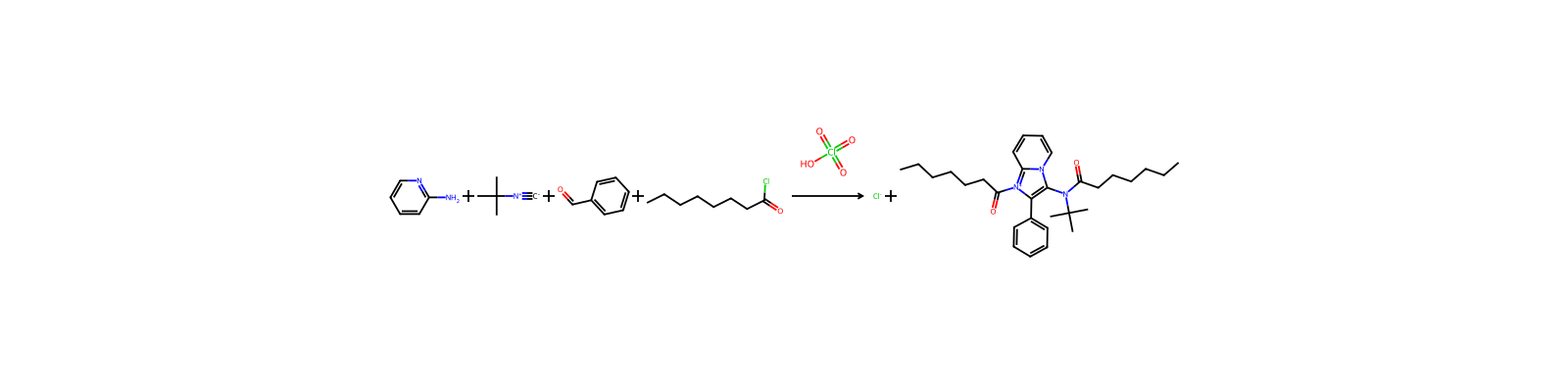
n-オクタノイルクロリド
Octanoyl chloride

基本情報
- CAS
111-64-8- 標準SMILES
CCCCCCCC(=O)Cl- InChIKey
REEZZSHJLXOIHL-UHFFFAOYSA-N- 分子式
- C8H15ClO
- 平均分子量
- 162.66 g/mol
- 単同位体質量
- 162.08114278
概要
Caprylyl chloride is a clear colorless to straw-colored liquid with a pungent odor. (NTP, 1992)
名称と識別子
- 優先名称
- Octanoyl chloride
- IUPAC
- octanoyl chloride
- 現地名
- n-オクタノイルクロリド
- 英語名
- Octanoyl chloride
- 分子式
- C8H15ClO
- 分子量
- 162.66
名称と別名
Octanoyl chloride111-64-8Capryloyl chlorideCAPRYLYL CHLORIDEn-Octanoyl chlorideCaprylic acid chlorideOctanoic acid chlorideOctanoic chlorideMFCD00000766DTXSID9024724BK8FUS6OVToctanoylchloride
名称をさらに表示
n-オクタノイルクロリドオクタン酸クロリドカプリリルクロリドカプリロイルクロリドオクタノイルクロリド化カプリロイルカプリル酸クロライド塩化N-オクタノイル塩化カプリリル塩化オクタノイル塩化N-カプリロイル塩化 n-カプリリルオクタノイル=クロリド塩化N‐オクタノイル塩化オクタノイル, 99%OctanoyLOctanoyl chloridOTCLXin chlorideCaprylyl chloridoctanoicchloriden-Caprylchloride
CCRIS 5990EINECS 203-891-6BRN 0635917caprylic chlorideoctanoyl- chlorideUNII-BK8FUS6OVTC7H15COClOctanoyl chloride, 99%
データベース識別子
- CAS
111-64-8- PubChem CID
- 8124
- DTXSID
DTXSID9024724- ChEMBL
CHEMBL1504663- UNII
- BK8FUS6OVT
- EC Number
- 203-891-6
- Nikkaji
- J95.913H
物性
構造計算による物性
- XLogP
- 4
- 極性表面積
- 17.1 Ų
- 水素結合供与体数
- 0
- 水素結合受容体数
- 1
- 回転可能結合数
- 6
- 重原子数
- 10
- 形式電荷
- 0
- 複雑度
- 91.3
実験および物理化学的性質
Chemical Classes
Toxic Gases & Vapors -> Acid Halides
Corrosives
SpringerMaterials PropertiesBoiling point
Density
0.973 at 46 °F (NTP, 1992) - Less dense than water; will float
0.9535 @15°C
Solubilityless than 1 mg/mL at 70 °F (NTP, 1992)
Flash Point
177 °F (NTP, 1992)
177 °F
Boiling Point
385 °F at 760 mmHg (NTP, 1992)
195.6 °C @760 [mm Hg]
Melting Point
-30.1 °F (NTP, 1992)
-63 °C
Vapor Density5.6 (NTP, 1992) - Heavier than air; will sink (Relative to Air)
Vapor Pressure
12.7 mmHg at 77 °F ; 22.5 mmHg at 108 °F (NTP, 1992)
12.7 [mmHg]
2.5 [mm Hg] @20 °C
Physical Description
安全と法規制
安全情報は参考情報です。供給元の安全データシート(SDS)、適用法令、専門家による評価に代わるものではありません。
GHS分類
GHS Classification
Danger
H290 (96.4%): May be corrosive to metals [Warning Corrosive to Metals]
P234, P260, P261, P264, P264+P265, P271, P272, P280, P284, P302+P352, P304+P340, P305+P354+P338, P316, P317, P320, P321, P332+P317, P333+P317, P362+P364, P390, P403+P233, P405, P406, and P501 (click each P-code to see the statement)
Aggregated GHS information provided per 167 reports by companies from 7 notifications to the ECHA C&L Inventory. Each notification may be associated with multiple companies.
危険有害性情報
Regulatory Information
Chemical: Octanoyl chloride
Status: Active Update: 10-11-2020 https://echa.europa.eu/registration-dossier/-/registered-dossier/13360
Octanoyl chloride: Does not have an individual approval but may be used under an appropriate group standard
The New Jersey Worker and Community Right to Know Act requires public and private employers to provide information about hazardous substances at their workplaces. (N.J.S.A. 34:5A-1 et. seq.)
Other Safety InformationIMAP assessments - Octanoyl chloride: Human health tier I assessment
DOT LabelCorrosive
Fire HazardsThis chemical is combustible. (NTP, 1992)
Health Hazards
SYMPTOMS: Symptoms of exposure to this compound may include eye and skin irritation. Inhalation may be fatal as a result of spasm, inflammation and edema of the larynx and bronchi, chemical pneumonitis and pulmonary edema. Other symptoms include a burning sensation, coughing, wheezing, laryngitis, shortness of breath, headache, nausea, vomiting and lacrimation. This compound is extremely destructive to tissue of the mucous membranes, upper respiratory tract, eyes and skin.
Hazards Summary
化学と産業
用途と製造
UsesUsed to make other organic chemicals; [Hawley]
General Manufacturing InformationOctanoyl chloride: ACTIVE
応用分野
使用Octanoyl chloride is used to produce adhesives. It is used as an acylating agent for a variety of compounds such as sugars (e.g. Sucrose, aromatic compounds (e.g. Anisole and monoglycerides.
一般的な説明Clear colorless to straw-colored liquid with a pungent odor.
調製方法
製造方法Diphosgene (108.8 g) was added to a mixture of octanoic acid (144.2 g) and DMF (1.5 L) at 70 C°. The mixture was left to stand for 1 h, and then nitrogen was bubbled through it for 30 min at 100 C° to give 96.9% of octanoyl chloride (purity 99.99%). Benzoyl chloride and terephthaloyl chloride were similarly prepared.
上流・下流製品情報
上流原料
下流製品
関連反応
244 件


化合物ノート
読み込み中…