ホームMCPワークベンチSkills
ホームワークベンチ通知マイページ
llms.txt · MCPガイドプライバシーポリシー · 利用規約 · サポートv1.8.0
  1. ホーム
  2. /化合物

DL-2-メチル-1-ブタノール (合成)

2-Methyl-1-butanol

HCID 8723
ノートを作成反応を作成見積依頼を出す
印刷プレビュー
基本情報概要名称と識別子物性安全と法規制化学と産業関連反応化合物ノート
部分構造検索類似構造を探す

基本情報

CAS
137-32-6
標準SMILES
CCC(C)CO
InChIKey
QPRQEDXDYOZYLA-UHFFFAOYSA-N
分子式
C5H12O
平均分子量
88.15 g/mol
単同位体質量
88.088815

概要

2-methylbutan-1-ol is a primary alcohol that is isopentane substituted by a hydroxy group at position 1. It has a role as a Saccharomyces cerevisiae metabolite. It is a primary alcohol and an alkyl alcohol. It derives from a hydride of an isopentane.

名称と識別子

優先名称
2-Methyl-1-butanol
IUPAC
2-methylbutan-1-ol
現地名
DL-2-メチル-1-ブタノール (合成)
英語名
2-Methyl-1-butanol
分子式
C5H12O
分子量
88.15

名称と別名

2-METHYL-1-BUTANOL2-Methylbutan-1-ol137-32-6Active amyl alcoholsec-Butylcarbinol2-Methylbutanol1-Butanol, 2-methyl-2-Methylbutyl alcohol2-Methyl-n-butanolPrimary active amyl alcohol2-Methyl butanol-1Active primary amyl alcohol
名称をさらに表示
DL-2-メチル-1-ブタノール (合成)2-メチル-1-ブタノール活性アミルアルコール2-メチルブタン-1-オール2-メチルブチルアルコールsec-ブチルカルビノール光学活性アミルアルコール2-メチルブタノール2-メチルブタノール-12-メチルブタノ-ル(±)-2-メチル-1-ブタンオールDL-sec-ブチルカルビノール (合成)2‐メチルブタノール2‐メチル‐1‐ブタノールDL‐2‐メチル‐1‐ブタノール(^+)-2-メチル-1-ブタノールメチル-1-ブタノール, 2-(^+)-2-メチル-1-ブタノール, 98%2-METHYL BUTANOLFEMA 39981-Butanol,2-methyl-ACTIVE-AMYL ALCOHOL2-methyl-butan-1-olDL-2-METHYL-1-BUTANOL(±)-2-methyl-butan-1-ol(+/-)-2-Methyl-1-butanol
dl-sec-Butyl carbinolDTXSID50270697VTJ239ASUNSC-8431DTXCID107069FEMA NO. 3998CHEBI:48945RefChem:87986

データベース識別子

CAS
137-32-6、1565-80-6、34713-94-5
PubChem CID
8723
DTXSID
DTXSID5027069
ChEMBL
CHEMBL451923
ChEBI
CHEBI:48945
UNII
7VTJ239ASU
EC Number
205-289-9、252-163-4
Nikkaji
J2.022B

物性

構造計算による物性

XLogP
1.2
極性表面積
20.2 Ų
水素結合供与体数
1
水素結合受容体数
1
回転可能結合数
2
重原子数
6
形式電荷
0
複雑度
27.1

実験および物理化学的性質

LipidsFatty Acyls [FA] -> Fatty alcohols [FA05]
SolventsSolvents -> Alcohols (<C12)
FragrancesFragrance Ingredient (2-Methylbutanol) -> IFRA transparency List
LogP · 3 件

log Kow= 1.29 (measured)

1.290

1.3/1.4

Food AdditivesFLAVORING AGENT OR ADJUVANT -> FDA Substance added to food
Density · 3 件

0.816 @ 20 °C/4 °C

Relative density (water = 1): 0.8

0.815-0.820

Flavoring AgentsEU Flavoring substances
Color/FormCOLORLESS LIQ
Solubility · 6 件

MISCIBLE WITH ALC & ETHER

Sol in acetone

Water solubility: 30,000 mg/l : 25 °C

Solubility in water, g/100ml at 25 °C: 3.0 (moderate)

Very slightly soluble in water; 50% soluble in heptane, triacetin

soluble (in ethanol)

Flash Point · 3 件

50 °C

122 °F (50 °C) (OPEN CUP)

安全と法規制

安全情報は参考情報です。供給元の安全データシート(SDS)、適用法令、専門家による評価に代わるものではありません。

GHS分類

GHS Classification · 6 件

Danger

H226 (36.3%): Flammable liquid and vapor [Warning Flammable liquids]

P210, P233, P240, P241, P242, P243, P261, P264, P264+P265, P271, P280, P302+P352, P303+P361+P353, P304+P340, P305+P354+P338, P317, P319, P321, P332+P317, P362+P364, P370+P378, P403+P233, P403+P235, P405, and P501 (click each P-code to see the statement)

Aggregated GHS information provided per 2020 reports by companies from 32 notifications to the ECHA C&L Inventory. Each notification may be associated with multiple companies.

Danger

H226 (100%): Flammable liquid and vapor [Warning Flammable liquids]

危険有害性情報

Regulatory Information · 5 件

Chemical: 1-Butanol, 2-methyl-

Commission Regulation (EC) No 1565/2000 (Repealed by Com. Implementing Reg. (EU) No 872/2012)

1-Butanol, 2-methyl- is listed on the EPA's Chemical Data Reporting (CDR) system. Manufacturers and importers of 1-Butanol, 2-methyl- are required to report information about their production and use of this chemical to the EPA under the Toxic Substances Control Act (TSCA). (40 eCFR Part 711)

Status: Active Update: 15-12-2022 https://echa.europa.eu/registration-dossier/-/registered-dossier/12040

2-Methyl-1-butanol: Does not have an individual approval but may be used under an appropriate group standard

Other Safety InformationEvaluation - Chemicals that are unlikely to require further regulation to manage risks to environment
Fire HazardsFlammable. Above 50 °C explosive vapour/air mixtures may be formed.
Hazards Summary · 2 件

A skin, eye, and respiratory tract irritant; May cause CNS effects; Swallowing the liquid may cause aspiration into the lungs with the risk of chemical pneumonitis. The liquid defats the skin. [ICSC] Safe when used as a flavoring agent; [JECFA] In oral lethal dose studies, animals have ataxia and prostration; [OECD SIDS] An irritant; Effects in high-dose animal studies include spastic paralysis with/without sensory change; [MSDSonline]

化学と産業

薬理情報

Cellular LocationsCytoplasm

用途と製造

Uses · 6 件

Used as a solvent; for organic synthesis (introduction of active amyl group); in lubricants, plasticizers, and additives for oils and paints; as a frothing agent in ore flotation; as a chemical intermediate; [HSDB] Used to manufacture liquid crystals, plant protection agents, and fragrances; to catalyze polymerization of caprolactam; and to extract crude oil; [CHEMINFO]

Petroleum Production and Refining [Category: Industry]

SOLVENT; ORGANIC SYNTHESIS (INTRODUCTION OF ACTIVE AMYL GROUP); IN LUBRICANTS, PLASTICIZERS, ADDITIVES FOR OILS & PAINTS.

CHEM INT, EG, FOR ESTERS & ETHERS.

FROTHING AGENT IN ORE FLOTATION.

CHEM INT FOR DIAMYLDITHIOPHOSPHATES (CORROSION INHIBITOR).

U.S. Production · 3 件

2023: 10,000,000 - <50,000,000 lb

(1979) PROBABLY GREATER THAN 2.27X10+6 GRAMS

(1981) 1.36-2.72X10+9 GRAMS (ESTIMATED PRODN)

Industry UsesSolvent
Methods of Manufacturing · 2 件

BY FRACTIONATION OF FUSEL OIL AND VIA CHLORINATION OF PENTANES.

REACTION OF N-BUTENES WITH CARBON MONOXIDE & HYDROGEN IN THE PRESENCE OF COBALT HYDROCARBONYL (OXO PROCESS) FOLLOWED BY HYDROGENATION OF THE RESULTING C5 ALDEHYDES TO A MIXT OF AMYL ALCOHOLS WHICH CAN BE SEPARATED BY DISTILLATION

Formulations/PreparationsEXISTS IN COMMERCE LARGELY AS D-AMYL ALCOHOL.
Use Classification · 6 件

Fragrance Ingredients

Flavouring Agent -> FLAVOURING_AGENT -> JECFA Functional Classes

Flavoring Agents -> JECFA Flavorings Index

Flavouring Agent -> FLAVOURING_AGENT -> JECFA Functional Classes

Flavouring Agent -> FLAVOURING_AGENT -> JECFA Functional Classes

関連反応

44 件
反応記録を作成
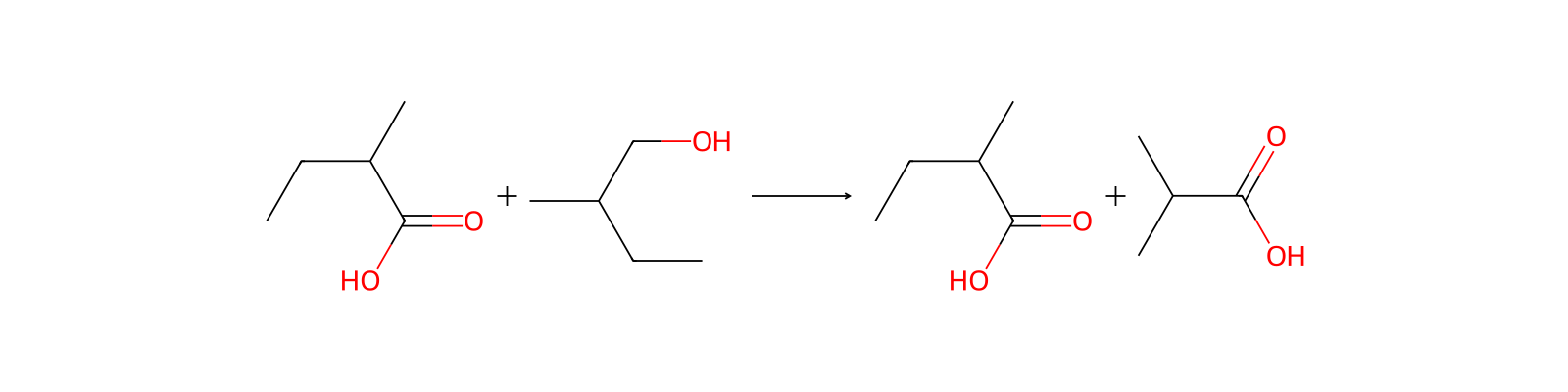
HRID 4451 の反応式
HRID 4451反応物としてuspto-grants-1988_02
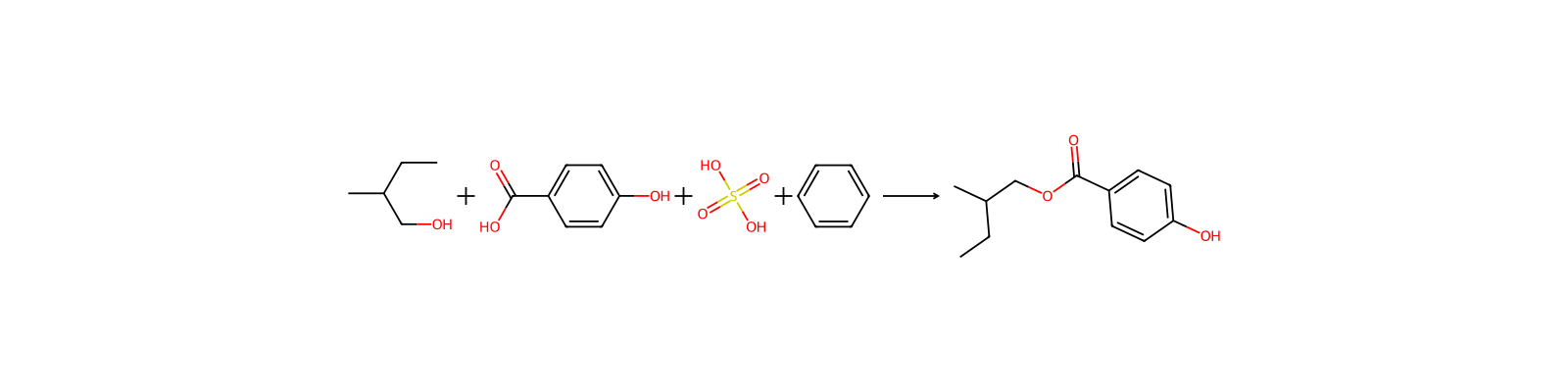
HRID 6318 の反応式
HRID 6318反応物としてuspto-grants-1993_09
HRID 23096 の反応式
HRID 23096反応物としてuspto-grants-2005_02
HRID 116788 の反応式
HRID 116788反応物としてTraining data from https://doi.org/10.1039/C8SC04228D (2/10)
HRID 129378 の反応式
HRID 129378反応物としてuspto-grants-1995_11
HRID 137013 の反応式
HRID 137013反応物としてTraining data from https://doi.org/10.1039/C8SC04228D (9/10)
HRID 137111 の反応式
HRID 137111反応物としてTraining data from https://doi.org/10.1039/C8SC04228D (9/10)
HRID 141929 の反応式
HRID 141929反応物としてTraining data from https://doi.org/10.1039/C8SC04228D (9/10)
1 / 6 ページ

化合物ノート

読み込み中…

このページの内容基本情報概要名称と識別子物性安全と法規制化学と産業関連反応化合物ノート
その他の操作
ノートを作成反応を作成見積依頼を出す

50 °C o.c.

Boiling Point · 4 件

128 °C @ 760 MM HG

128.00 to 130.00 °C. @ 760.00 mm Hg

128 °C

130 °C

Melting PointFREEZING POINT: LESS THAN -70 °C

物理化学的性質

融点
70 °C · −70 °C(lit.)
沸点
130 °C · 130 °C mm Hg(lit.)
比旋光度
-0.1 · -0.1~+0.1°(20℃/D)(neat)
比重(密度)
0.819 g/mL · 0.819 g/mL at 20 °C(lit.)
蒸気密度
3 · 3 (vs air)
蒸気圧
3 mm · 3 mm Hg ( 20 °C)
屈折率
20 · n20/D 1.411
FEMA
3998 · 3998 | (+/-)-2-METHYL-1-BUTANOL
闪点
110 °F · 110 °F
貯蔵温度
30 °C · Store below +30°C.
溶解性
3.6 g/a00g · 水: わずかに溶ける3.6g/a00g at 30°C
外見
液体
酸解離定数(Pka)
15.24 · 15.24±0.10(Predicted)
色
無色透明~ごくわずかに黄色
PH
7 · 7 (H2O)
臭い (Odor)
100 %で。エーテル的なフーゼル · 100.00%で。エーテル的なフーゼル アルコール性 脂肪分が多い 脂っこい ワインっぽい ウィスキー 革っぽい ココア
においのタイプ
エーテル的な
由来生物
synthetic
爆発限界(explosive limit)
1.2 · 1.2-10.3%(V)
水溶解度
3.6 g/100mL · 3.6g/100mL(30℃)
Merck
14 · 14,6030
JECFA Number
1199 · 1199
BRN
1718810 · 1718810
Henry's Law Constant
7.6 · 7.6×10-1 mol/(m3Pa) at 25℃, Brockbank (2013)
主な用途
フレーバーそして香料
化粧品成分の機能
香料
InChI
1S/C5H12O/c1-3-5(2)4-6/h5-6H,3-4H2,1-2H3
InChIKey
QPRQEDXDYOZYLA-UHFFFAOYSA-N
SMILES
CCC(C)CO
LogP
1.22 · 1.22
表面張力
24.09 mN/m · 24.09mN/m at 293.15K
CAS データベース
137 · 137-32-6(CAS DataBase Reference)
NISTの化学物質情報
1 · 1-Butanol, 2-methyl-(137-32-6)
EPAの化学物質情報
2 · 2-Methyl-1-butanol (137-32-6)

化学的性質

化学的特性(+/–)2-Methyl-1-butanol has a cooked, roasted aroma with fruity or alcoholic undernotes.

The major hazards encountered in the use and handling of 2-methyl-1-butanol stem from its toxicologic properties. Toxic by all routes (ie, inhalation, ingestion, and dermal absorption), exposure to this colorless liquid may occur from its use as a solvent, as a frothing agent in ore flotation, in lubricants, plasticizers, oils, and paints, and as a chemical intermediate for diamyldithiophosphates, 2-methyl-1-butylamine, esters, and ethers. Effects from exposure may include irritation of the eyes, skin, and mucous membranes, headache, dizziness, giddiness, nausea, cardiac arrhythmias, or pulmonary edema. In activities and situations where over-exposure may occur, wear a self-contained breathing apparatus. If contact should occur, irrigate exposed eyes with copious amounts of tepid water for at least 15 minutes, and wash exposed skin thoroughly with soap and water. This substance must be moderately heated before ignition will occur. If this substance should be involved in a fire, use water to cool the material to below its flash point.

EC ClassificationSymbol: Xn; R: 10-20-37-66; S: (2)-46
UN ClassificationUN Hazard Class: 3; UN Pack Group: III
Special ReportsAmyl alcohols or pentanols, Cahiers de Notes Documentaires S'ecurit'e et Hygi'ene du Travail 1st Quarter 1987.
Packaging and LabellingNote: C
NFPA Hazard Classification · 3 件

2 - Materials that, under emergency conditions, can cause temporary incapacitation or residual injury.

2 - Materials that must be moderately heated or exposed to relatively high ambient temperatures before ignition can occur. Materials would not under normal conditions form hazardous atmospheres with air, but under high ambient temperatures or under moderate heating could release vapor in sufficient quantities to produce hazardous atmospheres with air.

0 - Materials that in themselves are normally stable, even under fire conditions.

Hazard Classes and Categories · 4 件

Flam. Liq. 3 (100%)

Flam. Liq. 3 (36.3%)

Flammable liquids - Category 3

Flammable liquids - Category 3

Explosive Limits and PotentialExplosive limits , vol% in air: 1.4-9.0
Skin, Eye, and Respiratory Irritations... Severely irritating to the eyes, minimally irritating to the skin.

安全と保護具

Fire FightingUse alcohol-resistant foam, powder, carbon dioxide. In case of fire: keep drums, etc., cool by spraying with water.
First Aid Measures · 4 件

Fresh air, rest.

Remove contaminated clothes. Rinse skin with plenty of water or shower.

First rinse with plenty of water for several minutes (remove contact lenses if easily possible), then refer for medical attention.

Rinse mouth. Do NOT induce vomiting. Rest. Refer for medical attention .

Safe StorageFireproof. Cool.
Exposure Control and Personal Protection20.0 [ppm]
Spillage DisposalCollect leaking and spilled liquid in sealable metal or glass containers as far as possible. Absorb remaining liquid in sand or inert absorbent. Then store and dispose of according to local regulations.
Preventive Measures · 1 件

SRP: The scientific literature for the use of contact lenses in industry is conflicting. The benefit or detrimental effects of wearing contact lenses depend not only upon the substance, but also on factors including the form of the substance, characteristics and duration of the exposure, the uses of other eye protection equipment, and the hygiene of the lenses. However, there may be individual substances whose irritating or corrosive properties are such that the wearing of contact lenses would be harmful to the eye. In those specific cases, contact lenses should not be worn. In any event, the usual eye protection equipment should be worn even when contact lenses are in place.

Eye PreventionWear safety goggles.
Fire PreventionNO open flames, NO sparks and NO smoking. Above 50 °C use a closed system, ventilation and explosion-proof electrical equipment.
Inhalation RiskA harmful contamination of the air will be reached rather slowly on evaporation of this substance at 20 °C.
Skin PreventionProtective gloves.
Ingestion PreventionDo not eat, drink, or smoke during work.
Inhalation PreventionUse ventilation, local exhaust or breathing protection.

毒性情報

Body Burden2-Methyl-1-butanol was detected in 5.4% of 387 expired air samples collected from 54 human volunteers that were classified as healthy urban non-smokers(1); the 2-methyl-1-butanol concn ranged from 3.63 to 41.8 ng/l(1).
Environmental Fate · 3 件

TERRESTRIAL FATE: The only identifiable degradation process in soil is biodegradation. Although biodegradation data specific to 2-methyl-1-butanol are unavailable, analogy to similar aliphatic alcohols suggests that 2-methyl-1-butanol will readily biodegrade. Based upon an estimated Koc values of 15 and 120, 2-methyl-1-butanol is expected to leach readily in soil(2,SRC); however, the importance of leaching may be lessened by relatively rapid, concurrent biodegradation(SRC).

AQUATIC FATE: The only important identifiable degradation process in water is biodegradation. Although biodegradation data specific to 2-methyl-1-butanol are unavailable, analogy to similar aliphatic alcohols suggests that 2-methyl-1-butanol will be readily biodegradable. The volatilization half-lives of 2-methyl-1-butanol from a model environmental river (1 meter deep) and model pond have been estimated to be 61 hr and 28 days, respectively(1,2,SRC). Aquatic bioconcentration, hydrolysis, photodegradation and adsorption to sediment are not expected to be important(SRC).

ATMOSPHERIC FATE: Based upon a vapor pressure of 3.13 mm Hg at 25 °C(1), 2-methyl-1-butanol is expected to exist almost entirely in the vapor-phase in the ambient atmosphere(2,SRC). It will degrade in an average ambient atmosphere by reaction with photochemically produced hydroxyl radicals (estimated half-life of 47 hr)(3,SRC). Physical removal from air via wet deposition is possible since 2-methyl-1-butanol is relatively soluble in water(SRC).

Food Survey Values2-Methyl-1-butanol has been identified as a volatile component of blue cheese aroma(1), Concord grape juice essence(2), nectarines(3), apples(4,6), roasted filbert nuts(5), papaya fruit(7), oranges(8), tomatoes(9), beer(10), and wine(11).
Adverse EffectsNeurotoxin - Acute solvent syndrome
Exposure RoutesThe substance can be absorbed into the body by inhalation of its vapour and by ingestion.
Signs and Symptoms · 3 件

Cough. Dizziness. Drowsiness. Sore throat.

Dry skin. Redness.

Redness. Pain.

Effluent Concentrations2-Methyl-1-butanol was identified as one of the odorous compounds emitted to the air from a sedimentation tank at a German water treatment facility(1).
Soil Adsorption/Mobility · 1 件

Based upon a water solubility of 30,000 mg/l at 25 °C(1), the Koc for 2-methyl-1-butanol can be estimated to be 15 from a regression-derived equation(2,SRC). Based upon a measured log Kow of 1.29(3), the Koc for 2-methyl-1-butanol can be estimated to be 120 from a regression-derived equation(2,SRC). These BCF values suggest that 2-methyl-1-butanol has high to very high soil mobility(4).

Natural Pollution Sources · 1 件

2-Methyl-1-butanol has been identified as a volatile component of blue cheese aroma(1), Concord grape juice essence(2), nectarines(3), apples(4,5), papaya fruit(6), oranges(7), and tomatoes(8). 2-Methyl-1-butanol is released in the volatile emissions from poultry manure(9).

Atmospheric Concentrations2-Methyl-1-butanol was qualitatively detected in indoor air samples from a residential dwelling that had received an oil floor finish known as "Glitsa"(1).
Human Toxicity Excerpts · 2 件

TOXIC BY INGESTION, INHALATION & SKIN ABSORPTION.

2-Methyl-1-butanol ... /is/ low in single dose oral toxicity. ... Severely irritating to the eyes, minimally irritating to the skin, & can be absorbed through the skin. ...

Artificial Pollution Sources · 1 件

2-Methyl-1-butanol was identified as one of the odorous compounds emitted to the air from a sedimentation tank at a German water treatment facility(1). Various solvent uses of 2-methyl-1-butanol will release 2-methyl-1-butanol to air through evaporation(SRC).

安全データ

OEB
A
OEL
TWA: 100.0 ppm; 360.0 mg/m3, STEL: 125.0 ppm; 450.0 mg/m3
wgk
3
tsca
TSCA listed
rtecs
EL5250000
ridadr
UN 1105 3/PG 3
毒性
LD50 orally in Rabbit: 4170 mg/kg LD50 dermal Rabbit 2900 mg/kg
hs_code
29051500
risk_code
10-20-37-66
化審法
(2)-217
消防法
危-4-2-III
hazard_code
Xn
safety_code
46-24/25
hazard_class
3
packing_group
III
自然発火温度
725 °F
Hazard Classifications
Acute Tox. 4 InhalationEye Dam. 1Flam. Liq. 3Skin Irrit. 2STOT SE 3
ストレージクラス
3 - Flammable liquids
有毒物質データの
137-32-6(Hazardous Substances Data)

Flavouring Agent -> FLAVOURING_AGENT -> JECFA Functional Classes

General Manufacturing Information · 3 件

Adhesive Manufacturing

1-Butanol, 2-methyl-: ACTIVE

SYNTHETIC PRODUCT IS RACEMIC MIXTURE OF BOTH DEXTRO- & LEVOROTATORY CMPD &, THEREFORE, NOT OPTICALLY ACTIVE.

応用分野 · 4 件

用途光学活性アミルグループ導入のため有機合成に使われる。スズメバチやカリバチ、クロスズメバチの誘引剤。果物やワインに含まれる天然アルコールで、ウイスキー様、ワイン様、たまねぎ様の芳香を持ち、加工食品の香料に利用される。

天然物の起源Reportedly present in over 120 natural food products, including apple, apricot, banana, orange, bilberry, black currant, cranberry, papaya, strawberry, tomato and alcoholic beverages

使用2-Methyl-1-butanol is a whiskey-scented amyl alcohol that is naturally present in all fruits wine and beer. 2-Methyl-1-butanol is commercially used as a solvent in paints and oils and as flavorant in many processed foods. 2-Methyl-1-butanol has a characteristic redolence, which is thought to account for its active properties as an attractant for hornets and certain wasps, such as yellowjackets, in traps. As a biochemical active ingredient, it has a non-toxic mode of action – targeted pests are killed through physical entrapment.

一般的な説明S-(-)-2-Methyl-1-butanol is a precursor for the synthesis of chiral liquid crystals. It is a potential new-biofuel.

調製方法 · 3 件

2-methyl-1-butanol are refined from ethanol production as fusel oil. Isoamyl alcohols are used as solvents for oils, fats, resins, and waxes; in the plastics industry in spinning polyacrylonitrile; and in manufacturing lacquers, chemicals, and pharmaceuticals.

製造方法Prepared from hydroboration of 2-methyl-1-butene. (–)2-Methyl-1-butanol is isolated by fractional distillation of fusel oil

純化方法Reflux the butanol with CaO, distil, reflux with magnesium and again fractionally distil it. A small sample of highly purified material is obtained by fractional crystallisation after conversion into a suitable ester such as the trinitrophthalate or the 3-nitrophthalate. The latter is converted to the cinchonine salt in acetone and recrystallised from CHCl3 by adding pentane. The salt is saponified, extracted with ether, and fractionally distilled. [Terry et al. J Chem Eng Data 5 403 1960, Beilstein 1 IV 1666.]

上流・下流製品情報

上流原料

フ-ゼル油sec-ブチルエーテル (DL-, meso-混合物)carbon monoxide

下流製品

DL-2-メチル酪酸 2-メチルブチルイソ吉草酸メチル2-ペンタノールアセタート2-メチルブチルアミン5'-デオキシ-5-フルオロ-N-[(2-メチルブトキシ)カルボニル]シチジンエチルシクロプロパンテトラヒドロフランBenzenemethanamine, α-methyl-N-(2-methylbutyl)-

補足説明

定義The active alcohol from fusel oil. The synthetic product is a racemic mixture of both dextroand levorotatory compounds and therefore not optically active.