DL-酒石酸
2,3-Dihydroxybutanedioic Acid

基本情報
- CAS
133-37-9- 標準SMILES
O=C(O)C(O)C(O)C(=O)O- InChIKey
FEWJPZIEWOKRBE-UHFFFAOYSA-N- 分子式
- C4H6O6
- 平均分子量
- 150.09 g/mol
- 単同位体質量
- 150.01643791
概要
2,3-dihydroxybutanedioic acid is a tetraric acid that is butanedioic acid substituted by hydroxy groups at positions 2 and 3. It has a role as a plant metabolite and a human xenobiotic metabolite. It is a conjugate acid of a 3-carboxy-2,3-dihydroxypropanoate.
名称と識別子
- 優先名称
- 2,3-Dihydroxybutanedioic Acid
- IUPAC
- 2,3-dihydroxybutanedioic acid
- 現地名
- DL-酒石酸
- 英語名
- DL-Tartaric acid
- 分子式
- C4H6O6
- 分子量
- 150.09
名称と別名
2,3-Dihydroxybutanedioic acid526-83-0GlyTouCan:G35198MQDTXCID3026986CHEBI:15674DTXSID501031477RefChem:935304G35198MQ610-885-0DL-Tartaric acid133-37-9Racemic acid
名称をさらに表示
DL-酒石酸rac-(2R*,3R*)-2,3-ジヒドロキシこはく酸ラセミ酸rac-(2R*,3R*)-2,3-ジヒドロキシブタン二酸(±)-2,3-ジヒドロキシブタン二酸(±)-酒石酸ラセム酸dl酒石酸酒石酸DL‐酒石酸DL‐酒石酸標準品DL-酒石酸, 99%DL-酒石酸標準品TARTARIC ACIDdl-Tartaric acid anhydrousDL-TartaricClopidogrel Impurity 45DL-Tartaric acid concentrateButanedioic acid, 2,3-dihydroxy-, (2R,3R)-rel-DL-Tartaric acid 133-37-9 pure 99% food additives Paratartaric acid kf-wang(at)kf-chem.com
Uvic acidTraubensaureRacemic tartaric acidParatartaric acidParatartaric aicdDL-TartrateBUTANEDIOIC ACID, 2,3-DIHYDROXY-MFCD00064206
データベース識別子
- CAS
133-37-9、526-83-0、87-69-4- PubChem CID
- 875
- DTXSID
DTXSID501031477- ChEMBL
CHEMBL333714- ChEBI
CHEBI:15674- EC Number
- 205-105-7、610-885-0
- Nikkaji
- J56.048K
物性
構造計算による物性
- XLogP
- -1.9
- 極性表面積
- 115 Ų
- 水素結合供与体数
- 4
- 水素結合受容体数
- 6
- 回転可能結合数
- 3
- 重原子数
- 10
- 形式電荷
- 0
- 複雑度
- 134
実験および物理化学的性質
Chemical ClassesOther Classes -> Organic Acids
DrugsPharmaceuticals
FragrancesFragrance Ingredient (Tartaric acid (d-, l-, dl-, meso-)) -> IFRA transparency List
Solubility
soluble in water and alcohol; 1 gm in 0.8 ml water
1 g in 3 ml 95% alcohol (in ethanol)
Physical Description
White solid; [ICSC] Colorless or white odorless solid; [JECFA] White odorless crystalline powder; [Acros Organics MSDS]
colourless or translucent crystals, or a white, fine to granular crystaline powder which is odourless with an acid taste
Collision Cross Section
115.46 Ų [M-H]- [CCS Type: DT; Method: single field calibrated with Agilent tune mix (Agilent)]
124.4 Ų [M+H]+ [CCS Type: TW; Method: calibrated with polyalanine and drug standards]
物理化学的性質
- 融点
- 210 · 210-212 °C(lit.)
- 沸点
- 191.59 °C · 191.59°C (rough estimate)
- 比旋光度
- 20 · [α]D20 -0.2~+0.2° (c=20, H2O)
安全と法規制
安全情報は参考情報です。供給元の安全データシート(SDS)、適用法令、専門家による評価に代わるものではありません。
GHS分類
GHS Classification
This chemical does not meet GHS hazard criteria for 5.1% (26 of 506) of reports.
Danger
H315 (22.1%): Causes skin irritation [Warning Skin corrosion/irritation]
P261, P264, P264+P265, P271, P280, P302+P352, P304+P340, P305+P351+P338, P305+P354+P338, P317, P319, P321, P332+P317, P337+P317, P362+P364, P403+P233, P405, and P501 (click each P-code to see the statement)
Aggregated GHS information provided per 506 reports by companies from 13 notifications to the ECHA C&L Inventory. Each notification may be associated with multiple companies.
Warning
危険有害性情報
Regulatory Information
Chemical: Butanedioic acid, 2,3-dihydroxy-, (R*,R*)-(.+-.)-
REACH registered substance: (±)-tartaric acid (EC: 205-105-7)
Other Safety InformationIMAP assessments - Butanedioic acid, 2,3-dihydroxy-, (R*,R*)-(.+-.)-: Human health tier I assessment
Hazards SummaryCauses burns; Inhalation of aerosol may cause pulmonary edema; [ICSC] An irritant; [Acros Organics MSDS]
Hazard Classes and Categories
Skin Irrit. 2 (22.1%)
Skin Irrit. 2 (100%)
毒性情報
Adverse EffectsDermatotoxin - Skin burns.
Carcinogen ClassificationNo indication of carcinogenicity to humans (not listed by IARC).
安全データ
化学と産業
用途と製造
UsesUsed as a synergist for antioxidants, acid, emulsifier, sequestrant, and flavoring agent; [JECFA]
Household ProductsInformation on 7 consumer products that contain Tartaric acid in the following categories is provided:
Use Classification
Fragrance Ingredients
Flavouring Agent -> FLAVOURING_AGENT -> JECFA Functional Classes
Flavouring Agent -> FLAVOURING_AGENTFood Additives -> ACID; ANTIOXIDANT_SYNERGIST; EMULSIFIER; SEQUESTRANT; SYNERGIST -> JECFA Functional Classes
Flavoring Agents -> JECFA Flavorings Index
応用分野
解説dl- 酒石酸ともいわれる。化学式 C4H8O8 。旋光性はないが,分割すれば d -酒石酸と l -酒石酸に分けることができる。マンニットを硝酸で酸化すると生成する。またブドウの果汁中に存在することがある。無水塩は無色の結晶 (73℃以上の熱水から再結晶) で,融点 206℃。1水塩の融点 203~204℃。カルシウム,ストロンチウムの定量試薬に使われる。ブリタニカ国際大百科事典 小項目事典 ブリタニカ
天然物の起源d-Tartaric acid occurs in many fruits or other parts of the plant, free or combined with potassium, calcium or magnesium. It is also reported found in raw, lean fish, white wine, red wine and port wine.
使用DL-Tartaric acid is used as a synergist for antioxidants, emulsifier, sequestrant and flavoring agent. It is also added with citric acid to prepare effervescent salts, thereby enhancing the taste of oral medications. It is also utilized in pigments, processing aids, ink, toner and colorant products. It acts as a chelating agent in metal and farming industries. Further, it is used as lubricant and grease. It is mixed with sodium bicarbonate and used as a leavening agent in food preparation. In the pharmaceutical industry, it is utilized in the preparation of tartar emetic, which is used in cough syrup as an expectorant.
使用用途酒石酸は、食品添加物として利用される場合が多いです。爽やかな酸味を与える酸味料あるいは調味料として、清涼飲料水、ゼリー、ジャム、ソースなどに用いられます。また、酒石酸の塩である酒石酸水素カリウムや酒石酸ナトリウムは、加熱すると分解して二酸化炭素を放出する性質を利用して、膨張剤にも使用される場合があります。 そのほか、pHの調整や収れん作用を目的に、化粧品に配合されることも多いです。やと合わせてケミカルピーリング溶剤に入れることで、皮膚の古い角質を除去する効果があると言われています。 また、酒石酸は有機合成における原料や触媒としても用いられています。
調製方法
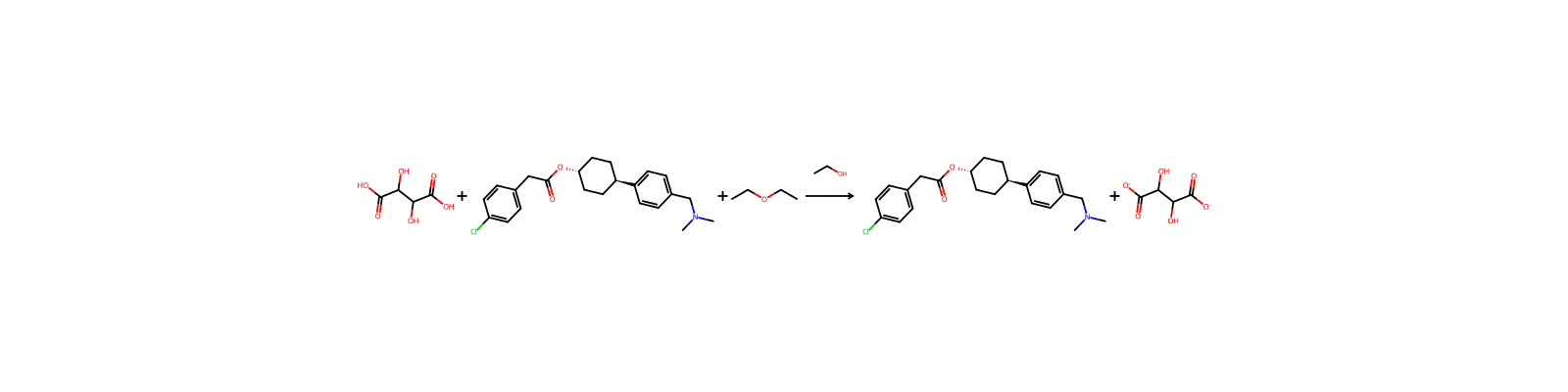
関連反応
439 件






化合物ノート
読み込み中…