銀(II)オキシド
Silver(II) oxide
基本情報
- CAS
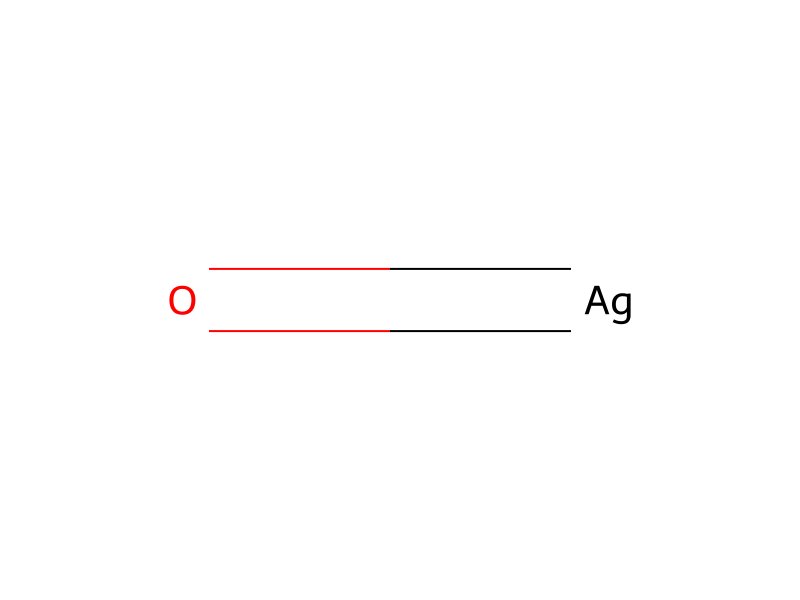
1301-96-8- 標準SMILES
[O]=[Ag]- InChIKey
OTCVAHKKMMUFAY-UHFFFAOYSA-N- 分子式
- AgO
- 平均分子量
- 123.868 g/mol
概要
Silver(I,III) oxide is an oxide of silver. It is used as part of the manufacture of silver oxide-zinc alkaline batteries. Silver is a metallic element with the chemical symbol Ag and atomic number 47. It occurs naturally in its pure, free form, as an alloy with gold and other metals, and in minerals such as argentite and chlorargyrite. (L808, L809, L835)
名称と識別子
- 優先名称
- Silver(II) oxide
- IUPAC
- oxosilver
- 現地名
- 銀(II)オキシド
- 英語名
- Silver(II) oxide
- 分子式
- AgO
- 分子量
- 123.87
名称と別名
Silver (II) oxideEINECS 215-098-2RefChem:886322Silver(II) oxideSILVER(II) OXIDE [MI]oxosilver155645-82-2UNII-4C3LTJ9O6JSilberperoxydSILVEROXIDESCHEMBL1754SILVER(I,III) OXIDE
名称をさらに表示
酸化銀(II)銀(II)オキシド酸化銀(Ⅱ)酸化銀酸化銀 (II)酸化銀(II) (99.9%-Ag)酸化銀(II), 98%酸化銀(II), 99.9% (metals basis), Ag 86.6% min酸化銀(I、III)オキソ銀一酸化銀Silver suboxideDivasilSilver oxidever(II) oxideArgentic oxideSilver monoxideilver(II) Oxidesilveroxide(ago)Silver oxide(II)
Silver(II) oxide (99.9%-Ag)AKOS015832917CS-0082531Silver oxide, predominantly silver(II) oxideQ2380600
データベース識別子
- CAS
1301-96-8、155645-82-2、155645-89-9- PubChem CID
- 92152
- EC Number
- 215-098-2
- Nikkaji
- J134.341F
物性
構造計算による物性
- 極性表面積
- 17.1 Ų
- 水素結合供与体数
- 0
- 水素結合受容体数
- 1
- 回転可能結合数
- 0
- 重原子数
- 2
- 形式電荷
- 0
- 複雑度
- 2
実験および物理化学的性質
Chemical ClassesMetals -> Metals, Inorganic Compounds
Physical DescriptionCharcoal-grey solid; Practically insoluble in water; [Merck Index] Dark grey odorless powder; Reacts with water; [Alfa Aesar MSDS]
物理化学的性質
- 融点
- 100 °C · 100 °C
- 比重(密度)
- 7.483 g/mL · 7.483 g/mL at 25 °C
- 貯蔵温度
- 2 · 2-8°C, protect from light, stored under nitrogen
- 溶解性
- soluble in alkaline solutions; reacts with acid solutions
- 外見
- 粉
- 比重
- 7.483 · 7.483
- 色
- グレーからブラック
- 水溶解度
- 不溶性
- 比熱容量
- 0.71 J/ · Cp(crystal): 0.71 J/(g·K), at 25℃
- Merck
- 14 · 14,8522
- 晶系
- 単斜
- 空间群
- 21 · P21/c
- 晶格常数
- 30.585 · a/nmb/nmc/nmα/oβ/oγ/oV/nm30.5850.3480.5590107.5900.1068
- CAS データベース
- 1301 · 1301-96-8(CAS DataBase Reference)
- EPAの化学物質情報
- Silver(II) oxide (1301-96-8)
安全と法規制
安全情報は参考情報です。供給元の安全データシート(SDS)、適用法令、専門家による評価に代わるものではありません。
GHS分類
GHS Classification
This chemical does not meet GHS hazard criteria for 2.2% (1 of 46) of reports.
Danger
H272 (97.8%): May intensify fire; oxidizer [Danger Oxidizing liquids; Oxidizing solids]
P210, P220, P261, P264, P264+P265, P271, P280, P302+P352, P304+P340, P305+P351+P338, P319, P321, P332+P317, P337+P317, P362+P364, P370+P378, P403+P233, P405, and P501 (click each P-code to see the statement)
Aggregated GHS information provided per 46 reports by companies from 6 notifications to the ECHA C&L Inventory. Each notification may be associated with multiple companies.
危険有害性情報
Hazards Summary
A silver(I)-silver(III) oxide; A strong oxidizing agent; A severe skin, eye, respiratory tract, and mucous membrane irritant; [Merck Index] An oxidizing agent that may cause fire on contact with combustible materials; Causes burns; Inhalation may cause corrosive injuries to upper respiratory tract and lungs; [Alfa Aesar MSDS] See Silver.
Hazard Classes and CategoriesOx. Sol. 2 (97.8%)
安全と保護具
Exposure Control and Personal Protection0.01 [mg/m3], inhalable fraction, as Ag (salts)[German Research Foundation (DFG)]
毒性情報
Treatment
EYES: irrigate opened eyes for several minutes under running water. INGESTION: do not induce vomiting. Rinse mouth with water (never give anything by mouth to an unconscious person). Seek immediate medical advice. SKIN: should be treated immediately by rinsing the affected parts in cold running water for at least 15 minutes, followed by thorough washing with soap and water. If necessary, the person should shower and change contaminated clothing and shoes, and then must seek medical attention. INHALATION: supply fresh air. If required provide artificial respiration.
化学と産業
薬理情報
Metabolism/Metabolites
Silver and its compounds can be absorbed via inhalation, while silver compounds can also be absorbed orally and dermally. It distributes throughout the body in the blood, particularily to the liver. Insoluble silver salts are transformed into soluble silver sulfide albuminates, bind to amino or carboxyl groups in RNA, DNA, and proteins, or are reduced to metallic silver by ascorbic acid or catecholamines. Metallic silver is oxidized and may deposit in the tissues, causing arygria. Silver is eliminated primarily in the faeces. (L808)
用途と製造
Uses
Used to make silver oxide-zinc alkali batteries; [Merck Index] Active product registrations in the US for use as a swimming pool disinfectant; [NPIRS]
Battery Manufacturing [Category: Industry]
Silver(I,III) oxide is used as part of the manufacture of silver oxide-zinc alkaline batteries. (L835)
応用分野
解説それに対して一酸化銀は、灰黒色の粉末です。銀と (O3) との反応のほか、硝酸銀水溶液とペルオキソ二硫酸塩である(NH4)2S2O8との反応によって生成されます。
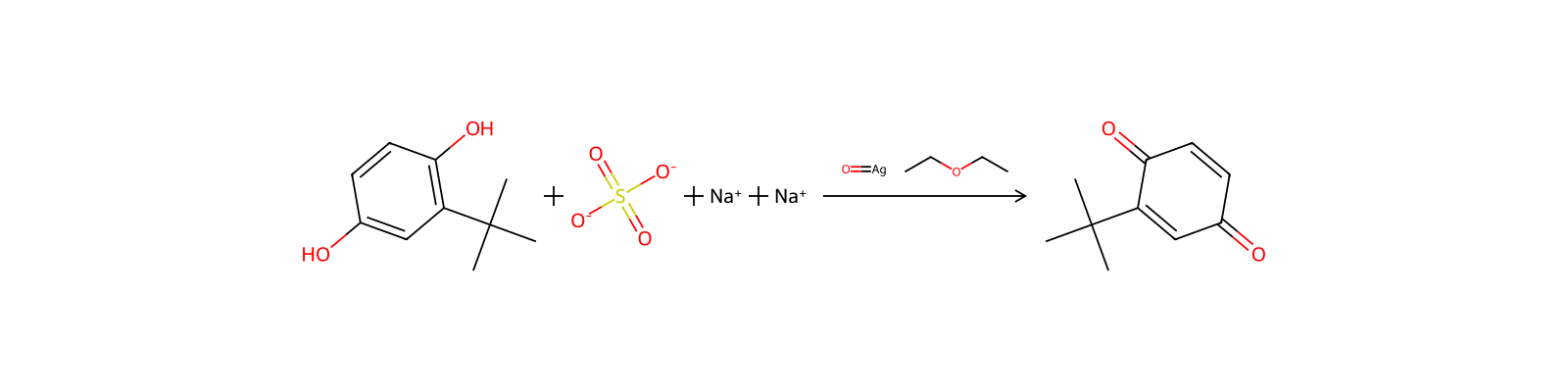
用途分析用試薬 : 酸化剤としてマンガン(II)、クロム(III)、セリウム(III)をそれぞれマンガン(VII)、クロム(IV)、セリウム(IV)にまで酸化するとき用いる。分析で用いられる酸化剤の中では最も強い酸化剤である。
使用In the manufacture of silver oxide-zinc alkali batteries.
使用用途一酸化銀は、酸化剤や分析試薬等の用途に用いられます。さらに、負極に、正極に酸化銀、にアルカリ水溶液を使用した小型一次電池である酸化銀-亜鉛アルカリ電池にも利用されています。
調製方法
純化方法Silver (II) oxide [1301-96-8] M 123.9, m > 1 0 0o(dec), 7.22. It is soluble in 40,000 parts of H2O, and should be protected from light. Stir it with an alkaline solution of potassium peroxysulfate (K2S2O8) at 85-90o. The black AgO is collected, washed free from sulfate with H2O made slightly alkaline and dried in air in the dark. [Hammer & Kleinberg Inorg Synth IV 12 1953.]
関連反応
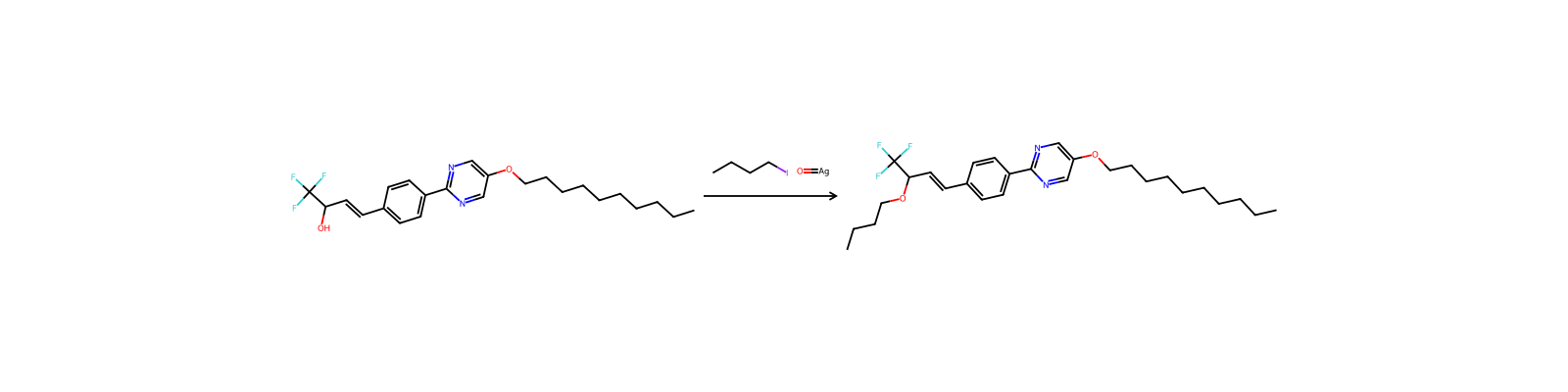
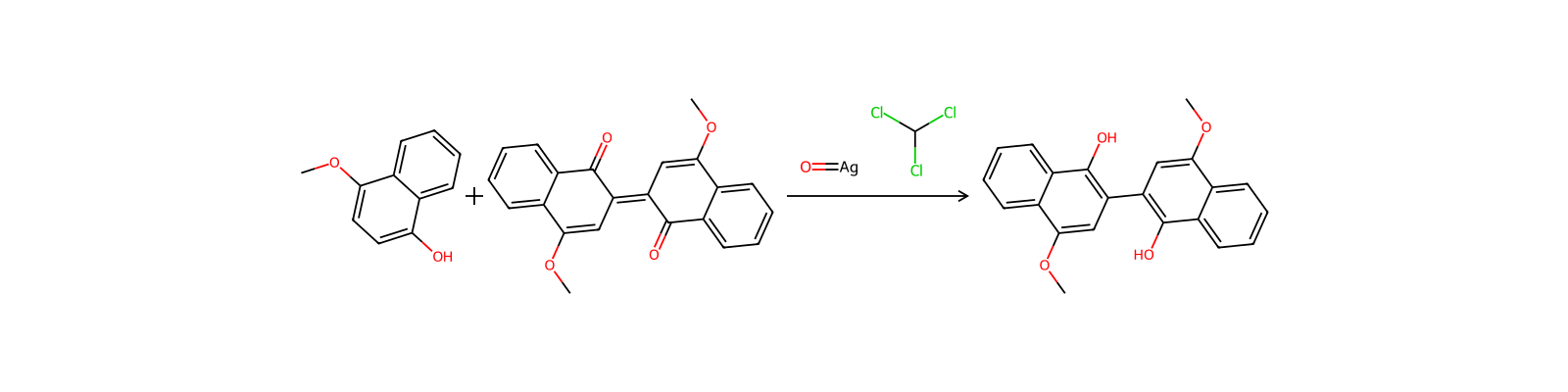
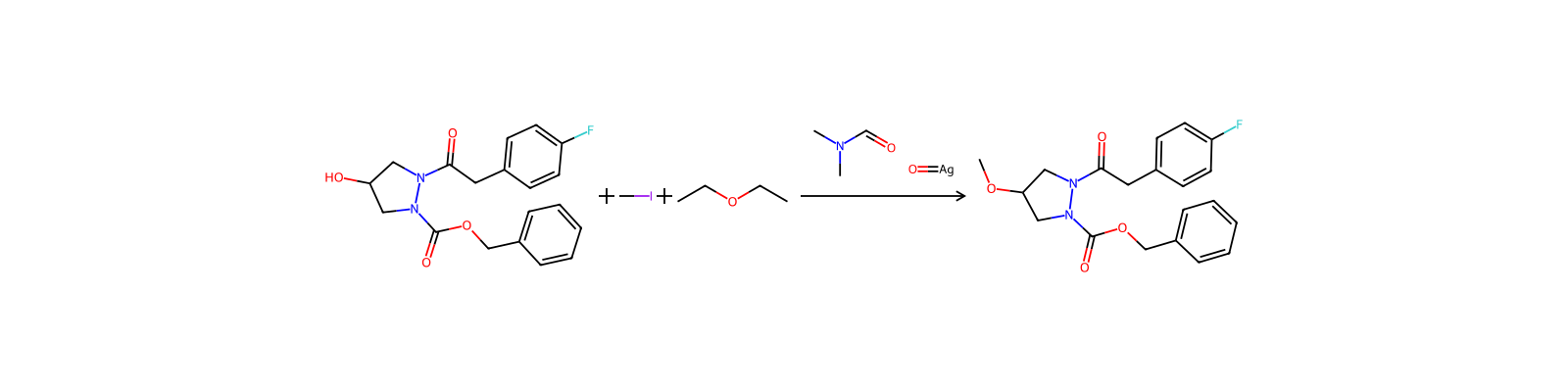
492 件




化合物ノート
読み込み中…