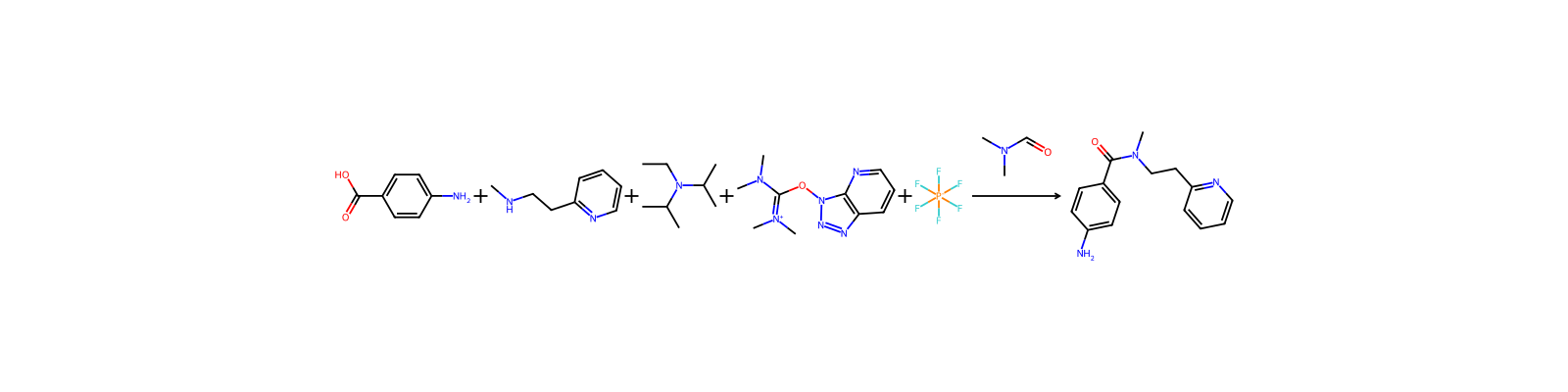
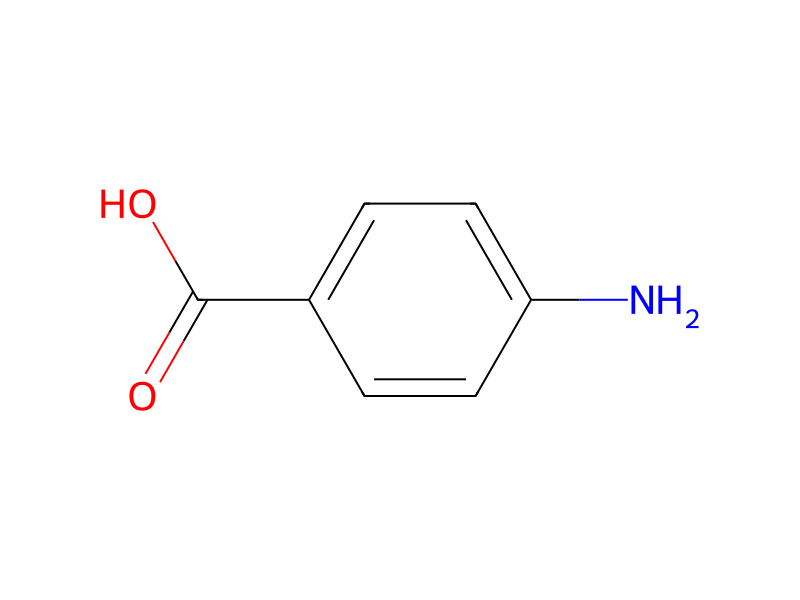
基本情報
- 標準SMILES
Nc1ccc(C(=O)O)cc1- InChIKey
ALYNCZNDIQEVRV-UHFFFAOYSA-N- 分子式
- C7H7NO2
- 平均分子量
- 137.14 g/mol
- 単同位体質量
- 137.04767846
概要
P-aminobenzoic acid appears as colorless crystals that discolor on exposure to light and air. (NTP, 1992)
名称と識別子
- 優先名称
- 4-Aminobenzoic Acid
- IUPAC
- 4-aminobenzoic acid
- 現地名
- 4-アミノ安息香酸
- 英語名
- 4-Aminobenzoic acid
- 分子式
- C7H7NO2
- 分子量
- 137.14
名称と別名
4-aminobenzoic acid150-13-0p-aminobenzoic acidPABAVitamin BXp-Carboxyanilinepara-aminobenzoic acidSunbrella4-CarboxyanilineParaminolPabacydAmben
名称をさらに表示
4-アミノ安息香酸4-アミノベンゼンカルボン酸パバシド4-カルボキシアニリンビタミンH'ロマビットアンベンパラミノールp-アミノ安息香酸ビタミンBxpアミノ安息香酸PABAP‐アミノ安息香酸4-アミノ安息香酸(PABA)アミノ安息香酸AMINOBENZOIC ACIDPARA AMINO BENZOIC ACID4-Abz-OH4-aminobenzoicFolic acid Impurity4-carboxyanilinPARA-AMINOBENZOATE
Benzoic acid, 4-amino-p-CarboxyphenylaminePabafilmPabamineParanateRomavitVitamin H'Bacterial vitamin H1
データベース識別子
- CAS
150-13-0- PubChem CID
- 978
- DTXSID
DTXSID6024466- ChEMBL
CHEMBL542- ChEBI
CHEBI:30753- UNII
- TL2TJE8QTX
- EC Number
- 205-753-0
- Nikkaji
- J5.852A
物性
構造計算による物性
- XLogP
- 0.8
- 極性表面積
- 63.3 Ų
- 水素結合供与体数
- 2
- 水素結合受容体数
- 3
- 回転可能結合数
- 1
- 重原子数
- 10
- 形式電荷
- 0
- 複雑度
- 128
実験および物理化学的性質
Chemical ClassesOther Uses -> Sunscreens
Drugs
Pharmaceuticals
Pharmaceuticals -> Listed in ZINC15
CosmeticsUv filter; Uv absorber
pHpH (0.5% solution): 3.5
LogP
log Kow = 0.83
0.83
0.83
OdorOdorless
Food AdditivesNUTRIENT SUPPLEMENT -> FDA Substance added to food
Density1.37 (NTP, 1992) - Denser than water; will sink
Color/Form
Monoclinic prisms from dilute alcohol
Light buff crystals; white when pure
Yellowish to red crystals or prisms
White or slightly yellow crystals or crystalline powder
Solubility
In water, 5,390 mg/L at 25 °C; 6,110 mg/L at 30 °C
One gram dissolves in 90 mL boiling water; in 8 ml alcohol, in 60 mL ether. Soluble in ethyl acetate, glacial acetic acid; slightly soluble in benzene; practically insoluble in petroleum ether.
Freely soluble in alcohol
Soluble in alkalis and ethane (C2H6)
For more Solubility (Complete) data for 4-AMINOBENZOIC ACID (8 total), please visit the HSDB record page.
Melting Point
370 to 372 °F (NTP, 1992)
188.5 °C
188.5 °C
188 °C
Vapor Pressure
0.000278 [mmHg]
4.5X10⁻⁶ mm Hg at 25 °C /Extrapolated from measurements at higher temperatures/
物理化学的性質
- 融点
- 187 · 187-189 °C(lit.)
- 沸点
- 251.96 °C · 251.96°C (rough estimate)
- 比重(密度)
- 1.374 g/mL · 1.374 g/mL at 25 °C(lit.)
- 蒸気圧
- 0 Pa · 0Pa at 25℃
- 屈折率
- 1.5323 · 1.5323 (estimate)
- 闪点
- 250 °C · 250 °C
- 貯蔵温度
- 2 · 2-8°C
- 溶解性
- 95 % · 95% エタノール: 可溶 5%、透明からわずかにかすんだ、無色から黄色
- 外見
- 結晶性粉末
- 酸解離定数(Pka)
- 2.5 · 2.50, 4.87(at 25℃)
- 色
- 白色~淡黄色
- PH
- 3.5 · 3.5 (5g/l, H2O, 20℃)
- 臭い (Odor)
- 無臭
- 由来生物
- synthetic (organic)
- 水溶解度
- 4.7 g/L · 4.7g/L(20℃)
- 比熱容量
- 1.3 J/ · Cp(crystal): 1.3 J/(g·K), at 25℃
- Merck
- 14 · 14,423
- BRN
- 471605 · 471605
- Henry's Law Constant
- 6.6 · 6.6×104 mol/(m3Pa) at 25℃, HSDB (2015)
- 安定性
- 安定。強力な酸化剤とは相容れない。可燃性。光や空気に敏感。光に当たると変色することがあります。
- 主な用途
- ペプチド合成
- 化粧品成分の機能
- 光安定剤紫外線吸収剤
- InChI
- 1S/C7H7NO2/c8-6-3-1-5(2-4-6)7(9)10/h1-4H,8H2,(H,9,10)
- InChIKey
- ALYNCZNDIQEVRV-UHFFFAOYSA-N
- SMILES
- Nc1ccc(cc1)C(O)=O
- LogP
- 0.96 at · 0.96 at 25℃
- CAS データベース
- 150 · 150-13-0(CAS DataBase Reference)
- NISTの化学物質情報
- p-Aminobenzoic acid(150-13-0)
- EPAの化学物質情報
- p-Aminobenzoic acid (150-13-0)
化学的性質
化学的特性colorless needle-like crystals. turns light yellow in the air or in light. Soluble in hot water, ether, ethyl acetate, ethanol and glacial acetic acid, insoluble in water, benzene, and insoluble in petroleum ether.
安全と法規制
GHS分類
GHS Classification
This chemical does not meet GHS hazard criteria for 21.9% (53 of 242) of reports.
Warning
H315 (32.2%): Causes skin irritation [Warning Skin corrosion/irritation]
P261, P264, P264+P265, P271, P272, P273, P280, P302+P352, P304+P340, P305+P351+P338, P319, P321, P332+P317, P333+P317, P337+P317, P362+P364, P403+P233, P405, and P501 (click each P-code to see the statement)
Aggregated GHS information provided per 242 reports by companies from 33 notifications to the ECHA C&L Inventory. Each notification may be associated with multiple companies.
危険有害性情報
Regulatory Information
Chemical: Benzoic acid, 4-amino-
Status: Active Update: 13-10-2022 https://echa.europa.eu/registration-dossier/-/registered-dossier/17109
4-Aminobenzoic acid: Does not have an individual approval but may be used under an appropriate group standard
Other Safety InformationIMAP assessments - Benzoic acid, 4-amino-: Environment tier I assessment
Health HazardsSYMPTOMS: Large doses by mouth can cause nausea, vomiting, skin rash, methemoglobimemia and possibly toxic hepatitis.
Hazards Summary
Oral LD50 = 1000 mg/kg (dog), 1830 mg/kg (rabbit), and 6000 mg/kg (rat); Causes acute hepatic necrosis in dogs given 2-3 g/kg; [HSDB] May cause irritation; May induce methemoglobinemia; [MSDSonline] May cause allergic dermatitis when applied as a sunscreen; No skin sensitization reported in occupational setting; [AIHA] Patients may be allergic or photoallergic to PABA. If photoallergic, they may not react to PABA alone, but only with sun exposure. [Marks, p. 212]
FDA Requirements
Sunscreen active ingredients. The active ingredient of the product consists of any of the following, within the concentration specified for each ingredient, and the finished product provides a minimum SPF value of not less than 2 as measured by the testing procedures established in subpart D of this part: Aminobenzoic acid (PABA) up to 15 percent is included on this list.
Reactive GroupAcids, Carboxylic
Reactivity ProfileP-AMINOBENZOIC ACID is incompatible with ferric salts and oxidizing agents. (NTP, 1992)
History and Incidents
PABA is known as a sunscreen agent in cosmetics. It absorbs UVB radiation strongly. In the 1940's, dermatologists began to prescribe it in 2-5 % strengths in aqueous creams or in 70 % alcoholic solutions as a sunscreen. PABA was very popular as a sunscreen agent through the 1950's and 1960's and used as such throughout the world. The use of PABA has declined during the last decade/s/.
Air and Water ReactionsNo rapid reaction with air. No rapid reaction with water.
Hazard Classes and CategoriesSkin Irrit. 2 (32.2%)
Skin, Eye, and Respiratory IrritationsDerivatives of PABA, benzophenone, cinnamic acid, and salicylate and 2-phenylbenzimidazole-5-sulfonic acid have caused skin irritation including burning, stinging, pruritus, and erythema on rare occasions. /Sunscreens/
Hazardous Reactivities and Incompatibilities
Incompatible materials: Strong oxidizing agents.
Incompatible with ferric salts and oxidizing agents.
安全と保護具
Fire Fighting
This compound is not very flammable but any fire involving this compound may produce dangerous vapors. You should evacuate the area. All firefighters should wear full-body protective clothing and use self-contained breathing apparatuses. You should extinguish any fires involving this chemical with a dry chemical, carbon dioxide, foam, or halon extinguisher. (NTP, 1992)
First Aid
EYES: First check the victim for contact lenses and remove if present. Flush victim's eyes with water or normal saline solution for 20 to 30 minutes while simultaneously calling a hospital or poison control center. Do not put any ointments, oils, or medication in the victim's eyes without specific instructions from a physician. IMMEDIATELY transport the victim after flushing eyes to a hospital even if no symptoms (such as redness or irritation) develop.
Firefighting HazardsSpecial hazards arising from the substance or mixture: Carbon oxides, nitrogen oxides (NOx).
Fire Fighting Procedures
Advice for firefighters: Wear self contained breathing apparatus for fire fighting if necessary.
Suitable extinguishing media: Use water spray, alcohol-resistant foam, dry chemical or carbon dioxide.
Storage ConditionsConditions for safe storage, including any incompatibilities: Keep container tightly closed in a dry and well-ventilated place. Recommended storage temperature: 2 - 8 °C. Air and light sensitive.
Cleanup Methods
Personal precautions, protective equipment and emergency procedures: Use personal protective equipment. Avoid dust formation. Avoid breathing vapors, mist or gas. Ensure adequate ventilation. Evacuate personnel to safe areas. Avoid breathing dust.
Environmental precautions: Do not let product enter drains.
Methods and materials for containment and cleaning up: Pick up and arrange disposal without creating dust. Sweep up and shovel. Keep in suitable, closed containers for disposal.
Nonfire Spill ResponseSTORAGE PRECAUTIONS: You should protect this chemical from exposure to light. Keep the container tightly closed under an inert atmosphere, and store under refrigerated temperatures. (NTP, 1992)
Disposal Methods
Product: Offer surplus and nor-recyclable solutions ot a licensed disposal company. Contact a licensed professional waste disposal service to dispose of this material. Contaminated packaging: Dispose of as unused product.
SRP: The most favorable course of action is to use an alternative chemical product with less inherent propensity for occupational exposure or environmental contamination. Recycle any unused portion of the material for its approved use or return it to the manufacturer or supplier. Ultimate disposal of the chemical must consider: the material's impact on air quality; potential migration in soil or water; effects on animal, aquatic, and plant life; and conformance with environmental and public health regulations.
Preventive Measures
Precautions for safe handling: Avoid contact with skin and eyes. Avoid formation of dust and aerosols. Provide appropriate exhaust ventilation at places where dust is formed.
Appropriate engineering controls: Handle is accordance with good industrial hygiene and safety practice. Wash hands before breaks and at the end of the workday.
Skin protection: ... Gloves must be inspected prior to use. Use proper glove removal technique (without touching glove's outer surface) to avoid skin contact with this product. Dispose of contaminated gloves after use in accordance with applicable laws and good laboratory practices. Wash and dry hands.
Protective Action Criteria (PAC)
15 [mg/m3]
69 [mg/m3]
410 [mg/m3]
Personal Protective Equipment (PPE)
RECOMMENDED RESPIRATOR: Where the neat test chemical is weighed and diluted, wear a NIOSH-approved half face respirator equipped with an organic vapor/acid gas cartridge (specific for organic vapors, HCl, acid gas and SO2) with a dust/mist filter. (NTP, 1992)
Eye/face protection: Face shield and safety glasses. Use equipment for eye protection tested and approved under appropriate government standards such as NIOSH (USA) or EN 166(EU).
Respiratory protection: For nuisance exposures use type P95 (US) or type P1 (EU EN 143) particle respirator. For higher level protection use type OV/AG/P99 (US) or type ABEK-P2 (EU EN 143) respirator cartridges. Use respirators and components tested and approved under appropriate government standards such as NIOSH (US) or CEN (EU).
Skin protection: Handle with gloves.
Body Protection: Complete suit protecting against chemicals. The type of protective equipment must be selected according to the concentration and amount of the dangerous substance at the specific workplace.
Other Standards Regulations and GuidelinesWorkplace Environmental Exposure Level (WEEL): 8-hr Time-weighted Average (TWA) 5 mg/cu m.
毒性情報
Interactions
Sulfonamides act by competitive inhibition of PABA in the microorganism. PABA administration in sufficient doses thus antagonized the antibacterial effect of the sulfonamides.
PABA appears to block the formatin of salicyluric acid from salicylic acid, resulting in increased salicylate blood levels.
Aminosalicylic acid appears to act on tubercle bacilli in a manner similar to that of sulfonamides on other organisms (by competing with PABA). Thus the administration of PABA may be expected to inhibit the antimicrobial activity of aminosalicylic acid.
Interferon titers induced by 0.007% PABA and poludan were compatible after both injections in the conjunctiva but not in the anterior chamber humor.
For more Interactions (Complete) data for 4-AMINOBENZOIC ACID (14 total), please visit the HSDB record page.
Environmental Fate
TERRESTRIAL FATE: According to a classification scheme(1), measured Koc values ranging from 19.9 to 316(2-4) suggest that 4-aminobenzoic acid is expected to have very high to moderate mobility in soil. The pKa values of 4-aminobenzoic acid are 2.38 (acid group)(5) and 4.85 (amino group)(6), indicating that this compound will exist almost entirely in the anion form in the environment and anions generally do not adsorb more strongly to soils containing organic carbon and clay than their neutral counterparts(7). However, aromatic amines are expected to bind strongly to humus or organic matter in soils due to the high reactivity of the aromatic amino group(8,9), suggesting that mobility may be much lower in some soils(SRC). Volatilization of 4-aminobenzoic acid from moist soil surfaces is not expected to be an important fate process(SRC) given an estimated Henry's Law constant of 1.5X10⁻¹⁰ atm-cu m/mole(SRC), based upon its vapor pressure, 4.5X10⁻⁶ mm Hg(10), and water solubility, 5390 mg/L(11). 4-Aminobenzoic acid is not expected to volatilize from dry soil surfaces(SRC) based upon its vapor pressure. An 82% of theoretical BOD using activated sludge in the Japanese MITI test classifies 4-aminobenzoic acid as readily biodegradable(12). Results of other screening studies(13,14) also suggest that biodegradation may be an important fate process(SRC).
AQUATIC FATE: According to a classification scheme(1), measured Koc values ranging from 19.9 to 316(2-4) indicate that 4-aminobenzoic acid may have no to moderate adsorption to suspended solids and sediment(SRC). Volatilization from water surfaces is not expected(5) based upon an estimated Henry's Law constant of 1.5X10⁻¹⁰ atm-cu m/mole(SRC), derived from its vapor pressure, 4.5X10⁻⁶ mm Hg(6), and water solubility, 5390 mg/L(7). According to a classification scheme(8), an estimated BCF of 3(SRC), from its log Kow of 0.83(9) and a regression-derived equation(10), suggests the potential for bioconcentration in aquatic organisms is low(SRC). An 82% of theoretical BOD using activated sludge in the Japanese MITI test classifies 4-aminobenzoic acid as readily biodegradable(11). Results of other screening studies(12,13) also suggest that biodegradation may be an important fate process(SRC). 4-Aminobenzoic acid is not expected to undergo hydrolysis in the environment due to the lack of hydrolyzable functional groups(5). Using simulated solar irradiation in aqueous solutions, the direct photolysis of 4-aminobenzoic acid followed pseudo-first order kinetics with the rate constant increasing with increasing pH(14); the direct photolysis rate constants were determined to be 3.46X10⁻⁶/sec, 12.57X10⁻⁶/sec and 14.96X10⁻⁶/sec at respective pH values of 4.8, 7.8 and 9.2(14) which correspond to respective half-lives of 2.32 days, 15.3 hours and 12.9 hours(SRC); it was determined that direct photolysis was the dominant phototransformation process in sunlit natural water with sensitized photolysis occurring at a much slower rate(14); p-hydroxybenzoic acid was identified as a photodegradation product with the photodegradation pathway including di(tri)-polymerization(14).
ATMOSPHERIC FATE: According to a model of gas/particle partitioning of semivolatile organic compounds in the atmosphere(1), 4-aminobenzoic acid, which has a vapor pressure of 4.5X10⁻⁶ mm Hg at 25 °C(2), will exist in both the vapor and particulate phases in the ambient atmosphere. Vapor-phase 4-aminobenzoic acid is degraded in the atmosphere by reaction with photochemically-produced hydroxyl radicals(SRC); the half-life for this reaction in air is estimated to be 9.5 hours(SRC), calculated from its rate constant of 4.0X10⁻¹¹ cu cm/molecule-sec at 25 °C(SRC) that was derived using a structure estimation method(3). Particulate-phase 4-aminobenzoic acid may be removed from the air by wet and dry deposition(SRC). 4-Aminobenzoic acid has been shown to degrade through direct photolysis in the sunlight spectrum(4,5), therefore, photolysis may have some importance as a fate process in the atmosphere(SRC).
Food Survey Values4-Aminobenzoic acid (PABA) is a chemical found in the folic acid vitamin and also in several foods including grains, eggs, and meat(1). It may also occur in Brewer's yeast, liver, molasses, mushrooms, and spinach(2).
Adverse EffectsOccupational hepatotoxin - Secondary hepatotoxins: the potential for toxic effect in the occupational setting is based on cases of poisoning by human ingestion or animal experimentation.
Milk Concentrations4-Aminobenzoic acid (PABA) is a chemical found in the folic acid vitamin and also in several foods including milk(1).
Plant Concentrations4-Aminobenzoic acid was detected, not quantified in Sesame (Sesamum indicum) seed(1).
Effluent Concentrations4-Aminobenzoic acid was detected in ammunition plant wastewater (concn unspecified)(1).
Soil Adsorption/Mobility
In a Chernozem soil of pH 7.5, the Koc of 4-aminobenzoic acid was determined to be 19.9(1). Using OECD Guideline 106 and three different soils of pH values of 2.8, 6.7 and 7.1, 4-aminobenzoic acid was found to have respective Koc values of 239, 46 and 55(2). A measured log Koc of 2.5 has been reported for 4-aminobenzoic acid(3) which corresponds to a Koc of 316. According to a classification scheme(4), these Koc values suggests that 4-aminobenzoic acid is expected to have very high to moderate mobility in soil. The pKa values of 4-aminobenzoic acid are 2.38 (acid group)(5) and 4.85 (amino group)(6), indicating that this compound will exist almost entirely in the anion form in the environment and anions generally do not adsorb more strongly to soils containing organic carbon and clay than their neutral counterparts(7). However, aromatic amines are expected to bind strongly to humus or organic matter in soils due to the high reactivity of the aromatic amino group(8,9), suggesting that mobility may be much lower in some soils(SRC).
Natural Pollution Sources
4-Aminobenzoic acid is widely distributed in nature as a B complex factor(1). Baker's yeast contains 5 to 6 ppm 4-aminobenzoic acid(1); brewer's yeast contains from 10 to 100 ppm 4-aminobenzoic acid(1). 4-Aminobenzoic acid (PABA) is a chemical found in the folic acid vitamin and also in several foods including grains, eggs, milk, and meat(2).
Human Toxicity Excerpts
/HUMAN EXPOSURE STUDIES/ In a dermatological clinic in Norway 23 patients with reactions to sunscreen preparations were seen during the years 1980-1982. The symptoms were eczema, redness, stinging or burning of the face following sun exposure. Patch tests and photopatch tests were carried out on the patients. Allergy to PABA was demonstrated in 11 patients (48%), of which 6 had plain contact allergy (26%) (PABA on non irradiated test sites) and 5 (21.7%) reacted to PABA only after irradiation.
/SIGNS AND SYMPTOMS/ Applications of 5% PABA in sunscreen formulation on human skin have shown that irritation is negligible.
/CASE REPORTS/ Human tests performed on patients contacting a dermatological clinic with a suspected skin disease shows that PABA has a potential to cause photo allergy reactions. Considering the fact that the results are based on patients with suspected dermatological problems rather than the general population, the prevalence is likely to be lower in the general population than in the studied groups. The highest photo allergy reaction to PABA was found in a Norwegian study from 1980 - 82 on 23 patients where 21.7% reacted. In most ... /studies/ the reaction to PABA was in the range 0 - 3%.
/CASE REPORTS/ A case report described that the potassium salt of PABA (administered orally 4 g three times a day for about 2 months) to a 64-year-old woman led to hepatotoxicity in a patient with scleroderma, as evidenced by elevated serum alanine aminotransferase and aspartate aminotransferase. /Potassium salt of PABA/
For more Human Toxicity Excerpts (Complete) data for 4-AMINOBENZOIC ACID (13 total), please visit the HSDB record page.
Artificial Pollution Sources
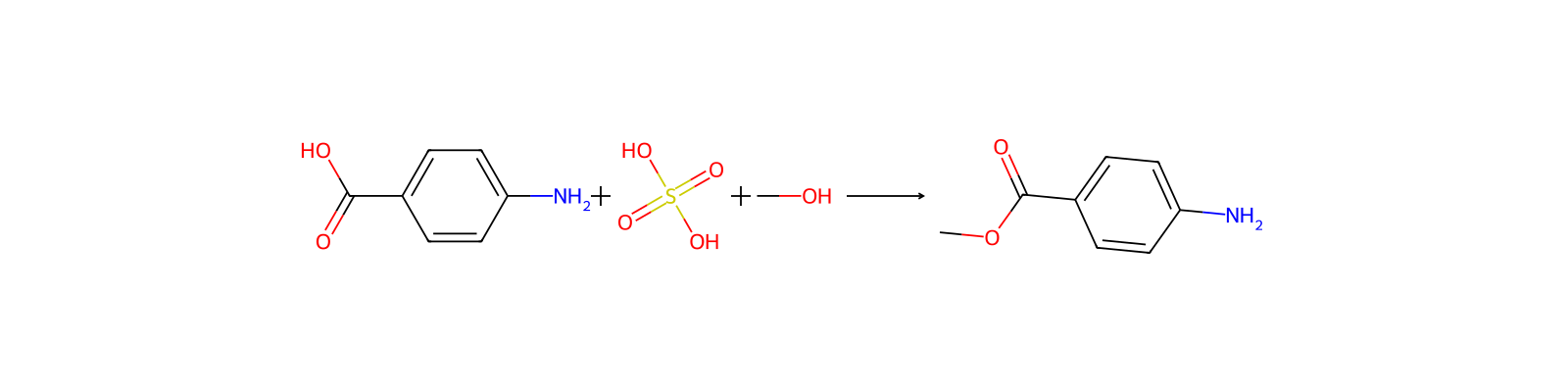
4-Aminobenzoic acid's production and use in the manufacturer of various esters, folic acid, azo dyes(1), as a cross-linking agent for polyurethane resins(2) and as UV absorber in suntan lotions(3) may result in its release to the environment through various waste streams(SRC).
Environmental Biodegradation
AEROBIC: 4-Aminobenzoic acid was decomposed by soil microflora using fill and draw operations at 20 °C. Using adapted activated sludge as the inoculum and 14C-labeled 4-aminobenzoic acid as the sole carbon source, 96.2% chemical oxygen demand removal was observed with a rate of 12.5 mg chemical oxygen demand/g dry inoculum/hr. A lag period for degradation of 16 mg/L was observed for wastewater or soil at pH 7.3 and 30 °C. At 100 mg/L of test sample, no inhibition of ammonia oxidation by Nitrosomonas species was observed.
AEROBIC: 4-Aminobenzoic acid, present at 100 mg/L, reached 82% of its theoretical BOD in 4 weeks using an activated sludge inoculum at 30 mg/L in the Japanese MITI test which classified the compound as readily biodegradable(1). 4-Aminobenzoic acid, present at 50 ppm C, reached 74% of its theoretical BOD in 2 weeks using an activated sludge inoculum at 30 mg/L in the Japanese MITI test(2). Other screening studies give similar results(2,3) indicating that 4-aminobenzoic acid is readily biodegradable(SRC).
ANAEROBIC: Screening studies indicate that 4-aminobenzoic acid may biodegrade under anaerobic conditions(SRC). 4-Aminobenzoic acid, present at 50 ppm C, reached 30-75% of its theoretical methane production in 56 days using 10% of digester sludge(1). However, in a screening test in which fresh sewage was added every 7 days, 4-aminobenzoic acid remained recalcitrant(2).
法規制情報
FDA Requirements
Sunscreen active ingredients. The active ingredient of the product consists of any of the following, within the concentration specified for each ingredient, and the finished product provides a minimum SPF value of not less than 2 as measured by the testing procedures established in subpart D of this part: Aminobenzoic acid (PABA) up to 15 percent is included on this list.
安全データ
- wgk
- 3
- tsca
- TSCA listed
- rtecs
- DG1400000
- 毒性
- LD50 in mice, rats (g/kg): 2.85, >6.0 orally (Scott, Robbins); LD50 in rabbits (g/kg): 2.0 i.v. (Richards); 1.83 orally (Cronheim)
- hs_code
- 29224995
- risk_code
- 22-36/37/38-43
- 化審法
- (3)-1454
- hazard_code
- Xn,Xi
- safety_code
- 26-36-37/39
- Hazard Classifications
- Aquatic Chronic 3
- ストレージクラス
- 11 - Combustible Solids
- 有毒物質データの
- 150-13-0(Hazardous Substances Data)
化学と産業
薬理情報
ATC Code
D - Dermatologicals
QD - Dermatologicals
Bionecessity
CoenzymeQ(ubiquinone or Q) is a crucial mitochondrial lipid required for respiratory electron transport in eukaryotes. 4-Hydroxybenozoate (4HB) is an aromatic ring precursor that forms the benzoquinone ring of Q and is used extensively to examine Q biosynthesis. However, the direct precursor compounds and enzymatic steps for synthesis of 4HB in yeast are unknown. Here /the authors/ show that para-aminobenzoic acid (pABA), a well known precursor of folate, also functions as a precursor for Q biosynthesis. A hexaprenylated form of pABA (prenyl-pABA) is normally present in wild-type yeast crude lipid extracts but is absent in yeast abz1 mutants starved for pABA. A stable (13)C6-isotope of pABA (pamino[ aromatic-(13)C6]benzoic acid ([(13)C6]pABA)), is prenylated in either wild-type or abz1 mutant yeast to form prenyl-[(13)C6]pABA. /The authors/ demonstrate by HPLC and mass spectrometry that yeast incubated with either [(13)C6]pABA or [(13)C6]4HB generate both (13)C6- demethoxy-Q (DMQ), a late stage Q biosynthetic intermediate, as well as the final product (13)C6-coenzyme Q. Pulse-labeling analyses show that formation of prenyl-pABA occurs within minutes and precedes the synthesis of Q. Yeast utilizing pABA as a ring precursor produce another nitrogen containing intermediate, 4-imino- DMQ6. This intermediate is produced in small quantities in wildtype yeast cultured in standard media and in abz1 mutants supplemented with pABA. We suggest a mechanism where Schiff base-mediated deimination forms DMQ6 quinone, thereby eliminating the nitrogen contributed by pABA. This scheme results in the convergence of the 4HB and pABA pathways in eukaryotic Q biosynthesis and has implications regarding the action of pABAbased antifolates.
Mechanism of Action
Radiation is absorbed by chemical sunscreens when the electron energy level of the drug is raised from its ground state to a higher energy level or excited state. Chromophore groups (C=C, C=O, O-N=O) with loosely held electrons are easily excited by radiation. Compounds which have several chromophore groups in optimal positions have high absorbance over a broad range of wavelengths. Chemical sunscreens are usually agents that absorb not less than 85% of UVB radiation (thus preventing burning) but may permit transmission of UVA radiation (thus allowing tanning). Some sunscreens may absorb wavelengths over a range that is slightly wider or narrower than that of UVB. All PABA derivatives absorb wavelengths of approximately 290-320 nm, benzophenone derivatives absorb wavelengths of approximately 250-360 nm, cinnamic acid derivatives absorb wavelengths of 280-320 nm, and salicylate derivatives and other miscellaneous chemical sunscreens absorb wavelengths of about 270-320 nm.
The wavelength to which the skin is maximally sensitive had been accepted for many years to be 296.7 nm; however, recent evidence suggests that the most erythemogenic UVB wavelength may be slightly lower (e.g., somewhere in the range of 292-295 nm). In addition, of the stronger burning wavelengths that reach the earth's surface, most are approximately 310 nm. Therefore, sunscreens that maximally absorb UVB radiation near either of these wavelengths are particularly effective at preventing sunburn. Maximum absorbance occurs at about 290 nm for PABA, at about 295 nm for glyceryl-p-aminobenzoate, and at about 310 nm for the remaining PABA derivatives. Maximum absorbance occurs at 280-290 nm for benzophenone derivatives, at 310 nm for cinnamic acid derivatives with the exception of diethanolamine-p-methoxycinnamate which has its maximum absorbance at 290 nm, and at 300-305 nm for salicylate derivatives and other miscellaneous sunscreens.
Diminish the penetration of ultraviolet (UV) light through the epidermis by absorbing UV radiation within a specific wavelength range. The amount and wavelength of UV radiation absorbed are affected by the molecular structure of the sunscreen agent. /Sunscreen agents, topical/
Diminish the penetration of ultraviolet (UV) light through the epidermis by absorbing UV radiation within a specific wavelength range. The amount and wavelength of UV radiation absorbed are affected by the molecular structure of the sunscreen agent. /Sunscreen agents, topical/
Biological Half-Life... The half-lives of PABA were 7.01 +/- 0.32 min in rapid acetylation rabbits and 7.08+/-0.78 min in slow acetylation rabbits.
Metabolism/Metabolites
The two major metabolic pathways in a variety of species (guinea-pigs, rabbits and rats, but not dogs) are acetylation of the amino group and conjugation of the carboxy group, either with glycine or with glucuronic acid. Acetylation occurs in liver, heart, lung, blood and kidneys of rats and in the mucous membranes of the gastrointestinal tract of cattle. N-Acetyl-transferase activity in the presence of para-aminobenzoic acid is similar in liver and lung tissue of rabbits. Acetylation not only of para-aminobenzoic acid (30-40%) but also of para-aminohippuric acid (70%) takes place in the kidney of rabbits; acetylation of para-aminohippurate also occurs in the kidney of guinea-pigs.
Acetylation is dose-dependent. In rats given up to 5 mg/kg bw, 75% of the metabolites were acetylated; with higher doses, the extent of acetylation decreased down to 40%. An inverse relationship exists between acetylation and glycine conjugation: when acetylation decreases, glycine conjugation increases; such a decrease is seen in pantothenic acid-deficient rats. . Male rats excreted a larger amount of acetylated conjugates in the urine than females.
Following ingestion /in man/ of 1.0 g, ...main metabolites were p-aminohippuric acid and acetyl-p-aminohippuric acid.
... PABA is predominantly metabolized by acetylation and glycine conjugation to form p-acetamidobenzoic acid (PAABA), p-aminohippuric acid (PAHA), and p-acetamidohippuric acid (PAAHA). ... The half-lives of PABA were 7.01 +/- 0.32 min in rapid acetylation rabbits and 7.08 +/- 0.78 min in slow acetylation rabbits. Significant differences were obtained in formation of PAABA and PAHA formed from PABA in both acetylation phenotype rabbits.
For more Metabolism/Metabolites (Complete) data for 4-AMINOBENZOIC ACID (9 total), please visit the HSDB record page.
FDA Pharmacological Classification
TL2TJE8QTX
AMINOBENZOIC ACID
Chemical Structure [CS] - Vitamin B Complex
Established Pharmacologic Class [EPC] - Vitamin B Complex Member
Aminobenzoic acid is a Vitamin B Complex Member.
Absorption, Distribution and Excretion
The toxicokinetics of PABA is characterized by fast oral absorption, biotransformation by the major routes acetylation and glycine conjugation, the minor route by glucuronidation in the liver and kidney, and a fast and almost complete elimination via the urine within 24 hrs. PABA is extensively acetylated during percutaneous absorption in humans. Studies have shown that PABA can cross the placenta rapidly. Furthermore, the results of one study indicate that the human placenta has a significant capacity for acetylation of PABA.
Of an oral dose of 1 g para-aminobenzoic acid, 82% was excreted in the urine of 3 male volunteers within 4 hr; para-aminohippuric acid and acetyl-para- aminohippuric acid were the principal metabolites. Concurrent administration of sodium benzoate totally abolished the excretion of these glycine conjugates.
The percutaneous absorption and metabolism of three structurally related compounds, benzoic acid, p-aminobenzoic acid (PABA), and ethyl aminobenzoate (benzocaine), were determined in vitro through hairless guinea pig skin. Benzocaine was also studied in human skin. Absorption of benzocaine was rapid and similar through both viable and nonviable skin. The absorption of the two acidic compounds, benzoic acid and PABA, was greater through nonviable skin. A small portion (6.9%) of absorbed benzoic acid was conjugated with glycine to form hippuric acid. Although N-acetyl-benzocaine had not been observed as a metabolite of benzocaine when studied by other routes of administration, both PABA and benzocaine were extensively N-acetylated during percutaneous absorption. Thus, the metabolism of these compounds should be considered in an accurate assessment of absorption after topical application.
Skin absorption of PABA corresponding to 1.6 to 9.6% of the applied amount of PABA was measured in the urine of six male volunteers after application of PABA in three different preparations. No significant difference where observed between the three preparations.
For more Absorption, Distribution and Excretion (Complete) data for 4-AMINOBENZOIC ACID (10 total), please visit the HSDB record page.
Tissue LocationsEpidermis
用途と製造
Uses
Used to make local anesthetics, folic acid, and azo dyes; Also used in feed additives, sunscreens, and medications; [HSDB] Occurs naturally as B complex factor--about 10-100 ppm in brewer's yeast;
Farming (Feed Additives) [Category: Industry]
For 4-aminobenzic acid (USEPA/OPP Pesticide Code: 233300) there are 0 labels match. /SRP: Not registered for current use in the U.S., but approved pesticide uses may change periodically and so federal, state and local authorities must be consulted for currently approved uses./
Manufacture /of/ various esters (local anesthetics), folic acid, and azo dyes; ... . Used in laboratories as sulfonamide antagonist.
Dye intermediate, pharmaceuticals, nutrition, UV absorber in suntan lotions.
Used principally in the pharmaceuticals industry; other uses are as a cross-linking agent for polyurethane resins, dyes, and feedstock additives.
U.S. Production
Production volumes for non-confidential chemicals reported under the Inventory Update Rule.[Table#6344]
Non-confidential 2012 Chemical Data Reporting (CDR) information on the production and use of chemicals manufactured or imported into the United States. Chemical: Benzoic acid, 4-amino-. National Production Volume: Withheld.
Methods of Manufacturing
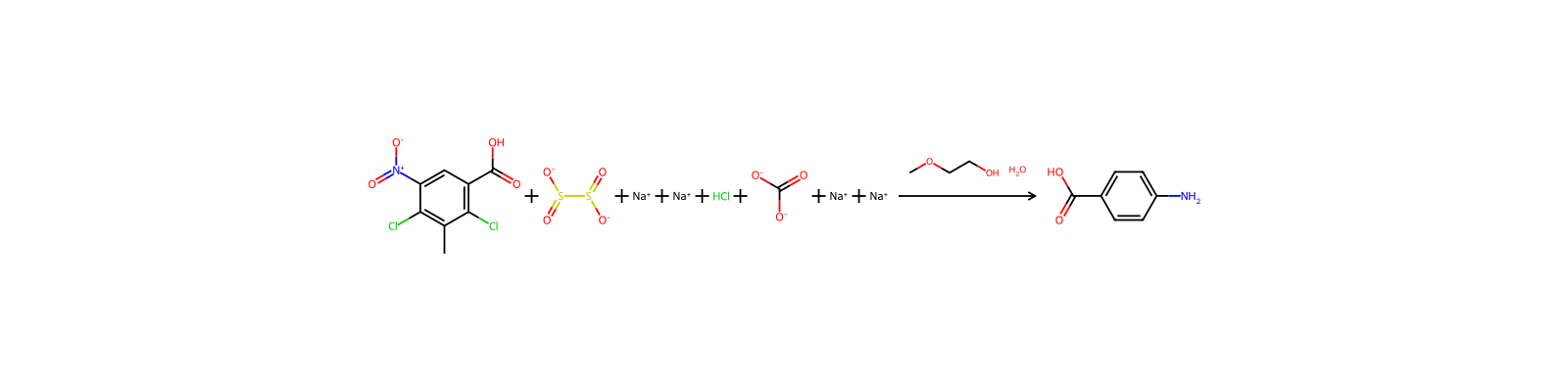
p-Nitrotoluene is oxidized with permanganate to p-nitrobenzoic acid, and the nitro group then is reduced to an amino group with iron and hydrochloric acid.
It is manufactured commercially by the catalytic hydrogenation of 4-nitrobenzoic acid using a platinum or palladium catalyst or by reduction with tin or iron and hydrochloric acid.
The Hofmann degradation reaction of terephthalic acid is ... /a/ source of 4-aminobenzoic acid. Dimethyl terephthalate reacts with one equivalent of potassium hydroxide in methanol. The resultant salt is then amidated with liquid ammonia indimethylformamide at 130 - 140 °C to give potassium terephthalamate. This then reacts with sodium hypochlorite solution at 50 - 92 °C. The overall yield is approximately 70%. A two-stage Hofmann reaction has been developed. The yield is 93%.
Formulations/Preparations
Sunscreens are available in a variety of dosage forms and formulations. ... Because these formulations frequently change and the manufacturers often are reluctant to reveal specific ingredients in their formulations, a listing of commercially available sunscreens is not included in this monograph.
Technical, National Formulary
Capsules and tablets (as the potassium salt), 500 mg; Packets (as the potassium salt) 2 g; Powder
Use ClassificationCosmetics -> Uv filter; Uv absorber
General Manufacturing Information
Benzoic acid, 4-amino-: ACTIVE
Commercially available as the calcium, potassium, and sodium salts.
p-Aminobenzoic acid is also known as anti-gray hair factor (in rats only).
Absorbs UV light of wavelengths in the region of 260 to 313 nm; its molar absorptivity at 288.5 nm is 18,300. However, it does not absorb throughout the near UV range ... Nevertheless, in the 260 to 313 nm range, it has the highest protection index of current sunscreen agents.
The drug occurs as white or slightly yellow, odorless crystals or crystalline powder. The drug is slightly soluble in water and freely soluble in alcohol. PABA is incompatible with ferric salts and oxidizing agents and darkens on exposure to air or light; preparations of the drug should be stored in light-resistant containers.
応用分野
用途有機合成原料。
説明4-Aminobenzoic acid (also known as para-aminobenzoic acid or PABA because the number 4 carbon in the benzene ring is also known as the para position) is an organic compound with the formula H2NC6H4CO2H. PABA is a white solid, although commercial samples can appear gray. It is slightly soluble in water. It consists of a benzene ring substituted with amino and a carboxyl groups. The compound occurs naturally. The potassium salt is used as a drug against fibrotic skin disorders, such as Peyronie's disease, under the trade name Potaba. PABA is also occasionally used in pill form by sufferers of irritable bowel syndrome to treat its associated gastrointestinal symptoms, and in nutritional epidemiological studies to assess the completeness of 24-hour urine collection for the determination of urinary sodium, potassium, or nitrogen levels.
使用4-aminobenzoic acid is an aminobenzoic acid isomer that combines with pteridine and glutamic acid to folic acid. The fact that 4-aminobenzoic acid absorbs light throughout the UVB range has also resulted in its use as an ingredient in sunscreens. Also it is used as a component of some medicines e.g analgesic or anesthetic preparations sunscreen agents and bentiromide.
一般的な説明Colorless crystals that discolor on exposure to light and air.
調製方法
製造方法4-Aminobenzoic acid synthesis method: add 38.0g of p-nitrobenzoic acid, 200mL of water, 20mL of tetrahydrofuran, 0.4g of sodium dodecyl sulfonate and 1.9g of Raney nickel to the autoclave, nitrogen replacement Three times, fill with hydrogen, adjust the pressure to 0.9±0.1MPa, adjust the temperature to 100±2°C, and keep the reaction under pressure for 4h to complete. After the reaction, the catalyst was recovered by filtration, left to stand for stratification, the water layer was directly applied mechanically, the tetrahydrofuran layer was distilled and recovered and applied mechanically, then 1.5 g of activated carbon was added to the 4-aminobenzoic acid mother liquor, and under nitrogen protection, heating and refluxing for decolorization for 20min, Filtration, cooling and crystallization of mother liquor, filtration, drying under vacuum at 80-85 °C to obtain 30.3 g of 4-aminobenzoic acid with a yield of 97.2%, a melting point of 187.1-187.6 °C, and a content of 100.2% (permanent stop titration method) .
純化方法Purify p-aminobenzoic acid by dissolving it in 4-5% aqueous HCl at 50-60o, decolorising with charcoal and carefully precipitating it with 30% Na2CO3 to pH 3.5-4 in the presence of ascorbic acid. It can be recrystallised from water, EtOH or EtOH/water mixtures. [Beilstein 14 IV 1126.]
上流・下流製品情報
上流原料
下流製品
サプライヤー50 社
国药集团化学试剂有限公司86-21-63210123 · [email protected]
北京华美互利生物化工010-56205725 · [email protected]
梯希爱(上海)化成工业发展有限公司021-67121386 · [email protected]
衢州润东化工有限公司0570-8789886 18892685668 · [email protected]
上海阿拉丁生化科技股份有限公司400-6206333 13167063860 · [email protected]
INTATRADE GmbH+49 3493/605464 · [email protected]
爱斯特(成都)生物制药股份有限公司+86-28-85122536 85324413 · [email protected]
上海如吉生物科技发展有限公司+86-21-65211385-8001 36031160 · [email protected]
韶远科技(上海)有限公司021-50795510 4000665055 · [email protected]
科瑞迪化学400-821-5857 021-64326257 · [email protected]
上海将来实业股份有限公司400-0066400 13621662912 · [email protected]
上海迈瑞尔生化科技有限公司4006356688 18621169109 · [email protected]
大连美仑生物技术有限公司0411-62910999 13889544652 · [email protected]
阿法埃莎(中国)化学有限公司400-6106006 · [email protected]
太原市瑞和丰科贸有限公司+86 351 7031519 · [email protected]
上海德默医药科技有限公司400-021-7337 2355568890 · [email protected]
安耐吉化学&3A(安徽泽升科技股份有限公司)400-0056266 · [email protected]
北京亿思研科技开发中心010-56645598 13366904824 · [email protected]
上海瀚鸿科技股份有限公司021-54306202 13764082696 · [email protected]
上海柯维化学技术有限公司021-64609169 18901607656 · [email protected]
天津万象恒远科技有限公司15722085254 · [email protected]
上海景颜化工科技有限公司13817811078 · [email protected]
张家港市思普生化有限公司512-0512-58992291,58992287 18606280718 · [email protected]
MedChemexpress LLC021-58955995 · [email protected]
成都福尔斯特医药技术有限公司028-87078428 028-87074958 · [email protected]
武汉丰泰威远科技有限公司027-87465837 19945049750 · [email protected]
上海忆嵘生物科技有限公司18049974220 · [email protected]
孝感深远化工有限公司15527621225; 15527621225 · [email protected]
苏州施亚生物科技有限公司86(512)5235 8471 17715136450 · [email protected]
山东西亚化学有限公司13355009207 13355009207 · [email protected]
玛雅试剂+86 (573) 82222445 (0)18006601000 452520369 · [email protected]
四川库利南科技有限公司400-1166-196 18981987031 · [email protected]
天津希恩思生化科技有限公司400 638 7771 · [email protected]
湖南汇百侍生物科技有限公司0731-85526065 13308475853 · [email protected]
南京维奥化工有限公司Please Send Email 18652950785 · [email protected]
河南多贝化工有限公司0370-2785118 17550508557 · [email protected]
斯百全化学(上海)有限公司021-021-021-67601398-809-809-809 15221380277 · [email protected]
北京泰亚杰科技有限公司021-33690831-8001 13552411790;18616022633 · [email protected]
泰州志诚化工科技有限公司0523-82837785 13914525028 · [email protected]
上海源叶生物科技有限公司13636370518 · [email protected]
淄博润恒生物科技有限公司13561657928 13561657928 · [email protected]
艾科试剂4008-755-333 18080918076 · [email protected]
深圳菲斯生物科技有限公司0755-83725681-603
上海思域化工科技有限公司86-21-34053660 · [email protected]
赛默飞世尔科技(中国)有限公司800-810-5118 · [email protected]
北京伊诺凯科技有限公司400-810-7969 010-59572699 · [email protected]
上海遐瑞医药科技有限公司+86 21 61551611
江苏艾康生物医药研发有限公司025-66113011 13913916777 · [email protected]
TCI AMERICA800-4238616 · [email protected]
TOKYO CHEMICAL INDUSTRY CO., LTD.03-36680489 · [email protected]
補足説明
定義PABAは、パラアミノ安息香酸の表示名称である。本品は、次の化学式で表される芳香族化合物である。
定義ChEBI: 4-aminobenzoic acid is an aminobenzoic acid in which the amino group is para to the carboxy group. It has a role as an Escherichia coli metabolite, a plant metabolite and an allergen. It derives from a benzoic acid. It is a conjugate acid of a 4-aminobenzoate.
関連反応
505 件



関連ノート
読み込み中…