反応式

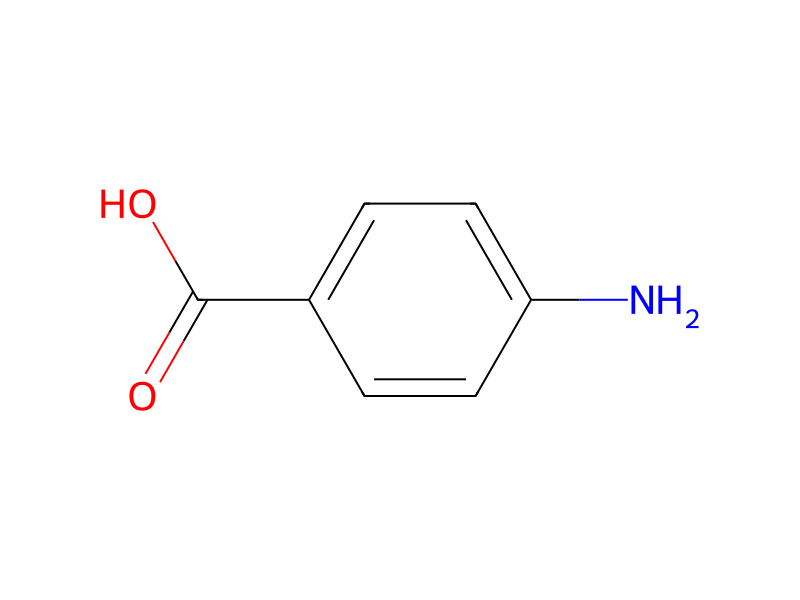
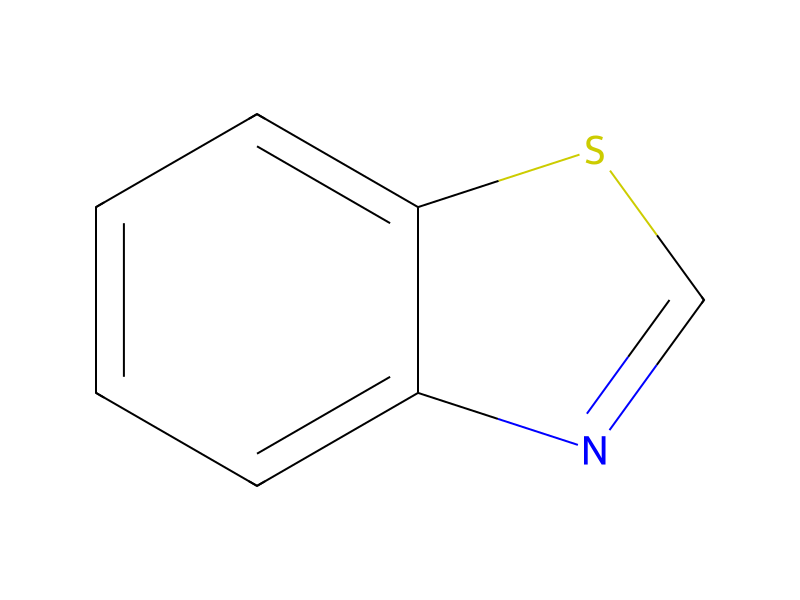
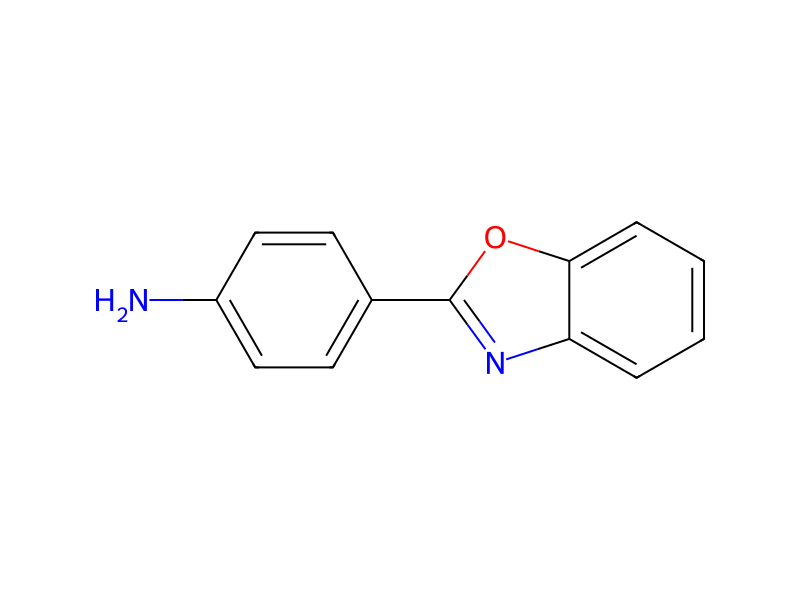
[NH2:1][C:2]1[CH:7]=[CH:6][CH:5]=[CH:4][CH:3]=1.[NH2:8][C:9]1[CH:17]=[CH:16][C:12]([C:13]([OH:15])=O)=[CH:11][CH:10]=1.[N-:18]=[C:19]=[S:20].C(Cl)(Cl)=S.[C:25]([CH2:27][C:28]([NH2:30])=[O:29])#[N:26]>>[NH2:8][C:9]1[CH:10]=[CH:11][C:12]([C:13]2[O:15][C:3]3[CH:4]=[CH:5][CH:6]=[CH:7][C:2]=3[N:1]=2)=[CH:16][CH:17]=1.[S:20]1[C:3]2[CH:4]=[CH:5][CH:6]=[CH:7][C:2]=2[N:18]=[CH:19]1.[N:1]1[C:2]2[CH:7]=[CH:6][CH:5]=[CH:4][C:3]=2[NH:26][CH:25]=1.[C:19]([CH:27]([C:25]#[N:26])[C:28]([NH2:30])=[O:29])(=[S:20])[NH2:18]参加物
9




実験手順
The 2-(4-aminophenyl)benzoxazole, benzothiazole, or benzimidazole was prepared by condensation of the appropriate aniline derivative with p-amino benzoic acid using polyphosphoric acid. The product was converted to the corresponding isothiocyanate with thiophosgene and subsequently condensed with cyanoacetamide to form the thiocarbamoyl cyanoacetamide. Treatment with bromine afforded the cyano hydroxy thiazole, which was converted to carboxamidine by treatment with the appropriate amide, as shown above.
出典と根拠
- ORDレコード
- ord-ffad715435b24c70909bdbc409e32c04
- 出典データセット
- uspto-grants-2008_09
- 特許番号
- US07429667B2
関連ノート
読み込み中…