
フェニルアセトアルデヒド
Phenylacetaldehyde
データを補完しています。しばらくしてからページを更新すると最新の内容を表示できます
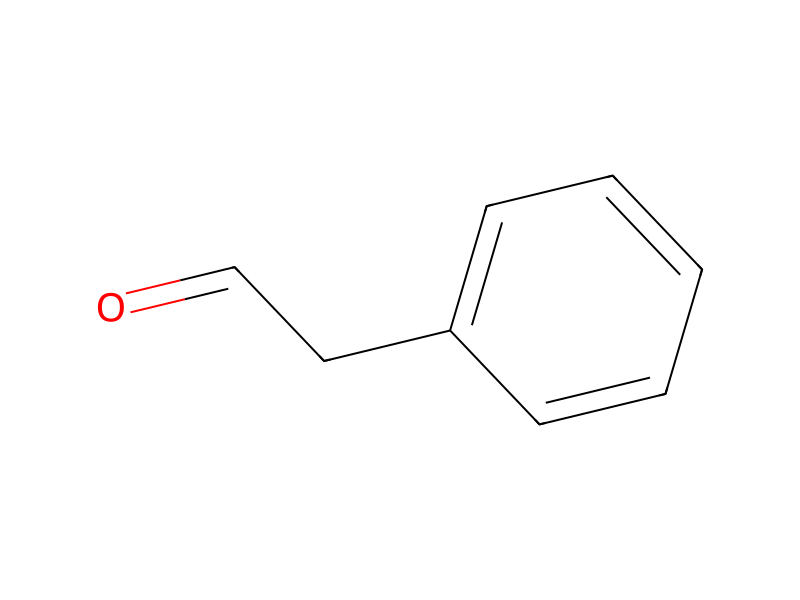
基本情報
- CAS
122-78-1- 標準SMILES
O=CCc1ccccc1- InChIKey
DTUQWGWMVIHBKE-UHFFFAOYSA-N- 分子式
- C8H8O
- 平均分子量
- 120.15 g/mol
- 単同位体質量
- 120.05751487
概要
Phenylacetaldehyde is an aldehyde that consists of acetaldehyde bearing a methyl substituent; the parent member of the phenylacetaldehyde class of compounds. It has a role as a mouse metabolite, a Saccharomyces cerevisiae metabolite, an Escherichia coli metabolite and a human metabolite. It is a member of phenylacetaldehydes and an alpha-CH2-containing aldehyde.
名称と識別子
- 優先名称
- Phenylacetaldehyde
- IUPAC
- 2-phenylacetaldehyde
- 現地名
- フェニルアセトアルデヒド
- 英語名
- Phenylacetaldehyde
- 分子式
- C8H8O
- 分子量
- 120.15
名称と別名
phenylacetaldehyde2-phenylacetaldehyde122-78-1Benzeneacetaldehyde2-Phenylethanalalpha-TolualdehydePhenylethanalPhenylacetic aldehydealpha-Toluic aldehydeOxophenylethaneAcetaldehyde, phenyl-Benzylcarboxaldehyde
名称をさらに表示
フェニルアセトアルデヒド (30-50%フタル酸ジエチル溶液)ベンゼンアセトアルデヒド2-フェニルエタナール2-フェニルアセトアルデヒドα-トルイルアルデヒドベンゼンエタナールフェニルエタナールα-トルアルデヒドヒアシンチンフェニルアセトアルデヒド溶液フェニルアセトアルデヒド (40-55%フタル酸ジエチル溶液)α-トルアルデヒド (40-55%フタル酸ジエチル溶液)フェニルアセトアルデヒド, 95%フェニルアセトアルデヒドHyacinthinFEMA 2874phenylacetadehydeBenzenacetaldehydeα-Tolualdehydeα-tolyaldehyde
1-Oxo-2-phenylethanePhenacetaldehydealpha-PhenylacetaldehydeFEMA No. 2974DTXSID3021483U8J5PLW9MRNSC-406309DTXCID501483
データベース識別子
- CAS
122-78-1- PubChem CID
- 998
- DTXSID
DTXSID3021483- ChEMBL
CHEMBL1233464- ChEBI
CHEBI:16424- UNII
- U8J5PLW9MR
- EC Number
- 204-574-5
- Nikkaji
- J2.494E
物性
構造計算による物性補完中
- XLogP
- 1.8
- 極性表面積
- 17.1 Ų
- 水素結合供与体数
- 0
- 水素結合受容体数
- 1
- 回転可能結合数
- 2
- 重原子数
- 9
- 形式電荷
- 0
- 複雑度
- 82.6
実験および物理化学的性質
Chemical ClassesOther Classes -> Aldehydes
DrugsPharmaceuticals -> Listed in ZINC15
SpringerMaterials Properties13C nuclear magnetic resonance spectrum
FragrancesFragrance Ingredient (Phenylacetaldehyde) -> IFRA transparency List
LogP
1.78
1.78
Food AdditivesFLAVOR ENHANCER, FLAVORING AGENT OR ADJUVANT -> FDA Substance added to food
Density1.023-1.045
Flavoring AgentsEU Flavoring substances
Solubility
Slightly soluble in water; insoluble in water; soluble in oils, propylene glycol
1 mL in 2 mL 80% ethanol (in ethanol)
Endocrine DisruptorsPotential endocrine disrupting compound
Boiling Point195 °C
安全と法規制
安全情報は参考情報です。供給元の安全データシート(SDS)、適用法令、専門家による評価に代わるものではありません。
GHS分類
GHS Classification
Danger
H302 (99.8%): Harmful if swallowed [Warning Acute toxicity, oral]
P260, P261, P264, P264+P265, P270, P272, P280, P301+P317, P301+P330+P331, P302+P352, P302+P361+P354, P304+P340, P305+P354+P338, P316, P317, P321, P330, P333+P317, P362+P364, P363, P405, and P501 (click each P-code to see the statement)
Aggregated GHS information provided per 1836 reports by companies from 21 notifications to the ECHA C&L Inventory. Each notification may be associated with multiple companies.
危険有害性情報
Regulatory Information
Chemical: Benzeneacetaldehyde
Commission Regulation (EC) No 1565/2000 (Repealed by Com. Implementing Reg. (EU) No 872/2012)
REACH registered substance: Phenylacetaldehyde (EC: 204-574-5)
Phenylacetaldehyde: Does not have an individual approval but may be used under an appropriate group standard
Hazards Summary
Causes somnolence in acute inhalation studies of mice; Causes somnolence and ataxia in oral lethal-dose studies of rats; Causes cutaneous sensitization in 3-day intermittent dermal studies of mice; [RTECS] Has been reported to be a fragrance allergen in consumers, and is a moderately potent allergen; [EC: SCCP] Safe when used as a flavoring agent in food; [JECFA] May cause irritation; May cause skin sensitization; Harmful by ingestion; [Acros Organics MSDS]
Hazard Classes and CategoriesAcute Tox. 4 (99.8%)
毒性情報
Adverse EffectsSkin Sensitizer - An agent that can induce an allergic reaction in the skin.
Carcinogen ClassificationNot listed by IARC.
化学と産業
薬理情報
Metabolism/MetabolitesPhenylacetaldehyde is a known human metabolite of fentanyl.
Cellular LocationsCytoplasm
用途と製造
Uses
Permitted for use as an inert ingredient in non-food pesticide products; [EPA] Used in perfumery and as an intermediate in organic synthesis; [Merck Index] Used as flavoring agent or adjuvant; [FDA]
This is an endogenously produced metabolite found in the human body. It is used in metabolic reactions, catabolic reactions or waste generation.
IFRA Fragrance Standards
Phenylacetaldehyde
Benzeneacetaldehyde; Benzylcarboxaldehyde; Hyacinthin; 1-Oxo-2-phenylethane; α-Tolualdehyde; α-Toluic aldehyde; Phenylacetic aldehyde; Phenyl acetic aldehyde (pure) (commercial name)
IFRA_STD_073.pdf
49
IFRA 51st Amendment - Guidance for the use of IFRA Standards
Restriction: This material should be used only in the limited quantity as stated in the Standard
Household ProductsInformation on 5 consumer products that contain Phenylacetaldehyde in the following categories is provided:
Use Classification
Fragrance Ingredients
Flavouring Agent -> FLAVOURING_AGENT -> JECFA Functional Classes
Flavoring Agents -> JECFA Flavorings Index
Flavouring Agent -> FLAVOURING_AGENT -> JECFA Functional Classes
Flavouring Agent -> FLAVOURING_AGENT -> JECFA Functional Classes
Flavouring Agent -> FLAVOURING_AGENT -> JECFA Functional Classes
General Manufacturing InformationBenzeneacetaldehyde: ACTIVE
Restriction Limits in the Finished Product (%)
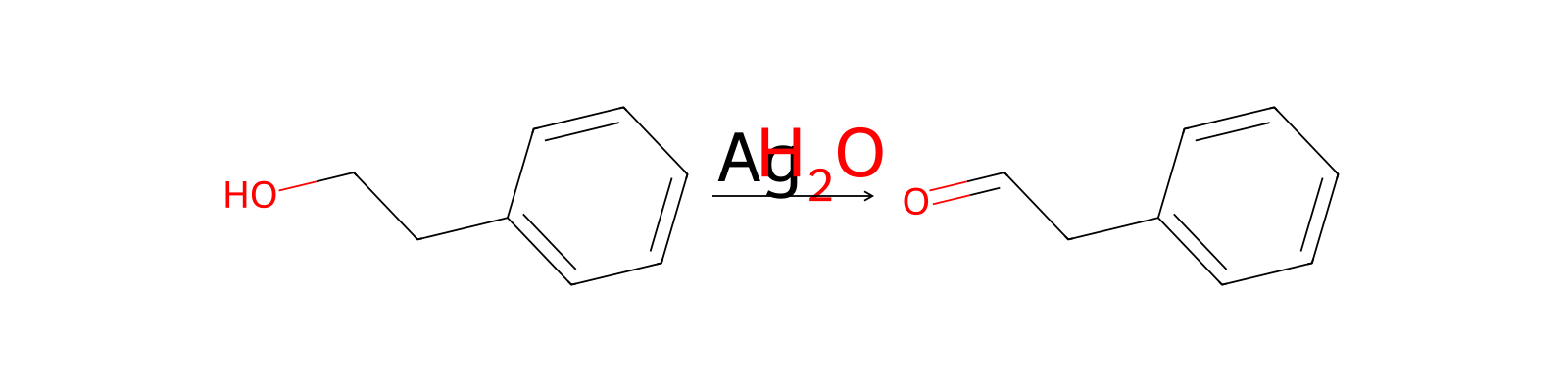
関連反応
262 件



化合物ノート
読み込み中…