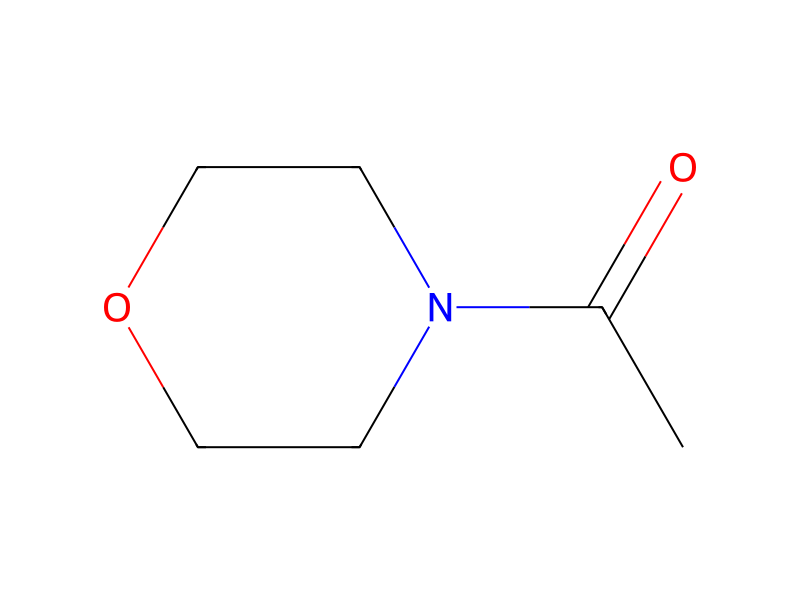
An oven-dried 100 mL round-bottom flask was charged with a magnetic stirring bar, tetrahydrofuran (5 mL) and lithium diisopropylamide (2.0M in hexanes, 6.7 mL, 13.5 mmol). The reaction mixture was magnetically stirred and cooled to 0° C. under argon gas. A solution of N-acetylmorpholine (6.75 mmol) in tetrahydrofuran (1 mL) was added, and the reaction was stirred at 0° C. for 1 hour. A solution of methyl 4-bromo-3-hydroxythiophene-2-carboxylate (4.22 mmol) in tetrahydrofuran (2 mL) was added dropwise over 5 minutes and the reaction was allowed to warm to room temperature overnight. The reaction was quenched by the addition of aqueous 10% hydrochloric acid solution (20 mL). The resulting solution was transferred to a separatory funnel, diluted with water (80 mL), and extracted three times with dichloromethane (100 mL). The organic layers were combined, dried over magnesium sulfate, filtered, and concentrated in vacuo to give 1-(4-bromo-3-hydroxythiophen-2-yl)-3-morpholinopropane-1,3-dione (1.95 g, 5.83 mmol, 138% yield) as a brown solid.