4-Chlorophenyl Isocyanate → HCID 118519593、化合物
反応式

[NH2:1][CH2:2][C@H:3]1[C@H:11]2[N:6]([C:7]3[CH:15]=[CH:14][C:13]([N:16]4[CH2:21][CH2:20][O:19][CH2:18][C:17]4=[O:22])=[CH:12][C:8]=3[O:9][CH2:10]2)[C:5](=[O:23])[O:4]1.[Cl:24][C:25]1[CH:30]=[CH:29][C:28]([N:31]=[C:32]=[O:33])=[CH:27][CH:26]=1>C(Cl)Cl>[Cl:24][C:25]1[CH:30]=[CH:29][C:28]([NH:31][C:32]([NH:1][CH2:2][C@H:3]2[C@H:11]3[N:6]([C:7]4[CH:15]=[CH:14][C:13]([N:16]5[CH2:21][CH2:20][O:19][CH2:18][C:17]5=[O:22])=[CH:12][C:8]=4[O:9][CH2:10]3)[C:5](=[O:23])[O:4]2)=[O:33])=[CH:27][CH:26]=1参加物
4
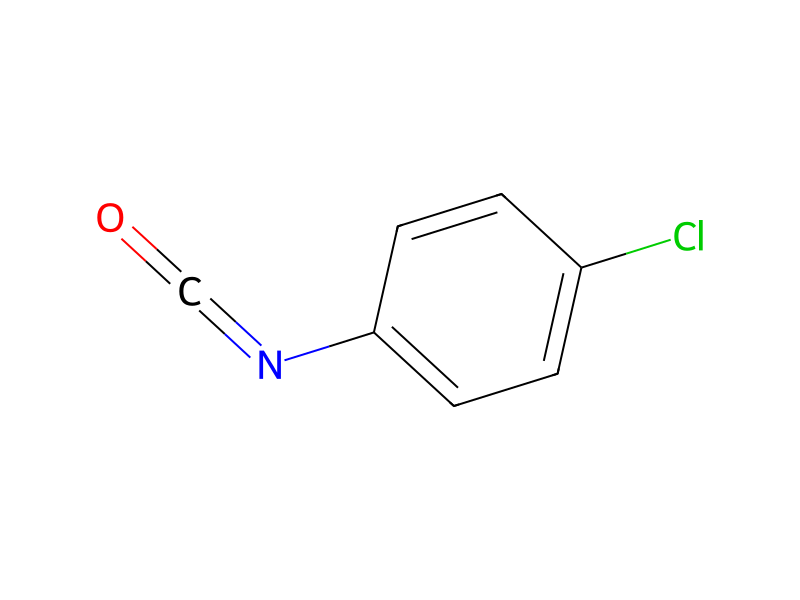



実験手順
Using compound (3S,3 aS)-3-aminomethyl-7-(3-oxomorpholin-4-yl)-3a,4-dihydrobenzo[b]oxazolo[3,4-d][1,4]oxazin-1(3H)-one (the product of step (e) in Example 1) (60 mg, 0.188 mmol), p-chlorophenylisocyanate (35 mg, 0.225 mmol), and TEA (28 mg, 0.282 mmol) as starting materials, DCM as solvent, preparation following the method as described in Example 21 afforded white compound 75 mg, yield 84.4%.