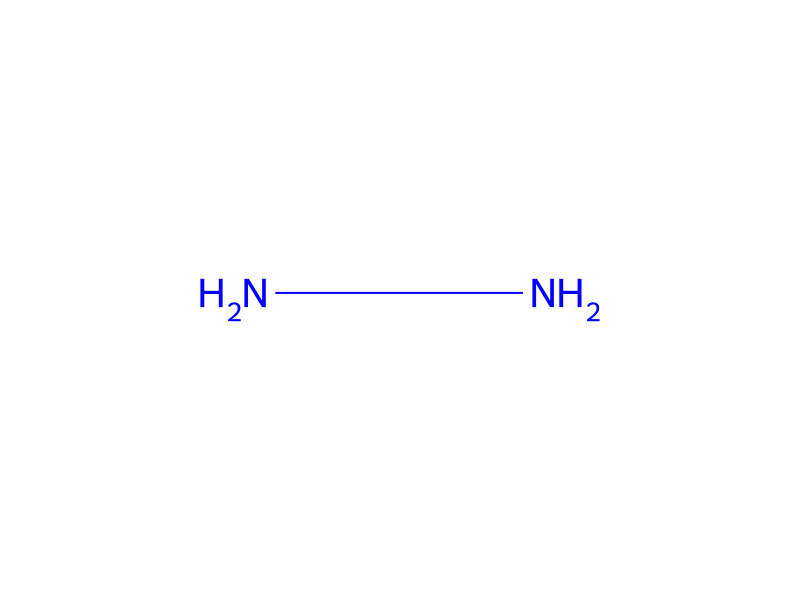
Hydrazine → HCID 178509108、化合物
HRID 1060961
反応式

[Cl:1][C:2]1[CH:7]=[CH:6][C:5]([C:8](=O)[CH:9]([C:12]2[CH:17]=[CH:16][N:15]=[CH:14][CH:13]=2)[C:10]#[N:11])=[CH:4][CH:3]=1.P(Cl)(Cl)Cl.[NH2:23][NH2:24]>C(#N)C>[NH2:11][C:10]1[NH:24][N:23]=[C:8]([C:5]2[CH:6]=[CH:7][C:2]([Cl:1])=[CH:3][CH:4]=2)[C:9]=1[C:12]1[CH:17]=[CH:16][N:15]=[CH:14][CH:13]=1参加物
5



実験手順
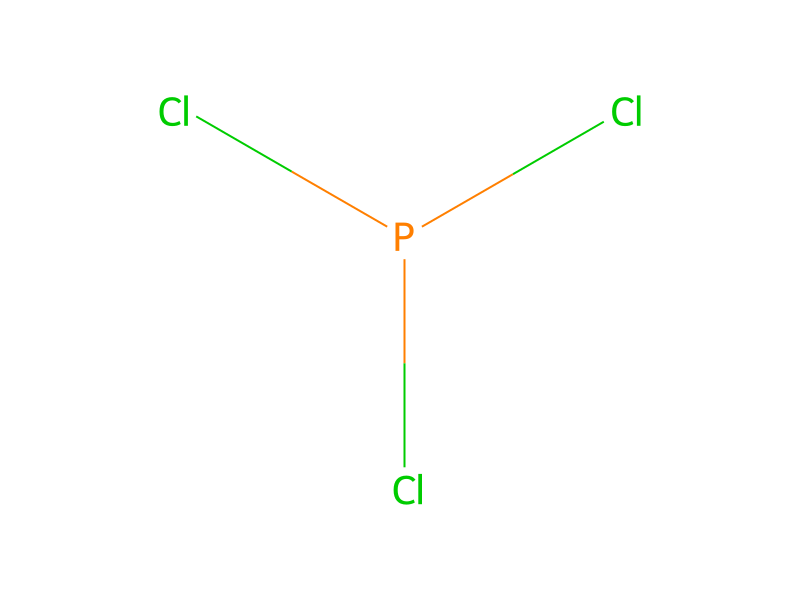
A solution of 3-(4-chlorophenyl)-3-oxo-2-(pyridin-4-yl)propanenitrile (3.50 g, 13.6 mmol) in 40 mL acetonitrile and phosphorous trichloride (14.2 ml, 163 mmol) was stirred at 100° C. for 5 hours. The reaction mixture was concentrated in vacuo, and the residue taken up in toluene and concentrated again. The residue was then taken up in ethanol (150 mL) and treated with anhydrous hydrazine (1.71 mL, 54.4 mmol). The reaction mixture was heated to reflux for 3 hours, cooled, and concentrated in vacuo. The residue was triturated with a mixture of ethanol and dichloromethane (1:4), and filtered. The solid was washed with the ethanol/dichloromethane mixture, and dried to give 5-amino-3-(4-chlorophenyl)-4-(pyridin-4-yl)-pyrazole (2.0 g, 54%): m.p.>300° C. 1H NMR (DMSO/300 MHz) δ8.40 (d, 2H), 7.40 (d, 2H), 7.29 (d, 2H), 7.11 (d, 2H), 5.05 (s, 2H). ESLRMS m/z 271 (M+H). ESHRMS m/z 271.0752 (M+H, C14H11N4Cl requires 271.0750).