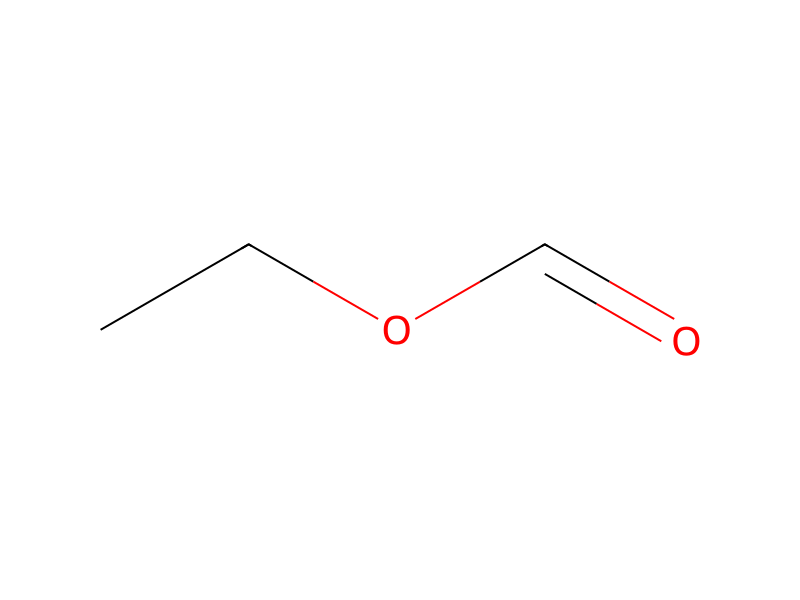
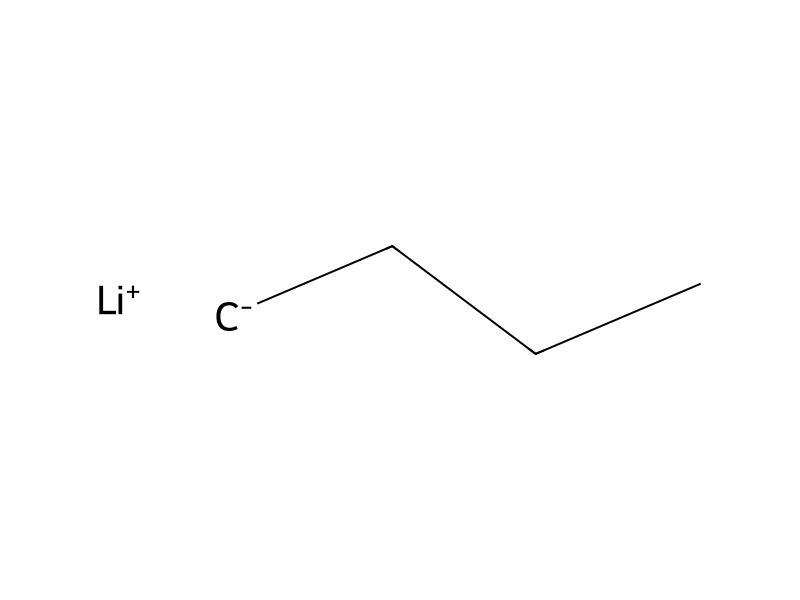
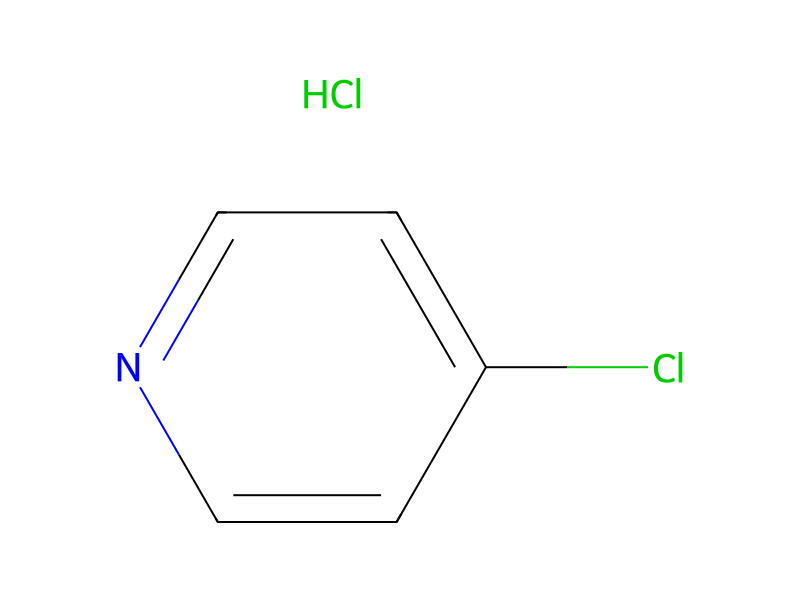
4-Chloropyridine hydrochloride (15 g, 99.9 mmol) is free-based by stirring in 1000 mL 1:1 saturated NaHCO3/ether for 1 h. The layers are allowed to separate, the aqueous layer is extracted with ether (2×175 mL), and the combined organic layer is dried over MgSO4, filtered, and concentrated to an oil. THF (300 mL) is chilled to −70° C. in a dry flask. N-butyllithium (105.1 mL, 168.2 mmol) is added drop-wise, and the mixture is placed in an ice bath. Diisopropylamine (23.6 mL. 168.4 mmol) in THF (50 mL) is added drop-wise, the yellow solution is stirred for 30 min, and the reaction is cooled to −70° C. The free-based 4-chloropyridine oil (9.55 g, 84.1 mmol) is dissolved in THF (50 mL) and added drop-wise to the chilled yellow solution, that turned dark red after the addition. The reaction is stirred at −70° C. for 2 h. Ethyl formate (13.6 mL, 168.3 mmol) in THF (25 mL) is then added drop-wise to the dark solution at −70° C. After 2 hours, the reaction is warmed to −10° C. and quenched with water (450 mL). The layers are allowed to separate, and the aqueous layer is extracted with ether (3×200 mL). The combined organic layer is dried over MgSO4, filtered, and concentrated in vacuo to an oil. The crude material is chromatographed over 320 g slurry-packed silica eluting with 30% EtOAc/hexane to afford 4-chloropyridine-3-carboxaldehyde (C140) an orange oil which solidified under vacuum to an orange solid (21% yield).