Formaldehyde → 9-(1H-Imidazol-1-yl)-4-[(4-methylphenyl)sulfonyl]-3,4,5,6-tetrahydro-2H-1,7,4-benzodioxazonine
HRID 1089547
反応式

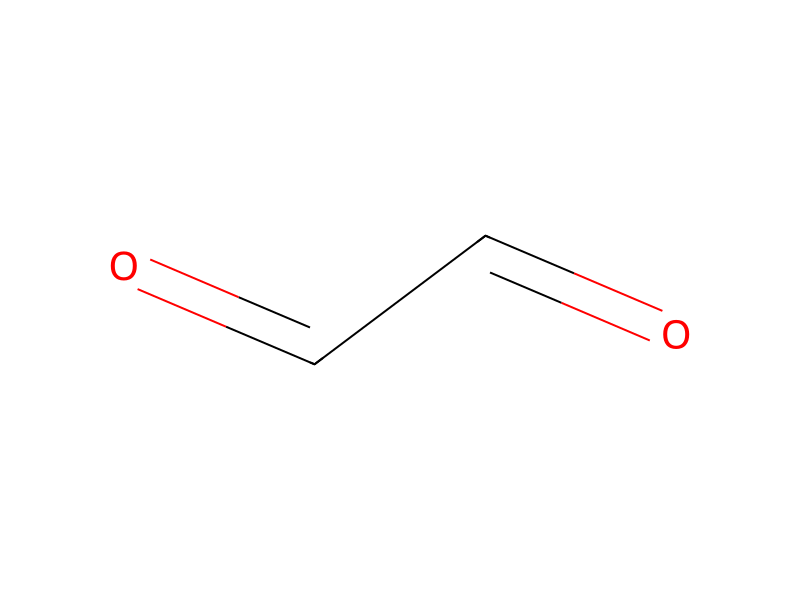
[NH2:1][C:2]1[CH:24]=[CH:23][C:5]2[O:6][CH2:7][CH2:8][N:9]([S:13]([C:16]3[CH:21]=[CH:20][C:19]([CH3:22])=[CH:18][CH:17]=3)(=[O:15])=[O:14])[CH2:10][CH2:11][O:12][C:4]=2[CH:3]=1.[OH-].[NH4+:26].[CH:27]([CH:29]=O)=O.[CH2:31]=O>>[N:1]1([C:2]2[CH:24]=[CH:23][C:5]3[O:6][CH2:7][CH2:8][N:9]([S:13]([C:16]4[CH:21]=[CH:20][C:19]([CH3:22])=[CH:18][CH:17]=4)(=[O:15])=[O:14])[CH2:10][CH2:11][O:12][C:4]=3[CH:3]=2)[CH:29]=[CH:27][N:26]=[CH:31]1参加物
5




実験手順
To reagent alcohol at 60° C. simultaneously add a solution of 9-amino-4-[(4-methylphenyl)sulfonyl]-3,4,5,6-tetrahydro-2H-1,7,4-benzodioxazonine and ammonium hydroxide diluted with alcohol and a solution of aqueous glyoxal and aqueous formaldehyde diluted to an equal volume with alcohol as the above solution. Monitor the progress of the reaction by thin-layer chromatography. Upon completion partition the reaction between ethyl acetate and aqueous NaHCO3. Separate and dry the organic layer (Na2SO4). Remove the solvent in vacuo to obtain the title compound.