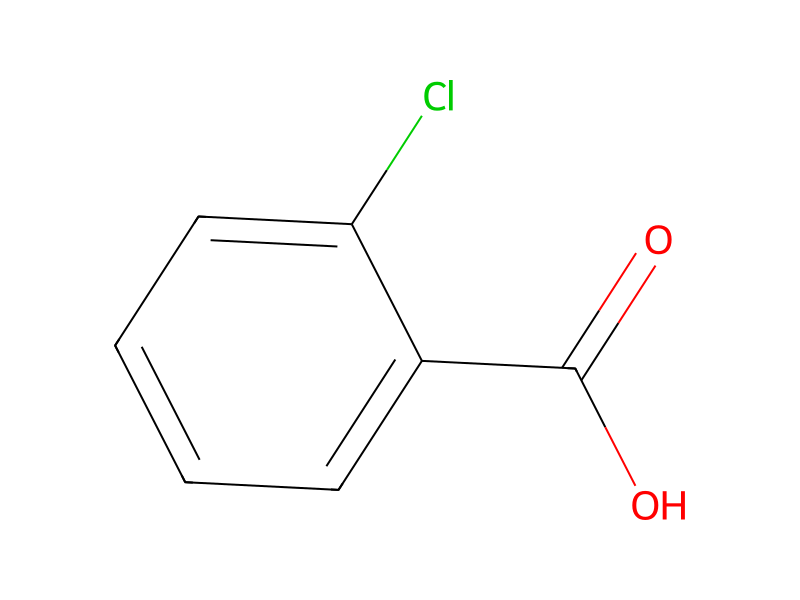
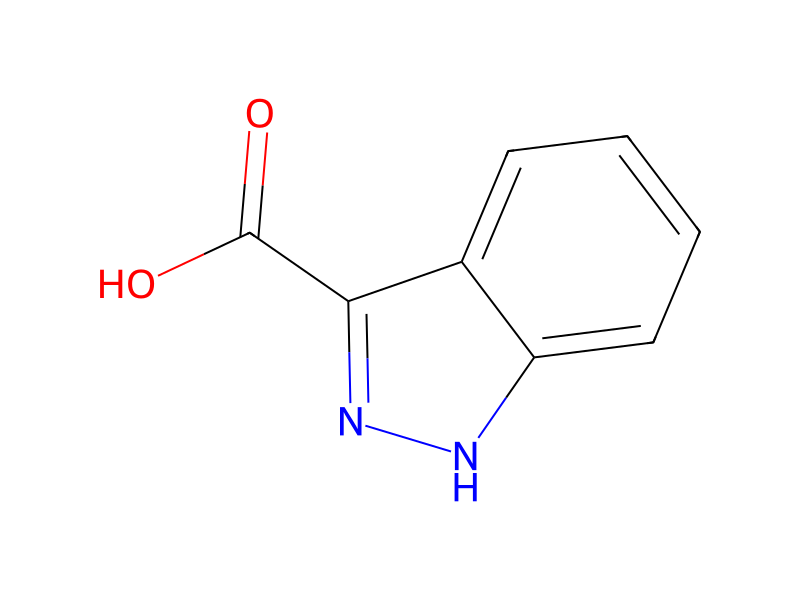
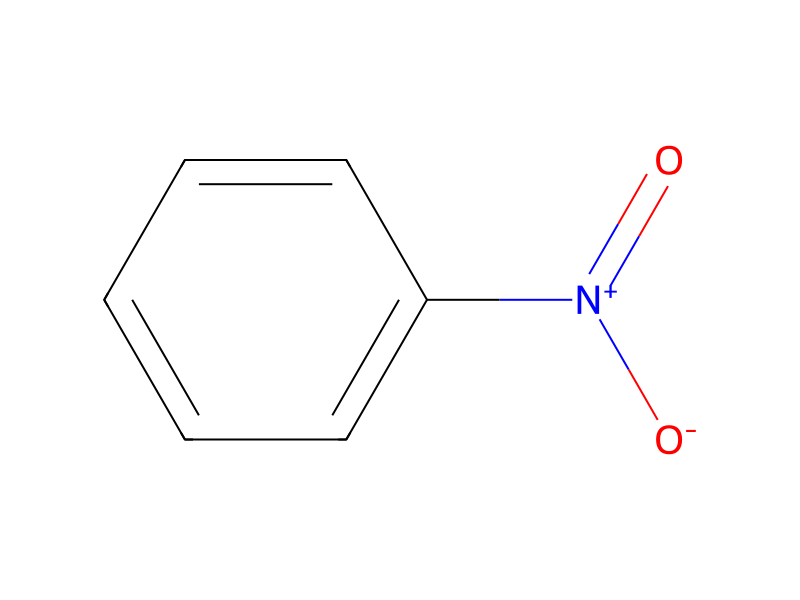
[NH:1]1[C:9]2[C:4](=[CH:5][CH:6]=[CH:7][CH:8]=2)[C:3]([C:10]([OH:12])=[O:11])=[N:2]1.Cl[C:14]1[CH:22]=[CH:21][CH:20]=[CH:19][C:15]=1[C:16]([OH:18])=[O:17].C(=O)([O-])[O-].[K+].[K+].O>[N+](C1C=CC=CC=1)([O-])=O.[Cu]=O>[C:16]([C:15]1[CH:19]=[CH:20][CH:21]=[CH:22][C:14]=1[N:1]1[C:9]2[C:4](=[CH:5][CH:6]=[CH:7][CH:8]=2)[C:3]([C:10]([OH:12])=[O:11])=[N:2]1)([OH:18])=[O:17]3-Indazolecarboxylic acid (4.10 g), 3.90 g of 2-chlorobenzoic acid, 3.90 g of potassium carbonate and 0.18 g of copper(II) oxide were stirred in 150 ml of nitrobenzene at 170° to 180° C. for 3 hours. After cooling, 100 ml of water was added to the reaction mixture, and the insoluble substance was removed by filtration. The resulting solution was washed with chloroform, and the aqueous layer was decolored with active charcoal and then filtered. The filtrate was made acidic with 50 ml of 1N hydrochloric acid and then extracted with chloroform. The chloroform layer was dried over anhydrous sodium sulfate and concentrated under reduced pressure. The residue was crystallized from methanol-chloroform-ether to obtain 2.13 g (30.2%) of 1-(2-carboxyphenyl)-3-indazolecarboxylic acid.