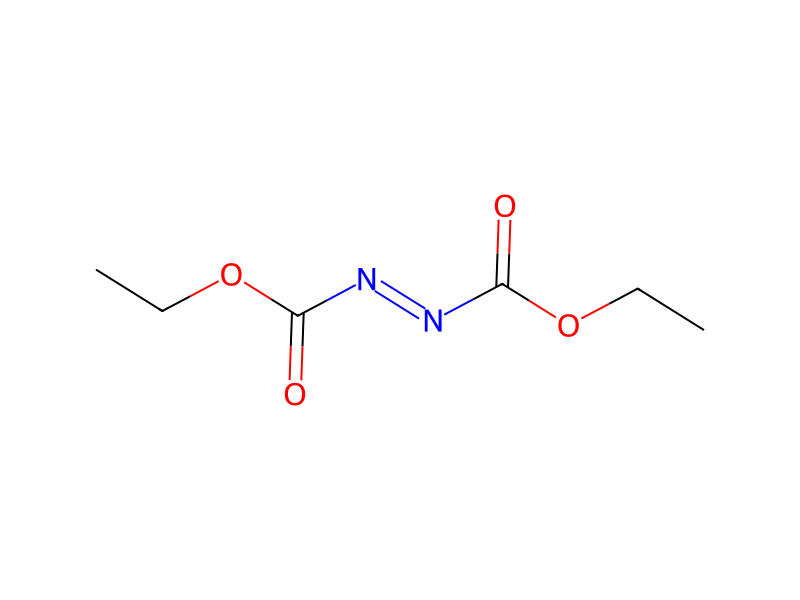
To a stirring solution of 4-nitrophenol (10.0 g, 71.94 mmol) in tetrahydrofuran (100 mL) at 0° C. was added triphenylphosphine (22.6 g, 86.33 mmol), 3-iodopropanol (16.73 g, 89.93 mmol), and diethylazodicarboxylate (14.3 mL, 86.33 mmol). The resulting mixture was stirred at 25° C. overnight. The mixture was partitioned between brine and ethyl acetate. The organic phase was dried and concentrated. The residue was triturated with 8:1 ether/ethyl acetate to induce the precipitation of 22 g of triphenylphosphine oxide which was separated by filtration. The filtrate was preabsorbed onto silica gel and flash-chromatographed (5:1 hexane/ethyl acetate) to afford 17.5 g (79%) of white solid product.