反応式

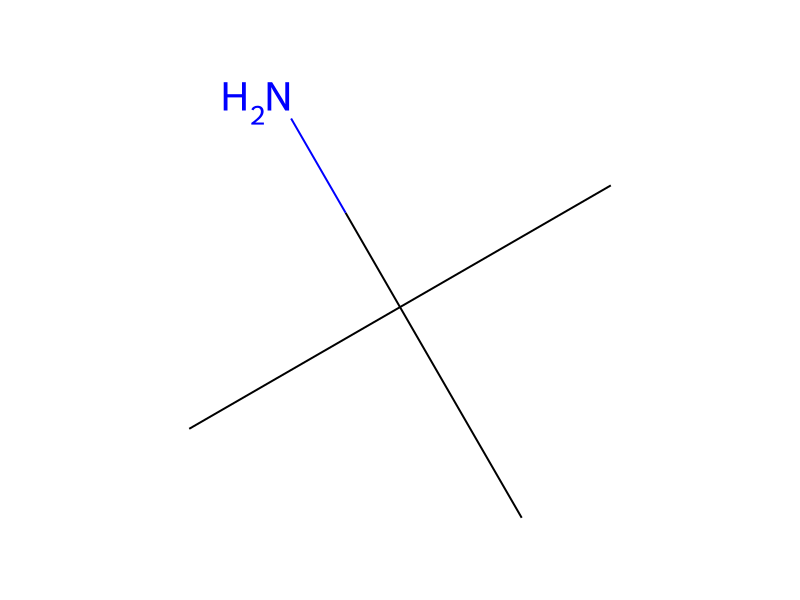
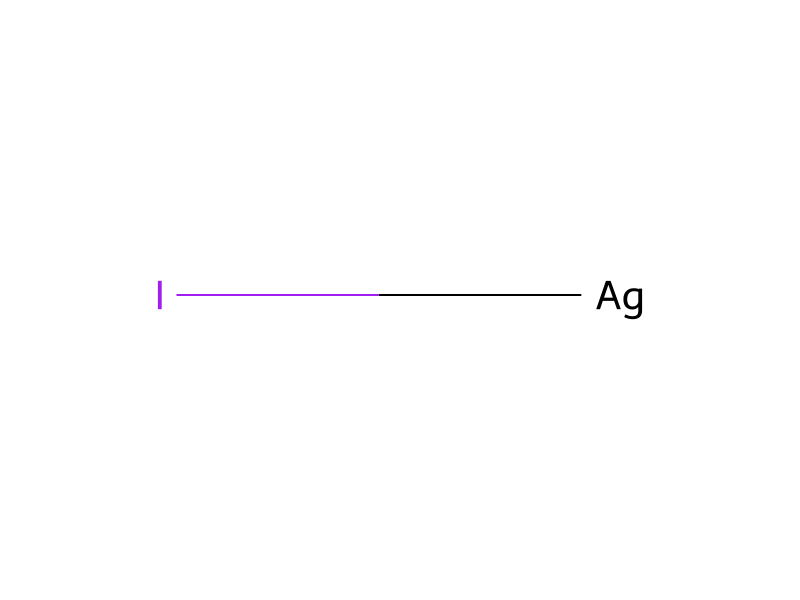
C(N)(C)(C)C.[C:6]([NH:10][CH2:11][CH:12]([OH:25])[CH2:13][O:14][C:15]1[C:24]2[CH2:23][CH:22]=CC[C:19]=2[CH:18]=[CH:17][CH:16]=1)([CH3:9])([CH3:8])[CH3:7].[C:26]([O:29]I)(=O)[CH3:27].C(O)(=[O:33])C>[Ag]I>[CH3:7][C:6]([NH:10][CH2:11][CH:12]([OH:25])[CH2:13][O:14][C:15]1[CH:16]=[CH:17][CH:18]=[C:19]2[CH2:27][C@@H:26]([OH:29])[C@@H:22]([OH:33])[CH2:23][C:24]=12)([CH3:9])[CH3:8]参加物



実験手順
Subsequently Hauck in Canadian Letters Patent 1,041,544 attempted to separate the four optical cis isomers of 2,3-cis-1,2,3,4-tetrahydro-S-[2-hydroxy-3-(tert-butylamino) propoxy]-2,3-naphthalenediol in order to determine the best of these isomers. The processes of manufacture (See pages 4, 5 and 6 of the Patent and example 4 at pages 18 and of the patent) employ water. Crystallization of isomer product is from chloroform. In Hauck's laboratory procedure resulting 1-(2,3-epoxypropoxy)-5,8-dihydronaphthalene is isolated and subsequently reacted with t-butylamine in a high pressure reactor. The resulting dl-1-(tert-butylamino)-3-(5,8-dihydronaphthyl)oxyl-2-propanol is then cis hydroxylated with wet acetic acid, silver iodide, and the resulting acetoxy iodide is hydrolysed with base and finally subjected to catalytic hydrogenation to afford crude Nadolol.
後処理
- customis isolated
出典と根拠
- ORDレコード
- ord-26ef28bfcba64683971d76ca8f18c42a
- 出典データセット
- uspto-grants-1994_06
- 特許番号
- US05319141
関連ノート
読み込み中…