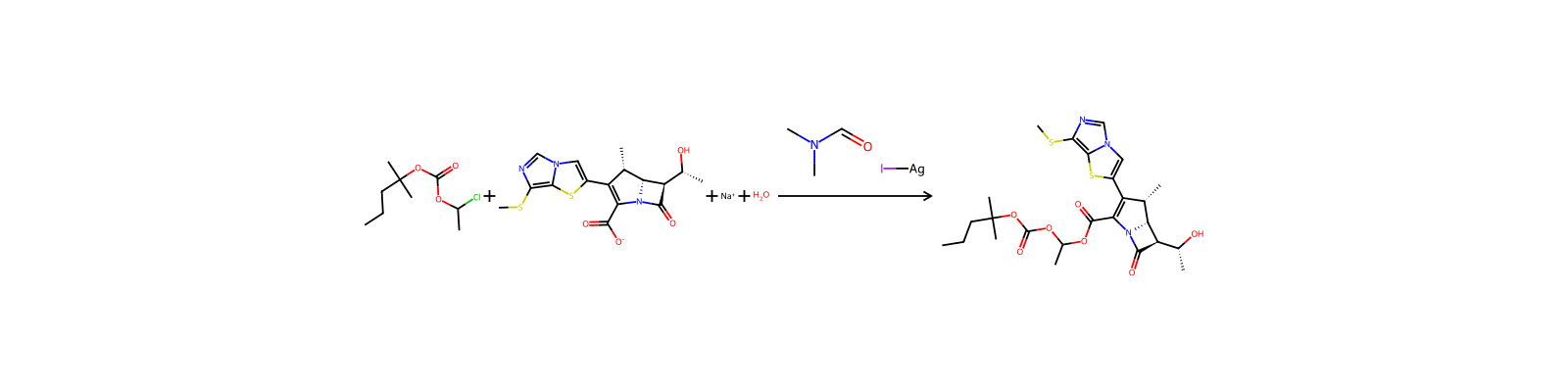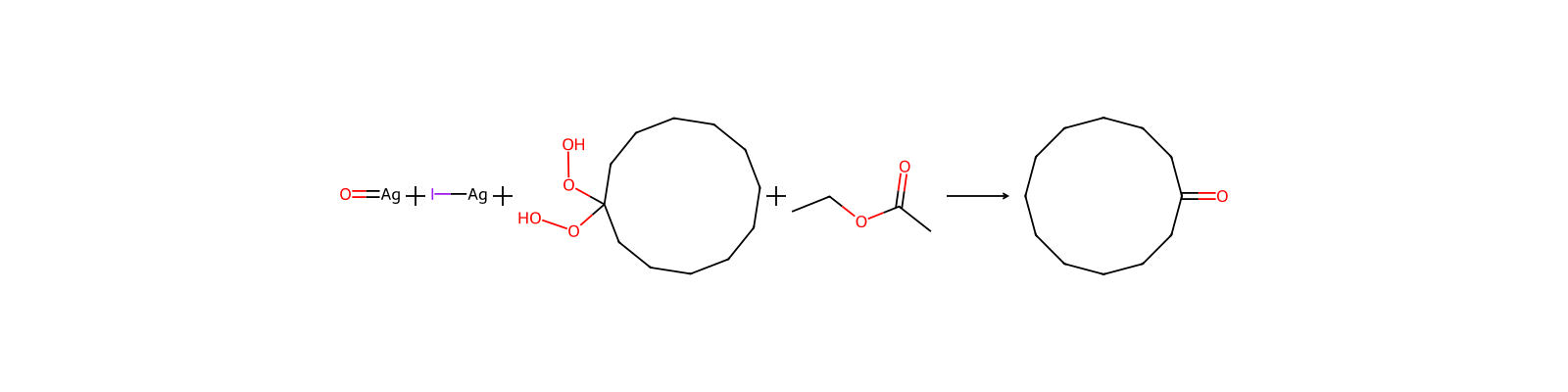
HRID 177060反応物として
Silver iodide
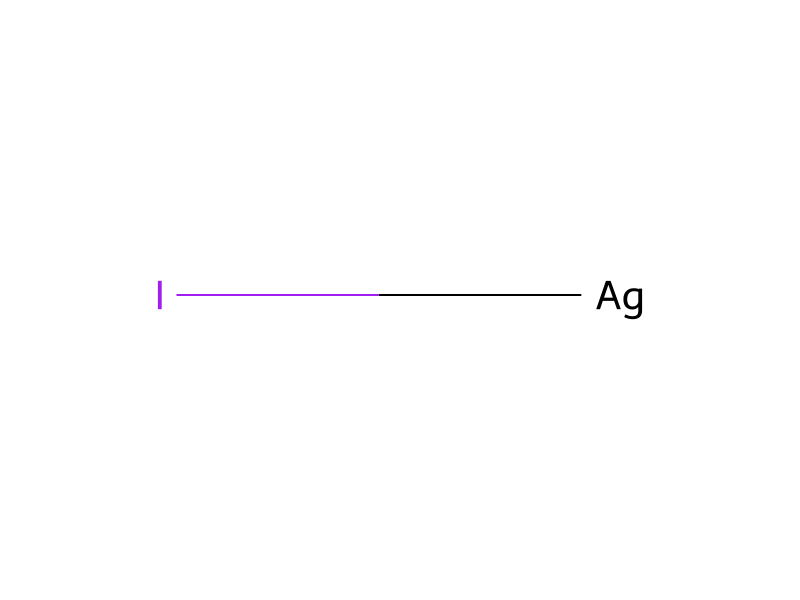
7783-96-2[Ag][I]MSFPLIAKTHOCQP-UHFFFAOYSA-MSilver iodide is an iodide of silver. It is a photosensitive solid used in photography, as an antiseptic in medicine, and in rainmaking. Silver is a metallic element with the chemical symbol Ag and atomic number 47. It occurs naturally in its pure, free form, as an alloy with gold and other metals, and in minerals such as argentite and chlorargyrite. (L808, L809, L820)
7783-96-2DTXSID0064836Repellants
Active substance -> EU Pesticides database: Not approved
Sol in hydriodic acid, /aqueous solutions of/ potassium iodide, sodium chloride, potassium cyanide, ammonium hydroxide, and sodium thiosulfate.
Sol in concn soln of alkali bromides, chlorides, thiocyanates, thiosulfates, mercuric and silver nitrates
In water, 28X10-7 g/l @ 25 °C; 25X10-6 g/l at 60 °C
安全情報は参考情報です。供給元の安全データシート(SDS)、適用法令、専門家による評価に代わるものではありません。
This chemical does not meet GHS hazard criteria for 4.2% (2 of 48) of reports.
Warning
H400 (16.7%): Very toxic to aquatic life [Warning Hazardous to the aquatic environment, acute hazard]
P273, P391, and P501 (click each P-code to see the statement)
Aggregated GHS information provided per 48 reports by companies from 6 notifications to the ECHA C&L Inventory. Each notification may be associated with multiple companies.
Danger
Chemical: Silver iodide (AgI)
REACH registered substance: Silver iodide (EC: 232-038-0)
Silver iodide (AgI): Does not have an individual approval but may be used under an appropriate group standard
May cause irritation and argyria; [MSDSonline] See Silver. See Iodine for the TLV of Iodides.
The major hazards encountered in the use and handling of silver iodide stem from its toxicologic properties. Toxic by all routes (ie, inhalation, ingestion, and dermal contact), exposure to this odorless, light yellow, crystalline substance may occur from its use in seeding clouds for rain-making, as a photosensitive agent in photography, as a local antiseptic, and as a chemical intermediate. Effects from exposure may include skin rashes, conjunctivitis, argyria (a permanent ashen-gray discoloration of skin, conjunctiva, and internal organs), headache, fever, hypersensitivity, laryngitis, and bronchitis. Exposure should be minimized by engineering controls (eg, local exhaust ventilation, or process enclosure). In activities where over-exposure may occur, workers should wear impervious clothing, gloves, face protection, and a self-contained breathing apparatus. Such clothing and equipment should be removed before leaving the worksite. Skin that becomes contaminated with silver iodide should be promptly washed. Eating and smoking should be prohibited in silver iodide work areas. Silver iodide may form explosive compounds with sodium, potassium, acetylene, ammonia, and hydrogen peroxide. Silver iodide should be stored in cool, dark areas, away from the above materials. Before shipping silver iodide, consult with the regulatory requirements of the US Department of Transportation. For small dry spills of silver iodide, collect the material and deposit in sealed containers for reclamation. Before implementing land disposal of silver iodide waste, consult with environmental regulatory agencies for guidance.
Silver iodide was evaluated for mutagenicity in the Ames/microsome test (strains TA 1535, TA 102, TA 97, and TA 98) and for the ability to induce Sister Chromatid Exchanges (SCE) in human cultured lymphocytes and in P388 lymphocytic leukemia cells cultured in the mouse peritoneal cavity. From the cytogenetic in vitro studies, it was observed that silver iodide, either in acetone solutions or as a suspension with polyacryilamide, scarcely causes a doubling effect on SCEs at nearly toxic concentrations (1 ug/ml). Such a doubling effect by silver iodide on SCEs in P388 leukemia cells in vivo was not achieved even after using 100 ug/g mouse body weight. In the Ames/microsome test actually a doubling effect on revertants was only isolately achieved with 30 ug/ml in TA 102 (S9-) and at 150 ug/ml in TA 97 (S9+) doses, which appear to be nearly toxic for bacteria.
Silver and its compounds can be absorbed via inhalation, while silver compounds can also be absorbed orally and dermally. It distributes throughout the body in the blood, particularily to the liver. Insoluble silver salts are transformed into soluble silver sulfide albuminates, bind to amino or carboxyl groups in RNA, DNA, and proteins, or are reduced to metallic silver by ascorbic acid or catecholamines. Metallic silver is oxidized and may deposit in the tissues, causing arygria. Silver is eliminated primarily in the faeces. (L808)
ORAL DOSES OF SILVER AS SILVER IODIDE HAD NO EFFECT ON THE MICROORGANISMS OF THE RABBIT CECUM OR GOAT RUMEN. RABBITS ELIMINATED 99% OF ORAL DOSE WITHIN 3 DAYS AND 100% IN 6.3 DAYS. 8-26% ENTERED CECUM, WHERE IT DID NOT ACCUM & WAS NOT ABSORBED. DIGESTION WAS NOT INHIBITED IN RABBITS AND GOATS FOLLOWING THE INGESTION OF DIETS CONTAINING 4.2 AND 1 PPM SILVER AS SILVER IODIDE, OR 10 AND 100 PPM SILVER AS SILVER NITRATE. THUS, AG PROBABLY WILL NOT ADVERSELY AFFECT THE DIGESTIVE MICROFLORA OF LIVESTOCK OR WILDLIFE.
SILVER IODIDE WAS ADMINISTERED ORALLY TO 15 YEARLING EWES (5/GROUP) AT DOSE LEVELS OF 0.1, 1.0, OR 10 MG/KG PER DAY FOR 86 DAYS WITHOUT CLINICAL SIGNS OF TOXICOSIS. ERYTHROCYTE AND LEUKOCYTE COUNTS, PACKED CELL VOLUMES, HB CONCENTRATIONS, AND CIRCULATING THRYOID HORMONE LEVELS (TRIIODOTHYRONINE AND THYROXINE) WERE NOT ALTERED SIGNIFICANTLY IN AGI-DOSED EWES. SILVER AT DOSE LEVELS OF 1 OR 10 MG AGI/KG BODY WT FOR 86 DAYS WAS ABSORBED FROM THE GASTROINTESTINAL TRACT AND DEPOSITED IN SOFT AND HARD TISSUES OF THE BODY. MAXIMUM SILVER RESIDUE FOUND WAS 17 PPM IN THE LIVER OF A EWE RECEIVING 10 MG/KG PER DAY.
化学的特性銀ヨウ化物は化学式がAgIと表される無機化合物ですこの物質は銀イオンAgとヨウ素イオンI–から構成されており特に写真撮影や医薬品雨を人工的に降らせるための雲の種まきなど多岐にわたる用途で使用されています銀ヨウ化物は黄色がかった固体で光に対して高い感度を持つことから歴史的に写真の分野で重宝されてきました
化学的特性Yellow Crystalline Powder
化学性质黄色,融点555℃,沸点1510℃,光により黒化
D011; A solid waste containing silver may or may not become characterized as a hazardous waste when subjected to the Toxicity Characteristic Leaching Procedure listed in 40 CFR 261.24, and if so characterized, must be managed as a hazardous waste. /Silver/
Toxic pollutant designated pursuant to section 307(a)(1) of the Federal Water Pollution Control Act and is subject to effluent limitations. /Silver and compounds/
The ambient water quality criterion for silver is recommended to be identical to the existing water standard which is 50 ug/l. /Silver and cmpd/
Aquatic Acute 1 (16.7%)
Reproductive toxicity - Category 1B, Additional category: Effects on or via lactation
(AZ) ARIZONA 50 ug/l /Silver/
(ME) MAINE 35 ug/l /Silver/
(MN) MINNESOTA 30 ug/l /Silver/
(FL) FLORIDA 50 ug/l /Silver/
... Silver iodide forms impact sensitive systems with sodium and other alkali metals.
A mixture of potassium and any of the following cmpd produces a weak explosion on impact: ... silver iodide ... .
SRP: At the time of review, criteria for land treatment or burial (sanitary landfill) disposal practices are subject to significant revision. Prior to implementing land disposal of waste residue (including waste sludge), consult with environmental regulatory agencies for guidance on acceptable disposal practices.
Precipitation is the preferred treatment process for removing toxic heavy metals from electroplating waters. Precipitation processes include hydroxide, lime and/or sulfide treatment. Chemical reduction is used to treat complex metals such as nickel, copper, hexavalent chromium waste, soluble lead, silver, metal containing cyanide, and mercury. Adsorption has shown potential for treating and polishing aqueous metal bearing wastes. Activated carbon, activated alumina, and iron filings are all applicable adsorbents. Alkaline chlorination and incineration are effective cyanide destruction treatments. Evaporation, ion-exchange, reverse osmosis, electrodialysis, and electrolytic recovery are waste reduction and recovery techniques applicable to metal bearing hazardous streams.
... Work clothing should be changed daily if it is possible that clothing is contaminated. Remove non-impervious clothing prompty if wet or contaminated. Provide emergency eyewash.
SRP: Contaminated protective clothing should be segregated in such a manner so that there is no direct personal contact by personnel who handle, dispose, or clean the clothing. Quality assurance to ascertain the completeness of the cleaning procedures should be implemented before the decontaminated protective clothing is returned for reuse by the workers.
8 hr Time Weighted Avg (TWA): 0.01 mg/cu m. /Soluble silver compounds, as Ag/
Excursion Limit Recommendation: Excursions in worker exposure levels may exceed 3 times the TLV-TWA for no more than a total of 30 minutes during a work day, and under no circumstances should they exceed 5 times the TLV-TWA, provided that the TLV-TWA is not exceeded. /Soluble silver compounds, as Ag/
EYES: irrigate opened eyes for several minutes under running water. INGESTION: do not induce vomiting. Rinse mouth with water (never give anything by mouth to an unconscious person). Seek immediate medical advice. SKIN: should be treated immediately by rinsing the affected parts in cold running water for at least 15 minutes, followed by thorough washing with soap and water. If necessary, the person should shower and change contaminated clothing and shoes, and then must seek medical attention. INHALATION: supply fresh air. If required provide artificial respiration.
Mutagenic potential of copper compounds and its alteration in case of the interaction with silver compounds were analyzed by use of plant test systems. As test systems, Crepis capillaris L., Tradescantia clone 02, and soybean (Glycine max (L.) Merrill) were used. Mutagenic properties of copper iodide and copper sulfate were not detected. CuI, being not a mutagen by itself, remarkably enhanced mutagenic potential of AgI.
Silver itself is not toxic to humans, but most silver salts are. In large doses, silver and compounds containing it can be absorbed into the circulatory system and become deposited in various body tissues, leading to argyria, which results in a blue-grayish pigmentation of the skin, eyes, and mucous membranes. Argyria is rare, and although, so far as known, this condition does not otherwise harm a person's health, it is disfiguring and usually permanent. Mild forms of argyria are sometimes mistaken for cyanosis. (L809)
ECOLOGICAL EFFECTS OF SILVER IODIDE ACCUMULATION IN A SEMIARID GRASSLAND ENVIRONMENT. THE POSSIBLE ECOLOGICAL EFFECTS OF SILVER IODIDE ACCUMULATION IN SOIL WHICH MIGHT RESULT FROM WEATHER MODIFICATION WERE EXAMINED BY USE OF A 2.5 YEAR OLD RANDOMIZED TREATMENT PLOT IN A SEMIARID GRASSLAND TO DEFINE POSSIBLE THRESHOLD SILVER LEVELS WHERE CHANGES IN DECOMPOSER PARAMETERS MIGHT FIRST BE DETECTED. AFTER THREE GROWING SEASONS, SILVER IODIDE PRESENCE AT LEVELS ABOVE THOSE WHICH COULD BE EXPECTED FROM WEATHER MODIFICATION APPEARS TO BE RELATED TO DECREASED SOIL OXYGEN UPTAKE, CARBON DIOXIDE EVOLUTION, AND BACTERIAL GLUCOSE MINERALIZATION, THE MOST SENSITIVE ASSAY EVALUATED TO DATE, IS IN THE RANGE OF 1-2 UG G-1 SILVER. IN THE RANGE OF 0-0.6 UG G-1 ACCUMULATED SILVER, NO SIGNIFICANT CHANGES IN THIS PARAMETER WERE OBSERVED IN RELATION TO IMPOSED SILVER.
Metallic silver is oxidized and may deposit in the tissues, causing arygria. The silver ion is known to inhibit glutathione peroxidase and NA+,K+-ATPase activity, disrupting selenium-catalyzed sulfhydryl oxidation-reduction reactions and intracellular ion concentrations, respectively. Silver nanoparticles are believed to disrupt the mitochondrial respiratory chain, causing oxidative stress, reduced ATP synthesis, and DNA damage. (L808, A243, A244, A245, A246)
Exposure to high levels of silver for a long period of time may result in a condition called arygria, a blue-gray discoloration of the skin and other body tissues. Argyria is a permanent effect but does not appear to be harmful to health. Exposure to high levels of silver in the air has resulted in breathing problems, lung and throat irritation, and stomach pains. Skin contact with silver can cause mild allergic reactions such as rash, swelling, and inflammation in some people. (L808)
Special attention should be given to other sources of silver exposure, for example, medications or previous occupational exposure. Inspection of the nasal septum, eyes, and throat will generally give incidence of pigmentation before generalized argyria occurs. This will usually be seen first in the ear lobes, face and hands.
Seven cloud seeding operators with extensive exposure to silver iodide knew of no persons who had experienced any ill effects due to silver iodide, despite the fact that their hands may have remained yellowed for weeks.
... DEVELOPMENT /OF ARGYRIA (POISONING BY SILVER OR A SILVER SALT WHICH LEADS TO A PERMANENT ASHEN-GRAY DISCOLORATION OF THE SKIN, CONJUNCTIVA, AND INTERNAL ORGANS)/ FROM INHALATION THROUGH OCCUPATIONAL EXPOSURE APPEARS TO BE VERY SLOW & MAY REQUIRE YEARS.
D011; A solid waste containing silver may or may not become characterized as a hazardous waste when subjected to the Toxicity Characteristic Leaching Procedure listed in 40 CFR 261.24, and if so characterized, must be managed as a hazardous waste. /Silver/
Toxic pollutant designated pursuant to section 307(a)(1) of the Federal Water Pollution Control Act and is subject to effluent limitations. /Silver and compounds/
The ambient water quality criterion for silver is recommended to be identical to the existing water standard which is 50 ug/l. /Silver and cmpd/
(AZ) ARIZONA 50 ug/l /Silver/
(ME) MAINE 35 ug/l /Silver/
(MN) MINNESOTA 30 ug/l /Silver/
(FL) FLORIDA 50 ug/l /Silver/
Used in photography, cloud seeding (making artificial rain), local anti-infectives, and veterinary local antiseptics for mucous membranes; [HSDB]
Using Disinfectants or Biocides [Category: Clean]
Photography; laboratory reagent; cloud seeding for artificial rainmaking
MEDICATION (VET)
CHEM INT FOR SILVER TETRAIODOMERCURATE
MEDICATION
Heating a silver nitrate solution with an alkali iodide solution, followed by washing /of precipitate/ with boiling water in the dark or under ruby red illumination.
Kolkmeijer, Van Hengel, Z Kristallogr A88, 317 (1934). Prepd according to equation AgNO3 + KI yields AgI + KNO3.
解説化学式AgI。黄色固体。比重5.67,融点552℃,沸点1506℃。ヨウ化銀は,他のハロゲン化銀と異なり,高圧でのみ塩化ナトリウム型構造をとるが,常圧では多形を示す。α形は常温で安定でセン亜鉛鉱型(立方晶系,格子定数a=6.48Å)である。137℃に転移点がありウルツ鉱型β形となる。β形は六方晶系,a=4.59Å,c=7.52Åである。I-を過剰の条件でAgIを沈殿させると常温でも準安定状態のβ形が得られるが,これをこするとα形に変わる。株式会社平凡社 世界大百科事典 第2版について 情報
用途コロジオン湿板、写真乳剤、人工雨技術の研究。
用途医薬?写真乳剤原料(化学工業日報社)
使用Silver iodide is a yellow powder formed by the combination of a soluble iodide combined with silver nitrate. Silver iodide could also be formed by exposing metallic silver to the fumes of bromine as in the daguerreotype process. This was the primary halide used for all of the 19th century camera processes until the introduction of the silver bromide gelatin plate. With the exception of the daguerreotype, all silver iodide processes relied on physical development using a reducing agent such as gallic acid, pyrogallic acid, or ferrous sulfate, an acid restrainer, and excess silver.
使用用途ヨウ化銀は、医薬用X線フィルム、写真乳剤、導電性ガラスの製造、人工降雨のための凍結核などに使用可能です。 他のハロゲン化銀と同様に光と反応して、感光核を作ります。X線フィルムや写真乳剤は、ヨウ化銀の光反応性を利用しています。またヨウ化銀は、氷や雪の結晶と類似した結晶格子 (六方晶形) を取り、雪片を成長させやすいです。したがって、人工降雨の結晶核として使用されます。
製造方法Silver iodide is prepared by adding a solution of sodium or potassium iodide to a hot solution of silver nitrate: Ag+ (aq) + Iˉ (aq) → Ag I (s) The precipitate is washed with boiling water. The preparation is done in the dark under ruby red light.
合成方法暗所で硝酸銀溶液にヨウ化カリウムを加える
定義T3DB: Silver iodide is an iodide of silver. It is a photosensitive solid used in photography, as an antiseptic in medicine, and in rainmaking. Silver is a metallic element with the chemical symbol Ag and atomic number 47. It occurs naturally in its pure, free form, as an alloy with gold and other metals, and in minerals such as argentite and chlorargyrite.