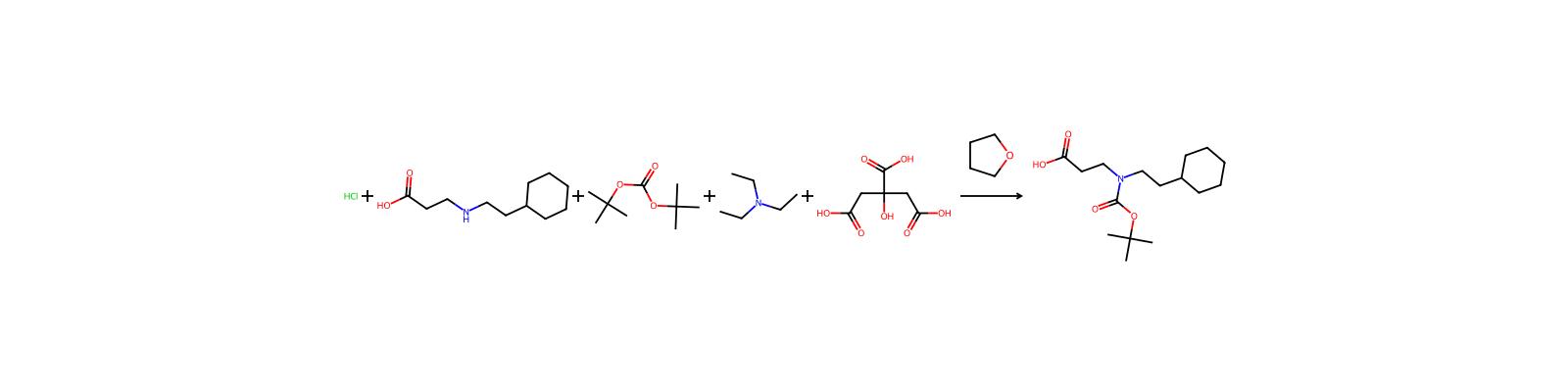
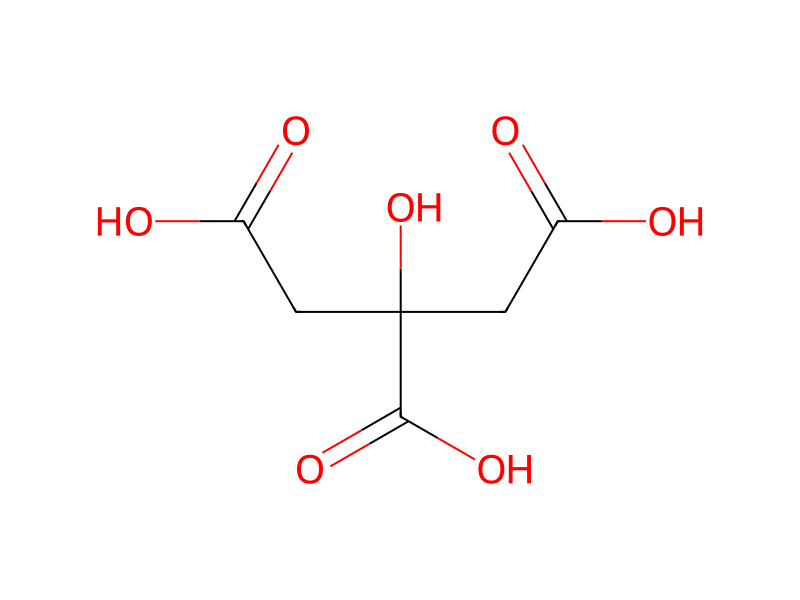
Next, tetrahydrofuran (8 ml) was added to 3-[N-(2-cyclohexylethyl)amino]propionic acid hydrochloride (1.0 g, 4.2 mmol), and the mixture was stirred at room temperature. Di-t-butyl carbonate (1.1 g, 5.1 mmol) and triethylamine (1.3 ml, 9.3 mmol) were added to the mixture, the whole was stirred overnight, and then a 5% aqueous citric acid solution (10 ml) was added to the reaction mixture. The whole was extracted with chloroform (60 ml), and the organic layer was washed with saturated brine (20 ml). The organic layer was dried over magnesium sulfate and concentrated under reduced pressure. The residue was purified by silica gel column chromatography to give 0.79 g (62%) of 3-[N-(t-butoxycarbonyl)-N-(2-cyclohexylethyl)amino]propionic acid as a colorless oily matter.