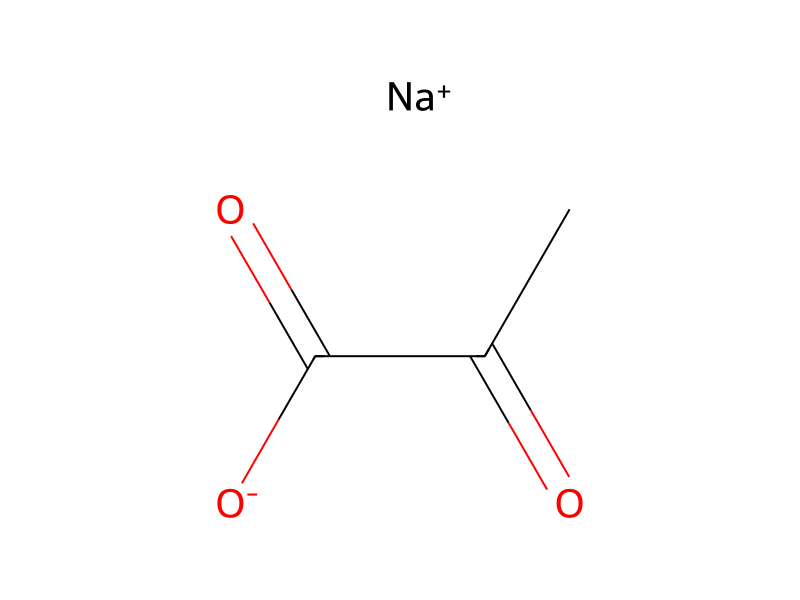
5.0 g of indole-3-pyruvic acid was suspended in 100 ml of water, which was dissolved by addition of 2N sodium hydroxide aqueous solution and adjusted to pH 12. Then, the solution was adjusted to pH 9 by addition of 1N hydrochloric acid, and then sodium pyruvate (8.12 g) and the solution of trans-L-hydroxyproline/zinc (II) complex (22 ml) were added. The mixture was stirred at room temperature for 4 hours, and the cross-aldol reaction was performed. To 25 ml of the obtained reaction mixture, D-Ala (1.8 g) and pyridoxal-5′-phosphate (1 mg) were added, and then 0.5 g of BMDAT-expressing E. coli or S243N/A182S mutant BMDAT-expressing E. coli was added in suspension to carry out amination reaction at 33° C. for 24 hours. By HPLC analysis of the reaction mixture with appropriate dilution, it was confirmed to genarate (2R,4R)-monatin or (2R,4S)-monatin as shown in Table 4. Incidentally, the BMDAT-expressing E. coli and S243N/A182S mutant BMDAT-expressing E. coli used for the amination reaction were prepared according to the method described in the following Reference Example.