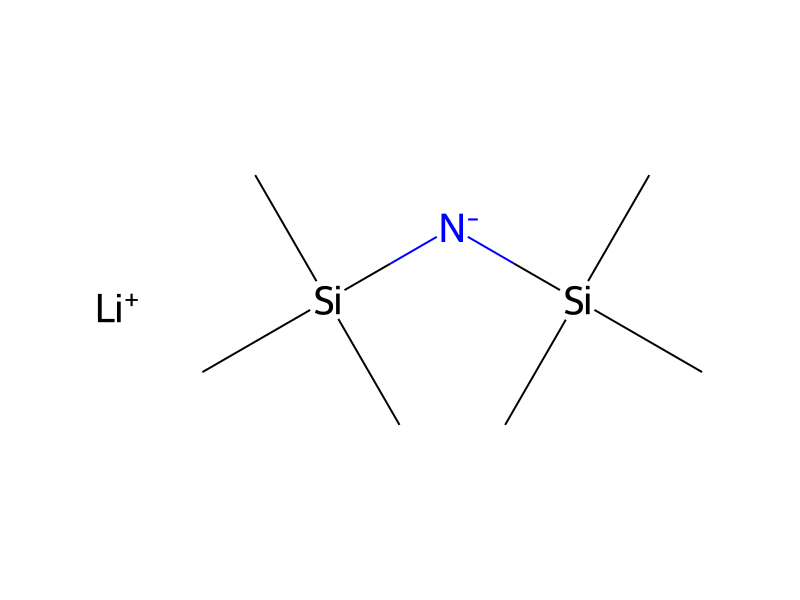
[Br:1][C:2]1[CH:7]=[CH:6][C:5]([NH2:8])=[C:4]([F:9])[CH:3]=1.[Li+].C[Si]([N-][Si](C)(C)C)(C)C.Cl[C:21]1[CH:26]=[C:25]([Cl:27])[N:24]=[N:23][C:22]=1[C:28]([OH:30])=[O:29]>C1COCC1>[Br:1][C:2]1[CH:7]=[CH:6][C:5]([NH:8][C:21]2[CH:26]=[C:25]([Cl:27])[N:24]=[N:23][C:22]=2[C:28]([OH:30])=[O:29])=[C:4]([F:9])[CH:3]=1To the stirred solution of 4-bromo-2-fluorophenylamine (3.15 g, 16.58 mmol) in THF (50 ml) under argon at −78° C. is added dropwise LiHMDS (24.9 ml, 24.9 mmol, 1.0 M in hexane). After stirring for one hour at −78° C., a solution of 4,6-dichloropyridazine-3-carboxylic acid (1.6 g, 8.29 mmol) in THF (10 ml) is added dropwise. The resulting mixture is allowed to warm to room temperature slowly and was stirred continuously for 18 hours. The reaction is quenched by addition of 5 ml of water, diluted with ethyl acetate, acidified with aqueous 1.0 M HCl to pH 1-2. The layers are separated and aqueous layer is extracted with ethyl acetate (30 ml×3). The combined organic layers are washed with brine (30 ml×3), dried over Na2SO4, and concentrated under reduced pressure. The residue is purified by flash column chromatography to give the product.