反応式

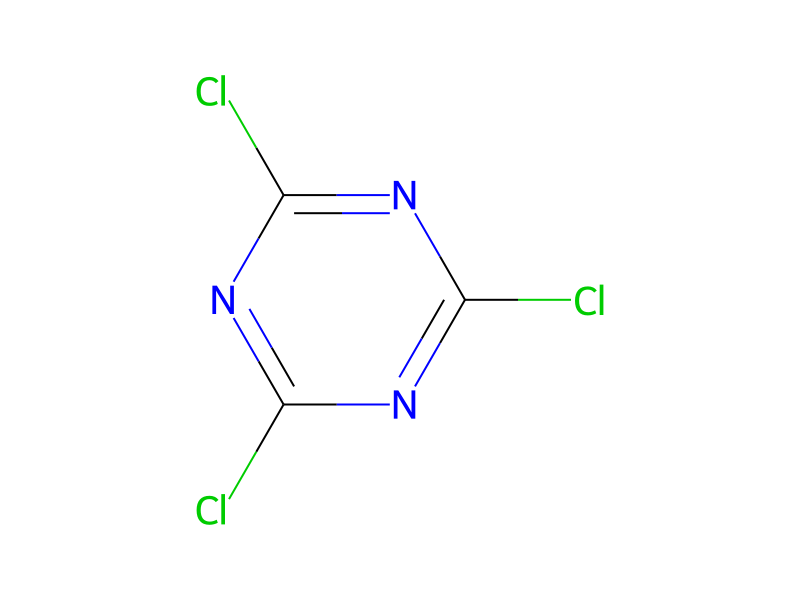
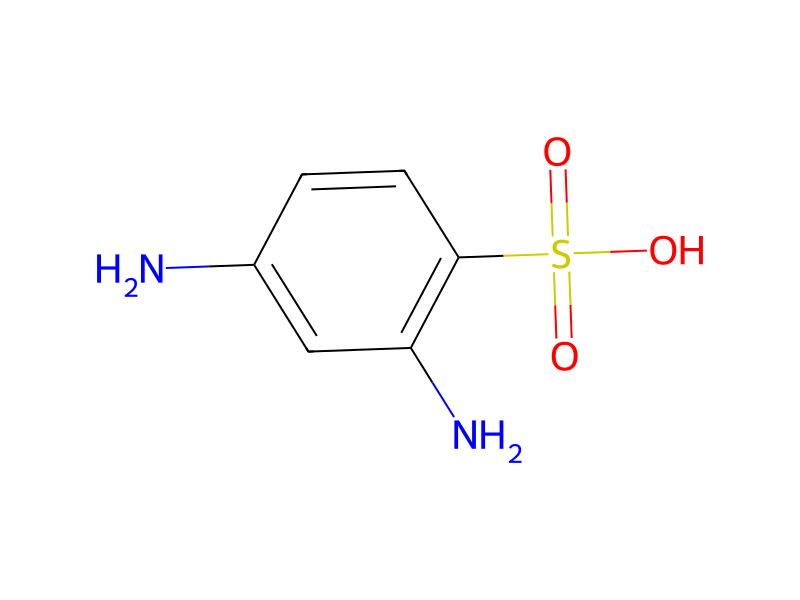
[NH2:1][C:2]1[CH:7]=[CH:6][C:5]([S:8]([OH:11])(=[O:10])=[O:9])=[C:4]([NH2:12])[CH:3]=1.Cl[C:14]1[N:19]=[C:18](Cl)[N:17]=[C:16]([Cl:21])[N:15]=1.Cl.[OH-].[Na+].Cl.Cl[CH2:27][CH2:28][S:29]([CH2:32][CH2:33][NH2:34])(=[O:31])=[O:30]>O>[NH2:12][C:4]1[CH:3]=[C:2]([NH:1][C:18]2[N:17]=[C:16]([Cl:21])[N:15]=[C:14]([NH:34][CH2:33][CH2:32][S:29]([CH:28]=[CH2:27])(=[O:31])=[O:30])[N:19]=2)[CH:7]=[CH:6][C:5]=1[S:8]([OH:11])(=[O:9])=[O:10]参加物
反応物 5



生成物 1

試薬・触媒・溶媒 1

実験手順
18.8 parts of 1,3-diaminobenzene-4-sulfonic acid are dissolved in 100 parts of water under neutral conditions. This solution is added dropwise in the course of 10 minutes to a mixture of 200 parts of ice and water, 18.5 parts of 2,4,6-trichloro-1,3,5-triazine and 10 parts of 37% hydrochloric acid. The reaction mixture is held at pH 1.5 until the condensation has ended by the continuous addition of 2N sodium hydroxide solution. After the addition of 22.9 parts of β-(β-chloroethylsulfonyl)-ethylamine hydrochloride, the temperature of the reaction mixture is gradually raised from 5° C. to 20° C. while the reaction mixture is initially held at pH 6.5 and then at pH 8.0 by the continuous addition of 2N sodium hydroxide solution. After the condensation and elimination reaction has ended, this reaction mixture is used directly for the acid coupling in Example 4.
後処理
- temperaturethe temperature of the reaction mixture is gradually raised from 5° C. to 20° C. while the reaction mixture
- customAfter the condensation and elimination reaction
出典と根拠
- ORDレコード
- ord-451e6749f9cf49fcab34d87763a7fbfa
- 出典データセット
- uspto-grants-1990_03
- 特許番号
- US04908436
関連ノート
読み込み中…