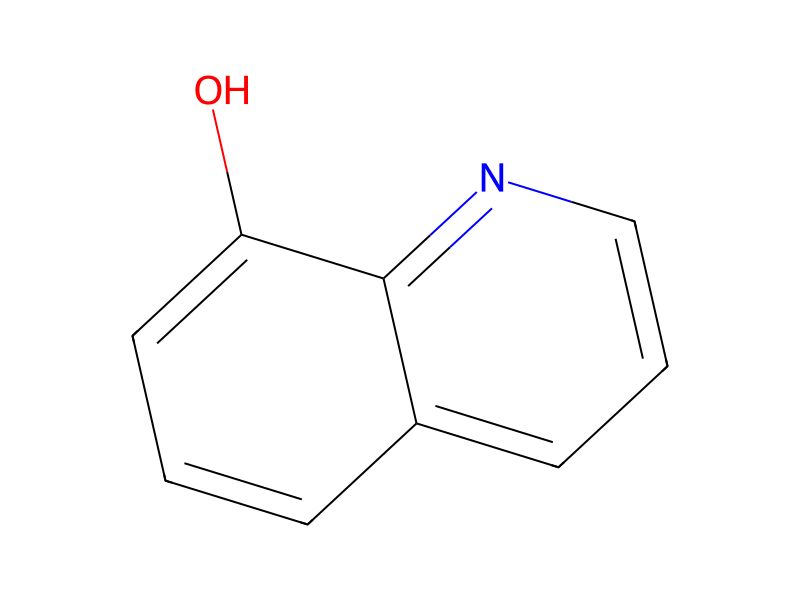
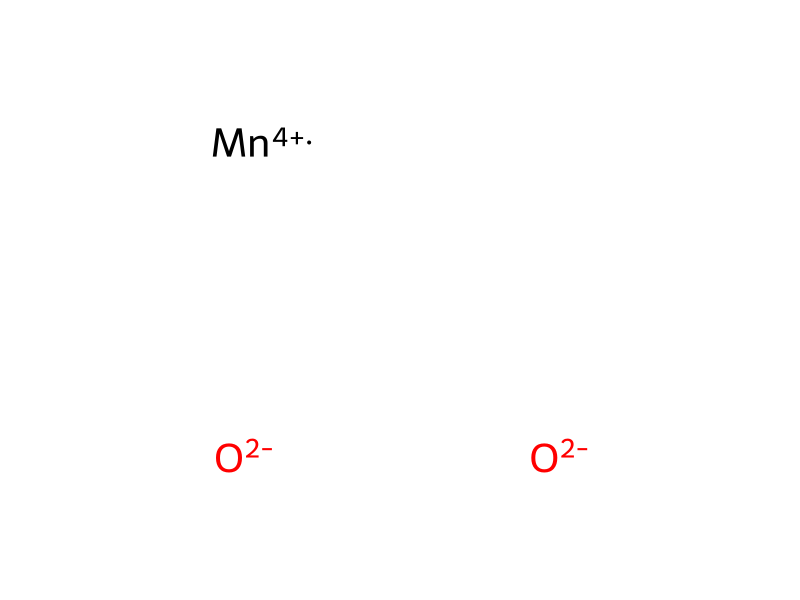
59.74 g (411 mmol) of 8-hydroxyquinoline, 350 ml (822 mmol) of dichloromethane, 82.2 ml of 35% aqueous hydrogen peroxide solution and 0.52 g (2.5 mmol) of methylrhenium trioxide (MTO) are placed in a 1 l round-bottomed flask. The reaction mixture is stirred at ambient temperature (25° C.) for 24 h and then 80 ml of aqueous hydrogen peroxide solution and 0.32 g of manganese dioxide are successively added. The mixture is stirred for 1 h 30 and then separated by settling. The aqueous phase is extracted with dichloromethane (2×200 ml). The organic phases are combined, dried over sodium sulfate, filtered and concentrated under vacuum to provide 64 g of 8-hydroxyquinoline N-oxide in the form of an organe-colored solid; M.p.=112° C. (Yield: 97%)