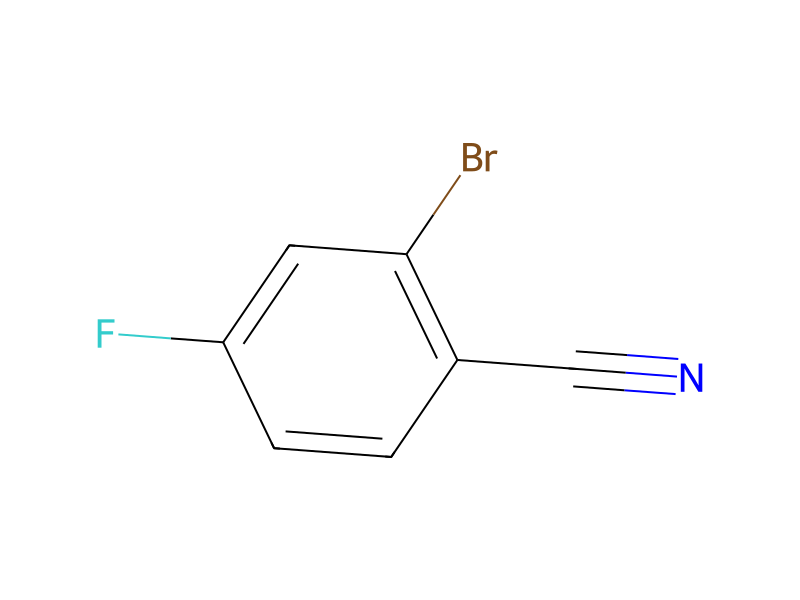
[CH3:1][C:2]1[N:3]=[C:4]([C:11]2[CH:16]=[CH:15][C:14]([C:17]([F:20])([F:19])[F:18])=[CH:13][CH:12]=2)[S:5][C:6]=1[CH:7]([OH:10])[CH2:8][CH3:9].[H-].[Na+].[Br:23][C:24]1[CH:31]=[C:30](F)[CH:29]=[CH:28][C:25]=1[C:26]#[N:27].O>CN(C)C=O>[Br:23][C:24]1[CH:31]=[C:30]([O:10][CH:7]([C:6]2[S:5][C:4]([C:11]3[CH:16]=[CH:15][C:14]([C:17]([F:20])([F:18])[F:19])=[CH:13][CH:12]=3)=[N:3][C:2]=2[CH3:1])[CH2:8][CH3:9])[CH:29]=[CH:28][C:25]=1[C:26]#[N:27]500 mg 1-[4-Methyl-2-(4-trifluoromethyl-phenyl)-thiazol-5-yl]-propan-1-ol were dissolved in 5 ml dimethylformamide. 108 mg sodium hydride were added and the mixture stirred at room temperature. After thirty minutes commercially available 2-bromo-4-fluorobenzonitrile were added and the reaction mixture stirred at room temperature for one hour. Then 5 ml water were added and the mixture extracted three times with portions of 30 ml ethyl acetate. The combined organic layers were dried over MgSO4 and the solvent removed in vacuo. The residue was purified by reversed phase HPLC to obtain 375 mg 2-Bromo-4-{1-[4-methyl-2-(4-trifluoromethyl-phenyl)-thiazol-5-yl]-propoxy}-benzonitrile as an oil.