Benzoyl chloride → 3-(3,4-Dibenzoyloxyphenyl)propionic acid
HRID 1197115
反応式

[C:1]([OH:13])(=[O:12])[CH2:2][CH2:3][C:4]1[CH:11]=[CH:10][C:8]([OH:9])=[C:6]([OH:7])[CH:5]=1.[C:14](Cl)(=[O:21])[C:15]1[CH:20]=[CH:19][CH:18]=[CH:17][CH:16]=1>N1C=CC=CC=1>[C:14]([O:7][C:6]1[CH:5]=[C:4]([CH2:3][CH2:2][C:1]([OH:13])=[O:12])[CH:11]=[CH:10][C:8]=1[O:9][C:14](=[O:21])[C:15]1[CH:20]=[CH:19][CH:18]=[CH:17][CH:16]=1)(=[O:21])[C:15]1[CH:20]=[CH:19][CH:18]=[CH:17][CH:16]=1参加物
4
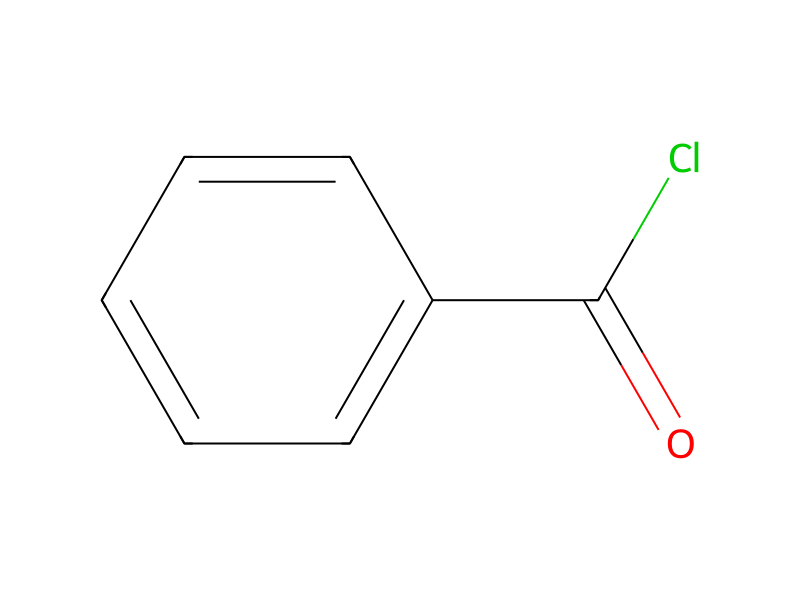



実験手順
3 g of dihydrocaffeic acid was dissolved in 20 ml of pyridine, and 5 g of benzoyl chloride was then gradually added thereto under cooling. After stirring at room temperature for 2 hours, the solvent was distilled off, and the resultant residue was then poured into 50 ml of ice water. This solution was neutralized with 6N hydrochloric acid and then extracted with 50 ml of chloroform twice. After washed with a saturated saline solution, the extracted material was dried over Glauber's salt, and the solvent was then distilled off under reduced pressure, thereby obtaining 6.8 g of 3-(3,4-dibenzoyloxyphenyl)propionic acid.