
基本情報
- 標準SMILES
c1ccncc1- InChIKey
JUJWROOIHBZHMG-UHFFFAOYSA-N- 分子式
- C5H5N
- 平均分子量
- 79.1 g/mol
- 単同位体質量
- 79.04219916
概要
Pyridine is a colorless liquid with an unpleasant smell. It can be made from crude coal tar or from other chemicals. Pyridine is used to dissolve other substances. It is also used to make many different products such as medicines, vitamins, food flavorings, paints, dyes, rubber products, adhesives, insecticides, and herbicides. Pyridine can also be formed from the breakdown of many natural materials in the environment.
名称と識別子
- 優先名称
- Pyridine
- IUPAC
- pyridine
- 現地名
- ピリジン
- 英語名
- Pyridine
- 分子式
- C5H5N
- 分子量
- 79.1
名称と別名
PYRIDINE110-86-1AzabenzeneAzinePyridinPiridinaPirydynaRCRA waste number U196CP 32NCI-C55301FEMA No. 2966FEMA Number 2966
名称をさらに表示
ピリジン [アミノ酸配列分析用]アジンアザベンゼンピリジン(脱水)ピリジン(脱水) ‐SUPER‐ピリジン, ACROSEALRピリジン ACS REAGENT,≥99.0%ピリジン PURISS. P.A.,ACS REAGENT,REAG. PH. EUR.,≥99.5% (GC)ピリジン PURISS.,REAG. PH. EUR.,DRIED,≥99.5% (GC), 0.0075% 水ピリジン REAGENTPLUS,≥99%ピリジン クロマソルブ PLUS,FOR HPLC,≥99.9%ピリジン,ANHYDROUSピリジン STANDARDピリジン, 99+%ピリジン 溶液ピリジン Standard, 5.0 mg/mL in MeOHピリジン, 10 mg/mL in Waterピリジンピリジン(脱水) -Super-PYPYRAA4-(N-Boc-aminomethyl)-2-Bromopyridine2-PROPENOLFEMA 2966Pure pyridinePyridine anhydrous
DTXSID9021924CHEBI:16227NH9L3PP67SAI3-01240NSC-141574NSC-406123DTXCID101924RefChem:53624
データベース識別子
- CAS
110-86-1- PubChem CID
- 1049
- DTXSID
DTXSID9021924- ChEMBL
CHEMBL266158- ChEBI
CHEBI:16227- UNII
- NH9L3PP67S
- EC Number
- 203-809-9
- Nikkaji
- J2.883E
物性
構造計算による物性
- XLogP
- 0.7
- 極性表面積
- 12.9 Ų
- 水素結合供与体数
- 0
- 水素結合受容体数
- 1
- 回転可能結合数
- 0
- 重原子数
- 6
- 形式電荷
- 0
- 複雑度
- 30.9
実験および物理化学的性質
Chemical Classes
Nitrogen Compounds -> Pyridines
Flammable agents - 3rd degree
pH8.5 (0.2 molar soln in water)
SpringerMaterials Properties15N nuclear magnetic resonance spectrum
FragrancesFragrance Ingredient (Pyridine) -> IFRA transparency List
PesticidesPesticide -> EPA IRIS
LogP
log Kow = 0.65
0.65
0.65
Odor
Sharp, nauseating
Burnt, sickening
Nauseating fish-like odor.
TasteAMINE TASTE
Food AdditivesFLAVOR ENHANCER, FLAVORING AGENT OR ADJUVANT -> FDA Substance added to food
Density
0.983 at 68 °F (USCG, 1999) - Less dense than water; will float
0.98272 @ 20 °C/4 °C
Relative density (water = 1): 0.98
0.983 at 68 °F
0.9827 @ 20°C
0.98
Color/FormColorless to yellow liquid.
Solubility
greater than or equal to 100 mg/mL at 70.7 °F (NTP, 1992)
Miscible with water @ 20 °C
Miscible with ... alcohol, ether, and petroleum ether, oils and many organic liquids.
1000.0 mg/mL
Solubility in water: freely soluble
Miscible
物理化学的性質
- 融点
- -42 °C · -42 °C (lit.)
- 沸点
- 115 °C · 115 °C (lit.)
- 比重(密度)
- 0.978 g/mL · 0.978 g/mL at 25 °C (lit.)
- 蒸気密度
- 2.72 · 2.72 (vs air)
- 蒸気圧
- 23.8 mm · 23.8 mm Hg ( 25 °C)
- 屈折率
- 20 · n20/D 1.509(lit.)
- FEMA
- 2966 · 2966 | PYRIDINE
- 闪点
- 68 °F · 68 °F
- 貯蔵温度
- 5 °C · Store at +5°C to +30°C.
- 溶解性
- 2 O: · H2O: 準拠
- 外見
- 液体
- 酸解離定数(Pka)
- 5.25 · 5.25(at 25℃)
- 色
- 無色
- 臭い (Odor)
- 0.23 · 0.23~1.9ppm(平均=0.66ppm)で嫌な臭いを検出
- PH
- 8.81 · 8.81 (H2O, 20℃)
- 爆発限界(explosive limit)
- 12.4 % · 12.4%
- 臭気閾値(Odor Threshold)
- 0.063 ppm · 0.063ppm
- においのタイプ
- 魚の臭いがします
- 由来生物
- synthetic
- 水溶解度
- 混和性
- 凝固点
- -42 ℃ · -42℃
- 比熱容量
- 1.68 J/ · Cp(liquid): 1.68 J/(g·K), at 25℃
- Merck
- 14 · 14,7970
- BRN
- 103233 · 103233
- Henry's Law Constant
- 18.4 at · 18.4 at 30 °C (headspace-GC, Chaintreau et al., 1995)
- Dielectric constant
- 12.5 · 12.5(20℃)
- 安定性
- 安定。可燃性。強酸化剤、強酸とは相容れない。
- InChI
- 1S/C5H5N/c1-2-4-6-5-3-1/h1-5H
- InChIKey
- JUJWROOIHBZHMG-UHFFFAOYSA-N
- SMILES
- C1=CN=CC=C1
- LogP
- 0.64 at · 0.64 at 20℃
- 表面張力
- 38 mN/m · 38mN/m at 20°C
- CAS データベース
- 110 · 110-86-1(CAS DataBase Reference)
- NISTの化学物質情報
- Pyridine(110-86-1)
- EPAの化学物質情報
- Pyridine (110-86-1)
化学的性質
化学的特性ピリジンは有機化合物であり分子式はC5H5Nと表されます無色で特有の臭いがあり水や多くの有機溶剤に溶けやすい特性を持っていますベンゼンと構造的に似ているためしばしばベンゼン環の窒素アナログとして言及されますしかしピリジンの化学的性質はベンゼンとは異なりこの違いはピリジン環に含まれる窒素原子に起因します
化学的特性Pyridine is a weak base (pKa= 5.25); a 0.2 M solution has a pH of 8.5 (HSDB 1988). Its carbon atoms are deactivated towards electrophilic substitution. This is especially true in acidic media, where salts form at the nitrogen. It does, however, readily undergo nucleophilic substitution, preferentially at the C-2 and also at the C-4 position (Jori et al 1983). Being a tertiary amine, pyridine reacts with alkylating agents to form quaternary salts (Santodonato et al 1985). Because of its reduced capacity to donate electrons, it is more resistant to oxidation than benzene. Oxidation with peroxy acids forms pyridine N-oxide which is then capable of undergoing electrophilic substitution (Jori et al 1983). Pyridine reacts violently with a number of compounds, including nitric acid, sulfuric acid, maleic anhydride, perchromate, beta-propiolactone and chlorosulfonic acid. Thermal decomposition can liberate cyanides (Gehring 1983). Both the pyridinium ion and pyridine itself are readily reduced to the commercially important compound, piperidine (Jori et al 1983).
化学性质淡黄色あるいは色の液体,特異臭がある.弱アルカリ性を示す
安全と法規制
GHS分類
GHS Classification
Danger
H225: Highly Flammable liquid and vapor [Danger Flammable liquids]
P210, P233, P240, P241, P242, P243, P261, P264, P270, P271, P280, P301+P317, P302+P352, P303+P361+P353, P304+P340, P317, P321, P330, P362+P364, P370+P378, P403+P235, and P501 (click each P-code to see the statement)
This chemical does not meet GHS hazard criteria for 0.1% (3 of 2399) of reports.
Danger
H225 (99.8%): Highly Flammable liquid and vapor [Danger Flammable liquids]
危険有害性情報
Regulatory Information
Chemical: Pyridine
Hazard Traits - Carcinogenicity; Neurotoxicity
Pyridine is listed on the EPA's Chemical Data Reporting (CDR) system. Manufacturers and importers of Pyridine are required to report information about their production and use of this chemical to the EPA under the Toxic Substances Control Act (TSCA). (40 eCFR Part 711)
Status: Active Update: 05-01-2022 https://echa.europa.eu/registration-dossier/-/registered-dossier/13681
Pyridine: HSNO Approval: HSR001079 Approved with controls
The New Jersey Worker and Community Right to Know Act requires public and private employers to provide information about hazardous substances at their workplaces. (N.J.S.A. 34:5A-1 et. seq.)
Other Safety InformationIMAP assessments - Pyridine: Environment tier I assessment
DOT LabelFlammable Liquid
Fire Hazards
Behavior in Fire: Vapor is heavier than air and may travel considerable distance to source of ignition and flash back. (USCG, 1999)
· HIGHLY FLAMMABLE: Will be easily ignited by heat, sparks or flames.
Highly flammable. Gives off irritating or toxic fumes (or gases) in a fire. Vapour/air mixtures are explosive.
Fire Potential
Pyridine is a flammable ... liquid.
Dangerous fire hazard when exposed to heat, flame, or oxidizers.
Health Hazards
Vapor irritates eyes and nose. Liquid irritates skin and is absorbed through the skin. Overexposure causes nausea, headache, nervous symptoms, increased urinary frequency. (USCG, 1999)
· May cause toxic effects if inhaled or absorbed through skin.
Hazards Summary
Pyridine is a colorless liquid with an unpleasant smell. It can be made from crude coal tar or from other chemicals. Pyridine is used to dissolve other substances. It is also used to make many different products such as medicines, vitamins, food flavorings, paints, dyes, rubber products, adhesives, insecticides, and herbicides. Pyridine can also be formed from the breakdown of many natural materials in the environment.
Liquid causes first degree burns on short exposure. [CHRIS] In rat studies, pyridine produces anesthesia after inhalation of high concentrations and liver injury after sub-chronic feeding. The liver and kidneys are target organs in animal results. Workers avoid exposure because of its foul odor. Workers exposed to 125 ppm complained of transient nausea, headache, low back and abdominal discomfort, and urinary frequency without evidence of liver or kidney injury. [ACGIH] Allergic contact dermatitis reported in a laboratory technician; [Kanerva, p. 1831] An irritant and potential CNS depressant; May have effects on the liver and kidneys; [ICSC]
DOT ID and Guide
1282 129
1282 129
FDA Requirements
Pyridine is a food additive permitted for direct addition to food for human consumption as a synthetic flavoring substance and adjuvant in accordance with the following conditions: a) they are used in the minimum quantity required to produce their intended effect, and otherwise in accordance with all the principles of good manufacturing practice, and 2) they consist of one or more of the following, used alone or in combination with flavoring substances and adjuvants generally recognized as safe in food, prior-sanctioned for such use, or regulated by an appropriate section in this part.
Reactive GroupAmines, Phosphines, and Pyridines
UN ClassificationUN Hazard Class: 3; UN Pack Group: II
Special Reports
Scientific Literature Review of Pyridine and Related Substances in Flavor Usage (GRA & I); 1 (6): 198 (1985). This scientific literature review includes specifications, safety data, poundage data, natural occurrence information, chemical identities and other data on pyridine ... .
Santodonato J; Monograph on Human Exposure to Chemicals in the Workplace: Pyridine, GRA & I 7: 35 (1986). The report presents a summary and evaluation of information relevant to an occupational hazard assessment of the pyridine.
Fodor GB, Colasanti B; Alkaloids: Chem Biol Perspect 3: 1-90 (1985). A review with 431 refs. Review alkaloid chemistry and pharmacology.
Jori A et al; Ecotoxicol Environ Saf 7 (3): 251-75 (1983). A review with several refs on the ecotoxicologic profile of pyridine.
For more Special Reports (Complete) data for PYRIDINE (7 total), please visit the HSDB record page.
安全と保護具
Fire Fighting
Excerpt from ERG Guide 129 [Flammable Liquids (Water-Miscible / Noxious)]:
Use alcohol-resistant foam, water spray, powder, carbon dioxide. In case of fire: keep drums, etc., cool by spraying with water.
First Aid Measures
Fresh air, rest. Artificial respiration may be needed. Refer for medical attention.
Remove contaminated clothes. Rinse skin with plenty of water or shower. Refer for medical attention .
Rinse with plenty of water for several minutes (remove contact lenses if easily possible). Refer for medical attention.
Rinse mouth. Give one or two glasses of water to drink. Refer for medical attention .
Accidental Release Measures
· CALL 911. Then call emergency response telephone number on shipping paper. If shipping paper not available or no answer, refer to appropriate telephone number listed on the inside back cover.
· ELIMINATE all ignition sources (no smoking, flares, sparks or flames) from immediate area.
First Aid
EYES: First check the victim for contact lenses and remove if present. Flush victim's eyes with water or normal saline solution for 20 to 30 minutes while simultaneously calling a hospital or poison control center. Do not put any ointments, oils, or medication in the victim's eyes without specific instructions from a physician. IMMEDIATELY transport the victim after flushing eyes to a hospital even if no symptoms (such as redness or irritation) develop.
General First Aid:
(General first aid procedures)
Safe StorageStore only in original container. Fireproof. Separated from strong oxidants and strong acids. Cool. Dry. Well closed. Store in an area without drain or sewer access.
Exposure Control and Personal Protection· Wear positive pressure self-contained breathing apparatus (SCBA).
Fire Fighting Procedures
Use water spray, dry chemical, "alcohol resistant" foam, or carbon dioxide. Solid streams of water may be ineffective. Use water spray to keep fire-exposed containers cool.
If material is on fire or involved in fire: Do not extinguish fire unless flow can be stopped or safely confined. Use water in flooding quantities as fog. Solid streams may be ineffective. Cool all affected containers with flooding quantities of water. Apply water from as far a distance as possible. Use "alcohol" foam, carbon dioxide, or dry chemical.
Storage Conditions
OUTSIDE OR DETACHED STORAGE IS PREFERABLE. ISOLATE FROM POWERFUL OXIDIZING MATERIALS AND ACIDS.
Mixtures with formamide + iodine + sulfur trioxide are storage hazards, releasing carbon dioxide & sulfuric acid.
Cleanup Methods
1. REMOVE ALL IGNITION SOURCES. 2. VENTILATE AREA OF SPILL OR LEAK. 3. FOR SMALL QUANTITIES, ABSORB ON PAPER TOWELS, EVAPORATE IN SAFE PLACE (SUCH AS FUME HOOD). ALLOW SUFFICIENT TIME FOR EVAPORATING VAPORS TO COMPLETELY CLEAR HOOD DUCTWORK. BURN PAPER IN SUITABLE LOCATION AWAY FROM COMBUSTIBLE MATERIAL. 3. LARGE QUANTITIES CAN BE COLLECTED & ATOMIZED IN SUITABLE COMBUSTION CHAMBER EQUIPPED WITH APPROPRIATE EFFLUENT GAS CLEANING DEVICE. PYRIDINE SHOULD NOT BE ALLOWED TO ENTER CONFINED SPACE, SUCH AS SEWER, BECAUSE OF POSSIBILITY OF EXPLOSION.
Biological treatment of wastewater for the removal of pyridine.
Removal of pyridine from waste gases by adsorption.
Eliminate all ignition sources. Stop or control the leak, if this can be done without undue risk. Use water spray to cool and disperse vapors, protect personnel, and dilute spills to form nonflammable mixtures. Control run-off and isolate discharged materials for proper disposal.
Nonfire Spill ResponseExcerpt from ERG Guide 129 [Flammable Liquids (Water-Miscible / Noxious)]:
Disposal Methods
Generators of waste (equal to or greater than 100 kg/mo) containing this contaminant, EPA hazardous waste number U196, F005, and D038 must conform with USEPA regulations in storage, transportation, treatment and disposal of waste.
A potential candidate for rotary kiln incineration at a temperature range of 820 to 1,600 °C and residence times of seconds for liquids and gases, and hours for solids. A potential candidate for liquid injection incineration at a temperature range of 650 to 1,600 °C and a residence time of 0.1 to 2 seconds. A potential candidate for fluidized bed incineration at a temperature range of 450 to 980 °C and residence times of seconds for liquids and gases, and longer for solids.
The following wastewater treatment technologies have been investigated for Pyridine: Concentration process: Activated carbon.
Controlled incineration whereby nitrogen oxides are removed from the effluent gas by scrubber, catalytic or thermal devices. Recommendable method: Incineration. Not recommendable methods: Evaporation & landfill.
For more Disposal Methods (Complete) data for PYRIDINE (9 total), please visit the HSDB record page.
Spillage Disposal
Personal protection: filter respirator for organic gases and vapours adapted to the airborne concentration of the substance. Remove all ignition sources. Do NOT wash away into sewer. Do NOT let this chemical enter the environment. Collect leaking liquid in sealable air tight containers. Absorb remaining liquid in sand or inert absorbent. Then store and dispose of according to local regulations.
毒性情報
Toxicological InformationCDC-ATSDR Toxicological Profile
Body BurdenIn a heterogenous, nonsmoking population of 62 subjects, pyridine was a common constituent in the expired air of the 14 prediabetic subjects(1).
Target Organs
Dermal (Skin), Hepatic (Liver), Neurological (Nervous System), Ocular (Eyes), Renal (Urinary System or Kidneys)
Hepatic
Eyes, skin, central nervous system, liver, kidneys, gastrointestinal tract
Ecotoxicity Values
LC50 Pimephales promelas (fathead minnow) 106 mg/l/96 hr, flow-through bioassay with measured concentrations, 24.1 °C, dissolved oxygen 7.4 mg/l, hardness 47.4 mg/l CaCO3, alkalinity 240 mg/l CaCO3, and pH 7.73.
EC50 Pimephales promelas (fathead minnow) <106 mg/l/96 hr, flow-through bioassay with measured concentrations, 24.1 °C, dissolved oxygen 7.4 mg/l, hardness 47.4 mg/l CaCO3, alkalinity 240 mg/l CaCO3, and pH 7.73. Effect: loss of equilibrium.
LC50 Pimephales promelas (fathead minnow) 93.8 mg /l/96 hr (confidence limit= 85.5-103 mg/l), flow-through bioassay with measured concentrations, 25.0 °C, dissolved oxygen 7.3 mg/l, hardness 48.5 mg/l CaCO3, alkalinity 77.3 mg/l CaCO3, and pH 7.75.
EC50 Pimephales promelas (fathead minnow) 85.6 mg/l/96 hr (confidence limit= 82.0-89.3 mg/l), flow-through bioassay with measured concentrations, 25.0 °C, dissolved oxygen 7.3 mg/l, hardness 48.5 mg/l CaCO3, alkalinity 77.3 mg/l CaCO3, and pH 7.75. Effect: loss of equilibrium.
For more Ecotoxicity Values (Complete) data for PYRIDINE (7 total), please visit the HSDB record page.
Environmental Fate
TERRESTRIAL FATE: Based on a classification scheme(1), an estimated Koc value of 50(SRC), determined from a log Kow of 0.65(2) and a regression-derived equation(3), indicates that pyridine is expected to have high mobility in soil(SRC). Pyridine has a pKa of 5.23(4), which indicates that this compound will partially exist in the protonated form in moist acidic soils, and cations adsorb more strongly to soils than neutral molecules. Therefore, the mobility of pyridine is expected to be much lower in acidic soils than in neutral or alkaline soil(SRC). Volatilization of the neutral species of pyridine from moist soil surfaces is expected to be an important fate process(SRC) given a Henry's Law constant of 1.1X10⁻⁵ atm-cu m/mole(5); however, the protonated form will not volatilize(SRC). The potential for volatilization of pyridine from dry soil surfaces may exist(SRC) based upon a vapor pressure of 20.8 mm Hg(6). In a series of biodegradation tests using a soil suspension, pyridine was completely biodegraded under aerobic conditions within 66-170 days(7). Under anaerobic conditions, biodegradation was complete in 32-66 days(7).
AQUATIC FATE: Based on a classification scheme(1), an estimated Koc value of 50(SRC), determined from a log Kow of 0.65(2) and a regression-derived equation(3), indicates that pyridine is not expected to adsorb to suspended solids and sediment(SRC). Volatilization from water surfaces is expected(3) based upon a Henry's Law constant of 1.1X10⁻⁵ atm-cu m/mole(4). Using this Henry's Law constant and an estimation method(3), volatilization half-lives for a model river and model lake are 3 and 25 days, respectively(SRC). The pKa of pyridine is 5.23(5), indicating this compound will partially exist in the protonated form in acidic waters and cations do not volatilize(SRC). According to a classification scheme(6), a BCF of 88 measured in guppies(7), suggests bioconcentration in aquatic organisms is moderate(SRC). The biodegradation rate constant for pyridine in water was 0.0033 - 0.018 per hour which corresponds to half-lives of 39-210 hours(8). Pyridine was completely degraded in about 8 days in a river die-away test(9). Other studies have shown that pyridine is recalcitrant in sediment and water under anaerobic conditions(10-12).
ATMOSPHERIC FATE: According to a model of gas/particle partitioning of semivolatile organic compounds in the atmosphere(1), pyridine, which has a vapor pressure of 20.8 mm Hg at 25 °C(2), is expected to exist solely as a vapor in the ambient atmosphere. Vapor-phase pyridine is degraded in the atmosphere by reaction with photochemically-produced hydroxyl radicals(SRC); the half-life for this reaction in air is estimated to be 43 days(SRC), calculated from its rate constant of 3.7X10⁻¹³ cu cm/molecule-sec at 25 °C(3).
Food Survey Values
Pyridine has been identified as a volatile flavor compound in fried bacon(1) and boiled beef(2). It is also a volatile component of Beaufort cheese, a Gruyere type cheese manufactured in a limited area of the French Alps(3). Pyridine has been identified as a volatile flavor components of fried chicken(4), roasted barely(5), mango(7), roasted coffee(6,8), canned sweet corn(9), short-necked clam and corbicula(10), sukiyaki(11), and kiwi fruit flowers(12). Pyridine was detected in soybeans at concns of 88.9-264.9 ug/kg(13).
Adverse EffectsNeurotoxin - Other CNS neurotoxin
Exposure Routes
The substance can be absorbed into the body by inhalation, through the skin and by ingestion.
inhalation, skin absorption, ingestion, skin and/or eye contact
Plant ConcentrationsREPORTED FOUND IN WOOD OIL, LEAVES, & ROOTS OF ATROPA BELLADONNA, & IN OTHER PLANTS (COFFEE, TOBACCO).
Signs and Symptoms
Cough. Dizziness. Headache. Nausea. Shortness of breath. Unconsciousness.
MAY BE ABSORBED! Redness. Burning sensation. Further see Inhalation.
Redness. Pain.
Cough. Sore throat. Further see Inhalation.
irritation eyes; headache, anxiety, dizziness, insomnia; nausea, anorexia; dermatitis; liver, kidney damage
Ongoing Test Status
The following link will take the user to the National Toxicology Program (NTP) Test Agent Search Results page, which tabulates all of the "Standard Toxicology & Carcinogenesis Studies", "Developmental Studies", and "Genetic Toxicity Studies" performed with this chemical. Clicking on the "Testing Status" link will take the user to the status (i.e., in review, in progress, in preparation, on test, completed, etc.) and results of all the studies that the NTP has done on this chemical. [http://ntp-apps.niehs.nih.gov/ntp_tox/index.cfm?fuseaction=ntpsearch.searchresults&searchterm=110-86-1]
Effluent Concentrations
In a survey of industrial effluents, pyridine was identified in discharges of the following industries timber products (1,032 ppb), paint and ink (2 ppb), ore mining (4 ppb), inorganic chemicals (137 ppb), pharmaceuticals (156 ppb), organic chemicals (160 ppb), publicly owned treatment works (77 ppb)(1). Pyridine was identified, not quantified, in the effluents from an advanced water treatment facility in Orange County, CA(2). Waste water from coal gasification contained an estimated 4.62 ppm of pyridine(3). Pyridine was identified, not quantified, in waste incineration stack emissions(4) and coal derived oil(5). Pyridine has also been detected in active compost blower exhaust at 47 ug/cu m(6). Pyridine was detected in waste ammonia liquor from low temperature carbonization wastewater at an average concentration of 20 mg/l(7).
法規制情報
FDA Requirements
Pyridine is a food additive permitted for direct addition to food for human consumption as a synthetic flavoring substance and adjuvant in accordance with the following conditions: a) they are used in the minimum quantity required to produce their intended effect, and otherwise in accordance with all the principles of good manufacturing practice, and 2) they consist of one or more of the following, used alone or in combination with flavoring substances and adjuvants generally recognized as safe in food, prior-sanctioned for such use, or regulated by an appropriate section in this part.
RCRA Requirements
U196; As stipulated in 40 CFR 261.33, when pyridine, as a commercial chemical product or manufacturing chemical intermediate or an off-specification commercial chemical product or a manufacturing chemical intermediate, becomes a waste, it must be managed according to Federal and/or State hazardous waste regulations. Also defined as a hazardous waste is any residue, contaminated soil, water, or other debris resulting from the cleanup of a spill, into water or on dry land, of this waste. Generators of small quantities of this waste may qualify for partial exclusion from hazardous waste regulations (40 CFR 261.5).
D038; A solid waste containing pyridine may or may not become characterized as a hazardous waste when subjected to the Toxicity Characteristic Leaching Procedure listed in 40 CFR 261.24, and if so characterized, must be managed as a hazardous waste.
F005; When pyridine is a spent solvent, it is classified as a hazardous waste from a nonspecific source (F005), as stated in 40 CFR 261.31, and must be managed according to State and/or Federal hazardous waste regulations.
TSCA Requirements
Pursuant to section 8(d) of TSCA, EPA promulgated a model Health and Safety Data Reporting Rule. The section 8(d) model rule requires manufacturers, importers, and processors of listed chemical substances and mixtures to submit to EPA copies and lists of unpublished health and safety studies. Pyridine is included on this list.
Atmospheric Standards
This action promulgates standards of performance for equipment leaks of Volatile Organic Compounds (VOC) in the Synthetic Organic Chemical Manufacturing Industry (SOCMI). The intended effect of these standards is to require all newly constructed, modified, and reconstructed SOCMI process units to use the best demonstrated system of continuous emission reduction for equipment leaks of VOC, considering costs, non air quality health and environmental impact and energy requirements. Pyridine is produced, as an intermediate or a final product, by process units covered under this subpart.
CERCLA Reportable Quantities
Persons in charge of vessels or facilities are required to notify the National Response Center (NRC) immediately, when there is a release of this designated hazardous substance, in an amount equal to or greater than its reportable quantity of 1000 lb or 454 kg. The toll free number of the NRC is (800) 424-8802; In the Washington D.C. metropolitan area (202) 426-2675. The rule for determining when notification is required is stated in 40 CFR 302.4 (section IV. D.3.b).
State Drinking Water Guidelines
(WI) WISCONSIN 10 ug/l
(FL) FLORIDA 7 ug/l
安全データ
- F
- 3-10
- OEB
- A
- OEL
- TWA: 5 ppm (15 mg/m3)
- wgk
- 2
- IDLA
- 1,000 ppm
- tsca
- TSCA listed
- rtecs
- UR8400000
- ridadr
- UN 1282
- 毒性
- LD50 orally in rats: 1.58 g/kg (Smyth)
- PRTR法
- 第一種指定化学物質
- hs_code
- 2933 31 00
- risk_code
- 11-20/21/22-39/23/24/25-23/24/25-52-36/38
- 化審法
- (5)-710
- 安衛法
- 57,57-2
- 消防法
- 危-4-1-II
- hazard_code
- T,N,F,Xn
- hazard_note
- Highly Flammable/Harmful
- safety_code
- 36/37/39-38-45-61-28A-26-28-24/25-22-36/37-16-7
- hazard_class
- 3
- packing_group
- II
- 自然発火温度
- 482 °C
- 環境リスク評価
- ピリジン(110-86-1)
- Hazard Classifications
- Acute Tox. 4 DermalAcute Tox. 4 InhalationAcute Tox. 4 OralEye Irrit. 2Flam. Liq. 2Skin Irrit. 2
- ストレージクラス
- 3 - Flammable liquids
- 有毒物質データの
- 110-86-1(Hazardous Substances Data)
化学と産業
薬理情報
Biological Half-LifeWhole body: less than 24 hours; [TDR, p. 1062]
Metabolism/Metabolites
8 ANIMAL SPECIES N-METHYLATED PYRIDINE WHICH WAS EXTENSIVE (20-40% DOSE) IN CAT, GUINEA PIG, GERBIL, RABBIT, & HAMSTER, BUT LOW (5-12% DOSE) IN RAT, MOUSE, & 2 HUMAN VOLUNTEERS. PATTERN OF N-METHYLATION SIMILAR FROM ORAL & IP ROUTES IN RATS & GUINEA PIGS & WAS DOSE-DEPENDENT.
PART IS EXCRETED IN URINE ... IN FORM OF ITS CHIEF METABOLITE, N-METHYLPYRIDINIUM HYDROXIDE. PYRIDINE IS EXAMPLE OF METHYLATION PROCESS OF METABOLISM ... CONFINED TO SOME HETEROCYCLIC COMPOUNDS ... THIS OCCURS, WITH PYRIDINE, ONLY IN SOME ANIMALS ... MICE, BUT NOT IN RATS ... IN RABBITS ONLY TRACES OF 3-HYDROXY PYRIDINE ARE EXCRETED.
An organism capable of growth on pyridine was isolated from soil by enrichment culture techniques and identified as Micrococcus luteus. The organism oxidized pyridine for energy and released nitrogen contained in the pyridine ring as ammonium. Cell extracts of M luteus could not degrade pyridine, 2-, 3-, or 4-hydroxypyridines or 2,3-dihydroxypyridine, regardless of added cofactors or cell particulate fraction. The organism had a NAD-linked succinate-semialdehyde dehydrogenase which was induced by pyridine. Cell extracts of M luteus had constitutive amidase activity, and washed cells degraded formate and formamide without a lag. ... The results provide new evidence that the metabolism of pyridine by microorganisms does not require initial hydroxylation of the ring and that permeability barriers do not account for the extremely limited range of substrate isomers used by pyridine degraders.
The oxidative metabolism of pyridine was studied in vitro. Normal human liver, lung, and kidney tissue /were/ obtained from ten persons ... and liver tissue from male Fischer 344 rats. ... The primary metabolites identified were 2-pyridone, 4-pyridone, and pyridine-N-oxide (PNO). Human liver and kidney microsomes formed these metabolites at rates of 154 to 275 pmol/min/mg. Liver microsomes from one subject formed 3-hydroxypyridine-N-oxide at a rate of 133 pmol/min/mg. The formation of 4-pyridone was significantly greater in liver microsomes from the males than from the females. Human lung microsomes formed 2-pyridone, 4-pyridone, and pyridine-N-oxide at rates of 63 to 110 pmol/min/mg. The rates of formation of 2-pyridone, 4-pyridone, and pyridine-N-oxide by rat liver microsomes ranged from 17 to 61 pmol/min/mg. Incubation of human liver microsomes under the nitrogen and carbon monoxide atmosphere and in the presence of metyrapone reduced pyridine metabolism by 54, 34, and 20%, respectively. SKF-525A, allopurinol, and n-octylamine did not signifiantly affect pyridine metabolism. Human and rat liver cytosol did not metabolize pyridine. /Results suggest/ that human liver, kidney, and lung microsomes and rat liver microsomes can metabolize pyridine under aerobic conditions in the presence of a NADPH generating system. The cytochrome p450 monooxygenase system appears to be responsible for the metabolism of pyridine by human liver microsomes.
For more Metabolism/Metabolites (Complete) data for PYRIDINE (7 total), please visit the HSDB record page.
Absorption, Distribution and Excretion
Pyridine is absorbed from the gastrointestinal tract, through the skin, and by inhalation. Part of the absorbed pyridine is excreted in the urine unchanged and a smaller portion is methylated at the N position.
Elimination of pyridine is biphasic in nature, the 1st phase being more prolonged for pyridine and beta-picoline than for alpha- or gamma-picoline.
Uptake by tissues /in rats/ following ip admin of pyridine increased with dosage. Elimination occurred in 2 phases and the duration of these phases was also dose dependent.
IP ADMIN TO MICE, HAMSTERS, RATS, GUINEA PIGS, RABBITS, & FERRETS RESULTED IN URINARY EXCRETION OF PYRIDINE N-OXIDE WHICH RANGED FROM 10% IN RATS TO APPROX 40% IN MICE & GUINEA PIGS.
For more Absorption, Distribution and Excretion (Complete) data for PYRIDINE (11 total), please visit the HSDB record page.
Tissue LocationsBrain
用途と製造
Uses
Used as a solvent for paint and rubber; used as an intermediate for pharmaceuticals, dyes, pesticides, textile finishes, and other chemicals; also used as a flavoring agent; [ACGIH]
Painting (Solvents) [Category: Paint]
Smoking cigarettes [Category: Food & Drugs]
For Pyridine (USEPA/OPP Pesticide Code: 069202) there are 0 labels match. /SRP: Not registered for current use in the U.S., but approved pesticide uses may change periodically and so federal, state and local authorities must be consulted for currently approved uses./
Solvent for anhydrous mineral salts; in org synthesis and anal chem
MFR OF VITAMINS (ESP NICOTINIC ACID), SULFA DRUGS, DISINFECTANTS, DYESTUFF, EXPLOSIVES; USED IN RUBBER INDUST
U.S. Exports
(1975) 3.41X10+9 GRAMS
(1970) 1.36X10+9 GRAMS
U.S. Imports
(1973) 4.5X10+6 GRAMS
(1970) 4.6X10+7 GRAMS
U.S. Production
2023: 10,000,000 - <50,000,000 lb
(1970) 4.09X10+9 GRAMS (2 °C GRADE)
Consumption Patterns
APPROX 33% IS USED AS A SOLVENT IN DRUG MFR AND AS A REAGENT (INCL AS A SCAVENGER FOR ACIDS); 17-33% AS AN INT FOR ANTIHISTAMINES (INCL CHLOROPHENIRAMINE MALEATE) AND ANTI-INFECTIVES (INCL CETYLPYRIDINIUM CHLORIDE); 8-17% AS AN INT FOR PIPERIDINE; 8-17% AS AN INT FOR WATERPROOFING AGENTS IN THE TEXTILE INDUST; AND 8-17% IN MISC APPLICATIONS (1970)
(1975) 6.81X10+9 G (SECONDARY CONSUMPTION EST)
Consumer UsesSolvent
Industry UsesSolvent
Methods of Manufacturing
REACTION OF ACETALDEHYDE, AMMONIA, AND FORMALDEHYDE IN THE PRESENCE OF A CATALYST SUCH AS AN OXIDE OR A PHOSPHATE OF A TRI OR TETRAVALENT METAL AT 250-500 °C AND ATMOSPHERIC PRESSURE; NATURAL PYRIDINE IS DERIVED IN ISOLATED FORM FROM COKING OPERATIONS.
BY EXTRACTION FROM LOWER-BOILING FRACTIONS OF TAR DISTILLATES AFTER REMOVAL OF TAR ACIDS BY SULFURIC ACID & PURIFICATION BY DISTILLATION WITH LIME ... .
MOST COMMERCIAL PYRIDINE IS OBTAINED BY DISTILLATION FROM CRUDE COAL TAR ... . INCREASED DEMAND FOR HIGH-PURITY PYRIDINE HAS LED TO ... SYNTHESIZING IT FROM ACETYLENE, FORMALDEHYDE, HEMIMETHYLAL & AMMONIA.
Pyridine and pyridine derivatives are made from paraldehyde and aqueous ammonia, in the presence of a catalyst, at elevated temperatures.
Vapor phase reaction of acrolein with ammonia, in the presence of a dehydration catalyst, produces high yields of beta-picoline and pyridine in a ratio of approximately 2:1.
Formulations/PreparationsGrades: Technical at 20 °C, 2 deg (meaning distillation range); Medicinal; CP; Spectrophotometric
Household ProductsCosmetics product ingredient: Pyridine
Use Classification
Chemical Classes -> Benzidines/Aromatic amines
Fragrance Ingredients
General Manufacturing Information
All Other Chemical Product and Preparation Manufacturing
Pyridine: ACTIVE
応用分野
解説ピリジン.アザベンゼンともいう.コールタール中に,その多数の同族体とともに,0.2% 前後含まれている.骨油,タバコの煙のなかにも少量含まれる.無色,特有の臭いと苦味をもつ液体.融点-42 ℃,沸点115.5 ℃.d250.9779.nD201.5102.きわめて弱い塩基で,強酸と塩をつくる.pKa 5.19(25 ℃,水溶液).吸湿性で水,エタノール,エーテル,そのほかの有機溶媒に易溶,また多くの有機化合物をよく溶かす.芳香族性をもつ安定な化合物で,硝酸や酸化クロム(Ⅵ)によって酸化されない.求電子置換はベンゼンの場合より起こりにくく,非常にはげしい条件でニトロ化,スルホン化,およびハロゲン置換を受ける.置換反応は主として3位(β位)で起こる.過酸化水素または過酸で酸化すればN-オキシドを生じる.ナトリウムアマルガムで還元すると飽和化合物としてピペリジンを生じる.第三級アミンの性質をもち,ハロゲン化アルキル(RX)を作用させるとハロゲン化アルキルピリジニウム[C5H5NR]+ X-を生じるが,それを高温に熱すればアルキル基が2位または4位に転移する.ピリジンは求核置換を受けやすい.たとえば,アルキルリチウムまたはアリールリチウムを作用させると,2位にアルキルまたはアリール置換が起こる.同族体の合成には,ハンチ法やチチバビン法がある.ピリジンは化学工業において,塩基性溶剤として重要である(ゴム,塗料工業).中枢神経を抑制し,皮膚および気管を刺激する.LD50 891 mg/kg(ラット,経口).
用途医薬反応溶媒、無水金属塩の溶剤、界面活性剤原料、有機合成原料、抗菌剤ジンクピリチオン等の原料、医薬品合成溶剤、飼料添加剤原料、加硫促進剤原料、アルコール変性剤
用途溶剤、有機合成原料(医薬、界面活性剤、加硫促進剤、エタノールの変性。
用途分析用溶媒、有機合成用原料(医薬等)。
用途アミノ酸配列分析用溶媒。
天然物の起源Pyridine was discovered by Anderson in coal tar in 1846 (Windholz et al 1983). It is found in tobacco smoke (Vohl and Eulenberg 1871; Lehmann 1909) and roasted coffee (Bertrand and Weisweiller 1913). Pyridine is found in wood oil and in the leaves and roots of Atropa belladonna (HSDB 1988), and is also a component of creosote oil (Krone et al 1986). In nature, pyridine and its derivatives are commonly found as components of alkaloids, vitamins, and coenzymes.
使用Pyridine is used directly in the denaturation of alcohol (ACGIH 1986; HSDB 1989; NSC 1978) and as a solvent in paint and rubber preparation (ACGIH 1986; HSDB 1989; NSC 1978) and in research laboratories for functions such as extracting plant hormones (Santodonato et al. 1985). Half of the pyridine produced today is used as an intermediate in making various insecticides and herbicides for agricultural applications (ACGIH 1986; Harper et al. 1985; Santodonato et al. 1985). Approximately 20% goes into the production of piperidine (Harper et al. 1985; Santodonato et al. 1985) which is commercially significant in the preparation of chemicals used in rubber vulcanization and agriculture (NSC 1978). Pyridine is also used as an intermediate in the preparation of drugs (antihistamines, steroids, sulfa-type and other antibacterial agents) dyes, water repellents, and polycarbonate resins (ACGIH 1986; Harper et al. 1985; NSC 1978; Santodonato et al. 1985). Pyridine is also approved by the Food and Drug Administration (FDA) for use as a flavoring agent in the preparation of foods (Harper et al. 1985; HSDB 1989) .
一般的な説明A clear colorless to light yellow liquid with a penetrating nauseating odor. Density 0.978 g / cm3. Flash point 68°F. Vapors are heavier than air. Toxic by ingestion and inhalation. Combustion produces toxic oxides of nitrogen.
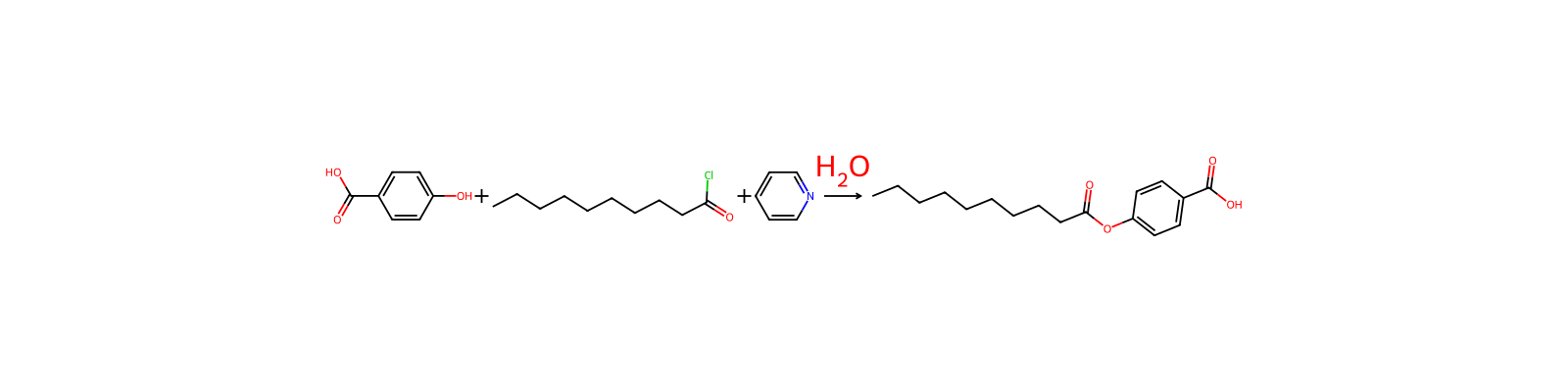
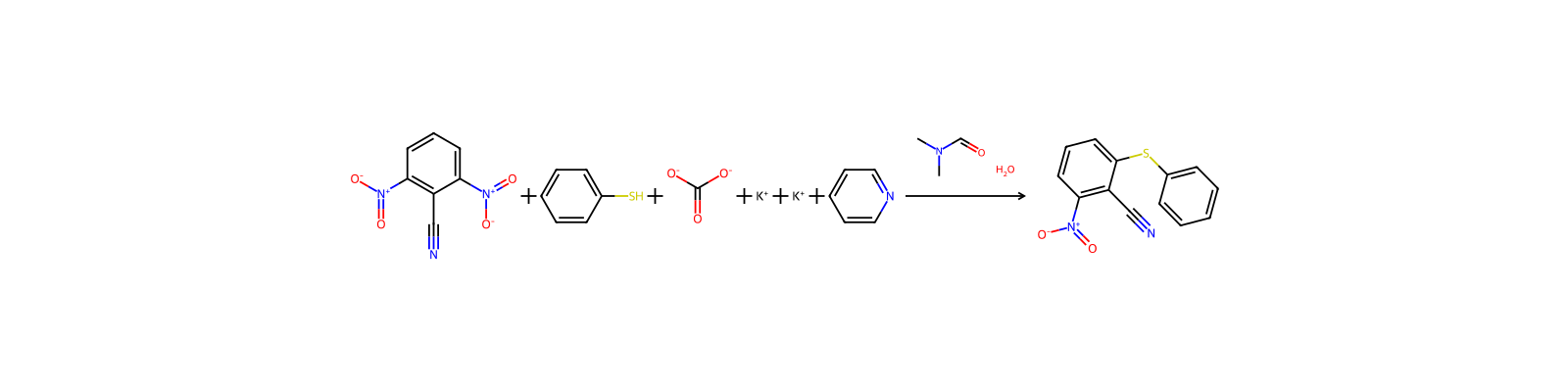
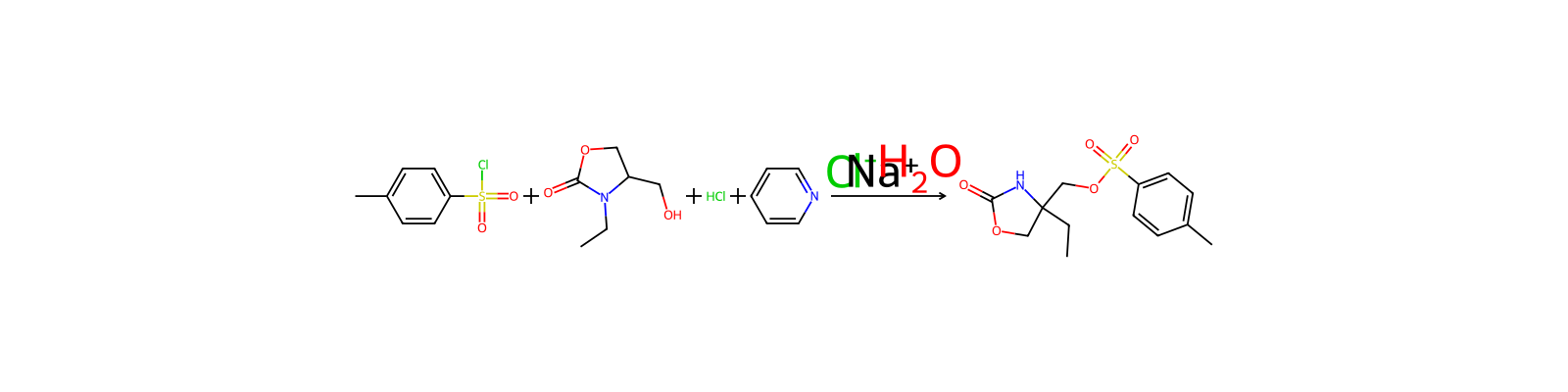
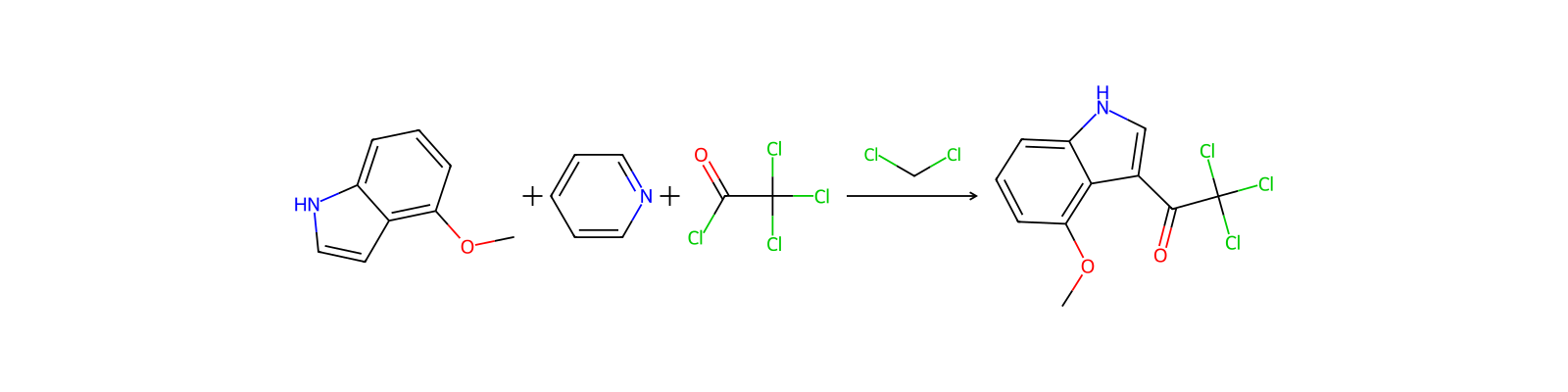
使用用途ピリジンの主な使用用途には以下の例があります。 1. 求核剤 ピリジンの窒素原子には孤立電子対が存在するため、ピリジンは弱塩基性を示します。そのためピリジンは溶媒としてだけではなく求核剤としても利用することが可能です。 例として、を用いたアルコールのアセチル化が挙げられます。溶剤としてピリジンを用いることで、ピリジンが無水酢酸のカルボキシ基に求核攻撃します。その結果、酢酸イオンが脱離するとともに、求電子活性種であるN-アセチルピリジニウムイオンが発生します。これにより、アルコールの求核攻撃が促進され、円滑にアセチル化が進行します。 2. 医薬品原料 ピリジンは医薬品原料にも用いられます。例えば抗菌剤であるジンクピリチオンの原料として利用されており、塗料やシャンプーなどに混ぜ合わせることで防汚剤や殺菌剤として機能します。 他にも、鎮痛剤や無水金属塩の溶剤・反応媒介剤、医薬品原料、界面活性剤、飼料添加剤の原料、合成ゴムの加硫促進剤の原料などとして使われています。
調製方法
製造方法Pyridine is produced either by isolation from natural sources such as coal, or through chemical synthesis (HSDB 1989). Pyridine is produced by the fractional distillation of coal-tar residues (HSDB 1989; NSC 1978; Santodonato et al. 1985) in which 1 ton of coal produces 0.07-0.21 pounds of pyridine bases of which 57% is pyridine (Santodonato et al, 1985). Synthetically produced pyridine is currently the more important source of pyridine for commercial uses (Santodonato et al. 1985). Small amounts of pyridine are synthesized from acetaldehyde, formaldehyde, and ammonia with a fluidized silica-alumina catalyst, followed by fractionation to isolate the pyridine (Harper et al. 1985; HSDB 1989; NSC 1978). Pyridine is produced from natural sources by Crowley Tar Products of Stow, Ohio, and Oklahoma City, Oklahoma (Harper et al. 1985; HSDB 1989; SRI 1986, 1987, 1988). Pyridine is synthetically produced by two companies, the Nepera Chemical Co. of Harriman, New York and the Reilly Tar and Chemical Corporation of Indianapolis, Indiana (Harper et al. 1985; SRI 1986, 1987, 1988).
Pyridine is produced from the gases obtained by the coking of coal and by direct synthesis. The light-oil fraction of coal tar is treated with sulfuric acid to produce water-soluble pyridine salts and then the pyridine bases are recovered from the aqueous phase by sodium hydroxide or ammonia (Jori et al 1983). The majority of U.S. production is through synthetic means. This process uses a vapor-phase reaction of acetaldehyde, formaldehyde and ammonia, which yields a mixture of pyridine and 3-methylpyridine (Santodonato et al 1985). The product ratio depends on the relative amounts of acetaldehyde and formaldehyde. Added methanol increases the yield. The U.S. production of pyridine was estimated at 32 to 47 million pounds in 1975 (Reinhardt and Brittelli 1981). Pyridine is commercially available in technical, 2° and 1° grades, the latter two referring to their boiling ranges. Major impurities are higher boiling homologues, such as picolines, lutidines and collidines, which are mono-, di-, and trimethylpyridines (Santodonato et al 1985; Jori et al 1983).
合成方法タールからの分留,アルデヒド(アセトアルデヒドとホルムアルデヒド)とアンモニアを触媒存在下400?500℃で気相反応
上流・下流製品情報
上流原料
下流製品
サプライヤー50 社
国药集团化学试剂有限公司86-21-63210123 · [email protected]
梯希爱(上海)化成工业发展有限公司021-67121386 · [email protected]
上海阿拉丁生化科技股份有限公司400-6206333 13167063860 · [email protected]
T&W GROUP021-61551611 13296011611 · [email protected]
山东信恒化工有限公司15269160602 15269160602
上海迈瑞尔生化科技有限公司4006356688 18621169109 · [email protected]
江苏普乐司生物科技有限公司0513-66017706 18551496367 · [email protected]
天津中信凯泰化工有限公司022-66880623 · [email protected]
阿法埃莎(中国)化学有限公司400-6106006 · [email protected]
安耐吉化学&3A(安徽泽升科技股份有限公司)400-0056266 · [email protected]
石家庄斯迪亚诺精细化工有限公司0311-89250318 13582355795 · [email protected]
吉良化学21-62165282 · [email protected]
上海景颜化工科技有限公司13817811078 · [email protected]
嘉兴市艾森化工有限公司0573-85285100 18627885956 · [email protected]
池州捷峰生物科技有限公司0566-8928158 · [email protected]
上海泰坦科技股份有限公司400-6009262 15618770481 · [email protected]
合肥天健化工有限公司551-65418679 15856988503;15837135945 · [email protected]
上海比阳实业有限公司+86-15021878111 · [email protected]
南京蓝白化工有限公司025-85499326 15366059326;13813836665 · [email protected]
山东西亚化学有限公司13355009207 13355009207 · [email protected]
玛雅试剂+86 (573) 82222445 (0)18006601000 452520369 · [email protected]
四川库利南科技有限公司400-1166-196 18981987031 · [email protected]
天津希恩思生化科技有限公司400 638 7771 · [email protected]
武汉华邦化学新材料有限公司027-83229541 13971313286 · [email protected]
斯百全化学(上海)有限公司021-021-021-67601398-809-809-809 15221380277 · [email protected]
泰州志诚化工科技有限公司0523-82837785 13914525028 · [email protected]
艾科试剂4008-755-333 18080918076 · [email protected]
上海思域化工科技有限公司86-21-34053660 · [email protected]
赛默飞世尔科技(中国)有限公司800-810-5118 · [email protected]
北京伊诺凯科技有限公司400-810-7969 010-59572699 · [email protected]
TOKYO CHEMICAL INDUSTRY CO., LTD.03-36680489 · [email protected]
越林试剂021-62960152 · [email protected]
北京环宇世纪化学科技有限公司hysj_bj.com
HBCChem, Inc.+1-510-219-6317 · [email protected]
日照力德士化工有限公司010-51268198 · [email protected]
美岚实业(上海)有限公司021-58958189 · [email protected]
上海爱蝶实业有限公司021-58957966 18930537195 · [email protected]
广拓化学(上海)有限公司021-60899189-8001 18918189673 · [email protected]
雷丁试剂0510-85629785 18013409632 · [email protected]
上海恒岳化工科技有限公司51691706 13391095697 · [email protected]
上海德榜化工有限公司021-61531158 · [email protected]
上海麦克林生化科技股份有限公司15221275939 15221275939 · [email protected]
广州市康洋化工有限公司19520963397 · [email protected]
杭州杰恒化工有限公司0571-87396432 · [email protected]
上海有朋化工有限公司021-69005955 13701776567 · [email protected]
上海凯赛化工有限公司021-33516722 13701817765 · [email protected]
上海彤源化工有限公司021-021-69182866 13701855675 · [email protected]
成都润泽本土化工有限公司13096311329 028-88469284 616445927 · [email protected]
上海蓝润化学有限公司021-69515658 ; 69515628 13701998368 · [email protected]
上海容立化学科技有限公司021-69992220 13701886816 · [email protected]
補足説明
定義ChEBI: Pyridine is an azaarene comprising a benzene core in which one -CH group is replaced by a nitrogen atom. It is the parent compound of the class pyridines.The molecules have a hexagonal planar ring and are isoelectronic with benzene. Pyridine is an example of an aromatic heterocyclic compound, with the electrons in the carbon–carbon pi bonds and the lone pair of the nitrogen delocalized over the ring of atoms. The compound is extracted from coal tar and used as a solvent and as a raw material for organic synthesis.
関連反応
62,442 件

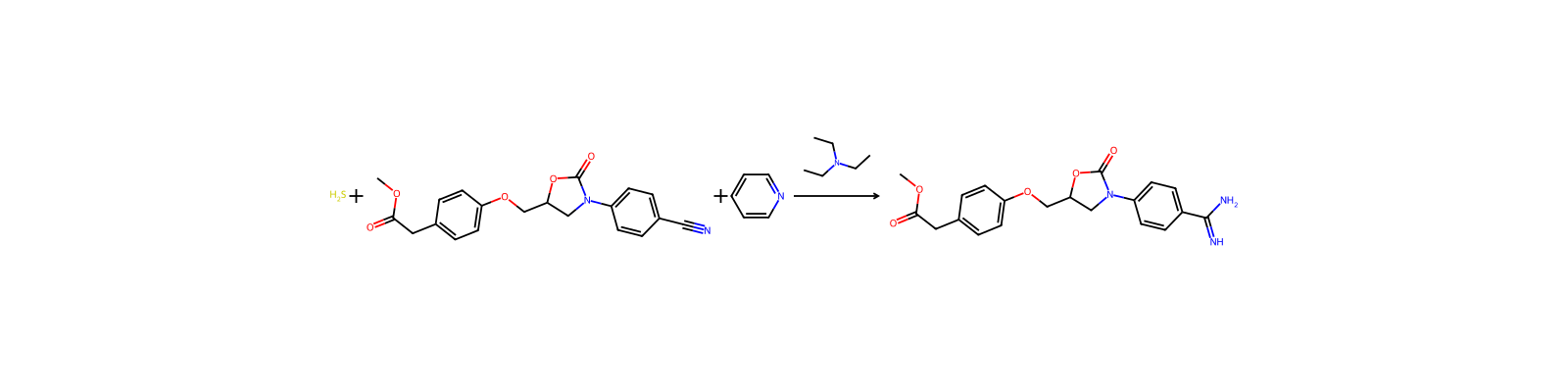
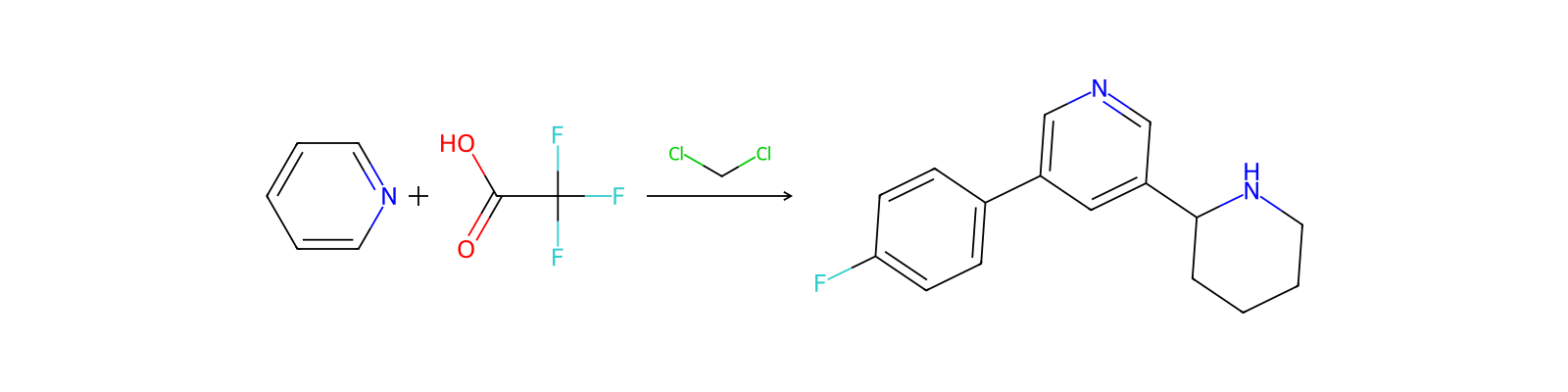
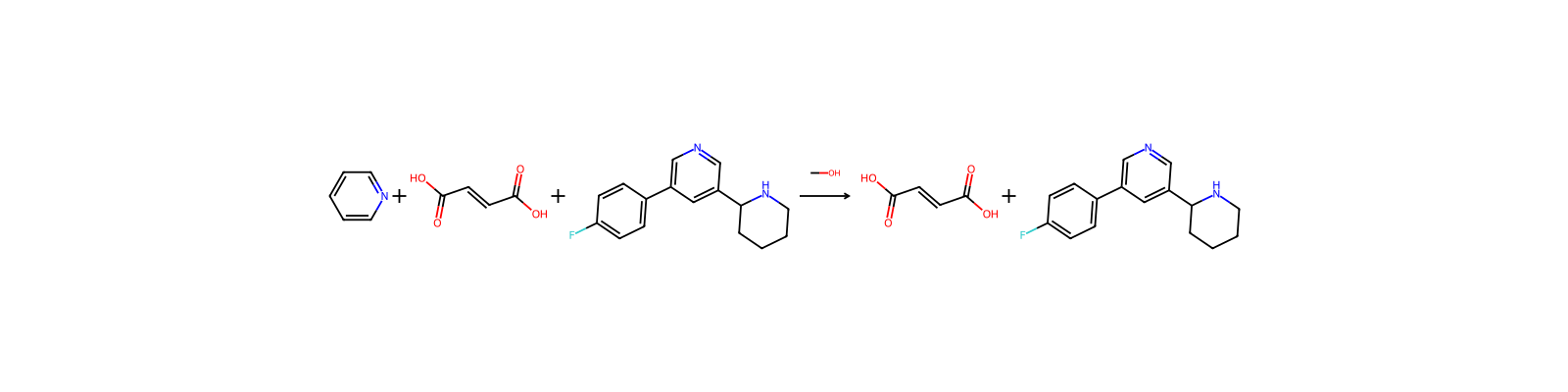
関連ノート
読み込み中…