Bromine → 6-Bromo-2-(4-dodecyloxyphenyl)benzothiazole
HRID 1243266
反応式

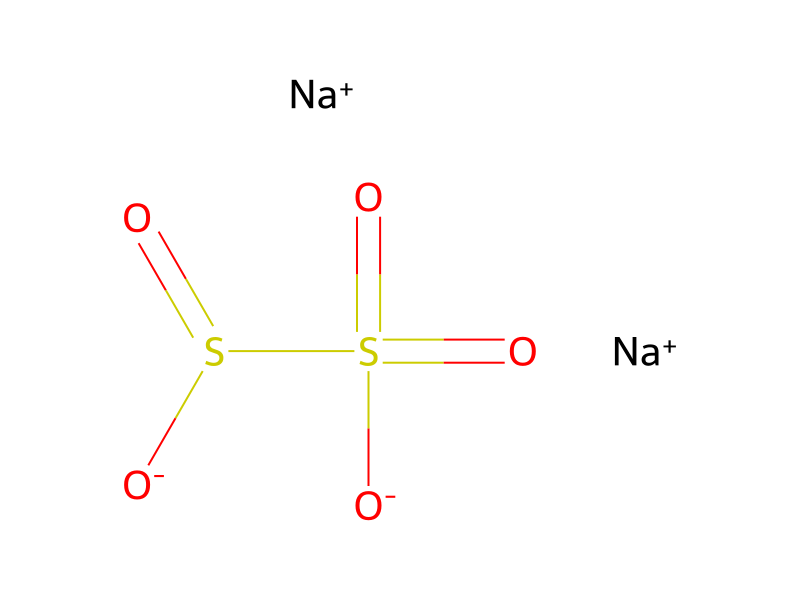
[Br:1]Br.[CH2:3]([O:15][C:16]1[CH:21]=[CH:20][C:19]([C:22]2[S:23][C:24]3[CH:30]=[CH:29][CH:28]=[CH:27][C:25]=3[N:26]=2)=[CH:18][CH:17]=1)[CH2:4][CH2:5][CH2:6][CH2:7][CH2:8][CH2:9][CH2:10][CH2:11][CH2:12][CH2:13][CH3:14].S(S([O-])=O)([O-])(=O)=O.[Na+].[Na+]>C(O)(=O)C>[Br:1][C:29]1[CH:28]=[CH:27][C:25]2[N:26]=[C:22]([C:19]3[CH:18]=[CH:17][C:16]([O:15][CH2:3][CH2:4][CH2:5][CH2:6][CH2:7][CH2:8][CH2:9][CH2:10][CH2:11][CH2:12][CH2:13][CH3:14])=[CH:21][CH:20]=3)[S:23][C:24]=2[CH:30]=1参加物
5




実験手順
Bromine was added dropwise to a solution of 2-(4-dodecyloxy-phenyl)benzothiazole (20 g, 0.059 mol) and acetic acid (1,000 cm3). The reaction mixture was then heated for a further 6 h. The cooled reaction mixture was then added to aqueous sodium metabisulphite solution (1,000 cm3). The product was extracted using diethyl ether (3×100 cm3). The combined organic layers are washed with concentrated sodium carbonate solution (2×100 cm3) and then with water (1×100 cm3), dried (MgSO4), filtered and then evaporated down under partially reduced pressure The crude product was purified using column chromatography, using a 50:50 mixture of dichloromethane/hexane an eluent to yield 2.7 g (9.6%) of the desired product.