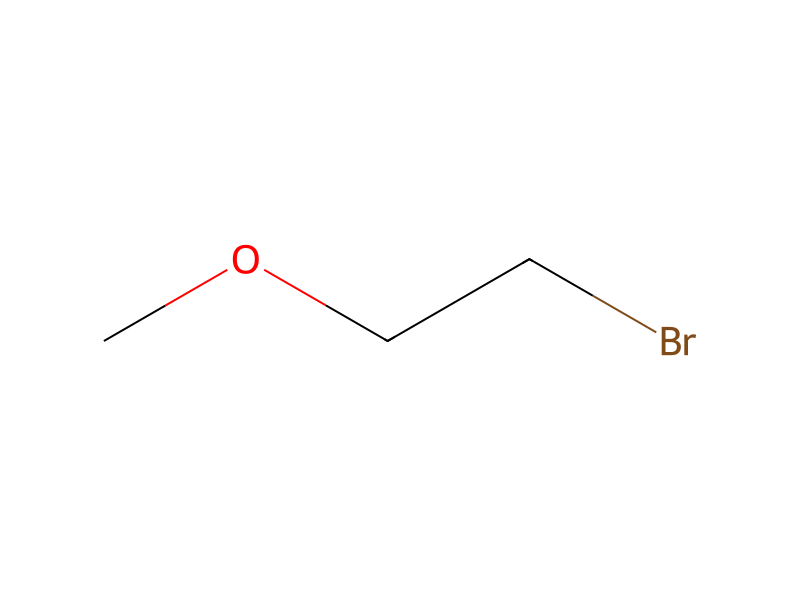
[CH2:1]([N:3]1[CH2:8][CH2:7][N:6]([C:9]2[C:18]3[C:13](=[CH:14][CH:15]=[CH:16][CH:17]=3)[CH:12]=[C:11]([C:19]3[CH:24]=[CH:23][C:22]([OH:25])=[CH:21][CH:20]=3)[N:10]=2)[CH2:5][CH2:4]1)[CH3:2].[H-].[Na+].[H][H].[CH3:30][O:31][CH2:32][CH2:33]Br>CN(C)C=O>[CH2:1]([N:3]1[CH2:4][CH2:5][N:6]([C:9]2[C:18]3[C:13](=[CH:14][CH:15]=[CH:16][CH:17]=3)[CH:12]=[C:11]([C:19]3[CH:20]=[CH:21][C:22]([O:25][CH2:33][CH2:32][O:31][CH3:30])=[CH:23][CH:24]=3)[N:10]=2)[CH2:7][CH2:8]1)[CH3:2]1-(4-Ethylpiperazin-1-yl)-3-(4-hydroxyphenyl)isoquinoline (0.420 g) obtained in Example 7 was dissolved in N,N-dimethylformamide (5 ml), followed by the addition of 60% sodium hydride (0.06 g). After the evolution of hydrogen was ceased, 2-methoxyethyl bromide (178 μl) was added thereto, and the mixture was stirred 50° C. for 3.5 hr. After the reaction solution was cooled to room temperature, it was partitioned between ethyl acetate and water. The resulting organic layer was washed with water, dried and evaporated. The resulting residue was purified by silica gel column chromatography (methylene chloride/methanol system), to give 1-(4-ethylpiperazin-1-yl)-3-[4-(2-methoxyethoxy)phenyl]isoquinoline as a white powder. The compound was converted into a hydrochloride in a conventional manner, to give 0.457 g of the title compound as a yellow powder.