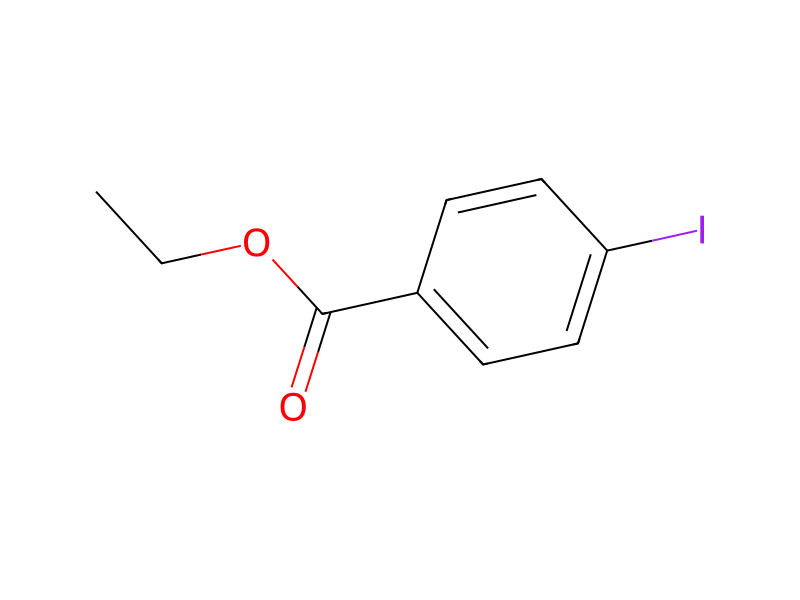
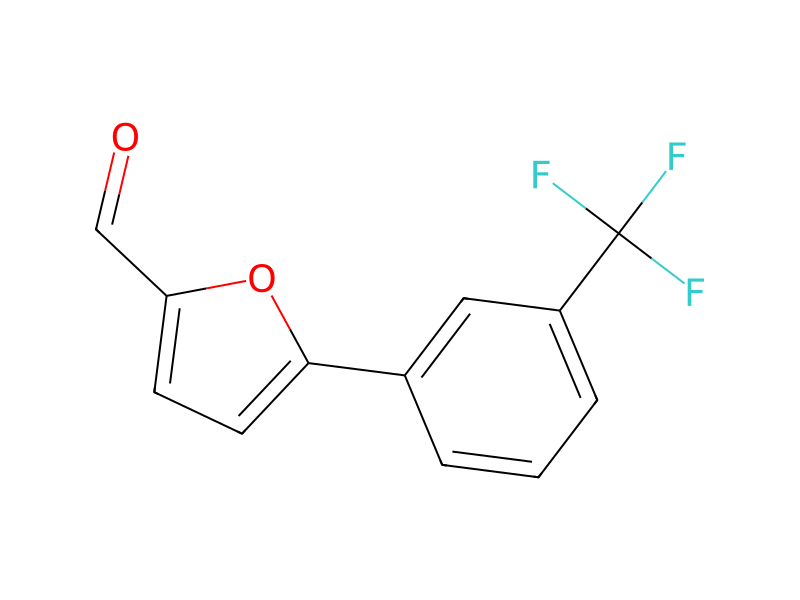
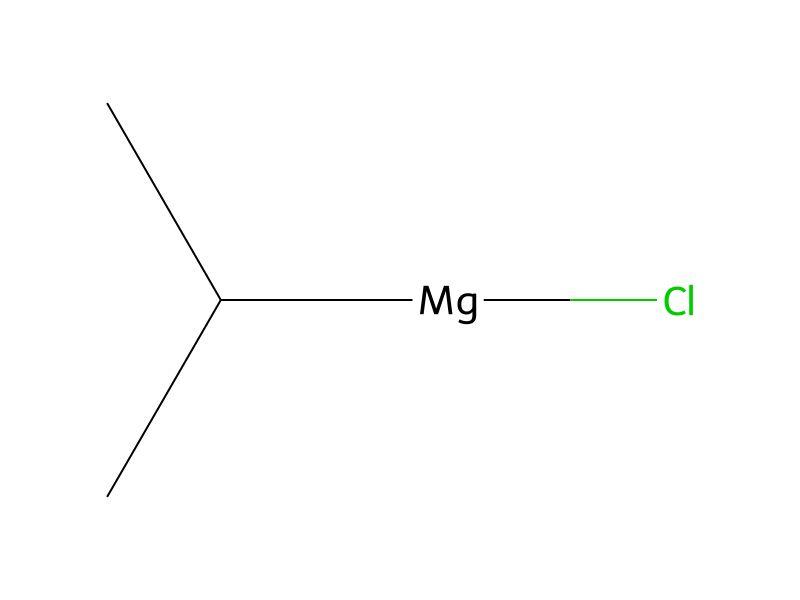
I[C:2]1[CH:12]=[CH:11][C:5]([C:6]([O:8][CH2:9][CH3:10])=[O:7])=[CH:4][CH:3]=1.C([Mg]Cl)(C)C.[F:18][C:19]([F:34])([F:33])[C:20]1[CH:21]=[C:22]([C:26]2[O:30][C:29]([CH:31]=[O:32])=[CH:28][CH:27]=2)[CH:23]=[CH:24][CH:25]=1.[Cl-].[NH4+]>O1CCCC1>[OH:32][CH:31]([C:29]1[O:30][C:26]([C:22]2[CH:23]=[CH:24][CH:25]=[C:20]([C:19]([F:34])([F:18])[F:33])[CH:21]=2)=[CH:27][CH:28]=1)[C:2]1[CH:12]=[CH:11][C:5]([C:6]([O:8][CH2:9][CH3:10])=[O:7])=[CH:4][CH:3]=1Ethyl 4-iodobenzoate (0.55 g) was dissolved in tetrahydrofuran (5 mL), and the mixture was cooled to −40° C. Isopropylmagnesium chloride (2M tetrahydrofuran solution, 1.0 mL) was added dropwise, and the mixture was stirred at the same temperature for 30 min to prepare Grignard reagent. A solution of the compound (0.40 g) obtained in Example 222a in tetrahydrofuran (5 mL) was cooled to −40° C., and the prepared Grignard reagent solution was added. After stirring at −40° C. for 30 min, saturated aqueous ammonium chloride solution was added to the reaction mixture, and the mixture was extracted with ethyl acetate. The organic layer was washed with saturated brine, dried over magnesium sulfate, and the solvent was evaporated under reduced pressure. The residue was purified by column chromatography (carrier: silica gel, eluent: hexane-ethyl acetate) to give the title compound (0.26 g) as an oil.