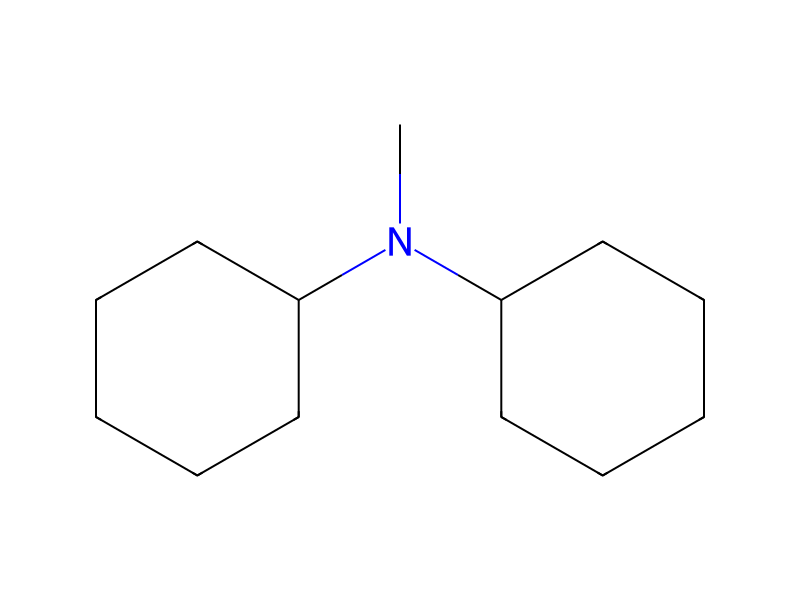
Br[C:2]1[CH:3]=[C:4]2[C:9](=[CH:10][CH:11]=1)[N:8]=[CH:7][CH:6]=[CH:5]2.[CH2:12]([OH:15])[CH:13]=[CH2:14].C1(N(C)C2CCCCC2)CCCCC1>C1C=CC(/C=C/C(/C=C/C2C=CC=CC=2)=O)=CC=1.C1C=CC(/C=C/C(/C=C/C2C=CC=CC=2)=O)=CC=1.C1C=CC(/C=C/C(/C=C/C2C=CC=CC=2)=O)=CC=1.[Pd].[Pd].O1CCOCC1>[N:8]1[C:9]2[C:4](=[CH:3][C:2]([CH2:14][CH2:13][CH:12]=[O:15])=[CH:11][CH:10]=2)[CH:5]=[CH:6][CH:7]=1Tris(dibenzylideneacetone)dipalladium (480 mg, 0.52 mmol) and tri-tent-butyl-phosphonium tetrafluoroborate (300 mg, 1.0 mmol) in a flask was evacuated and refilled with nitrogen (2 times). 1,4-dioxane (31 mL) was added followed by consecutive addition of 6-bromoquinoline (7.2 g, 35 mmol), 2-propen-1-ol (4.7 mL, 69 mmol) and N-cyclohexyl-N-methyl-cyclohexanamine (8.9 mL, 42 mmol). The reaction vessel was evacuated and refilled with nitrogen (2 times). The reaction mixture was stirred at 30° C. for 24 h. Diethyl ether (30 mL) was added to the reaction mixture and then filtered and washed with diethyl ether. The organic extract was concentrated under reduced pressure. The residue was purified by flash chromatography eluting with ethyl acetate in hexanes (0-50%) to afford the desired product. (˜55%) LCMS: (M+H)=186.0; (M+H2O+H)+=204.0.