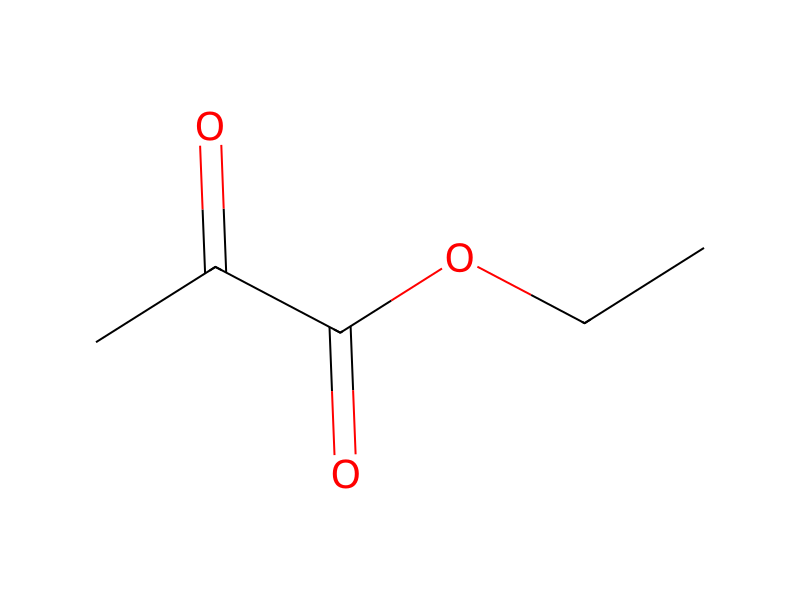
[Cl-].[In+3].[Cl-].[Cl-].[C:5]([O:10][CH2:11][CH3:12])(=[O:9])[C:6]([CH3:8])=O.C(#N)C.[CH:16](=[N:23][C:24]1[CH:29]=[CH:28][C:27]([OH:30])=[CH:26][CH:25]=1)[C:17]1[CH:22]=[CH:21][CH:20]=[CH:19][CH:18]=1>O>[CH2:11]([O:10][C:5]([C:6]1[C:29]2[C:24](=[CH:25][CH:26]=[C:27]([OH:30])[CH:28]=2)[N:23]=[C:16]([C:17]2[CH:18]=[CH:19][CH:20]=[CH:21][CH:22]=2)[CH:8]=1)=[O:9])[CH3:12]Indium chloride (0.4977 g, 2.25 mmol) and ethyl pyruvate (1.3064 g, 11.3 mmol) were added to an acetonitrile (15.0 mL) solution of 4-benzylideneaminophenol (0.8875 g, 4.50 mmol), and the mixture was heated with stirring at 90° C. for 27 minutes with microwave irradiation. To the reaction solution, water and saturated saline were added. The mixture was subjected to extraction with dichloromethane and dried over anhydrous sodium sulfate, and then, the solvent was distilled off. The obtained residue was purified by silica gel column chromatography, and the solvent was distilled off to obtain 6-hydroxy-2-phenyl-4-quinolinecarboxylic acid ethyl ester (0.264 g, 0.900 mmol) as a pale yellow powder.