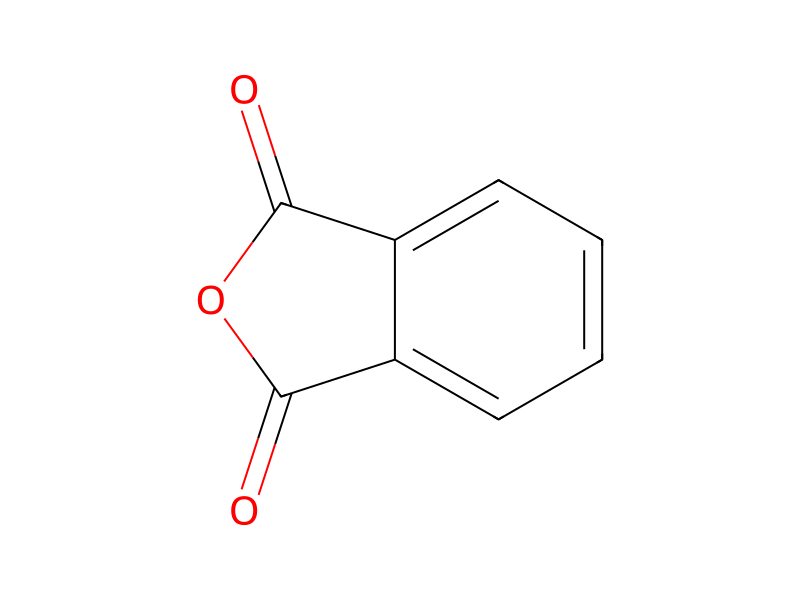
[NH2:1][C:2]1[CH:7]=[CH:6][CH:5]=[CH:4][C:3]=1[C:8]1[NH:9][C:10]2[C:15]([CH:16]=1)=[CH:14][CH:13]=[CH:12][CH:11]=2.N1C2C(=CC=CC=2)C=C1.[C:26]1(=[O:36])[O:31][C:29](=[O:30])[C:28]2=[CH:32][CH:33]=[CH:34][CH:35]=[C:27]12>ClCCl.CN(C1C=CN=CC=1)C>[NH:9]1[C:10]2[C:15](=[CH:14][CH:13]=[CH:12][CH:11]=2)[CH:16]=[C:8]1[C:3]1[CH:4]=[CH:5][CH:6]=[CH:7][C:2]=1[NH:1][C:26](=[O:36])[C:27]1[C:28](=[CH:32][CH:33]=[CH:34][CH:35]=1)[C:29]([OH:31])=[O:30]A 100-mL, one-necked, round bottomed flask with a magnetic stirring bar and a septum was charged with 2-(2-aminophenyl) indole (210 mg; 1.01 mmol). The indole was dissolved in ca. 7 mL of dichloromethane to give a very pale yellow solution. DMAP (143 mg; 1.17 mmol; 1.16 equiv) and phthalic anhydride (179 mg; 1.21 mmol; 1.20 equiv) were added sequentially each dissolving completely with a resulting yellow solution. The solution was stirred at room temperature, and the reaction was followed by TLC, and showed complete conversion in ca. 30 min as indicated by the disappearance of the 2-(2-aminophenyl) indole. The reaction mixture was poured into a 125-mL separatory funnel and extracted with 15 mL HCl (aq, ca. 1 M). The aqueous layer was washed with 2×5 mL CH2Cl2, and the combined organic layer was dried (anhydrous Na2SO4), filtered, and concentrated by rotary evaporation to yield a canary yellow foamy solid (0.377 g) of N-[2-(1H-indol-2-yl)-phenyl]phthalamic acid. MS (M+H+: calcd 357; found 357).