Phenyl Isothiocyanate → 4-Cyclohexyl 2-phenylthiocarbamoyl cyclohexanone
反応式

C1(C2CCC(N3CC[O:16]CC3)=CC2)CCCCC1.C1(N=C=S)C=CC=CC=1.[CH:28]1([CH:34]2[CH2:39][CH2:38][C:37](N3CCOCC3)=[C:36]([C:46](=[S:54])[NH:47][C:48]3[CH:53]=[CH:52][CH:51]=[CH:50][CH:49]=3)[CH2:35]2)[CH2:33][CH2:32][CH2:31][CH2:30][CH2:29]1>>[CH:28]1([CH:34]2[CH2:39][CH2:38][C:37](=[O:16])[CH:36]([C:46](=[S:54])[NH:47][C:48]3[CH:53]=[CH:52][CH:51]=[CH:50][CH:49]=3)[CH2:35]2)[CH2:33][CH2:32][CH2:31][CH2:30][CH2:29]1参加物
4
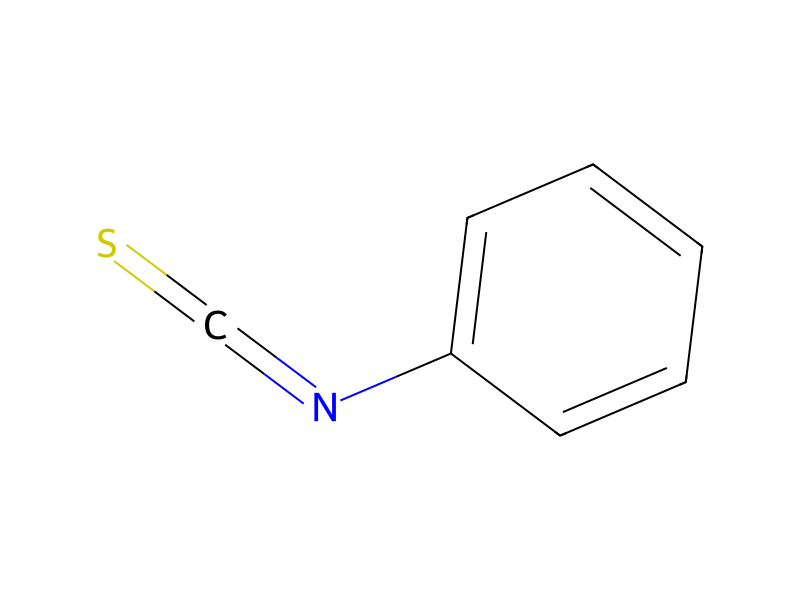


実験手順
Using the procedure of example 1 and starting from 9.2 g of 4-cyclohexyl 1-morpholyl cyclohex-1 ene and from 5 g phenyl isothiocyanate 7.8 g of 4-cyclohexyl 2-phenylthiocarbamoyl 1-morpholyl cyclohex-1 ene are obtained, melting at 143°. Acid hydrolysis of 7 g of 4-cyclohexyl 2-phenylthiocarbamoyl 1-morpholyl cyclohex- 1 ene gives 4.5 g of 4-cyclohexyl 2-phenylthiocarbamoyl cyclohexanone which melts at 150° .
後処理
- customare obtained
出典と根拠
- ORDレコード
- ord-914beedd92da42558ef712283be20d67
- 出典データセット
- uspto-grants-1976_08
- 特許番号
- US03978044
反応ノート
読み込み中…