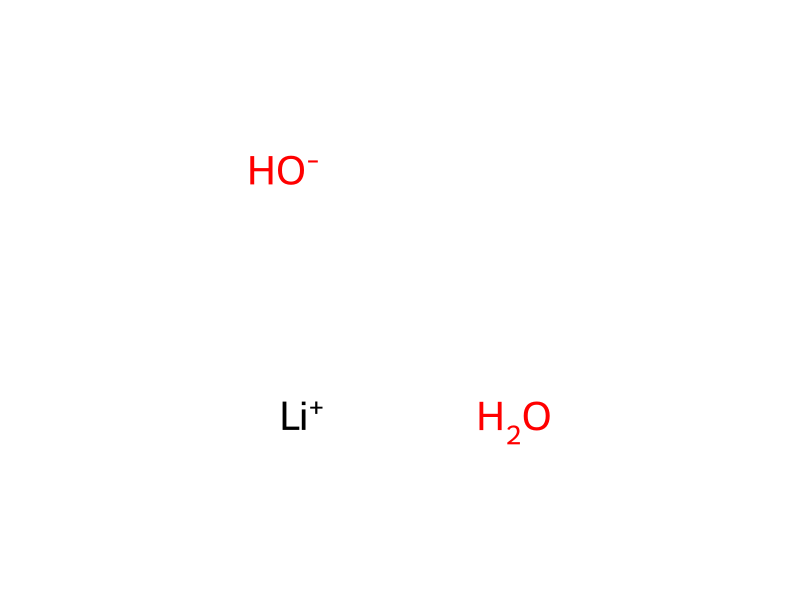
A solution of 1-tert-butyl-5-ethoxymethyl-1H-pyrazole-4-carboxylic acid ethyl ester (99.8 mg, 0.39 mmol) in methanol (0.5 mL) and water (0.5 mL) at 25° C. was treated with lithium hydroxide monohydrate (20.2 mg, 0.48 mmol). The reaction mixture was fitted with a reflux condenser and was then heated to 100° C. for 2 h. At this time, the reaction was concentrated in vacuo. The resulting residue was acidified to pH=1 with a 1N aqueous hydrochloric acid solution. A cloudy mixture resulted. The material was brought to a basic pH by treatment with a 1N aqueous sodium hydroxide solution. This solution was extracted with ethyl acetate (1×10 mL). These organics were discarded. The aqueous layer was re-acidified to pH=1 with a 1N aqueous hydrochloric acid solution. This solution was extracted with ethyl acetate (2×10 mL). These organics were dried over magnesium sulfate, filtered and concentrated in vacuo to afford 1-tert-butyl-5-ethoxymethyl-1H-pyrazole-4-carboxylic acid (77.5 mg, 87%) as a yellow solid. The material was used without further purification.