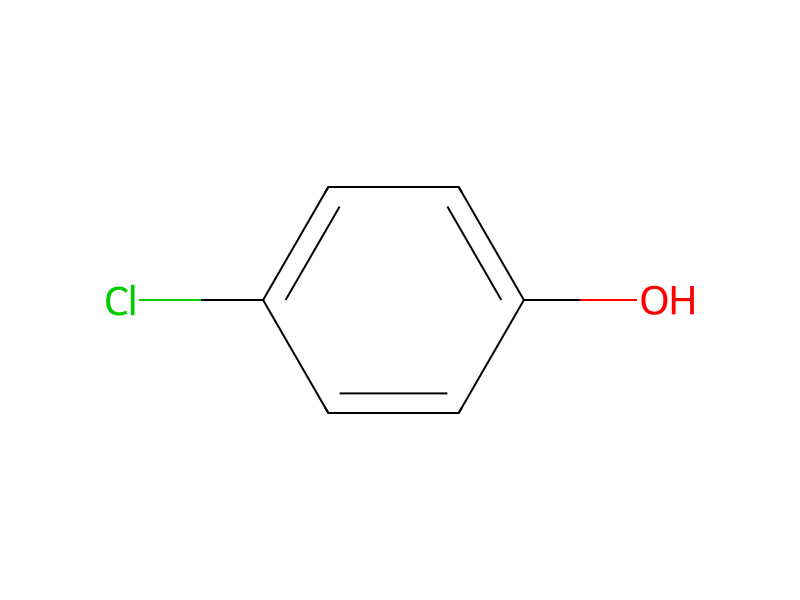
[N:1]1[N:5]2[C:6]([CH:10]([OH:12])[CH3:11])=[CH:7][CH:8]=[N:9][C:4]2=[N:3][CH:2]=1.CCOC(/N=N/C(OCC)=O)=O.C1(P(C2C=CC=CC=2)C2C=CC=CC=2)C=CC=CC=1.[Cl:44][C:45]1[CH:50]=[CH:49][C:48](O)=[CH:47][CH:46]=1>O1CCCC1>[Cl:44][C:45]1[CH:50]=[CH:49][C:48]([O:12][CH:10]([C:6]2[N:5]3[N:1]=[CH:2][N:3]=[C:4]3[N:9]=[CH:8][CH:7]=2)[CH3:11])=[CH:47][CH:46]=1A mixture of (+)-1-(1,2,4-triazolo[1,5-a]pyrimidin-7-yl)ethanol (0.27 g), diethylazodicarboxylate (0.29 g), triphenylphosphine (0.44 g) and 4-chlorophenol (0.22 g) in dry tetrahydrofuran (40 ml) was stirred at ambient temperature for 2 days. Further diethylazodicarboxylate (0.15 g) and triphenylphosphine (0.22 g) was added to the solution, which was stirred overnight until the reaction was complete. The solvent was removed under reduced pressure and the residue was dissolved in ethyl acetate (100 ml). This solution was washed with 1M sodium hydroxide (40 ml) followed by brine (20 ml) and the solvent was evaporated. The residue was purified by flash chromatography on silica gel using as eluent a mixture of triethylamine and ethyl acetate (in the ratio 1:100 respectively) to give (+)-7-[1-(4-chlorophenoxy)ethyl]-1,2,4-triazolo[1,5-a]pyrimidine. Yield 0.33 g.