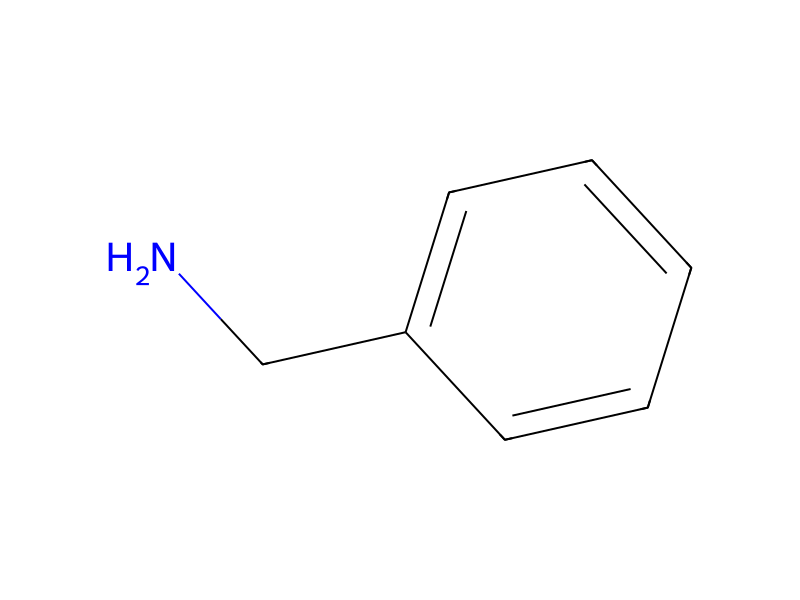
[N+:1]([C:4]1[CH:15]=[CH:14][C:7]2[CH2:8][CH2:9][CH2:10][C:11](=O)[CH2:12][C:6]=2[CH:5]=1)([O-:3])=[O:2].[CH2:16]([NH2:23])[C:17]1[CH:22]=[CH:21][CH:20]=[CH:19][CH:18]=1.C(O[BH-](OC(=O)C)OC(=O)C)(=O)C.[Na+].[OH-].[Na+]>ClCCCl.C(O)(=O)C>[CH2:16]([NH:23][CH:11]1[CH2:10][CH2:9][CH2:8][C:7]2[CH:14]=[CH:15][C:4]([N+:1]([O-:3])=[O:2])=[CH:5][C:6]=2[CH2:12]1)[C:17]1[CH:22]=[CH:21][CH:20]=[CH:19][CH:18]=1Under nitrogen, to a solution of 3-nitro-5,7,8,9-tetrahydrobenzocyclohepten-6-one (300 mg) in 1,2-dichloroethane (10 ml) were added benzylamine (0.24 ml), sodium triacetoxyborohydride (460 mg) and acetic acid (0.17 ml) at room temperature, and the mixture was stirred at the same temperature for 5 hours. The resulting mixture was poured into aqueous 1N sodium hydroxide and extracted with ethyl acetate. The organic layer was washed with brine, dried over anhydrous magnesium sulfate and evaporated in vacuo. The residue was purified by column chromatography on silica gel (hexane:ethyl acetate=2:1 to 1:5) to give N-benzyl-(3-nitro-6,7,8,9-tetrahydro-5H-benzocyclohepten-6-yl)amine (342 mg).