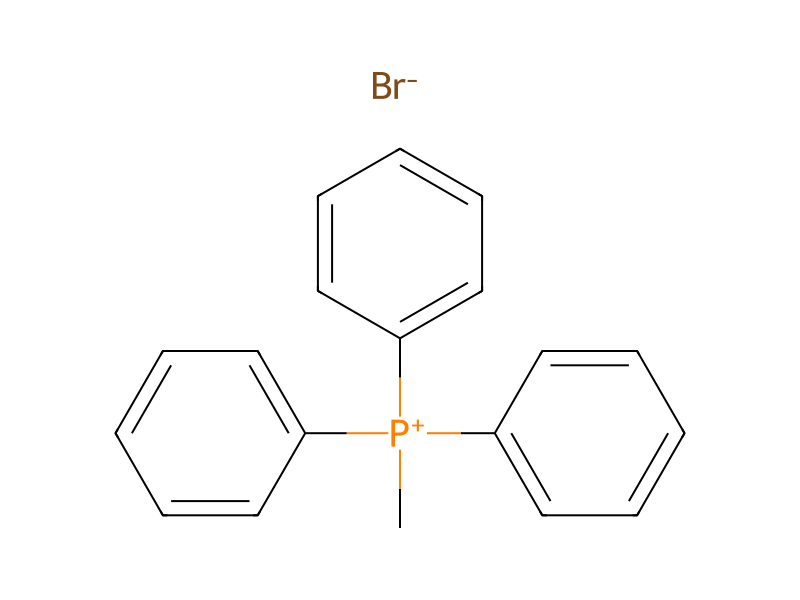
Methyltriphenylphosphonium bromide (2.06 g, 5.77 mmol) was dried in vacuo for 2 hours then suspended with stirring in tetrahydrofuran (15 ml) under nitrogen. The mixture was cooled to −78° C. and n-butyllithium in tetrahydrofuran (3.75 ml, 5.77 mmol) was added dropwise. After stirring for 2 hours being allowed to warm to room temperature, the mixture was again cooled to −78° C. and 3-(1-methylindol-3-yl)propionaldehyde (90° mg, 4.81 mmol) in tetrahydrofuran (6 ml) was added dropwise. After 2 hours stirring at room temperature, the reaction was quenched by addition of aqueous ammonium chloride. This mixture was extracted with ethyl acetate, and the extracts were washed with brine, dried (magnesium sulfate) and evaporated in vacuo. The residue was purified by silica gel (36 g) chromatography eluting with hexane/ethyl acetate (20:1) to give 3-(3-butenyl)-1-methylindole (539 mg, 60.5%) as a colorless oil.