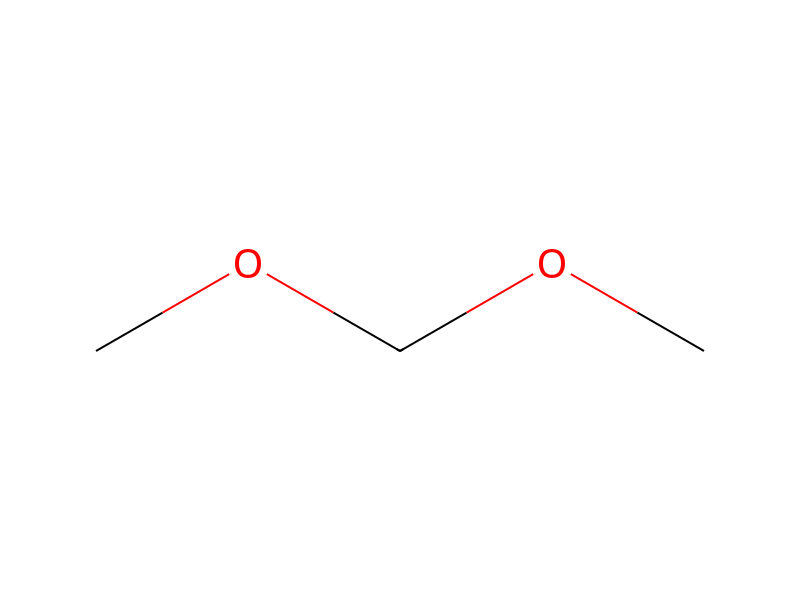
A dry 3-necked, round bottomed flask, equipped with a magnetic stirrer, gas bubbler, heating mantle and a water condenser, was charged with 545.73 g (1.19 mol) of (R)-{1-[(2-benzylcarbamoyl-5-chloro-phenylimino)-methyl]-2-methyl-propyl}-carbamic acid tert-butyl ester (a compound of Formula 106, obtained, for example, as described in Example 2.3), 520 mL of dimethoxymethane and 520 mL (2.492 mol) of HMDS. The mixture was heated to reflux for 24 hours and then allowed to cool. The volatiles were removed by rotary evaporation, leaving an oily residue that was then triturated with ethanol (3×125 mL) to remove residual HMDS or ammonia. To the resulting oil was added 400 mL of ethanol, and the mixture was heated until a homogeneous solution had been obtained. At refulx temperature, 60 mL of water was added and the solution was allowed to cool slowly with light stirring, overnight. The resulting white suspension was allowed to settle; an aliquot of the supernatant was removed and treated dropwise with water to confirm completion (no more solid was formed). The solid was filtered, washed (3×200 mL H2O/EtOH (1:4)), and dried in an oven at 50° C. for 48 hours to afford 260.23 g (51% yield) of the enantiomerically pure title compound of Formula 107, (R)-[1-(3-benzyl-7-chloro-4-oxo-3,4-dihydro-quinazolin-2-yl)-2-methylpropyl]-carbamic acid tert-butyl ester.