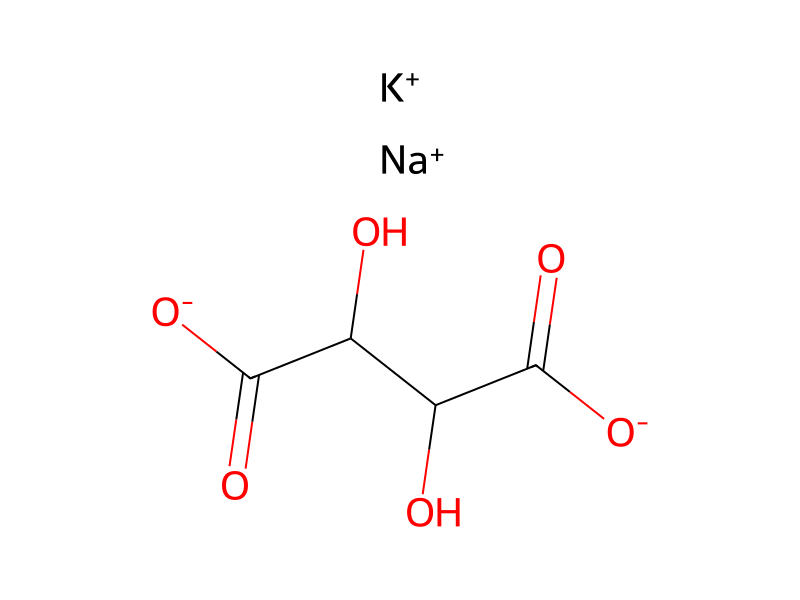
To a solution of the 6-chloro-4-cyclopentyloxy-2-methyl-nicotinic acid cyclopentyl ester (7.4 g, 22.8 mmol) in anhydrous tetrahydrofuran (250 mL) under nitrogen cooled to 0° C., lithium aluminum hydride (1.0 M solution in tetrahydrofuran, 45.8 mL, 45.8 mmol) is added over period of 15 minutes. The reaction is stirred for 3 hours at ambient temperature, after which a saturated solution of sodium potassium tartarate (300 mL) is slowly added and the mixture is stirred for additional 1 hour. The organic layer is separated and the aqueous solution is extracted with methylene chloride (2×100 mL). The combined organic extracts are washed with washed with brine, dried (Na2SO4), and concentrated in vacuo. The residue is dissolved in a mixture of hexane and ethyl acetate (1:1, 150 mL) and filtered over a small pad of silica gel (30 g) which is subsequently rinsed with additional 200 mL of the same mixture of hexane and ethyl acetate. The obtained solution is concentrated in vacuo to give (6-chloro-4-cyclopentoxy-2-methyl-pyridin-3-yl)-methanol as colorless oil.