反応式

[CH:1]1[C:14]2[C:13](=[O:15])[C:12](=[O:16])[C:11]3[C:6](=[CH:7][CH:8]=[CH:9][CH:10]=3)[C:5]=2[CH:4]=[CH:3][CH:2]=1>CC#N.O.[OH-].[Na+]>[CH:14]1[C:2]2[C:1](=[C:14]3[C:5](=[CH:4][CH:3]=2)[C:6]2[C:11](=[CH:10][CH:9]=[CH:8][CH:7]=2)[C:12](=[O:16])[C:13]3=[O:15])[CH:3]=[CH:2][CH:1]=1参加物



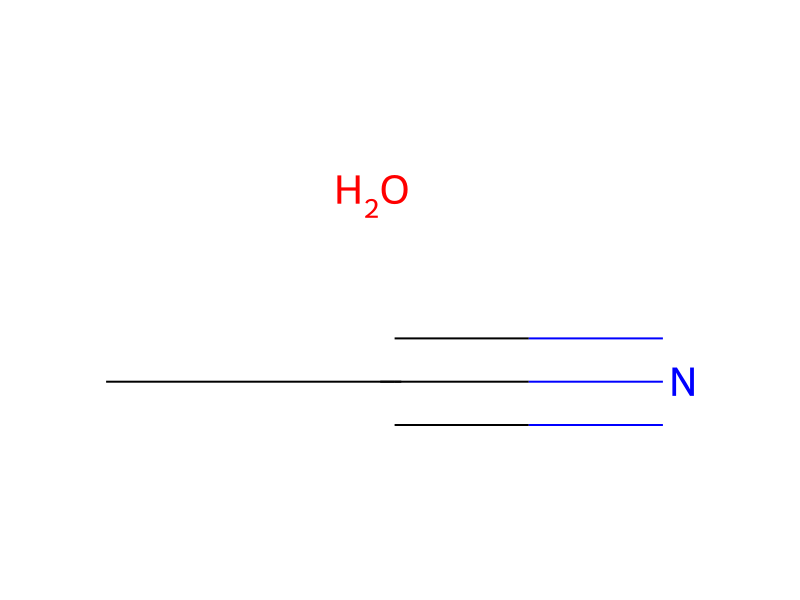
実験手順
In a typical preparation, 50 mg of Rh(III) starting material was dissolved in 32 mL of MeCN/water, 3:1,0.1 M in NaOH. To this mixture was added 1 equiv or more of, for example, 9,10-phenanthrenequinone to produce non-hindered control DNA photocleaving compounds, or 5,6-chrysenequinone (chrysi) or benzophenanzineduimine (phzi) to produce hindered intercalating compounds. During constant stirring, the reaction was allowed to progress for approximately 18 h at room temperature. After neutralization with dilute hydrochloric acid and addition of 500 mL of water, the reaction mixture was loaded onto a Sephadex SP-C25 ion exchange column equilibrated in 0.05 M MgCl2. The product was purified by elution with a gradient of 0.05-0.5 M MgCl2, and the orange product bands were collected. The fractions were concentrated on a Waters Sep-Pak 5 g C18 cartridge and washed with copious amounts of water. The metal complex was eluted from the cartridge with a minimum volume of 0.1% TFA in MeCN/water, 1:1, and lyophilized to dryness.
出典と根拠
- ORDレコード
- ord-6418ea3c0be441c29cb505438e42e146
- 出典データセット
- uspto-grants-2008_03
- 特許番号
- US07345172B2
関連ノート
読み込み中…