反応式

O.C(O)(=O)C(C)=O.[O:8]=[C:9]([CH2:11][N:12]([C:14](=[NH:16])[NH2:15])[CH3:13])[OH:10].[O:17]=[C:18]([CH2:20][N:21]([C:23](=[NH:25])[NH2:24])[CH3:22])O.C([O-])(=O)C(C)=O.O.O=C(CN(C(=N)N)C)O>O>[O:8]=[C:9]([CH2:11][N:12]([C:14](=[NH:15])[NH2:16])[CH3:13])[OH:10].[CH3:22][N:21]1[C:23]([NH2:25])=[N:24][C:18](=[O:17])[CH2:20]1参加物





実験手順
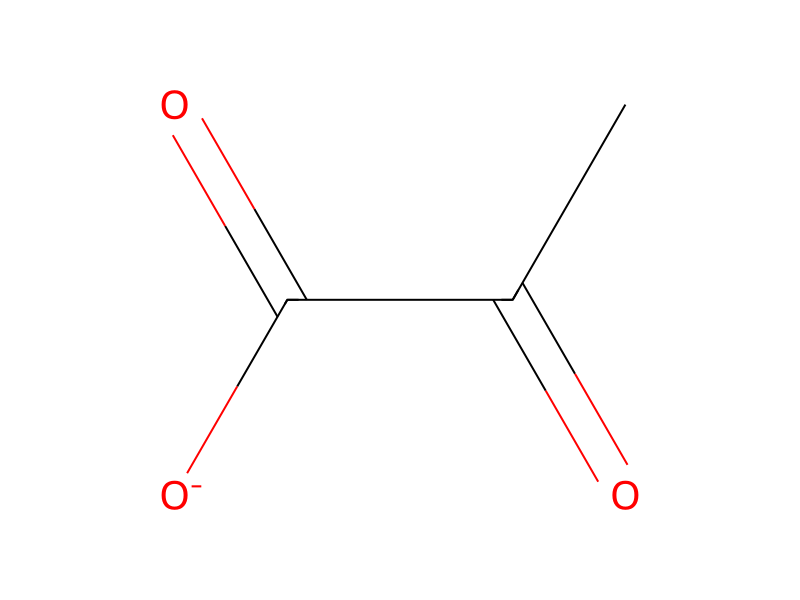
Creatine pyruvate monohydrate may be represented by the empirical formula: C3H3O3-.C4H10O2N3+.H2O. The actual structural formula is now known for a certainty. However, it is known that the reaction between creatine and pyruvate is exothermic and that an organic salt is formed. It is also known that the salt formed is of relatively pure quality in that the product formed is a crystalline solid that has a definite decomposition point of 112°-114° C. Such a product is significantly different from its reactants. Creatine monohydrate is a solid that is sparingly soluble in water and that equilibrates in water to form creatine and creatinine. Pyruvic acid is a liquid that polymerizes and decomposes on standing unless stored in an airtight container.
後処理
- customis formed
- customformed
- customformed
出典と根拠
- ORDレコード
- ord-4005a4b141f74f238fc0eef647600090
- 出典データセット
- uspto-grants-1999_03
- 特許番号
- US05886040
関連ノート
読み込み中…