反応式

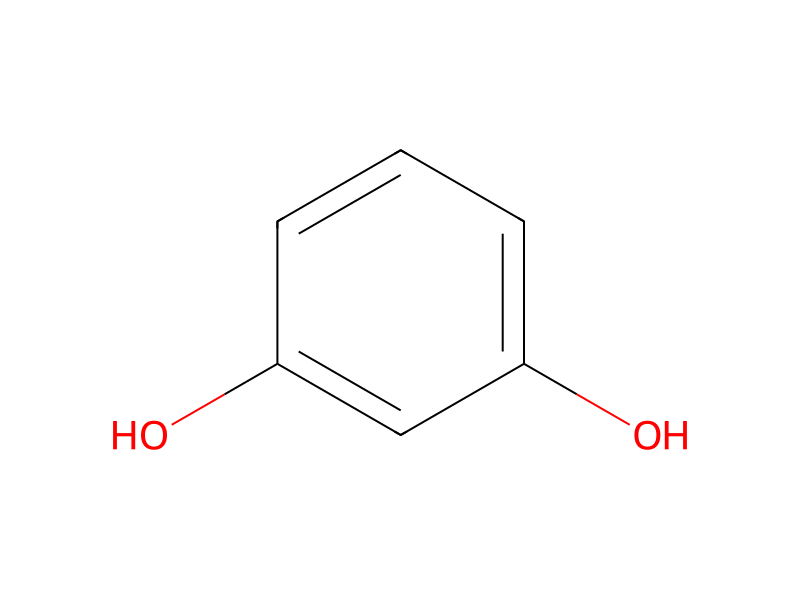
[C:1]1(C=CC=C(O)C=1)[OH:2].[C:9]1([CH:16]=[CH:15][C:13](O)=[CH:12][CH:11]=1)[OH:10].OC1C=CC(C(C2C=CC(O)=CC=2)(C)C)=CC=1.BrC1C=C(C(C2C=C(Br)C(O)=C(Br)C=2)(C)C)C=C(Br)C=1O.C1C(O)=CC=C(S(C2C=CC(O)=CC=2)(=O)=O)C=1>>[CH2:1]=[O:2].[C:9]1([OH:10])[CH:16]=[CH:15][CH:13]=[CH:12][CH:11]=1参加物
7





実験手順
The epoxide compounds may also be derived from mononuclear phenols, for example from resorcinol or hydroquinone; or they are based on polynuclear phenols, for example on bis(4-hydroxyphenyl)methane, 2,2-bis(4-hydroxyphenyl)propane, 2,2-bis(3,5dibromo-4-hydroxyphenyl)propane or 4,4'-dihydroxydiphenylsulfone, or on condensates of phenols with formaldehyde, such as phenol novolaks, which condensates are obtained under acidic conditions.
出典と根拠
- ORDレコード
- ord-dccf3477efc7462983dfe938fe054953
- 出典データセット
- uspto-grants-2000_06
- 特許番号
- US06077891
関連ノート
読み込み中…